Best Cleaver for Vegetables (2026): Picks That Fit Real Homes
Disclosure: We may earn a commission when you buy through links on this page, at no extra cost to you. As an Amazon Associate I earn from qualifying purchases. Learn more

Chinese style, lightweight or Japanese: find the best cleaver for vegetables for your board size, steel preference and weeknight prep routine.
Picture a weeknight board loaded with a cabbage, two sweet potatoes, and a pile of onions that all need to be in the pot within twenty minutes. A tall, broad blade can turn that pile into dinner fast, but only if it fits your board and your hands. Choosing the best cleaver for vegetables is mostly about matching blade size and weight to the way your household actually cooks.
This guide walks you through that match. You will see how blade length suits different kitchens, how steel and edge shape change daily use, and what each budget level realistically buys. Start with the comparison table below, then narrow your choice to one type.
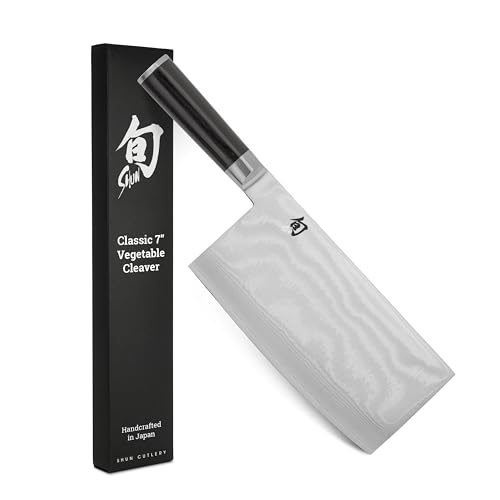
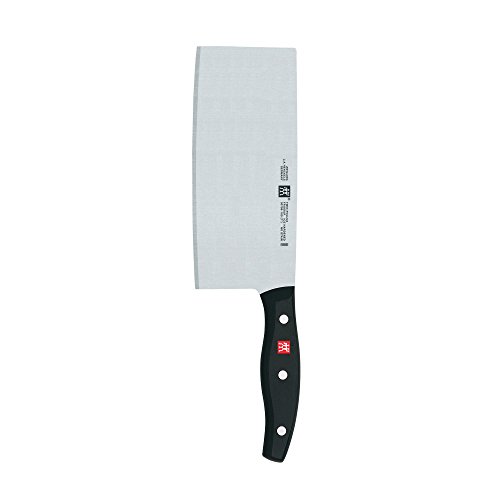
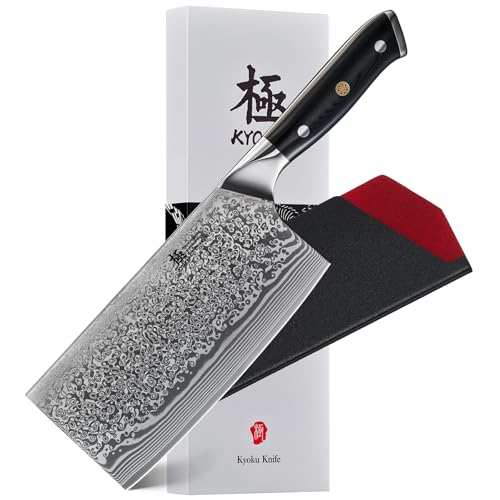


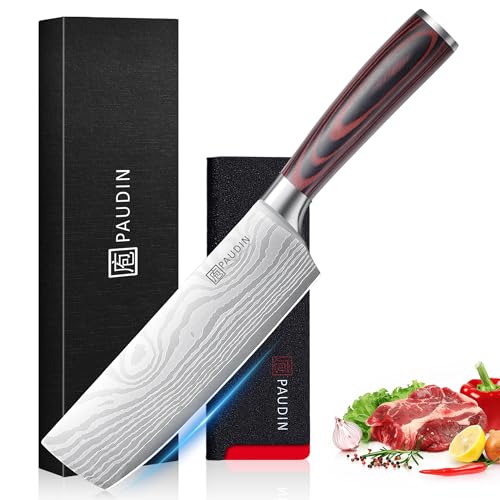
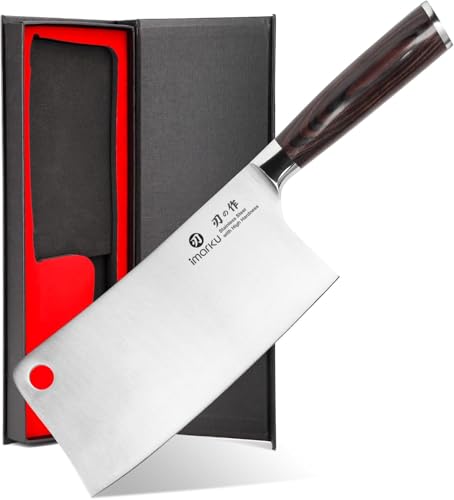

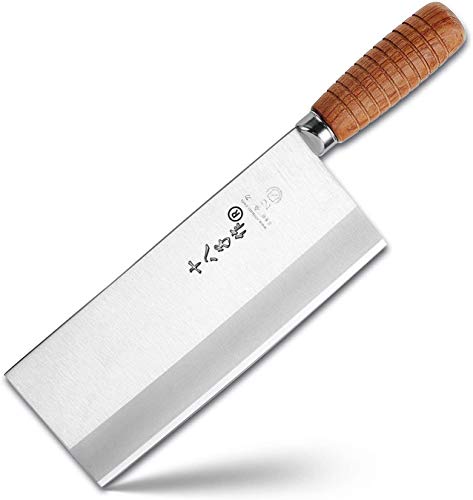
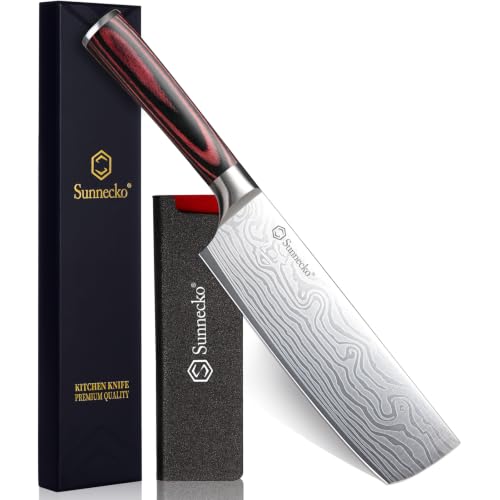
Quick Answer: The Three Types Worth Considering
Most homes land on one of three types. A Chinese style vegetable cleaver suits cooks who prep mixed vegetables most days and want one blade that slices and scoops. A lighter, thinner vegetable cleaver suits smaller kitchens and smaller hands, and it usually costs the least. A Japanese style cleaver suits cooks who value a very fine edge and will care for harder steel. The best cleaver for vegetables for your home is the type you will reach for daily.
Before You Buy: A Quick Checklist for Choosing a Cleaver for Vegetables
Size: Match It to Your Space
Blade length drives everything else, and the common choices run about 6 inches, 7 inches, and 8 inches. A 6 inch blade feels easy to control in a small kitchen and stores in a crowded drawer. A 7 inch blade is the middle ground most households settle on, giving you enough edge for a cabbage half without crowding a standard board. An 8 inch blade covers more produce per stroke, but it demands a large board and real storage space.
Which Type Fits Your Routine
Chinese style cleavers have a tall, rectangular blade and a thin edge made for vegetables, tofu, and boneless cuts, and they double as a bench scraper for moving chopped food. Heavy duty and bone cleavers are thick, weighty tools built to split joints and bone, so they are poor matches for clean vegetable slices. A dedicated vegetable cleaver is lighter and thinner still, and it glides through onions and herbs with little force. Pick the type that mirrors your weekly menu.
Steel Type and Hardness
Steel decides how sharp the edge can get and how often you will maintain it. Hardness is rated on the Rockwell scale, shortened to HRC, and vegetable cleavers generally fall somewhere around 56 to 61 HRC. Softer steel near the low end resists chipping when it meets a stray seed or a twisted root, and it sharpens quickly on basic stones. Harder steel holds a fine edge through many boards of produce, but it can chip if you twist the blade sideways in a dense squash. Carbon steel needs a dry wipe after use and rewards you with easy sharpening.
Blade Geometry: German Versus Japanese Influence
Two design traditions shape most vegetable cleavers. German influenced blades tend to be a little thicker behind the edge, with a wider edge angle that favors durability and a gentle rocking motion on herbs. Japanese influenced blades tend to be thinner behind the edge, with a narrower angle that slices carrots and celery with almost no wedging. A thick blade can split a carrot lengthwise instead of slicing it, while a very thin blade feels fragile on winter squash. Favor thin geometry for soft, leafy produce and a sturdier edge for hard, dense produce.
Handle, Bolster, and Balance
A cleaver is tall and broad, so balance matters more than it does on a small knife. A blade heavy feel helps the edge fall through dense vegetables with less pushing from your arm, while a handle heavy feel makes the blade clumsy during fine work like slicing scallions. Handles come in round wood, shaped wood, and molded synthetic forms, and the right one stays secure when your hands are wet or slick with onion juice. Many vegetable cleavers skip the bolster entirely, which gives you the full edge length for sharpening.
Realistic Budget Ranges
Prices spread widely, and each step up buys something specific rather than magic. For under $30, expect serviceable stainless steel, a basic handle, and edges that need frequent honing, which is a fair trade for a first cleaver. Under $50, you usually gain better steel, a smoother spine finish, and more consistent grinding along the edge. Under $100, the gains are harder steel, finer fit and finish, and handles shaped for long prep sessions.
Three Types Compared: Which Style Deserves Your Drawer Space
The category sorts out simply once you group by design instead of brand. Our guide to the best vegetable cleaver styles goes deeper on the slimmer shapes, but the three types below cover nearly every home kitchen.
The All Purpose Choice for Most Homes: Chinese Style Vegetable Cleaver
This is the type most households should start with. The blade is tall, usually around 3 to 4 inches from spine to edge, so your knuckles clear the board and the flat side works like a scoop for moving diced onion into the pan. The edge is thin enough for tomatoes yet long enough for melons, and the moderate weight does much of the work on root vegetables. Its main trade off is storage, since that tall blade needs a wide slot, a sheath, or a magnetic strip.
The Value Choice: Lightweight Vegetable Cleaver
A lighter vegetable cleaver trims weight and cost at the same time, and for many cooks that trade is a pleasure rather than a compromise. Thin stock and a shorter blade make it nimble on herbs, garlic, mushrooms, and fruit, and it feels less tiring during a long salad prep. Smaller households and cooks with modest grip strength often prefer this type. You give up some momentum on very dense produce, so a big butternut squash needs slower, more careful strokes.
The Long Term Investment: Japanese Style Cleaver
Japanese style cleavers pair harder steel with thin, precise geometry, and they reward cooks who enjoy sharpness as part of the craft. The edge can be refined to a very fine level, which shows up as clean cuts through ripe tomatoes and thin slices of radish or cucumber. If that direction appeals to you, our guide to the best japanese cleaver explains the style in more depth. The commitment is real, since harder steel dislikes twisting, prying, and frozen food, and it prefers whetstones over quick pull through sharpeners.
Our Selection Process
We built the criteria in this guide from maker specifications, published steel and dimension data, and patterns across large numbers of verified buyer reviews. The factors we weighed most were steel and edge retention, balance and comfort in the hand, sharpness as delivered, ease of maintenance, and value at each price level. This process favors the traits that decide whether a cleaver still feels good after months of weeknight dinners.
Living With It: What Really Matters Day to Day
The first week with a cleaver teaches you more than any spec sheet. The tall blade changes how you move food: instead of scraping with your knife edge, you slide the flat side under a pile and carry it, which keeps the edge sharper for longer. Our walkthrough of how to use a cleaver covers grip and stroke basics if the shape is new to you. Most cooks adapt within a few meals.
Household fit matters just as much. A family of five prepping stir fry twice a week will love the scooping speed, while a solo cook may find the size more than a small salad requires. A heavy best bone cleaver belongs to butchery, not vegetable work. The cleaver wins when volume, board space, and straight down chopping dominate your cooking.
Common Buying Mistakes to Avoid
- Buying an 8 inch blade for a small board, so the edge overhangs and every cut feels cramped.
- Choosing a thick bone cleaver for vegetables, so wedges split carrots and tomatoes crush instead of slicing.
- Ignoring storage, so a tall blade ends up loose in a drawer where the edge dulls and fingers get nicked.
- Paying for very hard steel while owning no whetstone, so the fine edge fades with no way to restore it.
- Judging comfort from photos alone, so a slippery handle reveals itself only after the return window closes.
Cost of Ownership and Care
Owning a cleaver is cheap compared with most kitchen tools, but a few habits decide how long it serves you. Wash it by hand and dry it right away, since a dishwasher subjects the edge to knocking, heat, and harsh detergent, and carbon steel can rust during a long soak in the sink. Store it on a magnetic strip, in a wide block slot, or in a fitted sheath so the edge never rattles against other tools.
Maintenance is simple and occasional. A honing rod realigns a stainless edge, while whetstone sharpening is needed only when the blade slides on tomato skin. Our step by step guide on how to sharpen a cleaver walks through angles and grits when that day comes.
Your Questions, Answered
What is the most reliable cleaver brand?
Reliability tracks less with a famous name and more with consistent heat treatment, honest steel labeling, and a real warranty. Check whether the seller lists steel type and hardness plainly, since vague listings often hide soft, uneven blades. A maker with clear specs and a fair return policy is a safer bet than a prestigious label with none of those basics.
How do you clean a cleaver after cutting vegetables?
Rinse the blade soon after cutting acidic produce like tomatoes, because acids left sitting on carbon steel can leave dark stains within the hour. Wash with warm water, a soft sponge, and mild soap, working from the spine toward the edge so your hand never crosses the cutting line. Dry the blade right away, including where the handle meets the steel, since trapped moisture there starts most rust.
Is a cleaver worth it if you already own a chef knife?
It is worth it when your cooking involves volume: shredding cabbage for slaw, breaking down squash, or prepping freezer batches of soup vegetables on a Sunday. In those jobs the tall blade and scooping ability save real minutes and several trips from board to pot. If most of your vegetable work is a single onion or a handful of herbs, the chef knife you own already covers it.
How long does a vegetable cleaver last?
A sound stainless or carbon steel cleaver can serve for many years, often a decade or more, because the broad blade gives you plenty of steel to sharpen over its life. Replacement usually comes from damage rather than age: a deep chip from a dropped blade, a cracked or loose handle, or rust that has pitted the edge line.
What should I look for in a cleaver for vegetables before ordering online?
Beyond the size, steel, and balance points covered earlier, do one practical check most buyers skip: cut a paper silhouette of the blade at its listed dimensions and lay it on your board and inside your storage space. That two minute check reveals clearance problems that spec lists never show. Also confirm the listed weight, since two cleavers of the same length can differ by several ounces and feel completely different.
What is the best cleaver for vegetables for a small household?
For one or two people, a 6 inch or 7 inch Chinese style or lightweight vegetable cleaver usually fits best, because it covers daily chopping without demanding a big board or a wide drawer. Left handed cooks should confirm the edge grind is even on both sides, since some traditional blades favor one hand. A compact blade you use daily beats a larger one that stays stored.
Final Thoughts
Start with your space and the vegetables you cook most, and the right type narrows down quickly. Most homes will be happiest with a Chinese style vegetable cleaver, value hunters with the lightweight type, and sharpness lovers with the Japanese style. Before you order, glance back at the product table above and compare your finalists side by side. Our roundup of the best cleaver options covers the wider category. Pick the best cleaver for vegetables for your routine, and weeknight prep gets simpler from the first cabbage onward.