Best Cleaning Solution for Outdoor Cushions: Types Compared and How to Choose for 2026
Disclosure: We may earn a commission when you buy through links on this page, at no extra cost to you. As an Amazon Associate I earn from qualifying purchases. Learn more

Sprays, concentrates and oxygen cleaners each suit different stains. Compare fabric safety and value to pick the best cleaning solution for outdoor cushions.
Outdoor cushions collect a special kind of grime: pollen, sunscreen, mildew spots, bird droppings, and the gray film that settles in over a humid summer. The shelves offer sprays, concentrates, oxygen powders, and gentle soap based options, and the wrong choice can fade fabric or leave residue that attracts more dirt. This guide compares the types clearly so you can find the best cleaning solution for outdoor cushions for your fabric and your mess.
We will compare each type by what it cleans best, what it risks, and what it costs, then walk through how to choose and how to care for cushions between deep cleans. Look at the comparison table below first, then use the type breakdown to match a solution to your cushion material and the stains you actually face.






Types of Cleaning Solutions Compared
Four types cover almost every product you will see. Ready to use sprays favor convenience, concentrates favor value and strength control, oxygen based cleaners favor stain lifting without bleach, and mild soap solutions favor delicate fabrics. Prices overlap, so let fabric safety and stain type lead your choice rather than the size of the bottle.
Ready to Use Spray Cleaners
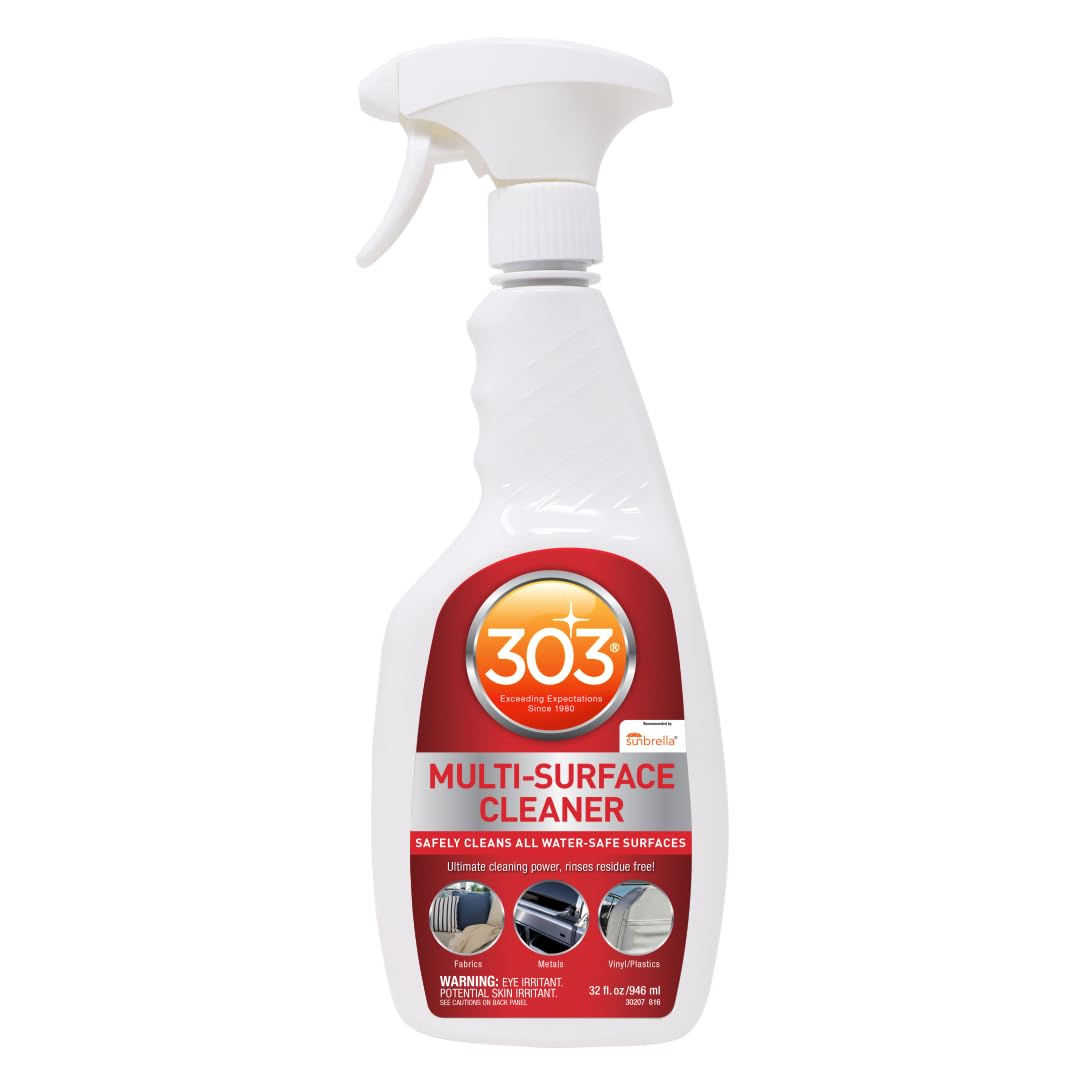
Spray cleaners come premixed at a fixed strength, ready to apply the moment you spot a stain. You spray, wait a few minutes, scrub lightly with a soft brush, and rinse. They suit quick jobs on solution dyed acrylic and polyester cushions, and most cost around $10 to $18 per bottle. The strength is convenience and consistency. The weakness is cost per clean and limited power: heavy mildew or a whole set of large cushions can empty a bottle fast, and you cannot dilute or strengthen the mix to match the job.
Concentrated Cleaners You Dilute at Home
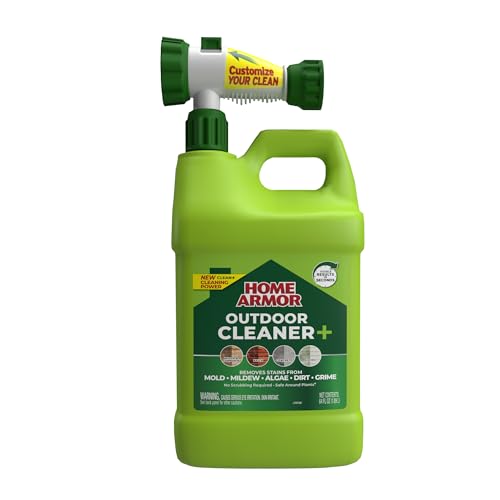
Concentrates ship as a small bottle of strong liquid that you mix with water in a bucket or spray bottle, often at ratios from about 1 part cleaner to 5 or 10 parts water. One bottle around $12 to $22 can clean an entire patio set several times over, which makes this type the value leader. You also control strength, mixing a gentle batch for routine washing and a stronger one for ground in dirt. The trade off is effort and care: measuring takes time, and a careless heavy mix can stress stitching and fade less colorfast fabrics.
Oxygen Based Powder Cleaners
Oxygen cleaners dissolve in warm water and release oxygen as they soak, lifting organic stains such as mildew, leaf tannins, food, and drink spills without chlorine bleach. They are a strong match for light colored cushions that show every spot, and a tub typically costs around $10 to $20. Soaking works best when you can submerge a cover or keep the cushion wet for fifteen to thirty minutes. They are weaker on greasy sunscreen residue, and they are not the right pick for wool or silk trims, so check the label before treating decorative pillows.
Mild Soap and Fabric Specific Solutions
Mild solutions use gentle detergents, sometimes labeled for outdoor fabrics or for delicate materials like olefin blends and printed cotton canvas. They clean everyday dust, light pollen, and fresh spills with the lowest risk of fading or stripping water resistant finishes. Expect to pay around $8 to $16. Their limit is stain power: set in mildew and old grease usually survive a mild wash, so treat this type as your maintenance cleaner and keep a stronger option on hand for seasonal deep cleans.
Ready to Use Sprays vs Concentrates: Which Should You Choose?
Compare the two most popular types on five points. For convenience, sprays win easily, since there is nothing to measure or store in a bucket. For cost per clean, concentrates win by a wide margin, especially on large sectional sets. For strength control, concentrates win again, because you set the ratio. For consistency, sprays win, since every application matches the last. For storage, sprays take more shelf space per clean, while one concentrate bottle covers a season. Choose sprays if you clean a couple of chairs occasionally, and concentrates if you maintain a full set every spring and fall.
If mildew is your main enemy, neither type is the whole answer on its own. Pair your cleaner with thorough drying and, for stubborn spots, an oxygen soak first. Shoppers comparing the best cleaner for outdoor cushions will find the same pattern: the format matters less than matching strength to fabric and stain.
How to Choose the Right Cleaning Solution
Fabric Durability and Care Labels
Start with the care tag on the cushion or cover. Solution dyed acrylic tolerates the widest range of cleaners, polyester handles most sprays and concentrates, and printed cotton or delicate blends need mild solutions only. Removable covers that fit in a washing machine can be washed on a gentle cycle with a mild product, then air dried to prevent shrinkage. Whatever the fabric, rinse thoroughly: cleaner residue left in the weave attracts dirt and makes cushions look dull again within weeks.
Know Your Cushion Fabric and Fill
The fill inside changes how you clean. Quick drying foam lets water pass through, so you can rinse generously and stand cushions on edge to drain. Dense polyester fill holds moisture longer, which means longer drying and a higher mildew risk if you put covers back too soon. Fabric choice matters just as much: the guidance on the best material for outdoor cushions explains why solution dyed fabrics resist both fading and cleaning chemicals better than surface printed options.
Spot Testing, Color Safety, and Mold Care
Always spot test on a hidden area, wait for it to dry, and check for color change before treating the whole cushion. For mold and mildew, work outdoors, brush off loose growth first, and let the cleaned cushion dry in full sun when the fabric allows it, because sunlight and airflow finish the job chemicals start. Wear gloves with stronger concentrates, and keep any cleaner off nearby plants by rinsing the work area afterward.
Features That Matter for Outdoor Cushions
Look for clear fabric compatibility lists, stated dilution ratios, and guidance on dwell time, the minutes a cleaner should sit before scrubbing. A solution that also helps protect water resistance, or at least promises not to strip it, saves you a reproofing step. If you care about runoff, biodegradable formulas reduce the impact on garden beds below the patio. Finally, consider scent: strong fragrances linger in foam, so fragrance light options suit dining sets where food is nearby.
Care and Maintenance Tips
Brush loose dirt off cushions weekly, and most deep cleans become quick ones. Blot spills the day they happen, because sunscreen and food oils set within days in hot sun. Store cushions dry during long wet spells, or use breathable covers that shed rain without trapping humidity. Owners who invested in the best quality outdoor cushions protect that investment most by drying: a cushion put away fully dry almost never grows mildew in storage. When you shop for replacements, the same care logic applies to the best outdoor seat cushions, since quick dry fills forgive cleaning mistakes that ruin dense fills.
Cleaning Solutions: Your Questions Answered
What features matter most in a cleaning solution for outdoor cushions?
Fabric compatibility, adjustable strength, and clean rinsing matter most. The solution should list your cushion fabric as safe, let you match strength to the stain through dilution or dwell time, and rinse out fully so no residue remains to attract dirt. Mildew fighting ability is the next priority in humid climates, where spots return quickly on damp foam.
Are oxygen based cleaning solutions worth it for outdoor cushions?
Yes, for organic stains on light colored fabrics, oxygen cleaners are often the most effective bleach free option. They lift mildew shadows, leaf stains, and food spills during a soak, and they are gentle on most synthetic fabrics. They are less useful on greasy sunscreen marks, so pair them with a spray or concentrate for mixed grime rather than relying on one type alone.
Is a stronger cleaning solution always better for outdoor cushions?
No, stronger is not always better. Excess strength can fade prints, weaken stitching, and strip water resistant finishes, while leaving residue that dulls the fabric. The smarter approach is the mildest solution that removes your stain, applied with enough dwell time and light scrubbing. Save full strength mixes for the worst spots, and rinse those areas extra thoroughly.
How do I wash outdoor cushions safely with a cleaning solution?
Start dry: brush off dirt and vacuum seams. Spot test, then apply the solution, wait the stated dwell time, scrub gently with a soft brush, and rinse until the water runs clear. Stand cushions on edge in sun and airflow until the fill is fully dry, which can take a full day. Never seal damp cushions in storage bags or under tight covers.
How often should I replace my cleaning solution?
Replace premixed sprays about a year after opening, since active ingredients slowly lose strength, and sooner if the liquid changes color or smell. Concentrates last longer, often two years stored cool and sealed. Powders keep well while dry but clump and weaken once moisture gets in. If a familiar product suddenly stops working at its usual ratio, age is the likely cause.
Can a cleaning solution restore outdoor cushions that look faded?
A cleaning solution can restore more than people expect, because much apparent fading is actually a film of dirt and mildew dulling the true color. Deep clean one cushion first and compare it with an untreated one after drying. If the color returns, clean the set. If it stays pale, the fabric itself has sun faded, and only covers or replacement will fix the look.
Final Thoughts
Match the type to your fabric and your worst stain: sprays for convenience, concentrates for value and control, oxygen cleaners for organic stains, and mild solutions for delicate fabrics. Dry cushions completely after every wash, and most sets stay fresh for years. Compare the product table above with those rules, and you will land on the best cleaning solution for outdoor cushions for your patio. For a closely related shortlist, see our guide to the best solution to clean outdoor cushions as well.