Best Cleaner for Patio Furniture Cushions: Everything to Know Before Your First Purchase for 2026
Disclosure: We may earn a commission when you buy through links on this page, at no extra cost to you. As an Amazon Associate I earn from qualifying purchases. Learn more

Shopping for the best cleaner for patio furniture cushions for the first time? Learn the key terms, compare formats, and avoid common rookie mistakes.
Choosing the best cleaner for patio furniture cushions for the first time sounds simple until you face rows of sprays, concentrates, and wipes, each promising spotless fabric. Cushions live outdoors, so they collect pollen, dust, sunscreen, and food spills constantly. The wrong product can fade colors, leave sticky residue, or fail against the one stain you actually have.
This guide starts with the basics, explains each label term in plain English, and then walks you through your first cleaning session step by step. Use the comparison table below to match formats and features to your cushions once the terms make sense.

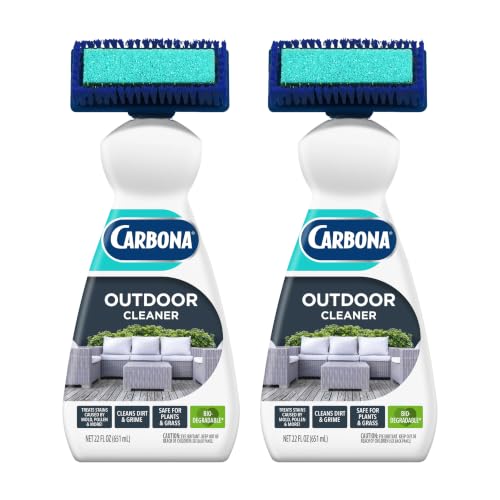
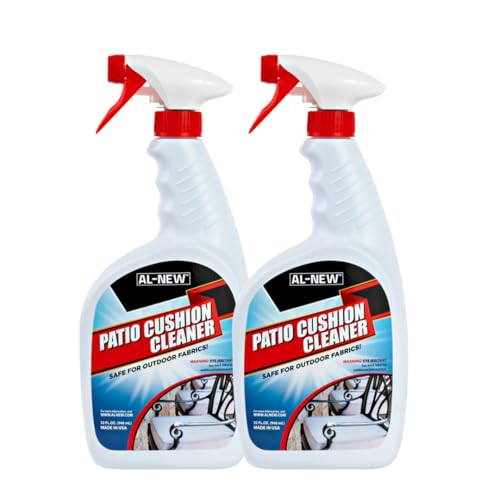
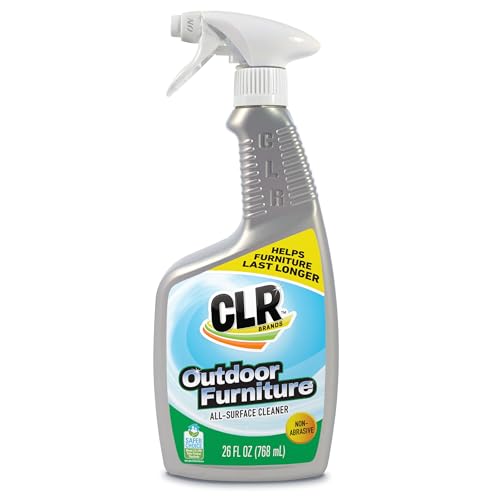
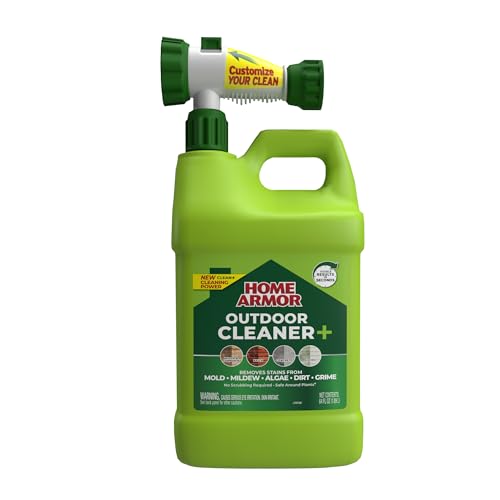


Cleaners 101: The Basics Every First Time Buyer Should Know
A cushion cleaner is a cleaning solution made to lift outdoor grime out of fabric without damaging color, stitching, or the water resistant finish many cushions carry. Most formulas rely on surfactants, ingredients that loosen dirt and oils so water can rinse them away. You spray or apply the solution, give it a few minutes of dwell time to work, agitate gently with a soft brush or cloth, and rinse or wipe the loosened soil away.
Labels also use words that sound alike but mean different jobs. A general cleaner handles everyday dirt and light stains, while a disinfect claim, about killing germs on hard surfaces, rarely matters on soft cushion fabric. A concentrate is a strong solution you dilute with water before use, so one bottle makes many buckets or spray bottles of working cleaner.
The broader guide to the best cleaner for outdoor furniture cushions covers sets that mix fabric with metal, wood, and wicker frames. A cushion cleaner focuses on fabric first, which is where fading and residue problems usually start.
Key Specs Explained in Plain English
Five things decide whether the best cleaner for patio furniture cushions is a good match for your set: the features built into the formula, the messes it can handle, the surfaces it is safe on, its ingredients, and its format. Read each one below before you compare rows in the product table above, because a cleaner that wins on one factor can be a poor match on another.
Features That Matter for Patio Furniture Cushions
Start with fabric safety, since cushions are the softest and most color rich part of your patio set. Look for wording that says the formula is safe for outdoor fabrics and will not strip color, especially if your cushions are dark or patterned, where uneven fading shows fast. A streak free finish matters on deep colors because dried cleaner lines stand out in sunlight. Fragrance free formulas suit households that eat outdoors often, since strong scents linger in fabric near food. Residue control matters too, because leftover soap film attracts fresh dust and makes cushions look dull again within weeks.
Effectiveness on the Specific Mess
Match the cleaner to the soil you actually see rather than the longest claim on the bottle. Pollen and road dust are loose soils that almost any gentle formula lifts with light agitation. Sunscreen and food grease are oily soils, so they need stronger surfactants and a longer dwell time to break down. Bird droppings and tree sap are stubborn spots that respond best to focused spot treatment before a full cleaning. Dark mildew spotting on damp cushions calls for a formula that names mildew stains on the label. Hard water from sprinklers can leave pale mineral marks similar to limescale on fabric and frames, and a cleaner that mentions mineral deposits handles those better than a basic soap.
Surface Compatibility
Check every material your cushions and their surroundings are made of. Common cushion fabrics include solution dyed acrylic, polyester, and olefin, and each tolerates cleaning strength differently, with polyester usually the most forgiving and printed fabrics the most delicate. Vinyl coated cushions and mesh sling fabric need gentler formulas than woven cloth because harsh ingredients can dry or crack the coating. Overspray also lands on frames, so note whether the label allows use near aluminum, resin wicker, or wood. When you shop for replacements later, our guide to the best outdoor cushions for patio furniture explains which fabrics shrug off weather and cleaning best.
Ingredients and Safety
Read the ingredient panel the way you would read a food label. Many first time buyers do well with a bleach free formula, because bleach can weaken outdoor fibers and bleach out color in a single session. Products carrying the EPA Safer Choice label have ingredients reviewed against a federal safety standard, which takes guesswork out of comparing chemical names. Biodegradable and plant based options break down more readily in soil and rinse water. Whatever you choose, work outdoors or with good airflow, keep the bottle stored away from children and pets, and stop and rinse your skin if you notice irritation, coughing, or a rash. Seek medical help promptly if a cleaner is swallowed or breathing trouble starts.
Format: Spray, Gel, Wipes, and Concentrate
Format decides how the cleaner fits your routine and budget. A ready to use spray is the easiest starting point, since you apply it straight from the bottle with no measuring or mixing. A concentrate costs more upfront but far less per cleaning, and it suits large sets or frequent cleaning because one bottle dilutes into many gallons of working solution. Gel clings to vertical cushion backs instead of running off, which helps on upright chairs. Wipes handle tiny fresh spills but get expensive and wasteful across a whole sectional. Pods belong to laundry care for removable covers you machine wash, not to cleaning cushions in place on the patio.
Choosing a Cleaner for Specific Needs
Your household setup shapes the right choice as much as the formula does. If cushion care already feels like a chore you keep postponing, it is worth knowing that some shoppers skip fabric entirely, and our guide to the best patio furniture without cushions shows the low upkeep alternative. For everyone keeping their cushions, the spray format below is where most first time buyers should start.
Best Spray Cleaner for Patio Furniture Cushions: Tips for First Time Buyers
If you want the simplest route, the best spray cleaner for patio furniture cushions shoppers can start with is one that balances gentle fabric care with real soil lifting power. Judge a spray by three things. First, the nozzle should offer both a mist for even coverage and a stream for single spots, so you do not soak a whole cushion to treat one spill. Second, trigger comfort matters more than it sounds, because a full set can mean hundreds of squeezes. Third, check the stated coverage per bottle against the size of your set, and compare your shortlist with the product table above before ordering.
Spray cleaners also pair well with smaller seating. Chair pads and dining cushions dry fast and need only light applications, and if that is the size you own, see our guide to the best cleaner for patio cushions for advice scaled to compact pads rather than deep seating.
Rookie Mistakes to Avoid
- Reaching for household bleach on a colored cushion, which can fade the fabric and weaken the fibers in one use.
- Scrubbing a stain with a stiff brush, which frays the weave and spreads the stain wider instead of lifting it.
- Skipping a spot test on a hidden seam, which means any color change shows up across the whole cushion instead of one small corner.
- Layering two different cleaners on the same stain, which can cause a chemical reaction or leave a gummy residue that traps more dirt.
- Putting cushions away while they still feel slightly damp, which invites mildew growth inside the fill during storage.
Getting Started: Setup and First Use
Your first session goes smoothly when you set up before spraying anything. Gather the cleaner, a soft brush, a hose or bucket of clean water, and light colored towels, since dark cloth can transfer dye onto wet fabric. Work in shade on a calm day, because hot sun dries cleaner before it finishes working and wind blows spray onto plants and skin.
- Brush off loose dirt, leaves, and pollen so the cleaner reaches the fabric instead of turning surface dust into mud.
- Read the full label, including dilution directions for concentrates and the surfaces the formula warns against.
- Test the cleaner on a small hidden area, wait the stated time, and check for color change before treating the rest.
- Apply the cleaner evenly, let it dwell for the minutes the label states, and agitate gently with the soft brush.
- Rinse thoroughly or wipe with clean water until no slippery film remains, then stand cushions on edge to air dry fully.
One safety rule sits above every step: never mix bleach with ammonia or with acids such as vinegar, because the combination can release harmful gases. Use one product at a time, and rinse the fabric well before you even consider a second product on the same spot.
Frequently Asked Questions
What features matter most in cleaners for patio furniture cushions?
Fabric safety matters most, followed by residue control and a match with your main type of stain. One point buyers often miss is whether the cleaner affects the water resistant finish on the fabric, since some strong formulas reduce how well water beads afterward. If beading matters to you, pick a gentle formula and refresh the finish later with a fabric protector once the cushion is dry.
How often should you clean patio furniture cushions?
Most cushions do well with a light cleaning once a month during the season and a deeper cleaning before storage. Spot clean spills within a day or two, because sunscreen and food oils set into warm fabric surprisingly fast outdoors. A useful habit is cleaning right after pollen season peaks in your area, since a thick pollen layer ground in by sitting is much harder to lift than a fresh one.
Is patio furniture cushion cleaner safe to use around kids and pets?
Yes, most cushion cleaners are safe for family patios when you follow the label and let treated fabric dry completely before anyone sits down. Keep children and pets off the furniture during application and dwell time, not just afterward, because wet fabric can transfer cleaner to skin and paws. Rinse extra well on cushions used by toddlers, store the bottle latched or on a high shelf, and choose a fragrance free formula if anyone in the family reacts to scented products.
What cleaning products should never be mixed when cleaning patio furniture cushions?
Never mix bleach with ammonia or with any acid, including vinegar and many bathroom descalers, because those combinations can create gases that harm your lungs. The rule also covers mixing products by accident, such as spraying a second cleaner over a first one that has not been rinsed away. If a stain survives one product, rinse the area thoroughly with plain water, let it dry, and only then try a different approach.
Are natural cleaners for patio furniture cushions as effective as everyday cleaners?
Natural and plant based cleaners handle fresh dust, pollen, and light food spills about as well as everyday cleaners when you give them enough dwell time. Where they fall behind is heavy mildew spotting and old grease, which may need a second application. One caution with homemade mixes: vinegar solutions can dull some stone patio surfaces under the furniture and can weaken certain seam threads, so a formulated product is the safer default for a full set.
The Bottom Line
Narrow your choice with three checks: the formula is safe for your exact cushion fabric, it targets the messes your patio actually produces, and its format matches how often you clean. Set those against the options in the product table above and a first purchase stops feeling like a guess. Chosen that way, the best cleaner for patio furniture cushions for your home is simply the one you will use correctly and often. When cushions finally wear out despite good care, see our guide to the best patio furniture cushions for what to look for in a replacement set.