Best Cleaner for White Plastic Chairs: A Budget Buying Guide for 2026
Disclosure: We may earn a commission when you buy through links on this page, at no extra cost to you. As an Amazon Associate I earn from qualifying purchases. Learn more
Pollen film, gray streaks and chalky plastic need different strengths. Compare budget tiers and formats to pick the best cleaner for white plastic chairs.
White plastic chairs show every scuff, pollen film, and gray streak, yet cleaner prices range from a few dollars to premium kits that cost several times more. Choosing the best cleaner for white plastic chairs is mostly about matching the formula to your stains, your surface, and how often you clean. This guide explains what each budget tier delivers and which features deserve your money.
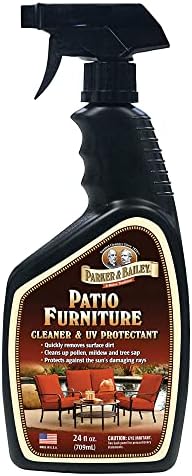
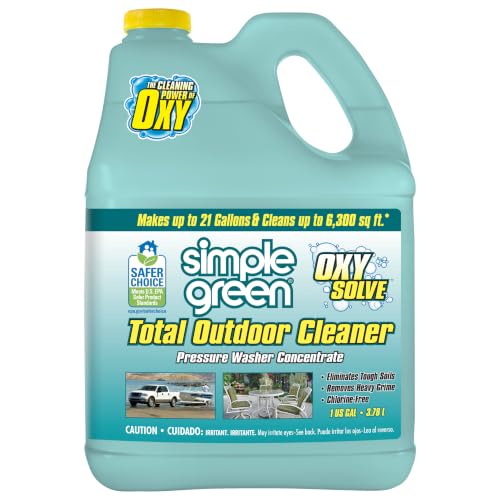
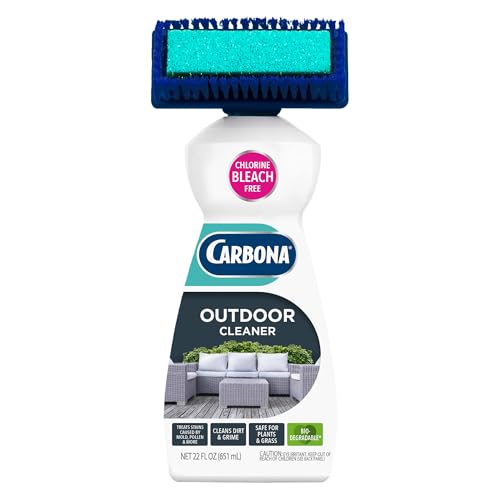
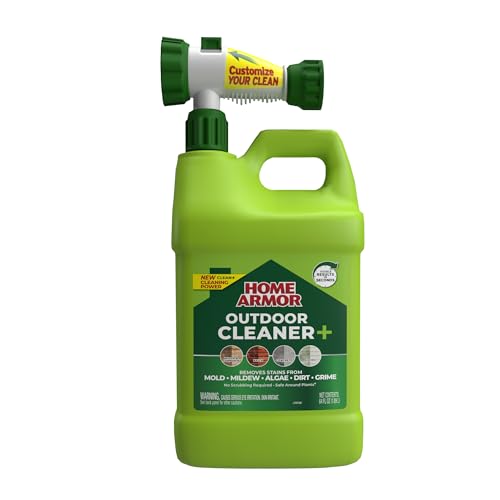
Use the comparison table below to scan formats and price tiers side by side, then read on for the detail behind each option. A cleaner that lifts fresh dirt in minutes may do little on chalky, weather worn plastic.




Who Should Buy Which Cleaner for White Plastic Chairs
Start by looking honestly at your chairs. Fresh dust and drink spills need a very different product from ground in grime that has sat through a full season outdoors.
Patio Owners Dealing With Pollen, Rain Spots, and Outdoor Grime
If your chairs live outside, your main enemies are pollen, tree sap, bird droppings, and the gray film that rain leaves behind. A spray cleaner with strong degreasing action suits you best, because you can coat a whole chair, let the formula loosen the film, and rinse it away with a hose. A concentrate you dilute yourself usually gives you the lowest cost per cleaning across a full patio set.
Families Who Need Gentle Cleaning Around Kids and Pets
If children eat snacks on these chairs and pets brush past them daily, ingredient safety matters as much as cleaning power. Choose a fragrance free formula, and look for the EPA Safer Choice label, which signals that the ingredients meet strict safety standards. Avoid harsh bleach based products for routine wipe downs, and rinse cleaned surfaces with plain water so no residue stays where small hands touch. A mild spray handles everyday crumbs, juice, and fingerprints without strong fumes in enclosed porches.
Owners Restoring Older Chairs With Deep Stains and Chalking
Older white plastic often turns dull or chalky as sunlight breaks down the surface, and stains settle into tiny pores and textured areas. For this job you need a stronger restoration style cleaner, often a gel that clings instead of running off, plus dwell time before you scrub. Set realistic expectations, because a cleaner can lift embedded dirt and brighten the color, but it cannot rebuild plastic that has become brittle.
What Your Money Gets You at Each Price Tier
Price tiers for cleaners for white plastic chairs follow a predictable pattern once you know what the extra money buys. The product table above groups options by cost, and the tiers below explain the tradeoffs behind those prices.
Budget Tier: What to Expect
Budget options, usually under $10 per bottle, are simple spray cleaners and basic concentrates meant for light, regular dirt. They handle dust, fresh spills, and mild water spots well, and they suit chairs that are new or stored indoors. The tradeoffs are weaker action on old stains, thinner formulas that run off vertical surfaces, and fewer safety certifications on the label.
Midrange Tier: More Cleaning Power and Convenience
Midrange cleaners, usually around $15 per bottle, add stronger degreasers and formulas tuned for outdoor furniture and mildew stains. Concentrates and refills become common here, which lowers your cost over a season of regular cleaning. That balance is why many shoppers searching for the best cleaner for white plastic chairs end up in the midrange tier, since it covers both routine upkeep and a spring deep clean. You also see more fragrance free choices here.
Premium Tier: When Spending More Pays Off
Premium products, often around $30 for a bottle or kit, earn their price when they restore heavily stained chairs that cheaper sprays leave gray. They may include a gel texture for long dwell time, a larger concentrate, or a bundled brush that fits chair slats and textured backs. Spending more pays off for large sets, rental properties, and event spaces where chairs must look uniformly bright.
Key Features to Compare Before You Buy
With your tier in mind, compare the features below one by one. Each one changes how well the cleaner works on white plastic, how safe it feels to use, or what each cleaning costs over time.
Format: Spray, Gel, Wipes, and Concentrate
Sprays are the most convenient format for routine cleaning, since you mist, wait briefly, wipe, and rinse. Gels cling to chair backs and legs, which gives the formula more contact time on vertical stains and makes gels better for restoration work. Wipes cost the most per use but suit quick touch ups before guests arrive. Concentrates offer the best value for large sets, because one bottle mixed with water fills many spray bottles, though you must measure carefully.
Cleaning Power Made for White Plastic Surfaces
White plastic shows two problems that darker colors hide: yellowing from sunlight and gray shadowing where dirt sits in the surface texture. A good formula lifts that embedded dirt without abrasive grit, because grit scratches plastic and each scratch traps more dirt. Check that the label names plastic or resin furniture directly, not only tile, metal, or sealed stone.
Scent and Fragrance Free Options
Added fragrance does nothing for cleaning power, and it can linger on plastic that sits in warm sun. Fragrance free options are the safer default if anyone in your home has asthma, allergies, or a simple dislike of strong chemical smells. If you prefer a scent, choose a light one and clean outdoors or with windows open.
Effectiveness on the Specific Mess in Front of You
Match the formula to the mess. Grease from sunscreen and cooking needs a degreaser, while white crusty deposits around chair feet are limescale, which needs an acidic cleaner to dissolve the mineral layer. Mildew shows as dark spots in shaded, damp corners and calls for a formula that names mildew stains on the label. Shoppers often compare this topic with our guide to the best cleaner for plastic tubs, since both surfaces show the same white mineral marks.
Ingredients and Safety Around Your Home
Read the ingredient panel before the marketing claims. Biodegradable formulas break down after rinsing onto soil or grass, which matters when you wash chairs on a lawn or driveway. Keep chair cleaners away from children and pets until surfaces are dry, and wear gloves if your skin is sensitive. If a cleaner gets in eyes or is swallowed, follow the label first aid steps and contact a medical professional or poison control right away.
Long Term Costs to Factor In
The sticker price understates what a cleaner costs across a year. A cheap spray you replace monthly can cost more than a concentrate that lasts two seasons, so divide the price by the chairs you can clean from one bottle. Refills for concentrates usually cost less than a fresh ready to use bottle.
Add the small supplies too. A dedicated brush and a spare spray bottle for diluted concentrate add a few dollars, but worn sponges only smear dirt around. When several chairs are cracked or brittle, stop spending on restoration products, since cleaning cannot restore strength, and compare replacement options in our guide to the best plastic chairs instead.
Common Mistakes to Avoid
- Using a powdered abrasive cleanser, which scratches white plastic and gives future dirt more places to settle.
- Spraying a cleaner on a hot chair in direct sun, which dries the formula before it can loosen the grime.
- Mixing a bleach based cleaner with ammonia or vinegar, which can release gases that harm your lungs.
- Skipping a small test spot on an older chair, which risks spotting or dulling plastic that has already weakened in sunlight.
- Reaching for a chair cleaner on footwear or fabric, which can damage softer materials that need gentler products.
- Storing diluted concentrate for many months, which weakens the mix and leaves you scrubbing harder for a worse result.
That footwear point deserves one extra note. Leather, mesh, and canvas need formulas made for flexible materials, and our guide to the best shoe cleaner for white shoes covers that separate job in detail.
How to Clean White Plastic Chairs and Keep Them Bright
Good technique matters as much as the product itself. Start by rinsing loose dirt off with a hose or a bucket of plain water, because scrubbing dry grit across plastic can leave fine scratches. Apply your cleaner evenly, then let it sit for the dwell time on the label, usually a few minutes.
Scrub with a soft brush or a nonabrasive sponge, working from the top down so dirty water runs away from areas you have finished. Pay extra attention to the textured seat, the frame joints, and the underside, where mildew collects. Rinse until the water runs clear and no slippery residue remains, since leftover cleaner attracts fresh dust.
Let chairs dry fully in open air before stacking them, because trapped moisture invites mildew spots. Store chairs under a cover or indoors during long wet periods, and wipe new spills the same day when possible, since fresh stains lift in seconds.
Frequently Asked Questions
What features matter most in a cleaner for white plastic chairs?
The features that matter most are a plastic safe formula, enough degreasing strength for your level of dirt, and a format that clings long enough to work. After those, look at dwell time and whether the cleaner rinses clean without residue. One point many buyers miss is the dilution ratio on concentrates, because a bottle that mixes into many gallons can beat a stronger spray on total value.
Is cleaner for white plastic chairs safe to use around kids and pets?
Cleaner for white plastic chairs is safe around kids and pets when you follow the label, rinse well, and let surfaces dry fully before anyone sits down. Choose fragrance free and EPA Safer Choice options for routine cleaning if your household is sensitive to strong ingredients. Store bottles on a high shelf or in a locked cabinet, just as you would any household chemical.
Are natural and eco friendly cleaners effective on white plastic chairs?
Natural and eco friendly cleaners are effective on white plastic chairs for fresh dirt, light grease, and regular upkeep. Plant based surfactants lift everyday grime well, and biodegradable formulas are a sound choice when rinse water reaches soil or grass. Where they can fall short is on old mildew stains and heavy chalking, which may need a stronger conventional formula.
What cleaning products should never be mixed when cleaning white plastic chairs?
Bleach based cleaners should never be mixed with ammonia or with acidic products such as vinegar when cleaning white plastic chairs. Those combinations can release gases that irritate or seriously harm your lungs and eyes. Use one product at a time, and rinse the chair with plain water before switching products. If you feel chest tightness or burning eyes, move to fresh air at once and seek medical help if symptoms continue.
How often should you use cleaner on white plastic chairs?
You should use cleaner on white plastic chairs about once a month during outdoor use, and less often for chairs kept indoors or under cover. Between deep cleans, plain water and a cloth handle most dust and fresh spills, which saves product and reduces wear on the surface. Time a deeper clean just before storing chairs for winter, because dirt left in place for months sets deeper into the texture.
Final Thoughts
The right choice comes down to three things: the condition of your chairs, the type of dirt you face most, and how much you value safety focused ingredients over raw strength. Budget sprays cover light upkeep, midrange concentrates cover most homes, and premium gels earn their keep on tired, stained sets. Check the product table above with those points in mind, and the best cleaner for white plastic chairs for your home will be the one that fits your budget and your routine.