Best Cleaner for Textured Tubs: Every Type Explained Side by Side for 2026
Disclosure: We may earn a commission when you buy through links on this page, at no extra cost to you. As an Amazon Associate I earn from qualifying purchases. Learn more

Grooves in a textured tub trap soap scum and scale. Compare natural, heavy duty and everyday formulas to pick the best cleaner for textured tubs for your home.
A textured tub floor grips your feet in the shower, but those same tiny grooves grip soap scum, body oils, and mineral deposits just as well. Smooth surface cleaners often skate over the texture and leave a gray film behind in the low spots. Choosing the best cleaner for textured tubs means matching the formula type to your soil, your tub material, and how much scrubbing you are willing to do.
The options fall into four broad types, and each one wins in a different situation. This guide compares the types side by side, explains what separates a strong textured surface formula from a weak one, and shows how to judge cost and safety before you buy. Start with the comparison table below, then read on for the detail behind each type.

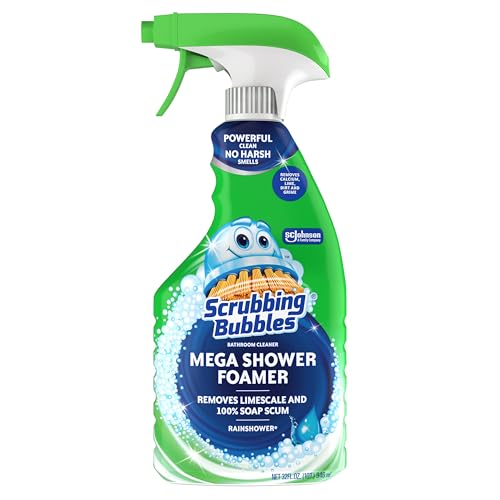

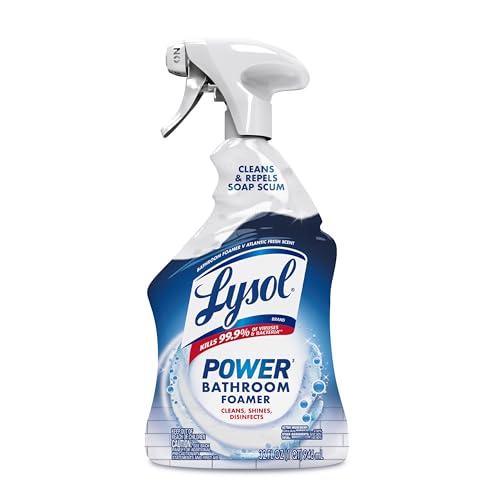


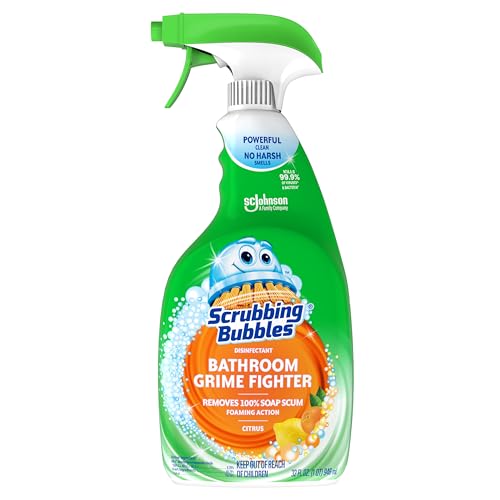
Types of Cleaners Compared
No single formula handles every textured tub equally well, because the soils differ. Fresh soap film wipes away easily, while limescale bonded into the grooves needs chemistry that can dissolve minerals, and ground in dirt needs a formula that clings long enough to loosen it. The four types below cover the full range, from gentle daily upkeep to rescue jobs on a neglected tub. As you read, note which soil you fight most often, since that decides the type more than any label claim.
Natural and Eco Friendly Options
Plant based and mineral based cleaners rely on ingredients such as citric acid, plant derived surfactants, and mild abrasives like baking soda style powders. Citric acid is the quiet star here, because it dissolves light limescale and soap scum without harsh fumes. Look for the EPA Safer Choice label if you want a quick signal that a formula passed a government ingredient review.
These options suit households that clean often and never let deposits build up for months. Their weakness is patience: heavy scale or dark grout line staining usually needs a longer dwell time and a second application. Many are also biodegradable and fragrance free, which matters if strong scents bother anyone in the home.
Heavy Duty Formulas
Heavy duty formulas use stronger acids or alkaline builders to break down limescale, rust tinting, and scum that has hardened over months. Gels and thick foams in this group cling to textured slopes instead of running off, so the active ingredients keep working inside the grooves where a thin spray would drain away. That cling time is exactly what a neglected textured floor needs.
The trade off is care in handling. These products demand gloves, ventilation, and a careful check that the formula suits your tub material, since strong acids can dull some finishes. Choose this type when lighter cleaners have already failed, and treat it as an occasional rescue step rather than your weekly routine.
Concentrates and Refills
A concentrate arrives as a small bottle or pod that you dilute with water in a spray bottle you already own. The cleaning chemistry is similar to everyday sprays, but you pay for far less water and plastic. Dilution strength is the key variable: a stronger mix tackles scum in the texture, while a weaker mix handles routine wipe downs.
Concentrates reward buyers who clean on a schedule and want a low cost per use. The risk is sloppy measuring, because a mix diluted too weak will disappoint on textured surfaces. If your tub soil is severe, start with the strongest ratio the label allows, then step down once the surface is back under control.
Everyday Cleaners
Everyday sprays and foams are built for frequent, quick cleaning rather than deep restoration. You spray, wait a few minutes, scrub lightly with a soft brush, and rinse. Their formulas target fresh soap film and body oil before either can bond into the texture, and many promise a streak free rinse on acrylic and fiberglass.
This type fits busy households willing to clean weekly in exchange for never facing a heavy scrub session. It will not rescue a tub with months of scale, so be honest about your starting point. Some everyday formulas also disinfect, which appeals to families sharing one bathroom, though disinfecting claims require the full label dwell time to count.
Natural and Eco Friendly Options vs Heavy Duty Formulas: Which Should You Choose?
These two types sit at opposite ends of the strength scale, so compare them on the points that actually differ. On cleaning power, heavy duty formulas win clearly against old limescale and set in staining. On surface safety, natural options are gentler on acrylic and fiberglass finishes and safer around worn or refinished coatings. On fumes and handling, natural products usually need no gloves and little ventilation, while heavy duty products need both.
Cost runs closer than you might expect, since a heavy duty gel used twice a year can outlast a gentle spray used weekly. Frequency decides the winner: if you clean every week, go natural and stay ahead of buildup. If the tub is already rough and gray in the grooves, start heavy duty once, then maintain with the gentler type. Many households keep both, using each for the job it does best.
How to Choose the Right Cleaner
Type alone is not the whole decision. The sections below cover the four checks that separate a good match from a wasted bottle: true cost, scent, the features texture demands, and the specific mess in your tub. If you are also shopping for a smooth tub elsewhere in the house, see our guide to the best cleaners for tubs for the broader category.
Cost per Use and Value
Shelf price misleads, so divide the bottle price by the number of cleanings it realistically delivers. A large ready to use spray at around $6 that covers eight full tub cleanings costs more per session than a concentrate at about $12 that mixes twenty bottles. Heavy duty gels look pricey per ounce, yet a single rescue application can replace three failed attempts with a cheap spray.
Also count your time and brushes as part of value. A formula that works with a five minute dwell and a light scrub saves real effort on a textured floor, where weak products force long scrubbing sessions that wear you out and still leave film behind.
Scent and Fragrance Free Options
Bathrooms are small and often poorly ventilated, so scent strength matters more here than anywhere else in the house. Fragrance free formulas suit people with migraines, asthma, or simple scent sensitivity, and they are common in the natural category. Note that fragrance free and unscented are not identical claims: unscented products may include masking scents, while fragrance free means no added fragrance ingredients.
If you prefer a scent, citrus and herbal profiles tend to read as clean without lingering heavily. Whatever you choose, ventilate the room during and after cleaning, because even mild formulas release vapors while they work on warm, wet surfaces.
Features That Matter for Textured Tubs
Texture changes what a cleaner must do. The formula needs cling, from a gel, foam, or cream consistency, so it stays in the grooves instead of pooling at the drain. It needs dwell friendly chemistry that keeps working for five to fifteen minutes without drying out. And it must be non abrasive or only mildly abrasive, because stiff grit can wear down the very texture that keeps the floor slip resistant.
Material compatibility is the other half of the check. Many textured floors are acrylic, fiberglass, or molded plastic, and strong acids or solvents can cloud them. If your textured surface is a plastic tub or insert, see our guide to the best cleaner for plastic tubs for material specific cautions before you buy.
Effectiveness on the Specific Mess
Name your main soil before you shop. Soap scum, a mix of soap residue, body oil, and hard water minerals, responds well to surfactant rich sprays and mild acids. Limescale, the chalky white crust from hard water, needs an acidic formula, since alkaline cleaners barely touch it. Pink or dark staining in the grooves points to mildew growth in trapped moisture, where a disinfecting formula and thorough drying help most.
Mixed messes are common in family bathrooms, and that is where sequencing matters. Use the scale remover first, rinse fully, then follow with your everyday cleaner on another day. Never layer two different products at once to chase a mixed mess, for reasons the safety section below explains.
Cleaning Technique and Care Tips
Technique decides how much of a formula promise you actually get. Wet the surface first so the cleaner spreads evenly, apply it generously into the texture, and respect the full dwell time on the label instead of scrubbing early. Work with a soft bristle brush or a melamine style sponge using small circles, which reach into grooves better than a flat cloth. Rinse with plenty of warm water, because cleaner residue left in texture attracts fresh soil faster.
Safety rules stay the same across every type. Always read the label and test on a small hidden area first, especially on refinished tubs. Never mix bleach with ammonia or acids, since the combination releases toxic gas. Ventilate the room while cleaning, store bottles upright and away from children, and rinse brushes after use so grit does not scratch the surface next time.
One more boundary matters: a plain textured tub cleaner is not the right tool for every water filled fixture. Jetted and outdoor tubs circulate water through internal plumbing that needs its own approach, so see our guides to the best cleaner for jacuzzi tubs and the best cleaner for hot tubs if that is the fixture you own.
Cleaners for Textured Tubs: Your Questions Answered
What features matter most in a cleaner for textured tubs?
Cling matters most, because a gel or foam that stays in the grooves gets the dwell time needed to loosen bonded soil. After that, look for chemistry matched to your soil, a non abrasive formula that protects the texture, and clear material compatibility on the label. One extra point worth checking: a bottle with a foam trigger or an angled neck makes it far easier to coat the far slope of the tub evenly.
Is a cleaner for textured tubs safe to use around kids and pets?
A cleaner for textured tubs is safe around kids and pets when you follow the label, rinse the surface thoroughly, and let it dry before anyone bathes. Keep children and animals out of the room while the product dwells, and store bottles locked or out of reach. For extra caution, many families choose fragrance free Safer Choice labeled formulas for the tub children use daily.
Are natural cleaners as effective on textured tubs?
Natural cleaners are as effective as conventional ones on fresh scum and light scale, provided you give them a longer dwell time. Citric acid based formulas genuinely dissolve mineral deposits, just more slowly than strong mineral acids. Where they fall short is old, thick limescale and deep staining. In those cases, do one heavy duty reset, then let the natural product handle weekly upkeep.
What cleaning products should never be mixed when cleaning a textured tub?
Never mix bleach with ammonia or with any acidic cleaner, including vinegar and many limescale removers, because the reactions release toxic gases. Also avoid layering two different tub cleaners in the same session, even without bleach, since fumes and surface damage become unpredictable. If one product disappoints, rinse the tub completely with water and wait until the surface is dry before trying another.
How often should I clean a textured tub?
Clean a textured tub lightly once a week so soil never bonds into the grooves. A quick spray, short dwell, and soft brush pass takes only minutes when done weekly, while monthly cleaning usually demands a long soak and hard scrubbing. Households with hard water or several daily showers may benefit from a midweek rinse and squeegee style wipe of the floor texture to slow scale between cleanings.
Final Thoughts
Choosing well comes down to three checks: match the type to your soil, confirm the formula clings and suits your tub material, and judge value by cost per use rather than shelf price. Weekly cleaners can stay gentle, while neglected texture earns one careful heavy duty reset. Use the product table above to compare your shortlist, and the best cleaner for textured tubs for your home will be the one whose type fits the mess you actually have.