Best Cleaner for Jacuzzi Tubs: A First Time Buyer's Guide for 2026
Disclosure: We may earn a commission when you buy through links on this page, at no extra cost to you. As an Amazon Associate I earn from qualifying purchases. Learn more

Shopping for the best cleaner for jacuzzi tubs? Compare jetted tub cleaner types, surfaces, and scents, and learn safe first use steps for a clean bath.
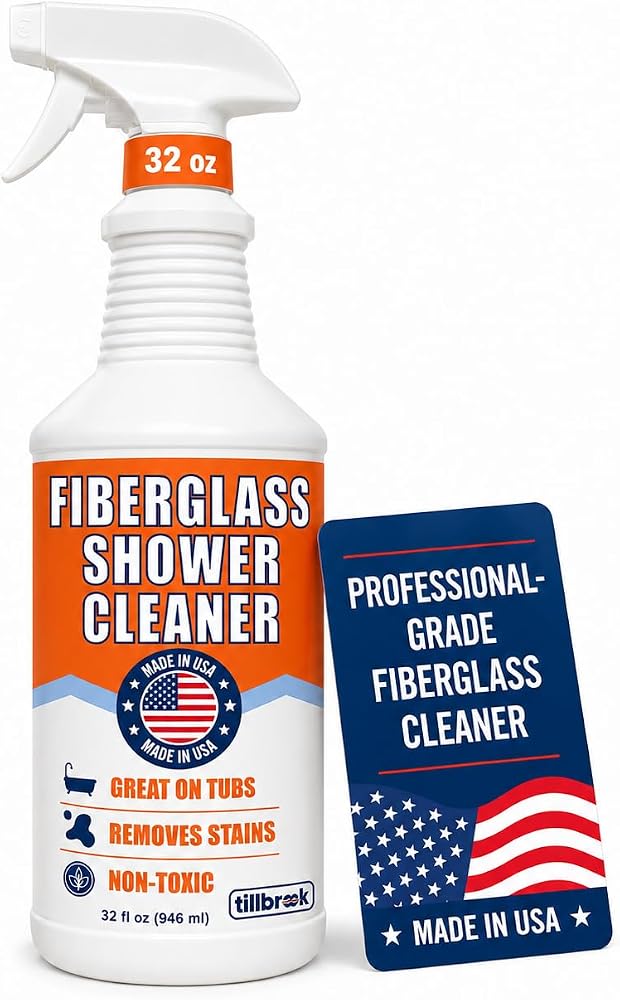
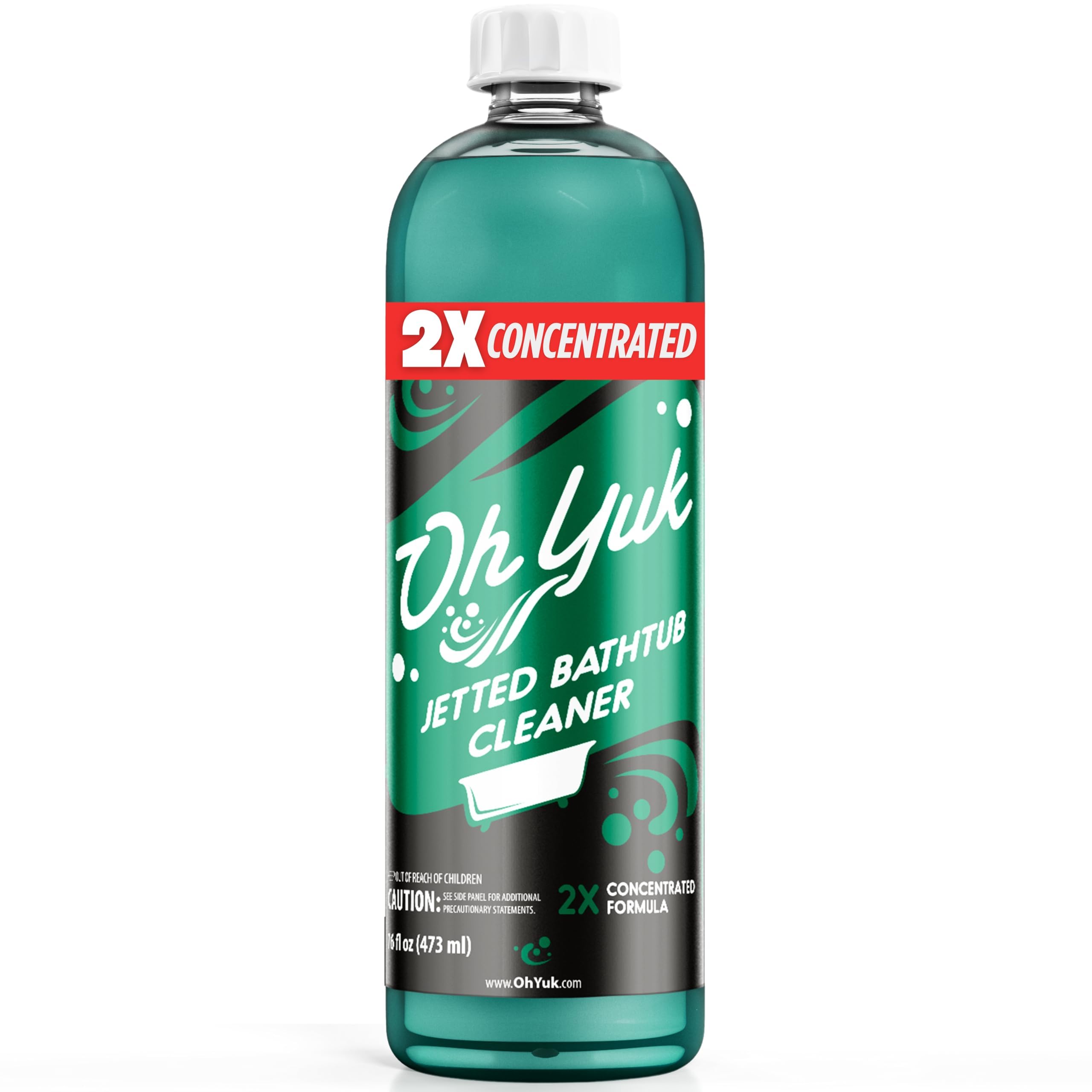
Choosing the best cleaner for jacuzzi tubs for the first time is simpler once you know what a jetted tub adds to the job. Jets, air channels, and a warm bathroom change how dirt builds up and how a cleaner should be used, and this beginner guide moves from plain terms to a confident choice. The comparison table below sets out the main cleaner types so you can see the tradeoffs before you buy.
A jacuzzi tub is a bath with jets, not just a large basin, so body oils, bath products, and soap residue collect in places a plain tub does not have. Residue can sit around jet openings, in crevices, and along the water line, and a cleaner that works on a flat surface may miss those spots. The goal is a formula that cleans the shell and the jet area safely, rinses away fully, and leaves the tub ready for a comfortable bath.




Cleaners 101: The Basics
A jacuzzi tub cleaner is a consumable product for washing the shell, the jet surrounds, and other reachable parts of a jetted bath. Most formulas clean through surfactants that lift oils and soap film so you can wipe them away, while descaling formulas dissolve mineral deposits left by hard water. Some formulas also disinfect a surface, which is useful for the shell, yet surface disinfection is not a substitute for the regular cleaning and water care routine your tub maker recommends.
Labels use a few terms worth learning. A concentrate is a strong liquid you mix with water, so a small bottle can last for many baths worth of cleaning. A ready to use spray needs no mixing and suits a quick wipe after a bath.
A gel clings to curved walls and vertical jet surrounds instead of running straight down the drain. Fragrance free means no added perfume, which helps in a steamy bathroom, and biodegradable means the formula breaks down more readily after rinsing, although you should still follow local disposal rules.
Cleaning a jetted tub has two layers. The visible layer is the shell, the rim, and the jet faces, which you can wipe by hand. The hidden layer is the inside of the jet system, which needs its own flush product and a different routine, so do not expect a shell spray to clean inside the pipes. This guide focuses on the shell cleaner you buy first, and the FAQ section notes how the jet flush fits into the wider routine.
Key Specs Explained in Plain English
Label specs on the best cleaner for jacuzzi tubs sound technical, but each one answers a simple question about your bath. Read them as a short checklist: will it clean your mess, will it suit your shell, what does each bath worth of cleaning cost, and will the scent bother you in steam. The sections below take those questions one at a time.
Features That Matter for Jacuzzi Tubs
A jetted tub needs a cleaner that reaches jet surrounds and curved corners without harming seals and finishes. A gel or a foaming spray that clings helps here, because a thin liquid runs off a curved jet face before it can work. Check that the label mentions acrylic or fiberglass, plus any guidance for jet trims and rubber seals, since a harsh formula can dull trims over time. A clean rinse matters too, because leftover cleaner can foam when the jets run next, and that foam is a sign to rinse more thoroughly rather than to add more product.
Effectiveness on the Specific Mess
Different messes need different strengths, so name your main mess before you shop. Soap scum and bath oils leave a dull film on the shell and around the jets, and a surfactant based cleaner lifts that film with normal wiping. Hard water leaves chalky scale on fittings and at the water line, and that calls for a descaling formula used as directed.
Stains from bath additives may need a longer contact time rather than harder scrubbing, so let the cleaner sit for the time on the label. Regular light cleaning prevents most stubborn buildup, which is the cheapest way to keep a jetted tub looking good.
Cost per Use and Value
Value means cost per cleaning session, not just the price of the bottle. For a concentrate, divide the bottle price by the number of diluted batches the label promises, and for a spray, judge how many baths one bottle covers in your home. A bottle priced at about $10 to $20 can be good value if it lasts for months of weekly wipes, while a premium spray may still be worth it if a small amount covers the whole shell. Track your first bottle: note the purchase date and the date it runs out, and you will know the true cost before you buy again.
Ingredients and Safety
Ingredients decide both cleaning power and household safety, so read that part of the label with care. Formulas without bleach suit many acrylic shells and are gentler around children and pets, although any cleaner still needs storage out of reach and a full rinse before bathing. An EPA Safer Choice mark signals that the maker has met a set of safety criteria, which can help you shortlist options, yet it does not remove the need to follow directions. Keep the bathroom ventilated while you clean, wear gloves if the label advises them, and never combine products to chase a stronger result.
Surface Compatibility
Most jacuzzi tubs use acrylic or fiberglass, but trims, drains, and surrounds vary, so one bottle rarely suits everything in the room. A non abrasive formula protects the shell from fine scratches, while a gritty paste can mark a glossy finish and trap dirt in the scratches. Chrome or stainless trims need a formula that will not stain metal, and tile or stone surrounds need their own cleaner, since a tub formula may be wrong for grout or natural stone. Try any new cleaner on a small hidden area, such as behind a jet trim or low on the shell, and check the result before a full clean.
Scent and Fragrance Free Options
Steam magnifies scent, so a fragrance that seems mild in the shop can feel strong in a hot bath. If you or a family member is sensitive to perfume, a fragrance free cleaner is the safer starting point, and it still cleans well because scent adds nothing to cleaning power. Light natural scents suit some buyers, yet they should fade after rinsing rather than linger in the bathroom. After cleaning, run the fan, leave the door ajar, and let the tub air before bathing, so any remaining scent clears and the shell dries fully.
Rookie Mistakes to Avoid
- Spraying a shell cleaner into the jets and expecting it to clean the pipes, when jet interiors need a separate flush routine.
- Using an abrasive pad on acrylic, which leaves scratches that catch soap film and scale.
- Leaving cleaner on the shell without rinsing, which can foam at the next bath and irritate skin.
- Mixing bleach with another cleaner or an acid, which can release harmful fumes.
- Cleaning the shell but ignoring the rim, jet faces, and drain area, where residue gathers first.
Getting Started: Setup and First Use
Read the full label before the first use, and set out a soft cloth, a non scratch sponge, and clean rinse water. Note the dilution rate, the contact time, and the surfaces the formula suits, and always read the label and try the cleaner on a small area first, such as a low corner of the shell. That check protects a new finish and shows whether the scent or strength suits you before you commit to the whole tub.
Clean one section at a time, starting with the water line and jet surrounds, and let the cleaner sit for its stated time instead of scrubbing harder. Rinse each section fully, wipe the rim and drain area, and leave the tub to air with the bathroom fan running. Never mix bleach with ammonia or acids, and keep children and pets out of the bathroom while you work and until rinsing is complete. Store the bottle with its lid closed, away from children and pets, and follow maker guidance for storage and disposal.
For wider context, see our guide to best cleaners for tubs for plain tub cleaning, and see our guide to best jacuzzi tubs if you are still comparing jetted models. A combined indoor and outdoor setup may also call for our guide to best jacuzzi hot tubs, and if an outdoor tub is your main concern, see our guide to best cleaner for hot tubs for that routine.
FAQs
What features matter most in cleaners for jacuzzi tubs?
The features that matter most are cling around jets, shell compatibility, a full rinse, and a scent you can tolerate in steam. A gel or foaming formula that stays on curved jet faces will clean better than a thin spray that runs off. Add a clear label for acrylic and for seal materials, plus a dilution rate you can follow without guesswork. Extra claims about shine or polish matter less than those four basics, so judge a bottle on them first.
What should never be mixed together?
Never mix bleach with ammonia or acids, because that mix can release harmful gases into a small bathroom. Do not mix two cleaners together either, since the combination may damage seals or leave a film that foams at the next bath. Use one product, rinse it away fully, and only then use another if the routine calls for it. When labels disagree or you are unsure, contact the maker rather than experimenting in your own tub.
How often should I use it?
Wipe the shell and jet faces after every few baths, and give the tub a fuller clean each month in a household that bathes often. A tub used once a week needs less frequent wiping than a tub used daily, so let the water line and jet surrounds guide you rather than a fixed date. A jet system flush follows its own schedule in the maker manual, often every few months, and that routine sits alongside shell cleaning rather than replacing it.
Is it safe to use around kids and pets?
It is safe when the label is followed, the shell is rinsed fully, and the bottle is stored where children and pets cannot reach it. Keep kids and pets out of the bathroom during cleaning, and wait until rinsing is done and the tub has aired before anyone bathes. A fragrance free formula helps sensitive household members, and gloves protect your hands during a longer clean. If cleaner is swallowed, follow the first aid steps on the label and seek help at once.
Are natural cleaners as effective?
Natural cleaners work well for routine wiping of soap film and fresh bath oils, especially when used after every few baths. They may need more contact time or repeat wiping on hardened scale, where a descaling formula is the faster tool. Judge the result on your own shell: if weekly wiping keeps the water line and jet faces clean, the natural option is doing its job. For a tub that has sat unused for months, start with a targeted formula and switch to the gentler option for upkeep.
The Bottom Line
Pick by three checks: does it cling and clean around jets, does it suit your shell and seals, and does it rinse away without foam or lingering scent. A gentle routine cleaner, used on schedule, will keep most jetted tubs in good shape, with a descaling option kept ready for hard water marks. Check the product table above against your bathroom routine, then choose the best cleaner for jacuzzi tubs that you will use regularly. Steady, simple cleaning beats a rare deep scrub every time.