
Best Cleaner for Hot Tubs in 2026: Everything to Know Before Your First Purchase
Disclosure: We may earn a commission when you buy through links on this page, at no extra cost to you. As an Amazon Associate I earn from qualifying purchases. Learn more

Shopping for the best cleaner for hot tubs? Compare cleaner types, surfaces, scents, and costs, and learn safe first use steps for a clean outdoor tub.
Buying the best cleaner for hot tubs for the first time can feel confusing, because the shelf holds sprays, gels, concentrates, and wipes that all promise a sparkling shell. This guide starts with the basics, explains the terms in plain language, and then walks you through choosing a cleaner that fits your tub, your routine, and your budget. The comparison table below can help you weigh the main cleaner types side by side before you decide.
An outdoor hot tub is not a bathtub, and it is not a swimming pool either. Warm water, body oils, sunscreen, leaves, and mineral deposits build up on the shell, around the water line, and inside the filter area, so a cleaner made for a kitchen counter may be too harsh, too weak, or simply wrong for the job. The right choice cleans without dulling the surface, upsetting the water balance, or leaving a film that returns the next time you soak.


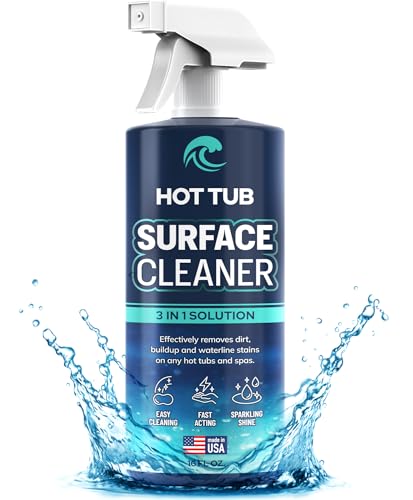
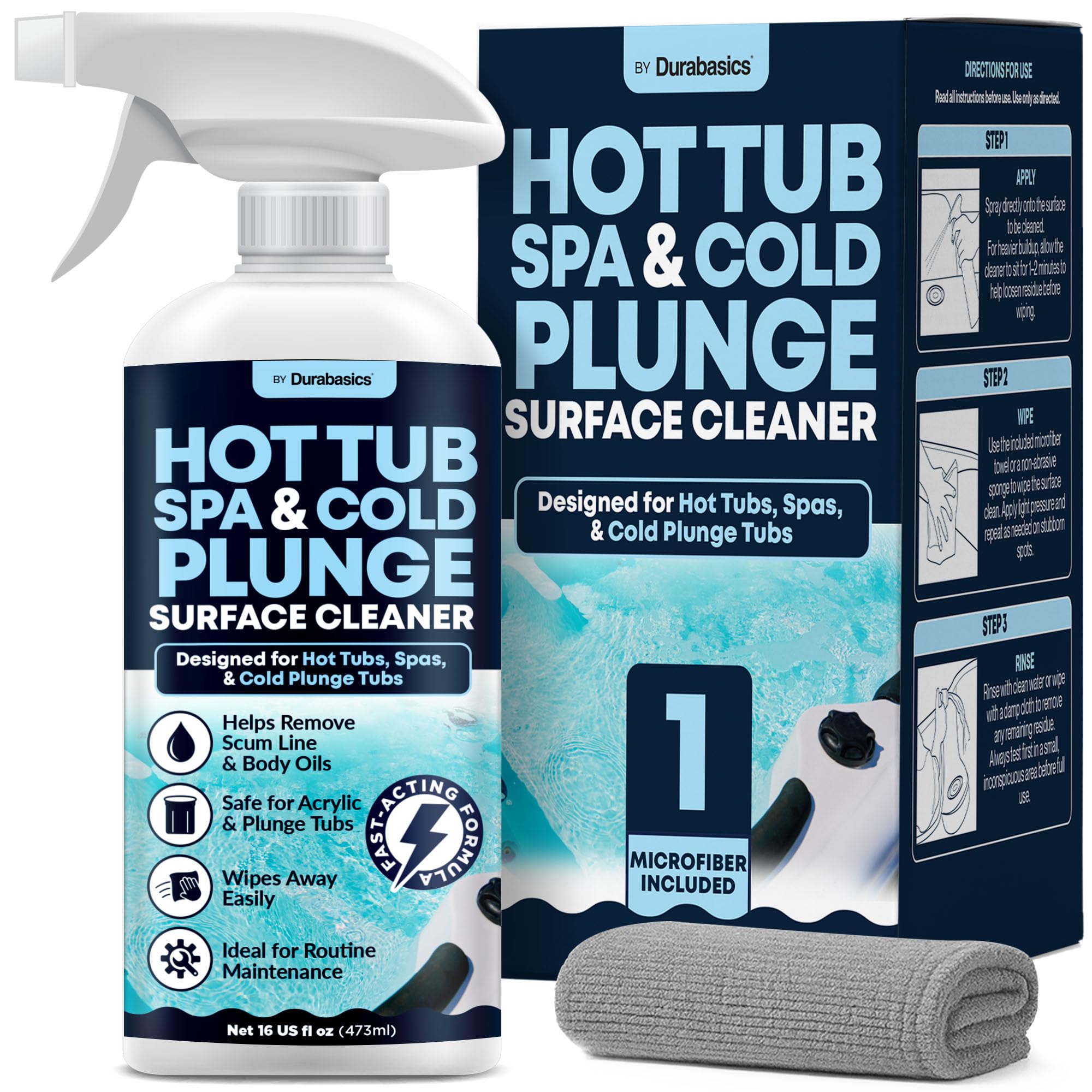

Cleaners 101: The Basics
A hot tub cleaner is a consumable product you use to remove grime from the shell, the water line, the cover, and other reachable surfaces. Most cleaners work in one of three ways. A surfactant lifts dirt and oils so you can wipe them away.
A mild abrasive or a descaling agent loosens mineral scale and stubborn marks. A disinfecting formula reduces germs on a surface, although it does not replace the sanitizer you use in the water itself.
Three terms show up again and again on labels. A concentrate is a strong liquid you dilute with water, so one bottle lasts for many cleaning sessions. A ready to use spray is already diluted and is handy for quick wipe downs.
A pH balanced formula is made to sit near neutral, which matters because a very acidic or very alkaline cleaner can stress some shell finishes and can make rinsing harder. Read the label for the surface it suits, the contact time it needs, and whether it must be rinsed fully before the tub is refilled or used.
Think of the best cleaner for hot tubs as covering two jobs. Routine cleaning keeps the water line, the headrests, and the steps tidy after regular use. Deep cleaning tackles scale, scum, and buildup that routine wiping has missed, often during a drain and refill. A first time buyer does well to start with one gentle routine cleaner and one stronger option for the water line, rather than buying a whole shelf of specialty bottles at once.
Key Specs Explained in Plain English
The specs on a cleaner label are less mysterious than they look. Each one answers a practical question: what mess does it remove, what surface can it touch, how much does each use cost, and how pleasant is it to live with. Work through the factors below in order, and you will narrow the choice quickly.
Features That Matter for Hot Tubs
Hot tubs ask more of a cleaner than a plain tub does, because warm water speeds up the buildup of oils, lotions, and minerals. Look for a formula made for acrylic or fiberglass shells, with clear guidance for the water line where scum collects. A cleaner that clings as a gel can be useful on vertical walls, while a spray suits flat ledges and steps.
Check that the label states it rinses clean, since residue left in the tub can foam when the jets run or can throw off water care. If you use a cover, confirm the cleaner also suits vinyl, or keep a separate cover cleaner for that job.
Effectiveness on the Specific Mess
Match the cleaner to the mess you actually see. Body oils and sunscreen leave a greasy ring at the water line, and a degreasing surfactant handles that well. Hard water leaves white or chalky limescale, and that needs a descaling formula rather than a general spray.
Algae or slime in a neglected tub needs a thorough drain, scrub, and rinse, plus a check of your water care routine, not just a stronger bottle. For everyday use, a gentle cleaner used often beats a harsh cleaner used rarely, because it stops buildup before it hardens.
Surface Compatibility
Shells, steps, and fittings are not all the same material, so surface compatibility deserves a careful read. Acrylic shells usually tolerate mild non abrasive cleaners, while a gritty scouring formula can leave fine scratches that catch dirt later. Stainless steel fittings need a formula that will not pit or stain the metal, and glass or plastic panels need a streak free finish.
The cabinet and surround of your tub may include stone, tile, or wood, and those need their own care, so do not assume one bottle suits every surface. When in doubt, try the cleaner on a small hidden area first and wait for the result before cleaning the whole shell.
Cost per Use and Value
The price on the shelf tells only part of the story, so work out the cost per use before you compare bottles. Divide the bottle price by the number of cleaning sessions it should give you, using the dilution rate on the label for a concentrate. A bottle that costs about $15 to $25 may still be good value if it dilutes to many sessions, while a cheap ready to use spray can cost more over a season if you spray freely.
Wipes look convenient, yet a pack can run out fast on a large tub, so reserve them for quick touch ups. Keep a note of how many sessions each bottle lasts, and your second purchase will be an informed one.
Scent and Fragrance Free Options
Scent matters more in a hot tub than in most rooms, because warm water and steam carry fragrance straight to your face. A strong floral or citrus scent may smell pleasant in the bottle yet feel heavy during a soak, and fragrance can linger on the cover and headrests. If anyone in your household is sensitive to scent, choose a fragrance free formula and rinse well after cleaning.
Unscented does not mean weak, since cleaning power comes from the active ingredients rather than the perfume. Try a small bottle first if you are unsure, and let the tub air before you climb in.
Eco Friendly Packaging
Eco friendly packaging is about less waste, not just a green label. Refill pouches use less plastic than a new spray bottle each time, and a concentrate in a small bottle cuts packaging and shipping weight. Biodegradable formulas break down more readily after rinsing, which matters when rinse water reaches drains or garden areas, so follow local disposal rules and never pour leftover cleaner where it does not belong.
Check whether the bottle itself can be recycled in your area, and whether the maker offers a refill option you will actually use. A refill system only helps if you keep the original bottle and use it.
Rookie Mistakes to Avoid
- Using a household bathroom cleaner on the shell, which can be too harsh for acrylic and can leave residue that foams in the jets.
- Scrubbing with a rough pad, which can scratch the finish and make future dirt harder to remove.
- Skipping the rinse, which leaves cleaner in the tub and can upset water care and irritate skin.
- Mixing products to boost cleaning power, which can create harmful fumes and damage surfaces.
- Cleaning only the water line and ignoring the filter area, steps, and cover, where grime builds up quietly.
Getting Started: Setup and First Use
Start by reading the whole label, even if the bottle looks familiar. Note the surfaces it suits, the dilution rate, the contact time, and the rinse instructions, and gather a soft cloth, a non scratch sponge, and a bucket of clean water before you begin. Always read the label and try the cleaner on a small area first, especially on a new shell finish or a repaired patch, so a bad reaction shows up in one hidden spot rather than across the whole tub.
Work in sections, starting at the water line and moving around the shell, and give the cleaner its stated contact time instead of scrubbing harder. Rinse each section fully with clean water, and wipe the steps, headrests, and cover edges while you are at it. Never mix bleach with ammonia or acids, and keep the area ventilated while you work, even outdoors, by leaving the cover open and stepping back for fresh air. Store cleaners away from children and pets, with lids closed, and follow the maker guidance for storage and disposal.
For related reading, see our guide to best cleaners for tubs when you want a broader view of tub cleaning, and see our guide to best ranked hot tubs if you are still comparing tub styles. If your tub sits outside year round, see our guide to best outdoor hot tubs for weather and cover care, and if a jetted indoor tub is also in your home, see our guide to best jacuzzi hot tubs for the differences in that setup.
Cleaners: Your Questions Answered
What features matter most in cleaners for hot tubs?
The features that matter most are shell compatibility, cling on vertical surfaces, a clean rinse, and a formula matched to your main mess. A cleaner that suits acrylic, stays put on the water line, and rinses without foam will serve most first time buyers well. Beyond those basics, look for a clear dilution rate if you buy a concentrate, and a scent level you can live with during a soak. Skip extras such as polish or shine claims until the cleaning itself is right.
How often should I use it?
Use a routine cleaner as often as your tub sees use, which for many households means a quick water line wipe each week and a fuller clean each month. A tub used daily by several people will need more frequent attention than a tub used once a week by one person. Watch the water line rather than the calendar, since a visible ring is your best prompt. A deep clean fits naturally into a drain and refill, which many owners do every few months depending on use and water care.
Is it safe to use around kids and pets?
It is safe when you follow the label, rinse fully, and store the bottle where children and pets cannot reach it. Keep kids and pets away while you clean, and do not let them enter the tub until every surface has been rinsed and the water care is back in balance. Fragrance free formulas can help sensitive noses, and a small patch on the shell can reveal a problem before a full clean. If a child or pet swallows cleaner, follow the first aid guidance on the label and seek help right away.
Are natural cleaners as effective?
Natural cleaners can be effective for light, regular cleaning, especially plant based surfactants on oils and fresh scum. They may work more slowly on hardened limescale or long neglected buildup, where a descaling formula earns its place. The honest measure is your own tub: use the natural option weekly, and if the water line stays clean with normal wiping, it is doing its job. For a first deep clean after a long gap, a stronger targeted formula may save time and scrubbing.
What should never be mixed together?
Never mix bleach with ammonia or acids, since that combination can create harmful gases. The same caution applies to mixing any two cleaners in the hope of stronger results, because the mixture may damage the shell or leave a residue that foams. Use one product at a time, rinse fully between products, and ventilate the area while you work. If you are unsure whether two products are compatible, check both labels or contact the maker before you combine them.
The Bottom Line
The best choice comes down to three criteria: a formula that suits your shell, a cleaner matched to your main mess, and a cost per use you are happy to repeat. Start gentle, clean often, and keep a stronger water line option ready for scale and stubborn rings. Review the product table above once more, compare the cleaner types against your tub and your routine, and pick the best cleaner for hot tubs that you will actually use on schedule. A clean tub rewards steady care far more than a single heroic scrub.


