
Best Cleaner for Fiberglass Bathtubs: A Buyer Checklist for 2026
Disclosure: We may earn a commission when you buy through links on this page, at no extra cost to you. As an Amazon Associate I earn from qualifying purchases. Learn more
Choose the best cleaner for fiberglass bathtubs with a checklist on surface safety, stain removal, scent, cost per use, and eco friendly packaging.
Choosing the best cleaner for fiberglass bathtubs starts with one fact: fiberglass is softer than porcelain or enamel, so a formula that works well on a hard surface can dull or scratch a fiberglass tub. The comparison table below lists the main types side by side, but the checklist in this guide helps you judge any formula before you buy it. Focus on surface safety first, then stain removal, scent, and cost per use.
Fiberglass tubs collect soap scum, hard water marks, body oils, and mildew in corners and around drains. A good cleaner should lift those deposits without harsh scrubbing, rinse cleanly, and leave no chalky film. If you need a stronger product for a stained tub, look for clear label directions for fiberglass and a short contact time, not a promise of instant results.

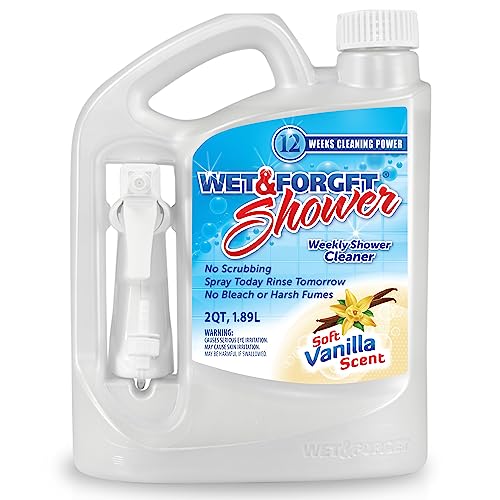


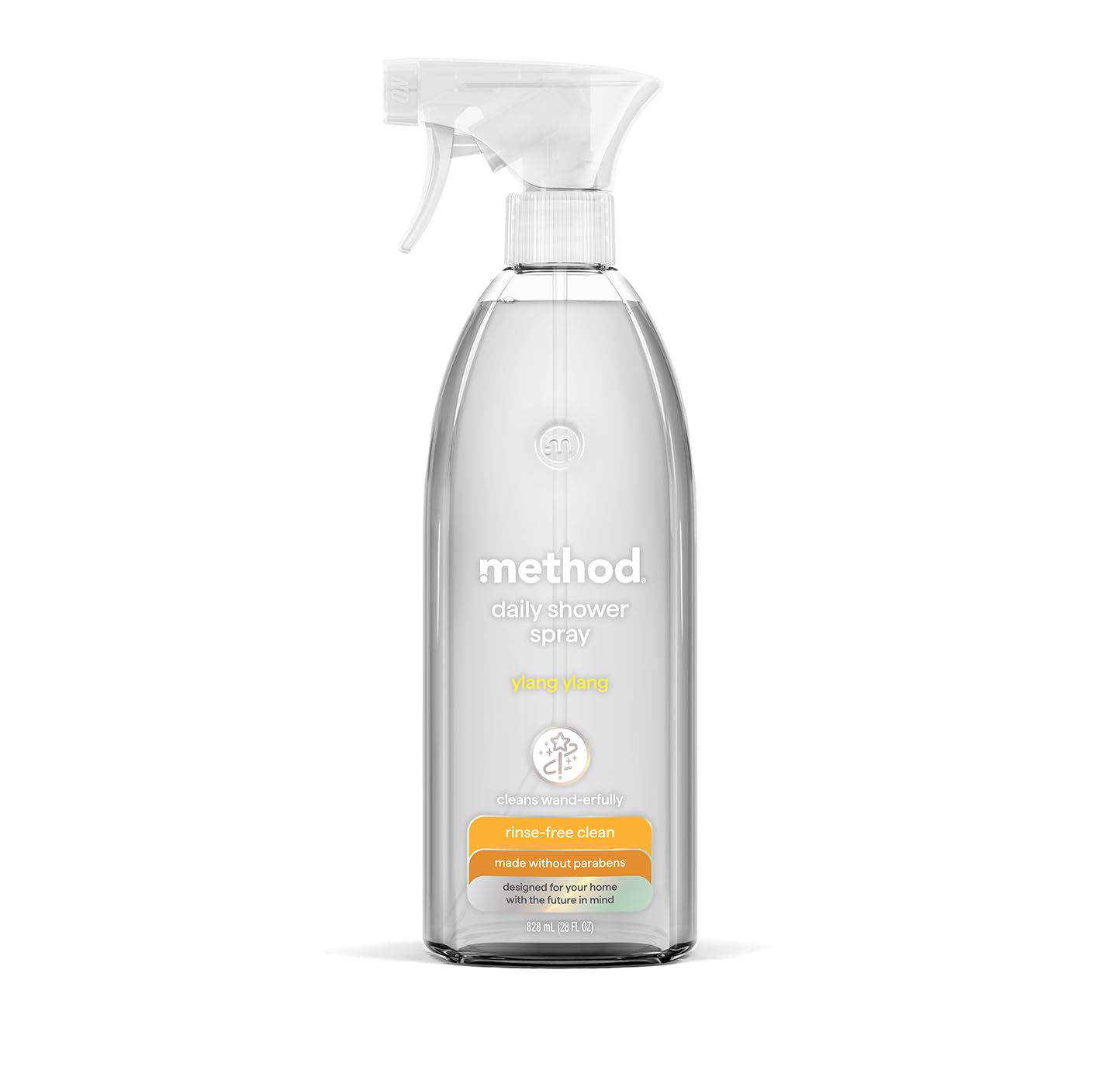


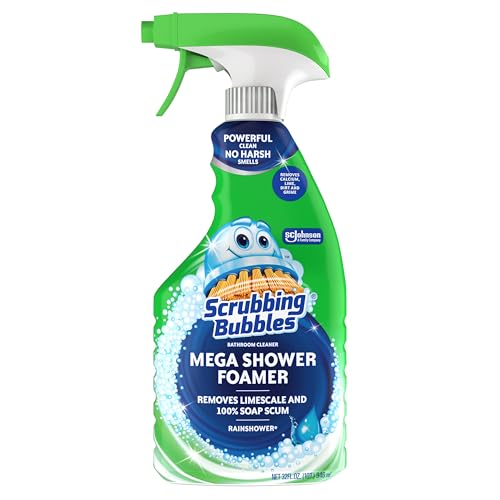
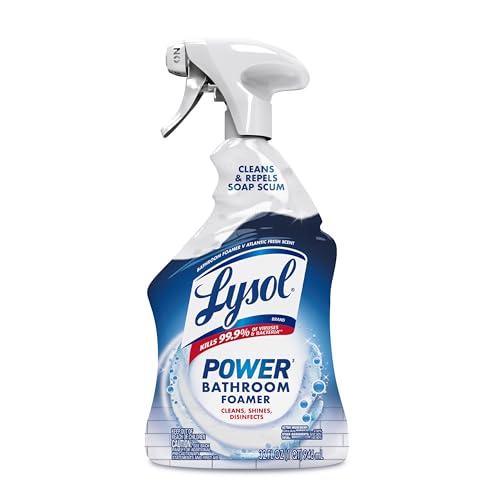
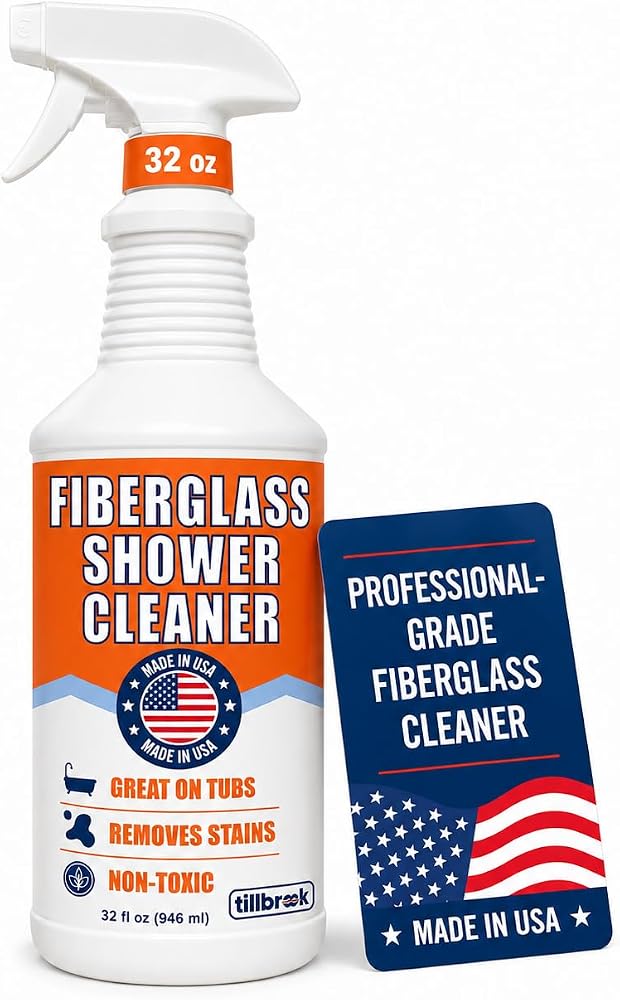
A Buyer Checklist for Fiberglass Tub Cleaners
Use the points below as a checklist when you compare labels for the best cleaner for fiberglass bathtubs. A strong choice scores well on surface safety and on the stains you actually face, while a weak choice may clean well once and damage the finish over time. Keep the checklist beside you while you shop, and skip any product whose label is vague about fiberglass use.
Features That Matter for Fiberglass Bathtubs
Fiberglass needs a cleaner that dissolves soap scum and mineral deposits without abrasive particles or strong solvents. Look for a label that names fiberglass as a safe surface and gives a clear contact time, usually a few minutes, before wiping or rinsing. Avoid formulas that tell you to scrub hard, since repeated abrasion can wear the glossy top layer and make future stains harder to remove. A best fiberglass bathtubs guide can also help you confirm the finish and care notes for your tub model before you choose a cleaner strength.
Effectiveness on the Specific Mess
Different deposits need different cleaning action, so match the formula to your main problem. Soap scum responds to cleaners that cut grease and soften residue, while hard water marks need a formula that dissolves mineral scale. Heavy duty formulas may suit a neglected tub, but for weekly cleaning a gentler product used often usually keeps the surface brighter with less wear. Always try a new cleaner on a small hidden area first, even when the label says it is safe for fiberglass.
Scent and Fragrance Free Options
Scent matters more in a small bathroom than in a large room, because steam and a closed door can trap fumes. Fragrance free formulas suit sensitive noses, asthma prone households, and anyone who dislikes lingering perfume after a shower. Lightly scented options can leave the room smelling fresh, but check that the scent comes from the formula itself and not from a masking agent that hides a harsh chemical smell. If you feel dizzy or your eyes sting while cleaning, stop, leave the room, and improve ventilation before you continue.
Cost per Use and Value
Compare cleaners by cost per use, not by bottle price alone. Divide the bottle price by the number of cleanings it should provide, using the label dose as your guide. Concentrates often cost more up front but give many more uses, while ready to use sprays are convenient for quick weekly cleaning. Prices in this category commonly run about $5 to $18, with concentrates at the higher end of that range.
Surface Compatibility
Fiberglass is only one bathroom surface, and a cleaner that is safe for a tub may still harm grout, metal fixtures, or a shower door. Check the label for every surface the formula touches in your bathroom, including chrome, brushed nickel, tile grout, and caulk. If you also have an acrylic tub in another bathroom, do not assume one product suits both finishes. A guide to best cleaners for acrylic bathtubs explains where acrylic care differs, and a guide to best cleaner for plastic bathtubs covers softer plastic surrounds that need even gentler handling.
Ingredients and Safety
Read the ingredient and warning panel before you buy, not after you open the bottle. Look for clear safety directions, child resistant caps where required, and a statement about use around children and pets. Formulas carrying the EPA Safer Choice label meet stricter standards for safer ingredients, which can help you narrow a long shelf of options. Never mix bleach with ammonia or acids, since the mixture can create dangerous fumes, and never mix two cleaners to make a stronger batch.
Eco Friendly Packaging
Packaging affects both waste and long term cost. Refill pouches and concentrates use less plastic per cleaning than a new spray bottle each time, and biodegradable formulas break down more readily after rinsing.
Spending Levels: What Each Budget Buys
Price alone does not tell you whether a cleaner suits fiberglass, but spending levels do reflect real differences in format, concentration, and specialty action. Use the tiers below to set expectations, then judge each product against the checklist above rather than against its price tag.
Low Cost Everyday Cleaning
Low cost cleaners, usually about $5 to $9, suit weekly upkeep of a tub that is already in good shape. These are often ready to use sprays with a mild formula that lifts fresh soap scum and light water marks. They work best when you clean often and wipe the tub after use, since they may need a second pass on older stains. Their main limit is strength on mineral scale, so keep a separate descaling approach for hard water areas if your tap water leaves heavy deposits.
Mid Priced Everyday and Deep Cleaning
Mid priced cleaners, usually about $9 to $14, often add a gel format, a longer cling time, or a concentrate option. These suit households that clean every week or two and want one product for both routine cleaning and occasional deeper work. Many include fragrance free versions and clearer fiberglass directions, which makes label comparison easier. They may still struggle with deep mildew in old caulk, so treat caulk damage as a repair job rather than a cleaning problem.
Higher Priced Specialty Formulas
Higher priced cleaners, usually about $14 to $18, tend to be concentrates, specialty descalers, or formulas made for sensitive users. A concentrate can offer the lowest cost per use despite the higher bottle price, especially in a home with several bathrooms. Specialty formulas may target hard water scale or mildew more directly, but check that the stronger action is still labeled safe for fiberglass. Paying more only makes sense when the formula solves a specific problem, such as heavy scale or scent sensitivity, that cheaper options do not address.
Quick Buyer Checklist
Run through these questions before you buy:
- Does the label name fiberglass as a safe surface?
- Does it match your main stain, soap scum, scale, or mildew?
- Is the scent level right for a small, steamy bathroom?
- Have you worked out the cost per cleaning, not just the bottle price?
- Is it safe for the fixtures, grout, and caulk it will touch?
- Are the safety warnings clear, with storage guidance for children and pets?
- Can you buy a refill or concentrate to cut waste and cost?
- Does it need only light wiping, rather than hard scrubbing?
Red Flags to Watch For
Be wary of labels that never mention fiberglass at all, or that claim to work on every surface without limits. Vague strength claims, missing contact times, and no ingredient or safety information are all warning signs. Reviews that sound identical across many products, or that promise miracle results on deep stains, should not outweigh the label itself. If a product requires heavy scrubbing to work, it is a poor match for fiberglass, no matter how low its price.
How to Make Your Cleaner Last Longer
Store cleaners in a cool, dry place with caps closed tightly, and keep them upright so seals last longer. Use the label dose rather than pouring extra product, since excess cleaner rarely cleans faster and leaves more residue to rinse. Always read the label and try the cleaner on a small area first. Ventilate the room while cleaning, open a window or run the fan, and never mix bleach with ammonia or acids.
Frequently Asked Questions
What features matter most in cleaners for fiberglass bathtubs?
Surface safety matters most, followed by stain action for your main deposits and a format that clings to tub walls. A good cleaner names fiberglass on its label, gives a clear contact time, and works with light wiping rather than hard scrubbing. Scent, cost per use, and refill options help you choose between otherwise similar formulas. A product that cleans fast but dulls the finish over months is a poor value, even at a low price.
What should never be mixed together when cleaning a bathtub?
Never mix bleach with ammonia or acids, including vinegar and many toilet bowl cleaners, because the mixture can create dangerous fumes. Do not combine two different cleaners in hopes of stronger action, since the combined chemistry is unknown and may damage fiberglass or fixtures. If you need a second product for a different stain, rinse the first one away fully and ventilate the room before you start again. When in doubt, use one product at a time and follow its label exactly.
Are natural cleaners as effective for fiberglass tubs?
Natural and plant based cleaners can handle weekly soap scum and light marks well, especially when used often and left for the full contact time. They may work more slowly on heavy mineral scale or old mildew than stronger formulas, so they suit well kept tubs better than neglected ones. Check that a natural label still names fiberglass as safe, since plant based does not always mean gentle on every finish. For stubborn scale, a targeted descaler labeled for fiberglass may be the better second step.
How often should I clean a fiberglass bathtub?
Most households should clean a fiberglass tub once a week, with a quick rinse and wipe after heavy use. Weekly cleaning stops soap scum from hardening and keeps mildew from settling into caulk lines. In hard water areas, a descaling clean every two to four weeks helps prevent chalky buildup. Always rinse fully so no cleaner residue dries on the finish.
Is a fiberglass tub cleaner safe to use around kids and pets?
Many fiberglass cleaners are safe once rinsed and dried, but safety depends on the formula and how you use it. Choose a product with clear child and pet guidance, store it out of reach, and keep children and pets out of the bathroom while you clean. Rinse the tub thoroughly before anyone bathes, and ventilate the room until fumes clear. If a child or pet contacts undiluted cleaner, follow the label first aid directions and seek medical or veterinary advice if symptoms appear.
Final Thoughts
The right choice balances surface safety, stain action, scent, and cost per use for your own bathroom and water type. Start with a gentle formula used weekly, and step up only when a specific stain or scale problem demands it. Check the label for fiberglass safety, try each new product in a hidden spot, and store cleaners safely away from children and pets. For a quick recap, review the checklist and the product table above, then choose the best cleaner for fiberglass bathtubs for your cleaning routine.


