Best Cleaners for Tubs Made Simple: A Clear Buying Guide for 2026
Disclosure: We may earn a commission when you buy through links on this page, at no extra cost to you. As an Amazon Associate I earn from qualifying purchases. Learn more
New to buying cleaners? Our simple guide to the best cleaners for tubs explains the basics, key specs, and smart tips so your first purchase is the right one.
Soap scum, hard water rings, body oil, and mildew along the caulk line each respond to a different kind of chemistry, which is why one bottle rarely leaves a tub fully clean. The best cleaners for tubs match the formula to the soil you see most and to the tub material under it, whether that is porcelain enamel, acrylic, fiberglass, or cast iron. This guide compares the main cleaner types, explains which ingredients do what, and shows how to choose a product you can use every week without harming the finish. The comparison table below sets the types side by side so you can narrow the shelf fast.
Tub material decides more than most shoppers expect. Porcelain enamel shrugs off most cleaners and light scrubbing, while acrylic and fiberglass scratch and cloud under abrasive powders and strong solvents. Check what your tub is made of before you read the strength claims on any label.


Types of Cleaners for Tubs Compared
| Type | Best For | Strength | Limit | Typical Price |
|---|---|---|---|---|
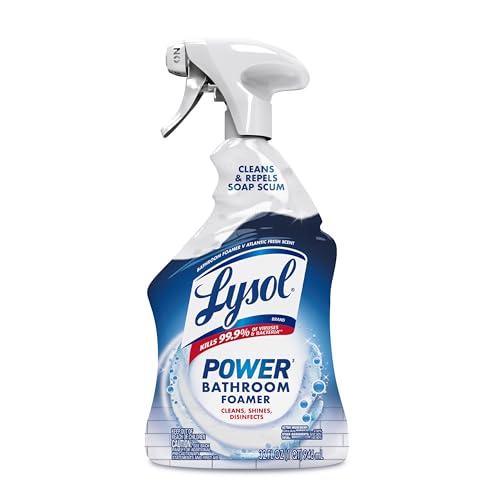
| Foaming bathroom spray | Weekly soap scum and light film | Clings to walls, little scrubbing | Slow on mineral crust | About $4 to $9 |
| Acid based scale remover | Hard water rings, limescale, rust marks | Dissolves minerals | Needs care on acrylic, stone, and chrome | About $5 to $12 |
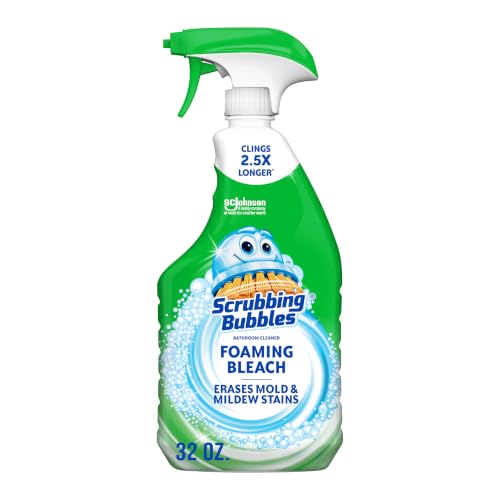
| Bleach or mildew formula | Dark spots on caulk and grout | Lifts mildew stains | Fumes, not for daily use | About $4 to $18 |
| Daily no scrub spray | Keeping a clean tub clean | Prevents buildup between cleans | Will not restore a neglected tub | About $10 to $20 |
Foaming Bathroom Sprays
Foaming sprays are built on surfactants that loosen the mix of soap residue and body oil called soap scum. The foam clings to sloped tub walls long enough to work, so a few minutes of dwell time and a soft sponge replace hard scrubbing. This type suits tubs that are cleaned weekly and never left dirty for long, and most are labeled safe for acrylic and fiberglass as well as enamel. They slow down on white mineral crust, which needs an acid rather than a surfactant.
Acid Based Scale Removers
Limescale and the rough white ring at the waterline are mineral deposits left by hard water, and they dissolve in mild acids such as citric, lactic, or sulfamic acid. Scale removers also lift the orange tint that iron in the water leaves around the drain. Use them only as directed, rinse well, and keep them off natural stone, chrome trim, and any acrylic surface unless the label names it as safe. For most homes they are an occasional product, used when a ring appears rather than every week.
Bleach and Mildew Formulas
Dark or pink spots along the caulk and in grout lines are mildew, and surfactants alone will not shift the stain. Bleach based and mildew specific cleaners lighten those marks after a longer dwell, often with a gel that stays put on a vertical seam. They need a window open or a fan running, and they are not a daily cleaner, since repeated bleach exposure can yellow some acrylic and weaken caulk. If mildew returns within weeks, the real fix is drying the tub and improving airflow, and sometimes fresh caulk.
Daily No Scrub Sprays
Daily shower sprays are misted onto a wet tub after the last bath and left to dry, with no wiping. They do not clean a dirty tub; they stop soap scum and light scale from bonding so the weekly clean takes minutes. For households with hard water or several daily showers, this type cuts the amount of stronger cleaner you need across a year, which matters for both the finish and the budget.
How to Choose Cleaners for Tubs
Confirm the Tub Material First
Tap the side of the tub: a dull, cool, heavy feel points to cast iron or steel with porcelain enamel, while a warmer, hollow sound points to acrylic or fiberglass. Enamel tolerates most products and gentle scouring. Acrylic and fiberglass need non abrasive formulas and soft tools, and plastic tubs and inserts have the same limits, which our guide to the best cleaner for plastic tubs covers in detail. A refinished tub is the most delicate case of all and should follow the refinisher's product list.
Name Your Main Soil
Slick gray film that feels waxy is soap scum and wants a surfactant spray. Chalky white or rough deposits are scale and want an acid. Dark spots on seams are mildew and want a mildew formula plus drying. Many family bathrooms have all three, and the right approach is to use the products on different days with a full rinse between them rather than trying to do everything in one session. That is why the best cleaners for tubs in a hard water home usually come as a pair.
Check the Safety Panel
Read the warnings before the promises. Products that disinfect need the surface to stay wet for the stated time, and acids and bleach each come with ventilation and glove directions worth following. Never mix a bleach based tub cleaner with an acid based scale remover or with ammonia, in the tub or in a bucket, because the fumes can injure your lungs within minutes. Store every bottle sealed and out of reach of children and pets.
Scent, Residue, and Rinse
Bathrooms are small and often poorly ventilated, so a strong fragrance lingers for hours. Fragrance free options suit anyone with asthma or scent sensitivity, and they make it easier to tell when the rinse is complete. Rinse until the surface no longer feels slick, since leftover cleaner can be a slipping hazard in the next bath and attracts fresh soap scum.
Cost per Clean
A trigger bottle used weekly costs a few dollars a month, while a concentrate mixed in your own spray bottle costs pennies per clean. A daily spray looks like an extra expense until you count the stronger products it saves. Buy the format you will actually reach for, because the cleaner that stays under the sink unused is the most expensive one of all.
How to Clean a Tub Without Damaging the Finish
Rinse the tub with warm water first so the cleaner spreads evenly, then apply the product and give it the full dwell time on the label instead of scrubbing early. Work with a soft sponge or a non scratch pad in small circles, paying attention to the waterline and the corners by the drain. Rinse with plenty of clean water and wipe the tub dry with a towel or squeegee, which slows the next round of water spots.
Spot check a new product on a hidden area near the drain before using it across the tub, especially on acrylic or a refinished surface. Run the fan or open a window while you clean and until the room clears. Keep children and pets out until the tub is rinsed and dry. Jetted tubs and outdoor soaking tubs circulate water through plumbing that a surface spray never reaches, so see our guides to the best cleaner for jacuzzi tubs and the best cleaner for hot tubs if that is the fixture you own.
Common Mistakes to Avoid
- Scouring acrylic or fiberglass with powder or a stiff pad, which leaves fine scratches that trap dirt forever.
- Leaving an acid cleaner on chrome fixtures, which pits and dulls the finish.
- Using bleach every week on a refinished tub, which yellows and lifts the coating over time.
- Skipping the rinse, which leaves a slick residue and a film that attracts new soap scum.
- Letting a mineral ring sit for months, since fresh scale wipes off and old scale needs several treatments.
Frequently Asked Questions
What features matter most in cleaners for tubs?
A label that names your tub material as safe matters most, followed by chemistry that matches your main soil: surfactants for soap scum, mild acid for scale, and a mildew formula for caulk stains. After those, look for a foaming or gel texture that clings to walls, a clear dwell time, and a scent you can live with in a small room. A fine foaming nozzle is worth having, since it coats the far wall of the tub without pooling at the drain.
Can one cleaner handle soap scum, hard water, and mildew?
Rarely in one pass. Some bathroom sprays combine surfactants with a mild acid and manage both soap scum and light scale, but mildew stains still need their own product and a longer dwell. The practical routine is a foaming spray weekly, a scale remover when a ring appears, and a mildew gel on the caulk a few times a year, each used alone with a full rinse in between.
How often should a tub be cleaned?
A full clean once a week suits most households, with a quick rinse after oily baths or bath bombs. Homes with hard water or several daily showers benefit from a daily no scrub spray between cleans. Wiping the tub dry after use does more to prevent buildup than any extra product.
Are natural tub cleaners as effective as standard ones?
Plant based and citric acid formulas handle fresh soap scum and light scale well, and they shine as a weekly maintenance product with low fumes. They work more slowly on thick old limescale and set mildew, where a conventional product used once as a reset saves a lot of scrubbing. Natural does not mean safe on every finish, so check the surface list as you would with any cleaner.
Is tub cleaner safe to use around kids and pets?
Most tub cleaners are safe for a family bathroom when you follow the label, rinse the tub thoroughly, and let it dry before the next bath. Keep children and pets out of the room while the product dwells and until the air clears, rinse any bath toys that were in the tub, and store bottles in a closed cabinet. Choose a fragrance free formula for the tub children use daily.
Final Thoughts
Identify the tub material, name the soil you fight most, and buy the type that matches, with a daily spray if hard water keeps winning. Use one product at a time, rinse fully, and dry the tub after each clean. Compare your shortlist in the product table above with those checks in mind, and the best cleaners for tubs for your bathroom will be the ones you can use gently every week rather than the strongest bottle on the shelf.