Best Cleaner for Plastic Tubs: Our 2026 Buying Checklist
Disclosure: We may earn a commission when you buy through links on this page, at no extra cost to you. As an Amazon Associate I earn from qualifying purchases. Learn more

Use this checklist to judge a cleaner for plastic tubs by surface safety, stain power and format, so you can buy with confidence and clean safely.
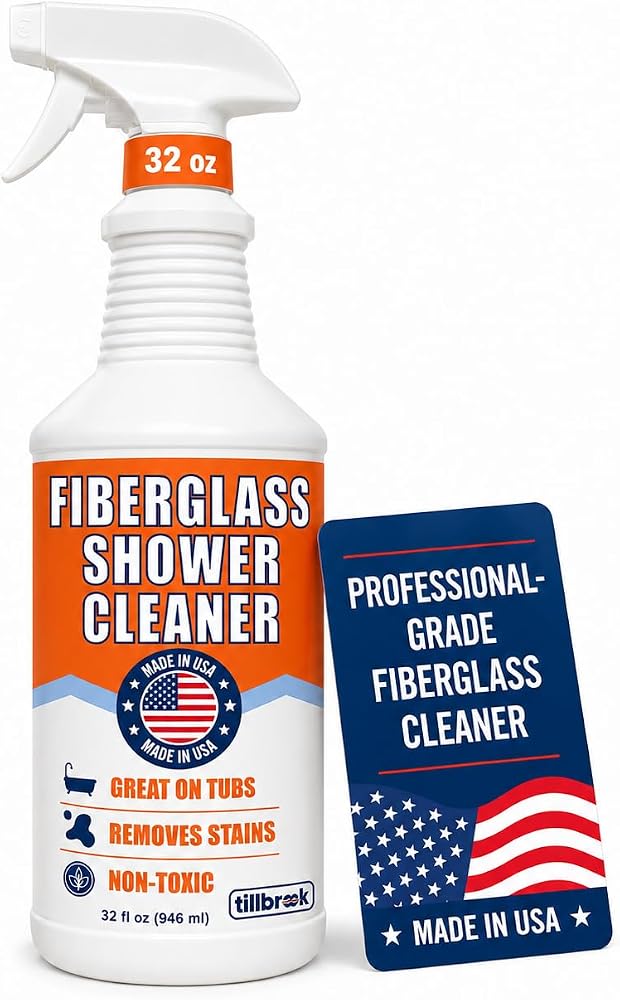
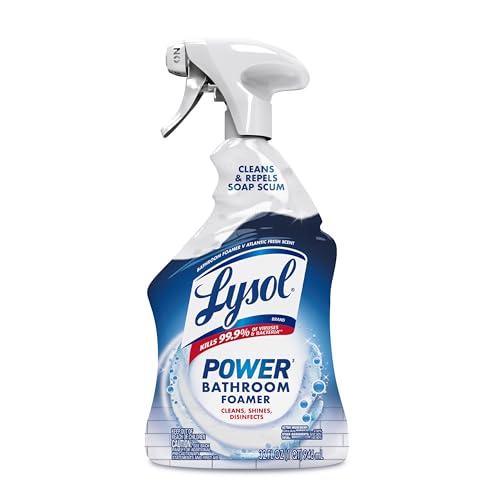
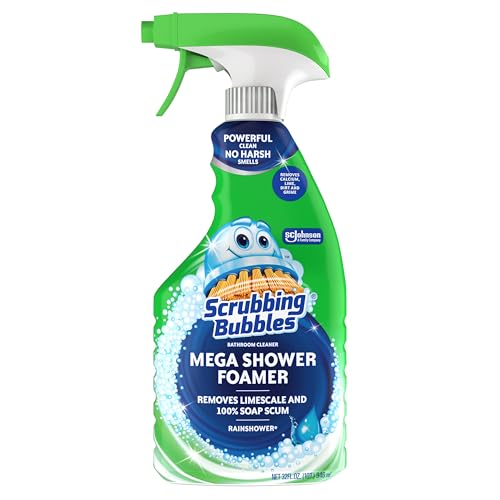
A plastic tub can be easy to clean and easy to damage in the same week. The wrong scrub pad or an overly harsh formula can leave fine scratches that catch dirt faster next time. The best cleaner for plastic tubs is the one that passes a few simple checks before you buy: it must suit the surface, handle your kind of stain, and be safe to store and use at home. The comparison table below lists the current options to compare against this checklist.
This guide is built as a checklist. Work through each section, tick off what matters for your tub, and you will end up with a short list that fits your water, your routine and your household. The goal is a tub that stays smooth and bright, not a cabinet full of half used bottles.



Checklist Part One: Surface and Stain Fit
Start with fit, because a cleaner that fights your tub material will cost you more in the long run. Plastic tubs vary in hardness and finish, and a formula made for tile or porcelain may be too aggressive for them. Check the label for plastic compatibility first, then match the stain power to what you actually see in the tub.
Features That Matter for Plastic Tubs
Look for a label statement that the formula is safe for plastic surfaces, and avoid products with abrasive particles. A foam or gel that clings to curved walls gives the active ingredients time to work without repeated spraying. Also note the recommended dwell time, since a product that needs a long soak suits a planned deep clean better than a quick wipe before guests arrive.
Effectiveness on the Specific Mess
Identify your main mess before you shop. Hard water leaves white or chalky rings near the waterline, while soap scum feels slick and looks cloudy. Body oils and bath products add a greasy film that needs surfactants to lift. A cleaner that excels at one job may be weak at another, so pick the strength that matches the mess you fight most often.
Ingredients and Safety
Read the warnings as carefully as the promises. Never mix bleach with ammonia or acids, because that combination can produce dangerous fumes, and never combine cleaners to boost power. If children or pets use the bathroom, favor formulas with clear safety guidance and a short ingredient list. Rinse the tub thoroughly after cleaning, and ventilate the room while you work.
Checklist Part Two: Format, Compatibility and Scent
Once surface fit is settled, the next checks decide whether the product is pleasant and practical to use. Format affects waste, cost and reach, while scent affects comfort in a small room. None of these points should override surface safety, but together they decide whether a good cleaner becomes a regular habit.
Format: Spray, Gel, Pods, Wipes or Concentrate
Sprays are fast for routine wipes, while gels cling to vertical walls and give longer contact on stubborn spots. Wipes suit quick touch ups but cost more per use and create more waste. Pods are simple to dose but may not suit every tub size. Concentrates are the most economical for frequent cleaning, provided you measure the dilution correctly and label the mixed bottle.
Surface Compatibility Beyond Plastic
Many bathrooms mix materials, so check the whole cleaning area, not just the tub. A formula safe for plastic may still be wrong for natural stone, brushed metal fixtures or a glass door. If one product must serve several surfaces, choose the gentlest option that still handles your tub stains, and test it on a hidden spot of each material. Keep a separate product for any surface the label warns against.
Scent and Fragrance Free Options
Fragrance lingers in a small bathroom, so scent deserves a deliberate choice. Fragrance free formulas suit sensitive households and make it easier to tell when rinsing is complete. Lightly scented products can leave the room smelling fresh, but a heavy scent can hide leftover residue. If anyone in the home has breathing sensitivity, start fragrance free and ventilate well.
Eco Friendly Packaging
Refill packs and concentrates reduce packaging, and biodegradable formulas break down more easily after rinsing. Before choosing a refill, confirm it fits your existing bottle and that the mixed strength matches the label guidance. Treat packaging as a tiebreaker: it should not push you toward a formula that is wrong for your tub surface or your stains.
What Spending Levels Actually Buy
Price tiers are a useful shortcut once the checklist is done. Budget sprays, usually about $3 to $6, handle light weekly cleaning well. Midrange formulas, usually about $7 to $12, often add gel cling or stronger mineral action for hard water homes.
Premium concentrates and fragrance free options, usually about $13 to $20, can lower cost per use or suit sensitive users. Spend more only when the extra feature matches a need you already identified.
Quick Buyer Checklist
Run through these questions before you add anything to your cart:
- Does the label say the formula is safe for plastic tubs?
- Does it target your main mess, whether that is soap scum, limescale or oily film?
- Is the format right for your routine: quick spray, clinging gel or economical concentrate?
- Are the safety warnings clear, and can you store it out of reach of children and pets?
- Is the scent level right for your household, or should you choose fragrance free?
- Does the cost per use make sense for how often you clean?
- Have you checked compatibility with nearby fixtures, tile and glass?
Red Flags to Watch For
A few warning signs should slow you down. Vague claims with no surface guidance, such as a promise to clean everything, often hide a formula that is too harsh for plastic. Missing safety information is another concern, especially for products used around children.
Unusually low prices with no ingredient list, or a label that never mentions dwell time, also deserve skepticism. If a product relies on abrasive scrubbing to work, it may be trading short term shine for long term scratches.
How to Make Your Cleaner Last Longer
Good habits stretch every bottle and protect the tub. Always read the label and test on a small area first, so a bad reaction shows up in a hidden spot. Never mix bleach with ammonia or acids, and ventilate the room while cleaning. Store bottles upright, out of reach of kids and pets, and away from heat.
Wipe the tub dry after rinsing to slow new water spots, and use a soft cloth rather than an abrasive pad. For a closely related guide, see our article on the best bathtub cleaner for plastic tubs, and if you also need a general tub cleaner see our guide to the best cleaners for tubs. If you are still choosing the tub itself, check our guide to the best plastic tubs, and see our guide to the best cleaner for jacuzzi tubs if your tub has jets that need separate care.
FAQs
Can a plastic tub cleaner damage the surface?
Yes, it can, if the formula is abrasive or meant for a harder material. Gritty scrubs and harsh chemicals can leave fine scratches that dull the finish and trap dirt. To avoid that, choose a product that states it is safe for plastic, test it on a small hidden area, and use a soft cloth.
If the test spot looks hazy after rinsing, stop and choose a gentler formula. Surface damage builds slowly, so a careful first test saves far more trouble than it costs.
How long should a cleaner sit before rinsing?
Follow the label, since dwell time varies widely by formula. Light sprays often need only one to two minutes, while gels made for mineral rings may need ten minutes or more. Longer is not always better: leaving a strong formula on too long can dry onto the surface and leave a film.
Set a timer, keep the surface damp during the dwell, and rinse thoroughly. If a stain survives one full dwell, a second application usually works better than doubling the wait.
Are gel cleaners better than sprays for plastic tubs?
Gels have an edge on vertical walls and curved surfaces, because they cling instead of running off. That longer contact helps with mineral rings and thick soap buildup. Sprays win for speed on flat areas and for quick weekly wipes, since they spread fast and rinse off easily.
Many households keep both: a spray for routine cleaning and a gel for deeper sessions. The best choice depends on where your worst buildup sits, not on the format alone.
What should I check on the label before buying a plastic tub cleaner?
Check four things: plastic compatibility, the target mess, safety warnings and dwell time. Plastic compatibility tells you whether the finish is protected. The target mess tells you whether the formula handles soap scum, limescale or grease. Safety warnings tell you about ventilation, storage and mixing hazards.
Dwell time tells you how the product fits your routine. If any of those four is missing, treat the product as a riskier buy and compare it against one with a fuller label.
Can I use the same cleaner on a plastic tub and a tile surround?
Sometimes, but only if the label covers both surfaces. Tile and grout tolerate stronger formulas than plastic, so a product made for tile alone may be too harsh for the tub. Check the label for both materials, and test on a hidden spot of each before a full clean.
If the label warns against either surface, keep separate products. Using one safe product for both is convenient, but only when the label clearly supports it.
Wrapping Up
A good purchase comes down to the checklist: plastic safe, matched to your stain, in a format you will use, with clear safety guidance and a fair cost per use. Skip vague claims and red flag products, and let the label do the talking. The best cleaner for plastic tubs for your home is the one that leaves the surface smooth, bright and easy to maintain. Compare the product table above against your checklist answers, and choose the option that ticks the most boxes.