Best Cleaner for Sinks and Tubs at Every Price: What Your Money Really Gets You for 2026
Disclosure: We may earn a commission when you buy through links on this page, at no extra cost to you. As an Amazon Associate I earn from qualifying purchases. Learn more
Soap scum, hard water and daily grime call for different formulas. Compare budget, midrange and premium options to choose the best cleaner for sinks and tubs.
Prices for bathroom cleaners stretch from a couple of dollars for a basic spray to much more for large concentrates and specialty formulas, and the labels rarely explain what the extra money buys. This guide breaks down each price tier so you can match your spending to your surfaces, your water, and the messes you clean most. The right best cleaner for sinks and tubs for your home depends less on the highest price and more on fit.
Start with the comparison table below to see how formulas and sizes differ across tiers. Then use the sections that follow to decide which features deserve your money and which ones you can safely skip.


Who Should Buy Which Cleaner for Sinks and Tubs?
Your household routine matters more than any single label claim. A cleaner that suits a lightly used guest bathroom can fall short in a busy family bathroom with hard water and daily showers. Start by finding the group below that sounds most like your home.
Small Households With Light Weekly Cleaning
If you live alone or with one other person and wipe down surfaces once a week, your buildup stays mild. A basic spray in the budget tier usually handles fresh soap scum and toothpaste splashes without much scrubbing. You do not need a large bottle, so a standard size that you finish within a year is the smarter buy. Choose a scent you enjoy, since you will use it often in a small space.
Busy Family Bathrooms With Daily Use
Family bathrooms collect soap film, toothpaste, and water spots faster, and several people may share one tub. A midrange formula with stronger cleaning agents saves time because you spray, wait a few minutes, and rinse with less effort. Larger bottles or two packs also make sense here because you go through cleaner quickly. If your home has more than one bathroom, keeping one bottle in each room prevents the cleaner from running out mid task.
Homes With Hard Water and Stubborn Buildup
Hard water leaves limescale and mineral crust around faucets, drains, and tub edges that basic sprays barely touch. You need a formula made for mineral deposits, and you may pay premium prices for that strength. These products often need dwell time on the surface, so plan a few extra minutes per cleaning. If buildup is severe, expect the first cleaning to take two applications before weekly upkeep gets easy.
What Your Money Gets You at Each Price Tier
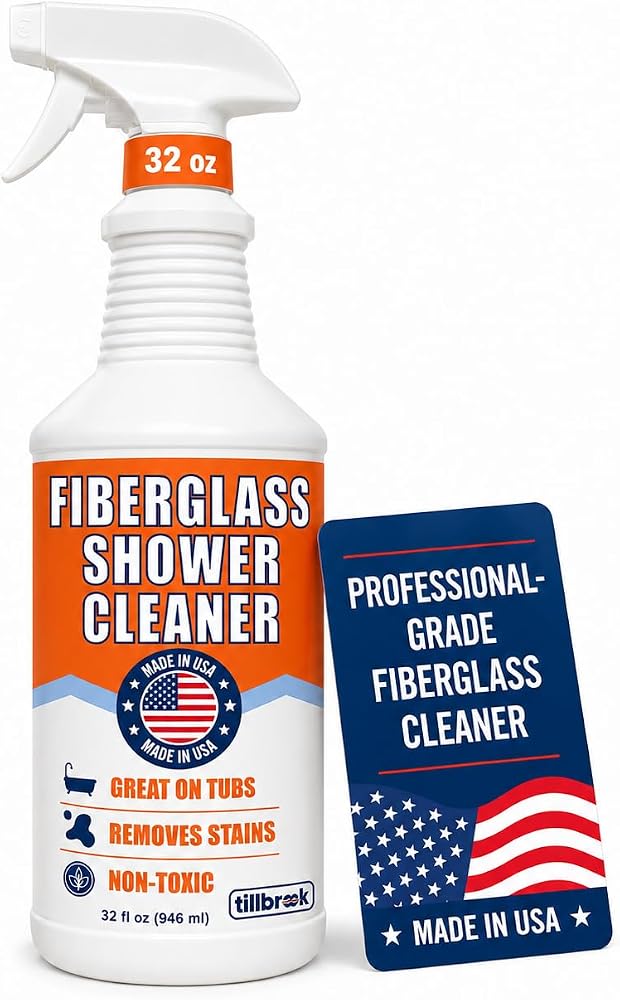
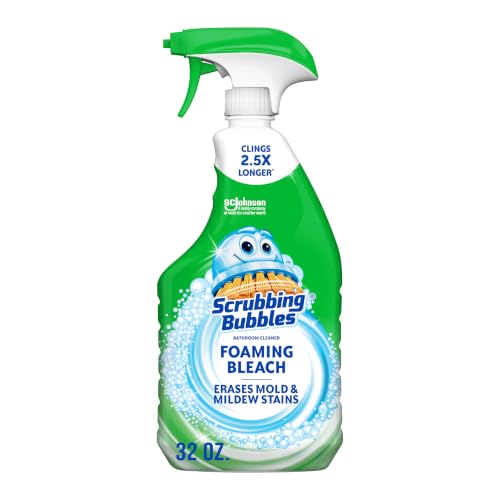
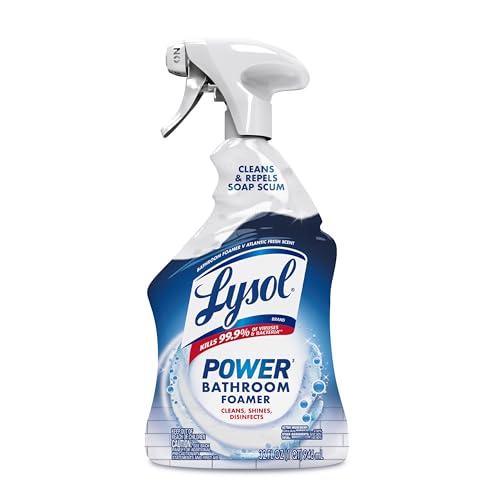
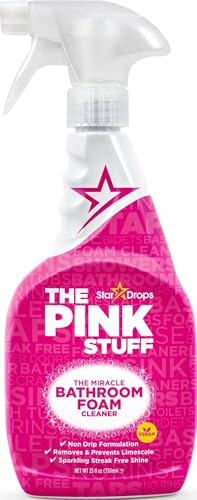
The product table above shows how wide the price spread can be for cleaners that all promise a shiny bathroom. The tiers below explain what typically changes as price rises, from formula strength to bottle design. Use them to set a realistic budget before you shop.
Budget Tier: What to Expect
Budget cleaners usually cost around $4 per bottle and cover everyday messes like light soap scum and fresh grime. Formulas are ready to use and simple, which keeps them easy for quick wipe downs. The trade off is weaker action on mineral deposits and older stains, so you may scrub more. Bottles also tend to be smaller, which suits occasional use but raises your cost over a full year of weekly cleaning.
Midrange Tier: The Sweet Spot for Most Buyers
Midrange options often run about $10 and balance strength, scent choice, and bottle size for most homes. Many include agents that loosen soap film faster, so you spend less time scrubbing and rinsing. You also see more fragrance free choices and formulas made for specific surfaces at this level. For a typical family bathroom cleaned weekly, this tier usually delivers the best balance of results and total spending.
Premium Tier: When Spending More Pays Off
Premium cleaners can cost around $18, and the money usually buys concentration, specialty ingredients, or larger refill sizes. Some target limescale and rust with stronger acids, while others focus on gentle plant based formulas with third party certifications. Premium sprays may also include better triggers that mist evenly and waste less product per use. This tier pays off when a cheaper cleaner has already failed on your stains or your surfaces need extra care.
Features Worth Paying For and Ones to Skip
Not every upgrade on the label improves your results. The features below separate real value from marketing extras, and each one notes where it tends to appear by price tier. Match them against your own sinks and tubs before you spend more.
Cost per Use and Value
A bottle price tells you little until you divide it by the number of cleanings it provides. A concentrate that you dilute at home can cost more upfront yet deliver each spray for far less than a ready to use bottle. Note the dilution ratio on the label and estimate how many full bottles one concentrate makes. If you clean often, concentrates and refills usually win on value, while small households may never finish a large concentrate before it sits unused.
Scent and Fragrance Free Options
Scent is a comfort feature, not a cleaning one, and it appears at every price tier. Strong fragrances can linger in small bathrooms and bother people with scent sensitivity, so fragrance free formulas are worth seeking if anyone in your home reacts to perfumed products. Ventilation helps too, so open a window or run the fan while you clean.
Ingredients and Safety
Ingredient lists decide how a cleaner treats your skin, your lungs, and the people and pets who use the room after you. Look for the EPA Safer Choice label when you want formulas screened for safer ingredients, a feature more common in midrange and premium tiers. Bleach based products disinfect well but can irritate airways and damage some finishes, so many households keep them for occasional deep cleaning only. Always store any cleaner locked or out of reach of children, whatever the label claims.
Features That Matter for Sinks and Tubs
Sinks and tubs combine several surfaces in one small area, including porcelain, enamel, acrylic, fiberglass, and chrome or stainless steel fixtures. A formula that is safe on one surface can dull or scratch another, so surface compatibility is the feature most worth paying for. Gentle, non abrasive liquids suit acrylic and fiberglass, while porcelain tolerates a bit more scrubbing. If your tub is acrylic or another plastic, check our guide to the best cleaner for plastic tubs before you buy, since plastic needs milder formulas than porcelain.
Effectiveness on the Specific Mess
Different messes need different chemistry, and no single spray leads on all of them. Soap scum responds to formulas that cut body oils and soap residue, while limescale needs an acidic cleaner that dissolves mineral deposits. Rust stains near drains call for yet another approach, often a specialty product used only on that spot. Name your main mess before you shop, and pay for strength against that mess rather than for a long list of general claims. For tub focused deep cleaning beyond weekly upkeep, see our guide to the best cleaners for tubs as well.
Picking the Right Cleaners for Different Uses
In most homes, one best cleaner for sinks and tubs can cover routine care for both fixtures, but some situations call for a second, more targeted product. Jetted tubs are the clearest example, because their internal pipes need cleaners made to flush out residue without harming seals or pumps. If you own one, read our guide to the best cleaner for jacuzzi tubs for that separate routine. Hot tubs are different again, since their water chemistry and filters rule out most household sprays, so check our guide to the best cleaner for hot tubs instead of improvising.
Best Natural Cleaner for Sinks and Tubs: Where Your Money Goes
A best natural cleaner for sinks and tubs usually costs more than a basic spray because plant based cleaning agents and biodegradable ingredients cost more to produce. Judge natural options by three points: whether the ingredient list is fully disclosed, whether a trusted label such as EPA Safer Choice backs the claims, and whether the formula still cuts soap scum without long scrubbing. Expect natural formulas to shine on weekly upkeep and to need help from a stronger product on heavy limescale.
Long Term Costs to Factor In
The bottle price is only the first cost of keeping sinks and tubs clean. Sponges, scrub pads, and gloves wear out and need replacing, and using the wrong pad on acrylic can scratch the surface and lead to costly repairs. Concentrates and refills lower your yearly spending because you reuse one spray bottle instead of buying a new one each time. Also factor in your time, since a stronger formula that cuts ten minutes from a weekly routine saves hours across a year. Buying the right tier once usually costs less than cycling through cheap bottles that disappoint.
FAQs
What features matter most in cleaners for sinks and tubs?
Surface compatibility matters most, followed by strength against your main mess and a scent you can tolerate weekly. A cleaner that is safe on your tub material and strong on your water type will outperform a stronger product you cannot use everywhere. Check the label for your exact surfaces before buying. A trigger that sprays evenly also helps, because even coverage means less product wasted on each cleaning.
Are natural cleaners for sinks and tubs as effective as standard formulas?
Yes, natural cleaners handle routine soap scum and fresh grime about as well as standard sprays when you give them a few minutes of dwell time. The gap shows up on thick limescale and set in stains, where conventional acidic formulas usually work faster. One practical approach is to use a natural product weekly and reserve a stronger cleaner for monthly deep cleaning. That rhythm keeps most of your routine plant based without giving up results.
How often should you use a cleaner for sinks and tubs?
Use a spray cleaner about once a week for sinks and tubs in regular use, and wipe up splashes between cleanings to slow buildup. Homes with hard water may need a quick midweek wipe around faucets where minerals collect fastest. Guest bathrooms that sit unused can go two or three weeks between full cleanings. Cleaning a little more often with a mild product is easier on surfaces than rare, aggressive scrubbing sessions.
What cleaning products should never be mixed when cleaning sinks and tubs?
Never mix bleach with ammonia or with acidic cleaners such as vinegar based sprays or limescale removers, because those mixtures release harmful gases. Use one product at a time, rinse the surface well with water, and let it dry before applying a different cleaner. Open a window or run the bathroom fan whenever you use strong formulas. If anyone feels dizzy or has trouble breathing, leave the room at once and get fresh air.
Is a cleaner for sinks and tubs safe to use around kids and pets?
Most bathroom cleaners are safe around kids and pets when you follow the label, rinse surfaces well, and let them dry before use. Keep children and animals out of the room while you spray and scrub, since wet floors and strong fumes are the main risks. Products that disinfect often require a set contact time and a rinse on surfaces that touch skin. Store every bottle out of reach, even mild and fragrance free ones.
Final Thoughts
Across every tier, three checks decide your results: surface compatibility, strength against your main mess, and a cost per use that fits how often you clean. Budget sprays serve light weekly care, midrange formulas suit most family bathrooms, and premium options earn their price on hard water or delicate surfaces. Use the product table above to compare sizes and formulas side by side, then choose the best cleaner for sinks and tubs that matches your home rather than the highest price on the shelf.