
Best Cleaner for Outdoor Patio Cushions Made Simple: A Clear Buying Guide for 2026
Disclosure: We may earn a commission when you buy through links on this page, at no extra cost to you. As an Amazon Associate I earn from qualifying purchases. Learn more
Learn how to choose the best cleaner for outdoor patio cushions, compare formats and scents, avoid mixing risks, and clean fabric safely at home.
Buying a cushion cleaner for the first time can feel confusing because labels use terms that sound similar but mean different things for fabric care. This guide starts with the basics and walks you through each choice in plain language, so you can pick a best cleaner for outdoor patio cushions option that fits your fabric, your mess, and your household.
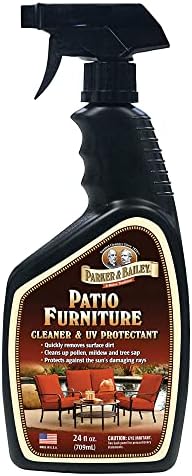
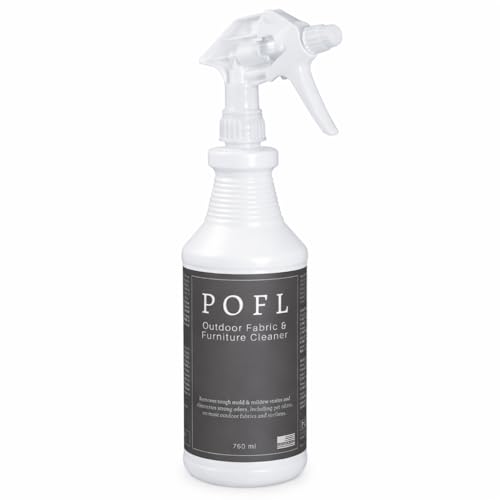
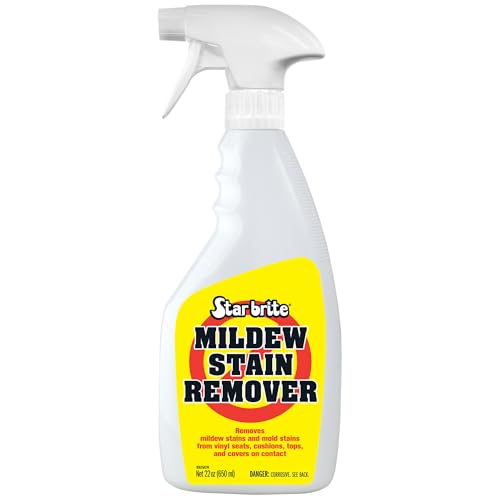
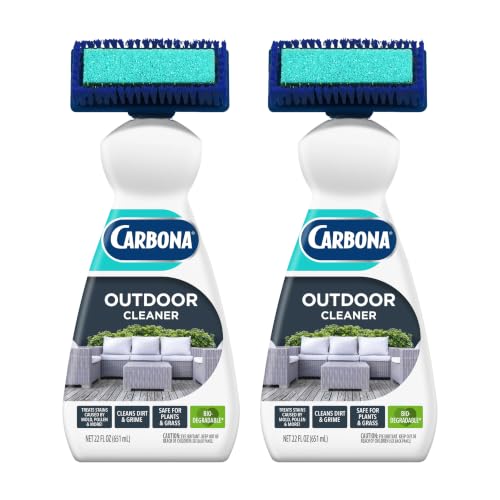
You do not need a shelf full of products to handle most patio messes well. You need the right cleaning strength for the stain, a format you will actually use, and a safe routine for testing and rinsing. Use the comparison table below to compare formats and claims side by side as you read.

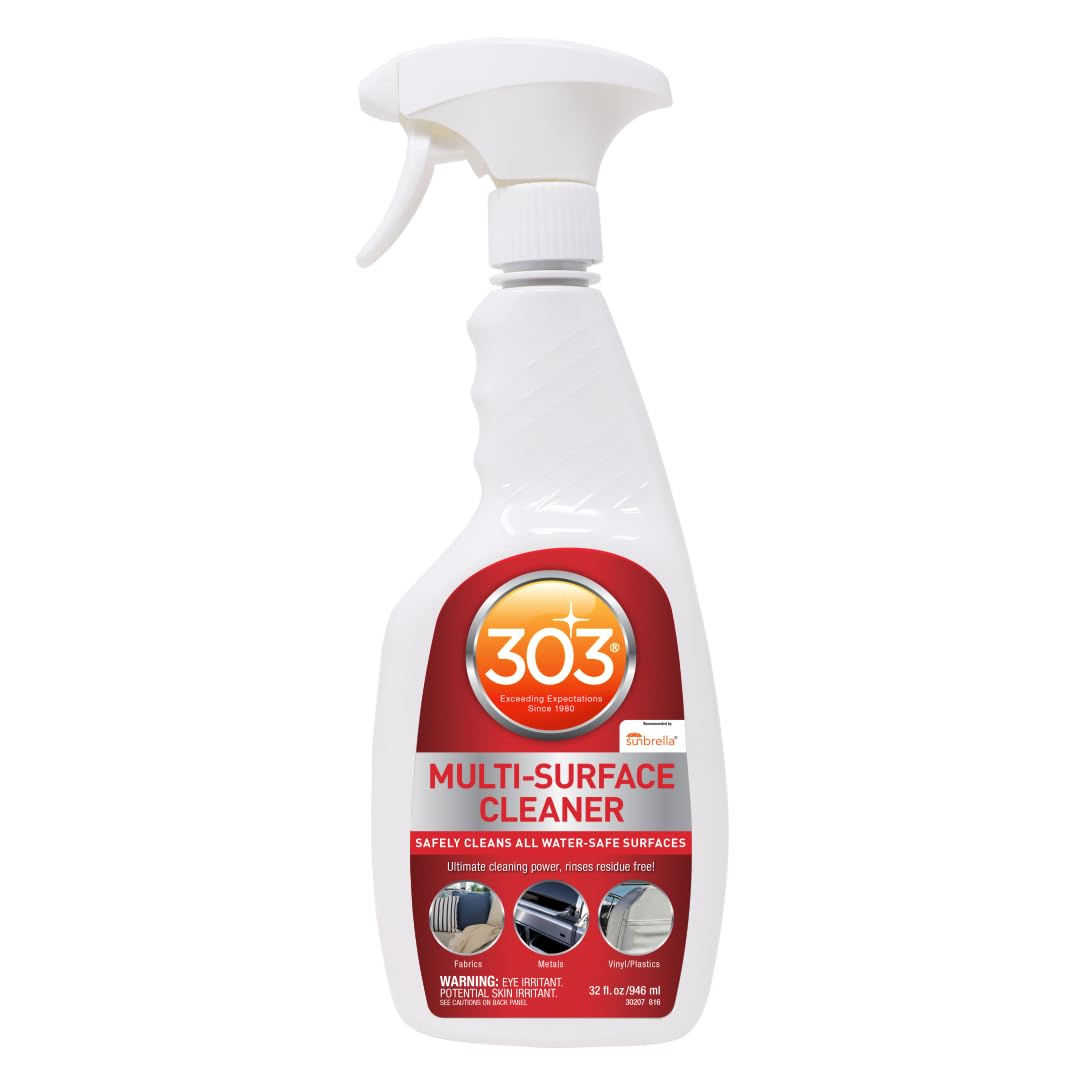
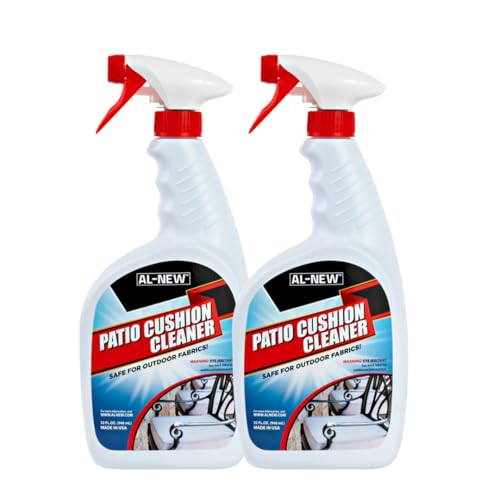

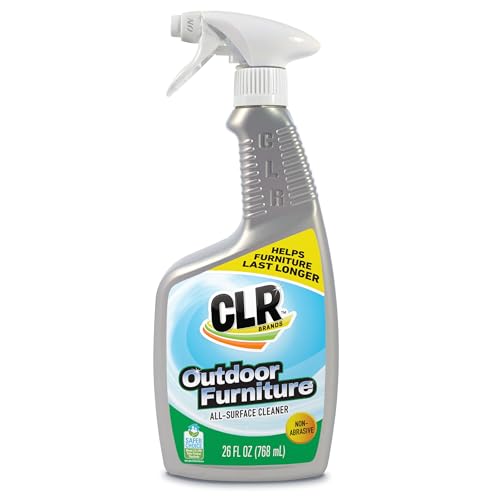
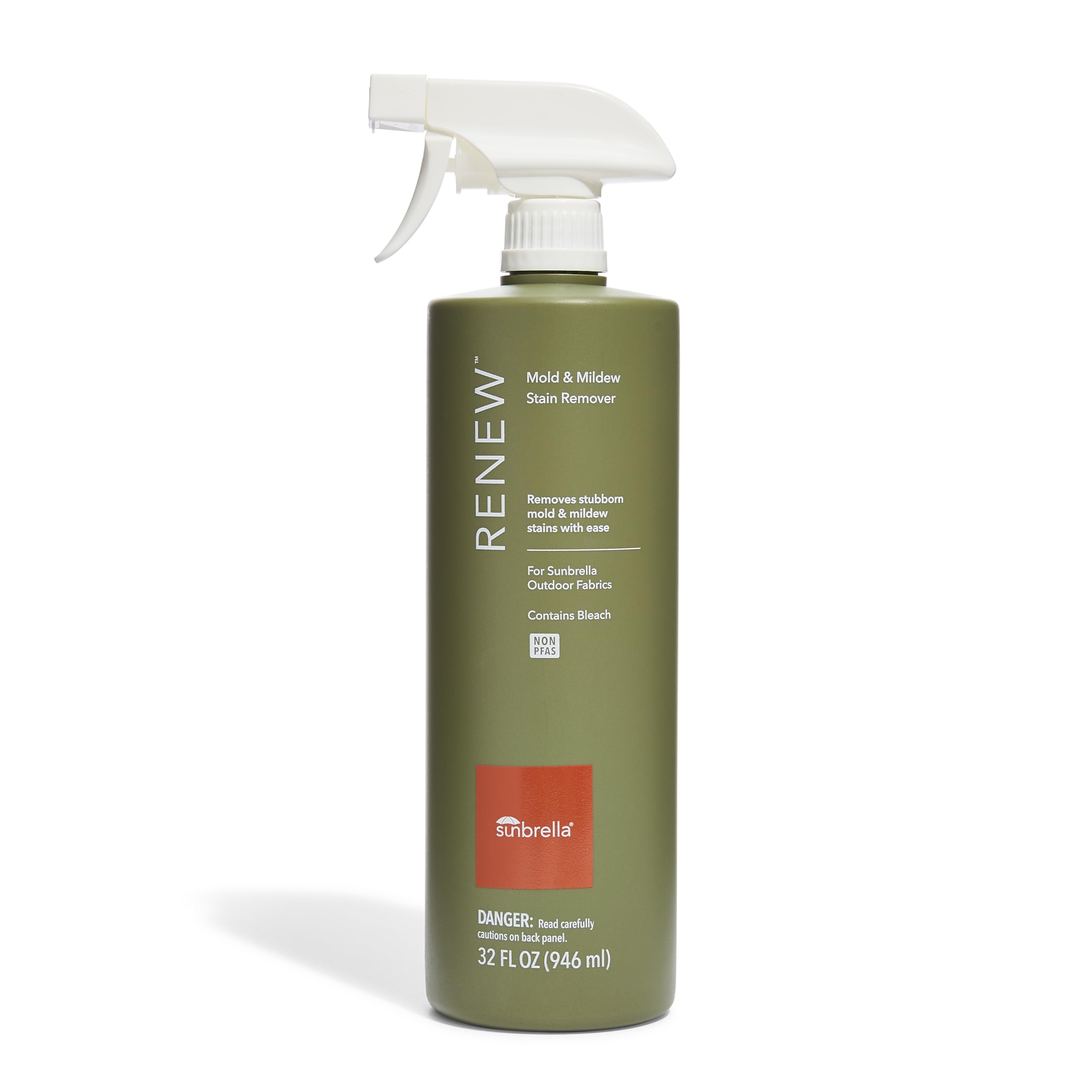

Cleaners 101: The Basics
A cleaner for outdoor cushions is a liquid, gel, or concentrate made to lift dirt from fabric that lives outside in sun, rain, pollen, and dust. Most formulas rely on surfactants, which are ingredients that loosen soil from fibers so water can carry it away. Some formulas add agents that help with mildew stains, grease, or mineral spots, while others focus on gentle everyday washing.
The product works only when it stays in contact with the fabric long enough to loosen the soil. That contact period is often called dwell time on the label, and it can range from a few minutes for light dirt to longer for set in stains. Scrubbing with a soft brush helps the solution reach into woven fibers, and rinsing removes the residue that could attract more dirt later.
Strength is not the same as quality. A strong formula can fade color or weaken a water resistant finish if you use it too often. A mild formula may need a second pass on tree sap or sunscreen, but it is safer for regular care. If you also clean cushions in other spots, see our guide to the best cleaner for outdoor cushions for a broader look at fabric types.
Labels will also use words such as disinfect, biodegradable, and concentrate. To disinfect means to kill many germs on a surface when you follow the exact dwell time and dilution on the label, which is different from cleaning visible dirt. Biodegradable describes how the formula breaks down after use, not how strong it is. A concentrate is a stronger liquid you dilute with water before use, so one bottle can make many buckets of solution. When a label promises the best cleaner for outdoor patio cushions, judge it by those definitions rather than by bold claims.
Key Specs Explained in Plain English
The sections below translate common label claims into decisions you can make at home. Read the fabric tag on your cushions first, because solution dyed acrylic, polyester, olefin, and cotton blends each handle cleaners a little differently. Then match the cleaner to the mess you see most often, rather than buying the strongest bottle on the shelf.
Features That Matter for Outdoor Patio Cushions
Outdoor patio cushions face a mix that indoor fabrics never see, including ultraviolet light, damp nights, airborne pollen, and spills from food and drinks. Look for a formula that says it is safe for outdoor fabrics and for colorfast material, and that rinses clean without leaving a stiff feel. A streak free finish matters on dark fabrics, where dried soap can show as pale lines after the cushion dries in the sun.
Check whether the label allows use on both the cushion cover and the foam insert if the cover does not unzip. Some cleaners are meant only for covers that you can remove and rinse fully. If your covers have a care code that limits solvents or bleach, treat that code as the final word over any general claim on the bottle.
Effectiveness on the Specific Mess
Start by naming your main problem, because no single formula leads on every type of soil. For gray film from dust and pollen, a general fabric cleaner with good surfactants is usually enough. For green or black mildew spots that grow in damp shade, choose a formula that lists mildew stain removal and follow its dwell time closely, since rushing is the main reason those spots stay visible.
For grease from grilling, sunscreen, or lotion, you need a degreasing action that can break up oils before rinsing. For pale crusty rings near sprinklers or pool edges, limescale from hard water may be part of the problem, and a formula that addresses mineral deposits will help more than extra scrubbing. Bird droppings and tree sap are best treated promptly, because both can set if they bake in the sun for days.
Scent and Fragrance Free Options
Scent is a comfort choice that also affects who can sit on the cushions comfortably. A fragrance free formula adds no scent ingredients, which suits people who notice headaches or irritation around strong smells and families who eat outside often. Products labeled unscented may still contain a small amount of masking scent to cover the base odor of the formula, so the two terms are not identical.
Heavily scented cleaners can leave a perfume like smell that clashes with food and lingers on warm fabric in the sun. If you like a light scent, choose one that fades after rinsing rather than one marketed as long lasting. For households with asthma or scent sensitivity, fragrance free is usually the calmer starting point.
Format: Spray, Gel, Wipes, and Concentrate
Format decides how much control you have and how much you pay per cleaning. A spray bottle is ready to use and suits spot cleaning on one or two cushions, but it runs out fast when you clean a full set. A gel clings to vertical surfaces and to thick stains, so it stays in place on chair backs instead of running down the fabric before it can work.
Wipes are handy for a quick pass after a spill, though they hold little liquid and are a costly way to clean deep dirt. A concentrate costs more at first but often gives the lowest cost per bucket, and concentrates and refills also cut down on plastic. The tradeoff is that you must measure and dilute correctly every time, because too much can leave residue and too little can feel weak.
Eco Friendly Packaging and Ingredients
Eco friendly claims cover both what is in the bottle and what happens to the bottle later. Look for specific signals rather than vague green language. The EPA Safer Choice label, for example, means the formula meets a set of criteria for ingredients that are safer for people and the environment while still cleaning as intended. Biodegradable wording is more useful when it names a timeframe or a standard, though many labels keep it general.
Packaging matters too. Refill pouches use less plastic than buying a new spray bottle each time, and a concentrate stretches one container across many cleanings. Natural and eco friendly options often use plant derived surfactants and avoid dyes. Whatever you choose, keep runoff in mind, work where rinse water can reach a drain or gravel area, and never pour leftover concentrate onto soil.
Rookie Mistakes to Avoid
- Skipping the spot test, so a strong formula fades or spots a visible area of fabric that you cannot hide.
- Using a stiff brush or a pressure washer up close, so fibers fray and seams weaken after only a few cleanings.
- Mixing two cleaners to make a stronger blend, so harmful gases can form and the fabric can be damaged.
- Leaving cushions damp and stacked after washing, so mildew grows back faster than before you cleaned them.
- Cleaning only the top face, so dirt and moisture stay trapped on the underside and cause odors.
- Ignoring the care tag and using bleach on a fabric that forbids it, so colors fade and fibers break down.
Most of these errors come from rushing rather than from buying the wrong bottle. Slow down for the test patch and the drying step, and the rest of the job becomes much more forgiving. If you are comparing nearby topics while you learn, see our guide to the best cleaner for patio cushions for notes on cushions used on covered porches and open decks.
Getting Started: Setup and First Use
Begin by taking the cushions off the furniture and shaking or brushing away loose dirt, leaves, and pollen. Vacuum with a brush attachment if you have one, because grit left in the weave can grind into fibers when you scrub. Lay the cushions on a clean hard surface in shade, since direct sun can dry the solution before it has time to work.
Always read the label and test on a small area first, such as the underside or a corner under a seam. Apply a little solution, wait for the full dwell time, rinse, and let that spot dry so you can judge color and texture honestly. Never mix bleach with ammonia or acids, including vinegar based cleaners, because that mix can release gases that harm your lungs. Keep different cleaners in their original bottles with labels intact so no one guesses at the contents later.
Once the test spot looks fine, work one cushion at a time. Wet the fabric, apply the cleaner evenly, and scrub gently with a soft brush in small circles, paying extra attention to piping and seams where dirt collects. Rinse until the water runs clear and no slick soap feel remains. Stand cushions on edge so water drains from the foam, and allow full air drying before you put covers back or stack them.
Set up a simple routine after this first deep clean. Brush off debris each week, blot spills at once, and store cushions dry during long wet spells. If a cushion is torn or stained through after careful cleaning, replacement may be smarter than stronger chemicals, and our guide to the best outdoor patio cushions can help you judge that point. For sets on full furniture frames, see our guide to the best cleaner for outdoor furniture cushions for frame adjacent tips.
Frequently Asked Questions
What features matter most in a cleaner for outdoor patio cushions?
Fabric safety, rinsing clean, and a claim that matches your main mess matter most in a cleaner for outdoor patio cushions. Choose color safe performance first, then mildew or grease help only if you actually see those problems. A useful extra is clear dilution guidance printed in large type, because easy measuring prevents the residue and weak results that come from guessing amounts at the bucket.
How often should you clean outdoor patio cushions with a cushion cleaner?
You should do a full cleaning of outdoor patio cushions at the start and end of the outdoor season, with spot cleaning as spills happen. In dusty or pollen heavy areas, a mid season wash helps keep film from setting into the weave. A helpful habit is to note each deep clean on a phone calendar, so thick foam cushions get enough spacing to dry fully between washes.
What cleaning products should never be mixed when cleaning outdoor patio cushions?
Bleach should never be mixed with ammonia or with acids when cleaning outdoor patio cushions, because those mixes can release dangerous gases. You should also avoid layering two different stain removers on the same spot without rinsing in between. If a first product fails, rinse the area thoroughly, let it dry, and only then try a different approach on a fresh test spot.
Is outdoor patio cushion cleaner safe to use around kids and pets?
Outdoor patio cushion cleaner is safe around kids and pets when you follow the label, rinse well, and let cushions dry completely before use. Keep bottles stored out of reach, and keep children and animals away from the work area while solutions are wet. If a label requires gloves or eye protection for the person cleaning, treat that as a sign to give the cushions extra rinsing and drying time.
Are natural cleaners as effective as conventional cleaners for outdoor patio cushions?
Natural cleaners can be as effective as conventional cleaners for outdoor patio cushions on everyday dirt, pollen film, and fresh spills. They may need more dwell time or a second pass on mildew stains and heavy grease, where conventional formulas often act faster. For best results with either type, pretreating a stain within a day matters more than the ingredient source, because set in soil is harder for every formula.
The Bottom Line
For a first purchase, focus on three things: a formula that is safe for your exact fabric, a claim that matches your most common mess, and a format that fits how many cushions you clean at once. Add fragrance free and refill friendly choices if scent or waste matters in your home, and always protect the fabric with a test spot and a full rinse. Compare your short list in the product table above, and you will be well placed to choose the best cleaner for outdoor patio cushions for your patio without guesswork.
If your set includes large matching pieces across chairs and a loveseat, see our guide to the best outdoor cushions for patio furniture to plan cleaning and storage for the whole set together.


