
Best Cleaner for Leather Chairs: Buying Guide for 2026
Disclosure: We may earn a commission when you buy through links on this page, at no extra cost to you. As an Amazon Associate I earn from qualifying purchases. Learn more

Leather chair owners get clear guidance on the best cleaner for leather chairs: finish safety, pH, format, and residue, with steps for every room.
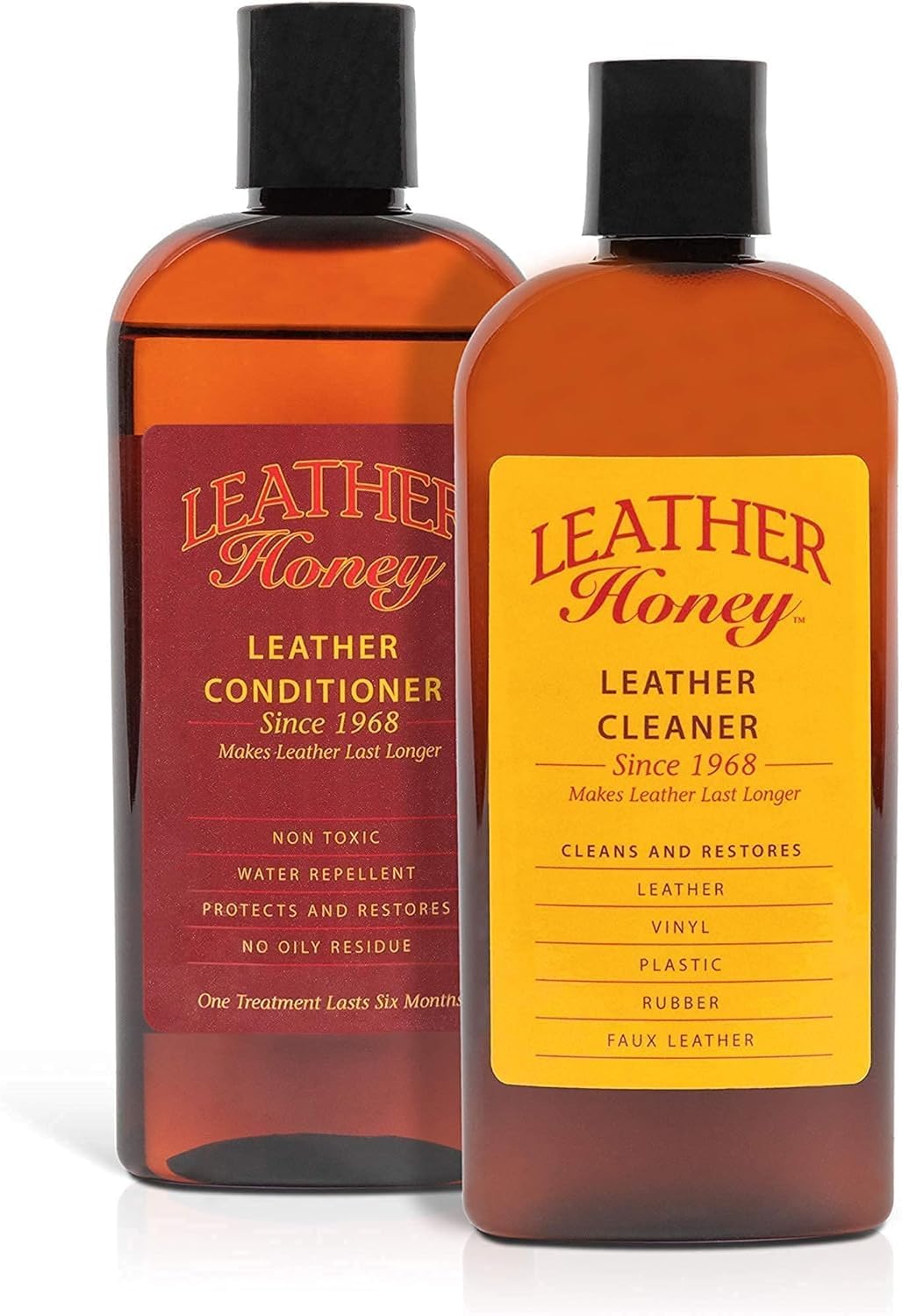
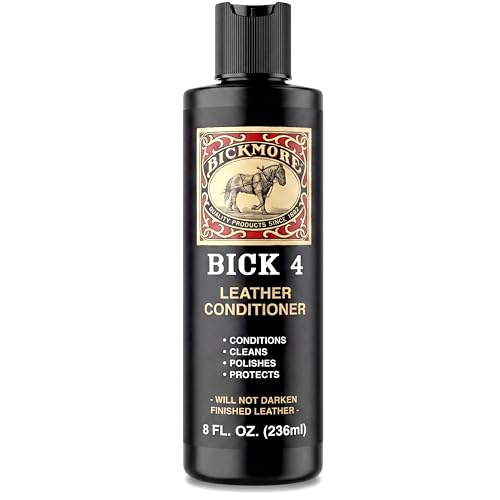
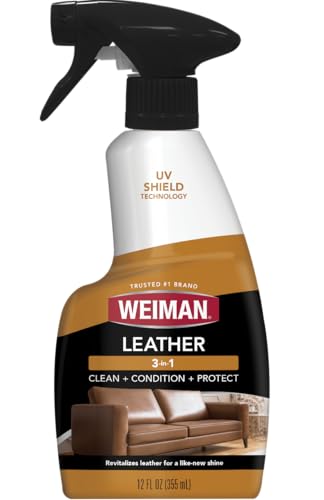
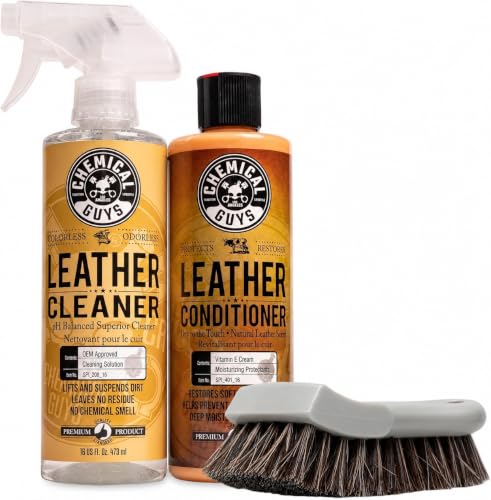
Leather chairs pick up body oil on the armrests, crumbs in the seams and dull dust on the back long before the leather itself wears out. Picking the best cleaner for leather chairs means matching the formula to your finish, because a product safe on one chair can spot or darken another. Use the comparison table below to line up format, finish safety and scent before you buy.
This guide walks through who needs which kind of cleaner, the features that protect color and texture, and the habits that keep cleaning gentle. It covers dining chairs, desk chairs touched all day, and living room chairs that need light, regular care.





Who Should Buy Which Cleaner for Leather Chairs?
Start with how and where you sit, because daily use decides the strength and format you need. If you are still shopping for the chairs themselves, see our guide to the best quality leather chairs first.
Dining Households That Wipe Chairs After Meals
You clean often and in small patches, usually after sauce, butter or sticky fingers reach the seat edge. Choose a mild spray or liquid you can use weekly without drying the surface. A formula that dries fast matters at the table, because the chair may be needed again within the hour.
Owners of Pale or Delicate Leather Chairs
Light colors show every mark, and soft finishes absorb liquids faster than coated ones. You need the gentlest option that still lifts surface dirt, plus a soft cloth that will not drag grit across the finish. Dark clothing can leave color on pale seats, so quick attention to fresh marks helps more than stronger chemicals later.
Desk Chair and Accent Chair Owners Who Clean Often
Your chairs collect hand oil and dust rather than food. A cleaner you can use in small amounts suits you, because control around stitching matters more than wide coverage. If you are still comparing chairs for a home office, see our guide to the best leather desk chairs for seating built for long workdays.
Key Features to Compare in Cleaners for Leather Chairs
Compare each cleaner in the order below, and let finish safety rule out a product first.
Finish Compatibility for the Leather on Your Chairs
Protected leather has a coated surface and tolerates most leather cleaners well, while aniline leather has little coating and absorbs liquid, color and oil quickly. Semi aniline sits between the two and still needs a gentle touch. Bonded and faux leather have thin surface layers that can peel if a formula is too strong. Match the finishes named on the label to your chair tag before you buy.
Balanced pH and Ingredients That Protect Leather
Leather ages best with mild, water based cleaning that lifts dirt without stripping its natural oils. Look for a balanced pH claim, and avoid bleach, ammonia, strong alcohol and harsh solvents, which can dry the surface and fade color. If a general household spray does not name leather on its label, treat that silence as a no.
Cleaning Power for Body Oil, Food and Dye Transfer
Most chair soil is oil darkening on armrests and headrests, food grease near the front edge, and shading where dark jeans rub a light seat. Fresh marks lift with mild cleaners and patience, while older marks may only fade. That balance is why the best cleaner for leather chairs in a busy home is not always the strongest bottle on the shelf. Heavy duty formulas still need a clear leather claim.
Cleaner Only or Cleaner With Conditioning in One Step
A cleaner only product suits frequent light cleaning, because it leaves little behind on coated leather. A combined cleaner and conditioner saves a step on older or drier chairs, where the surface feels stiff after dirt is removed. The trade off is control: separate products let you condition only the dry panels. Choose combined for a simple routine, and separate when chairs vary in age.
Residue, Color Change and a Streak Free Finish
A good cleaner should dry even, with no sticky film that pulls dust back onto the seat. Extra product left in seams is the usual cause of that film, so a formula that wipes away cleanly saves effort. Dark leather shows wiping marks most clearly, which is where a streak free claim earns its keep. Judge the dried result in normal room light.
Scent, Fragrance Free and Safer Ingredient Choices
Scent is a real factor on chairs, because you sit close to the surface for long stretches. Fragrance free options suit dining rooms, small offices and anyone who notices lingering smells. If you prefer lighter impact ingredients, look for biodegradable claims and the EPA Safer Choice label, which signals a review of ingredient safety.
Types of Cleaners for Leather Chairs Compared
Once finish and strength are clear, format decides the routine.
Everyday Sprays for Routine Cleaning of Leather Chairs
Sprays give you small, even amounts and suit wide, smooth panels on protected leather. They are the simplest choice for weekly dust and light marks, because you can mist a cloth rather than the chair and keep seams drier. Work in sections on warm days, since a spray can dry before you finish a large panel.
Creams for Dry or Older Leather Chairs
Creams spread slowly and stay where you place them, which helps on vertical backs and narrow armrests. They suit older chairs that feel dry, because many creams clean gently while leaving the surface more supple. Use a thin layer only, since excess settles in creases and stitching.
Wipes for Quick Touch Ups Between Deep Cleans
Wipes handle a fresh spill or a single dirty panel when you do not want to bring out bottles and cloths. They cost more per use and create more waste, so most homes use them as a backup. If a matching sofa gets the same treatment, see our guide to the best leather cleaner for sofas to check whether one gentle approach can serve both pieces.
Concentrates and Refills for Frequent Cleaning
A concentrate is diluted with water in your own spray bottle, so one purchase covers many sessions and refills cut plastic waste. Cost per use is low, often well under a dollar when a bottle at about $12 to $20 makes many refills. Follow the stated ratio exactly, because a stronger mix is not safer for leather.
Common Mistakes to Avoid
Most damage during cleaning comes from rushed choices.
- Using a kitchen spray or bleach wipe on leather dries the finish and can fade color in a single pass.
- Skipping a spot test on a hidden area means any color change is first seen in the middle of the seat.
- Scrubbing a fresh stain with force spreads it wider and can roughen the surface around it.
- Soaking seams with liquid lets moisture sit in stitching, where it dries slowly and can leave a musty smell.
- Adding conditioner before dirt is removed seals grime in and makes later cleaning harder.
Care and Maintenance for Leather Chairs
Dust first with a dry, soft cloth so loose grit does not scratch during cleaning. Try the cleaner under the seat and wait for it to dry before judging color. Apply a small amount to your cloth, wipe in small sections with light pressure, and buff with a clean dry cloth as you go.
Keep chairs out of long, direct sun and away from heat vents, because heat and light dry leather even between cleans. Blot spills promptly with a dry cloth rather than rubbing them in. Store your cleaner closed and out of reach of kids and pets. Condition only when leather feels dry after cleaning.
FAQ
What features matter most in a cleaner for dining room leather chairs?
Fast drying and a mild scent matter most at the dining table. A chair cleaned after lunch should be dry and odor free by dinner, so favor light sprays over slow creams for meal areas. Check that the label covers food grease, since dining soil differs from office dust. Keep the cleaner near the dining room, because a product stored far away rarely gets used.
How often should you clean leather chairs that get daily use?
Daily use chairs benefit from a light wipe each week and a fuller clean about once a month. Armrests and headrests gather oil faster than backs, so those panels may need attention twice as often. Dry heated air in winter can leave leather looking dull sooner, a cue to inspect rather than add more product.
Is a leather chair cleaner safe to use around kids and pets?
Yes, a leather chair cleaner can be used in homes with kids and pets when you follow the label and let surfaces dry fully first. Keep children and animals out of the room while you work, open a window for airflow, and never let anyone sit on damp leather. If a child or pet swallows a product, contact a doctor, a vet or poison control right away.
Are natural cleaners as effective as regular cleaners on leather chairs?
Natural cleaners handle fresh dust and light marks on leather chairs about as well as regular mild options. They are less reliable on older oil buildup and set dye marks, where patience matters more than ingredient origin. Avoid homemade acid mixes such as vinegar solutions, because acid can dull the finish. Judge any option by its leather claim and spot test.
What should never be mixed together when cleaning leather chairs?
Never mix bleach with ammonia or with acidic cleaners, because the mix can release harmful fumes. Avoid layering two different leather products in one session, since you cannot tell which one caused a spot or film. Use one product at a time and open a window before you start. If two chemicals are mixed by accident, leave the room for fresh air and seek advice before returning.
The Bottom Line
Match the cleaner to your finish first, then choose strength for the soil you actually see and a format you will use often. Gentle, regular cleaning protects color and texture far better than rare work with a harsh product. Use the product table above to compare finish safety, format and scent.
When you choose the best cleaner for leather chairs for your finish and your routine, small regular cleans protect the leather and keep every seat ready to use.


