
Best Cinema Chairs: Everything to Know Before Your First Purchase in 2026
Disclosure: We may earn a commission when you buy through links on this page, at no extra cost to you. As an Amazon Associate I earn from qualifying purchases. Learn more

Buying your first cinema chairs? The best cinema chairs compared on seat size, recline, row spacing and cushion depth, and what a first buy must get right.
A cinema chair is seating built for one job: watching a screen for two hours or more without fidgeting. If this is your first purchase, the safest way to shop for best cinema chairs is to start from the screen and work backwards, because screen size and room length decide the seat long before style does. The comparison table below gathers the models and price bands in one place so you can match them against your room as you read.
This guide walks through the basics in plain English, then the specs that actually change how a film feels: viewing distance, recline, row spacing, cushion depth, and frame build. It ends with the mistakes first time buyers make most often and a short setup routine for the day the chairs arrive.


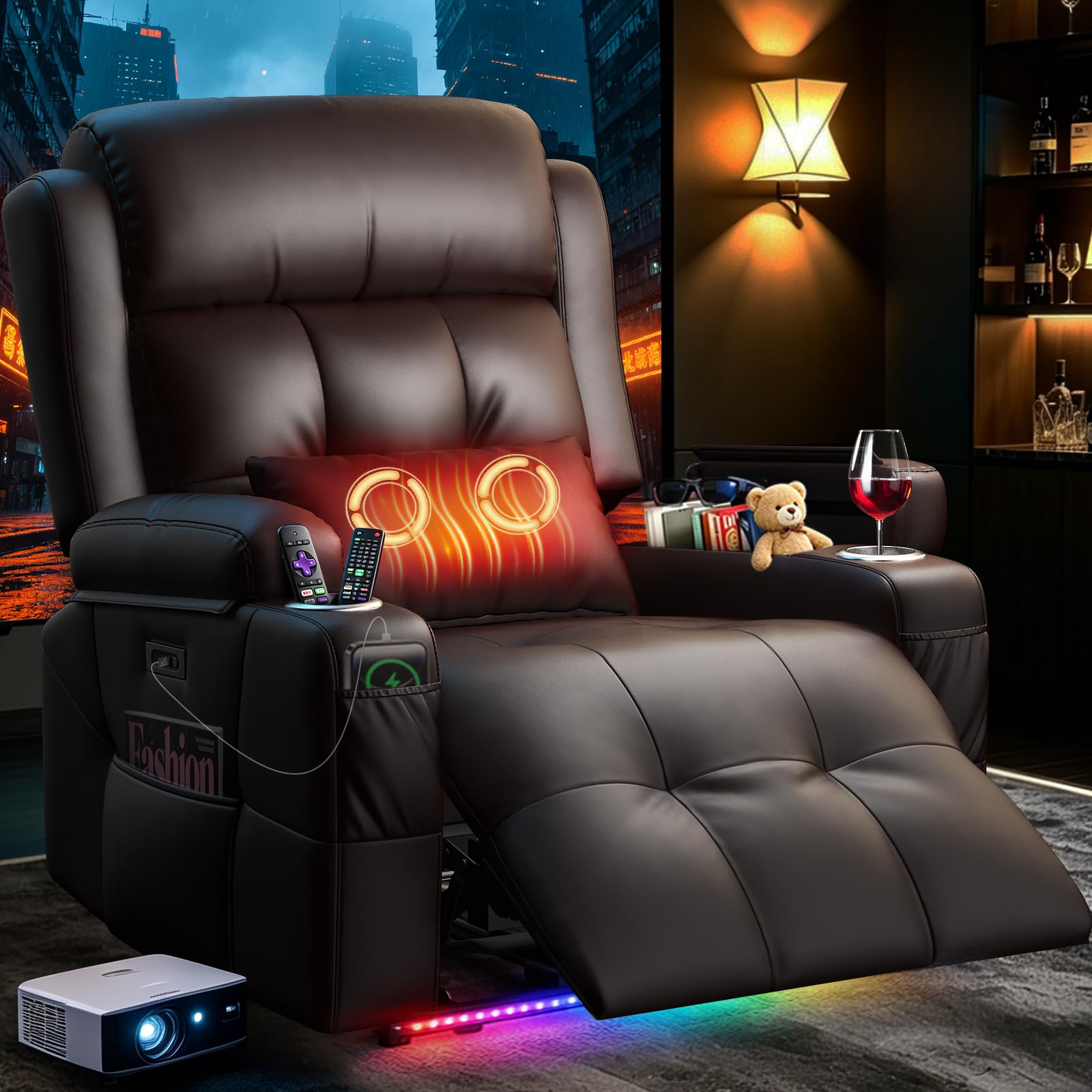
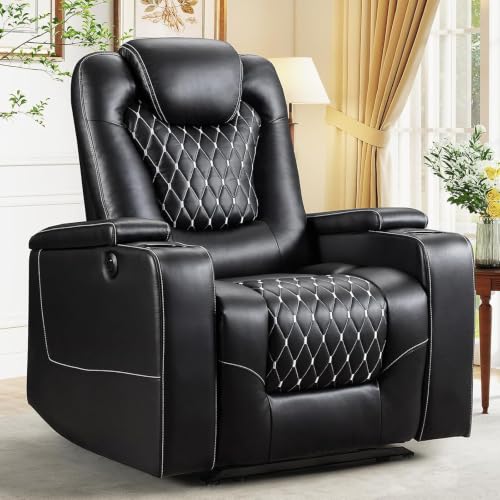

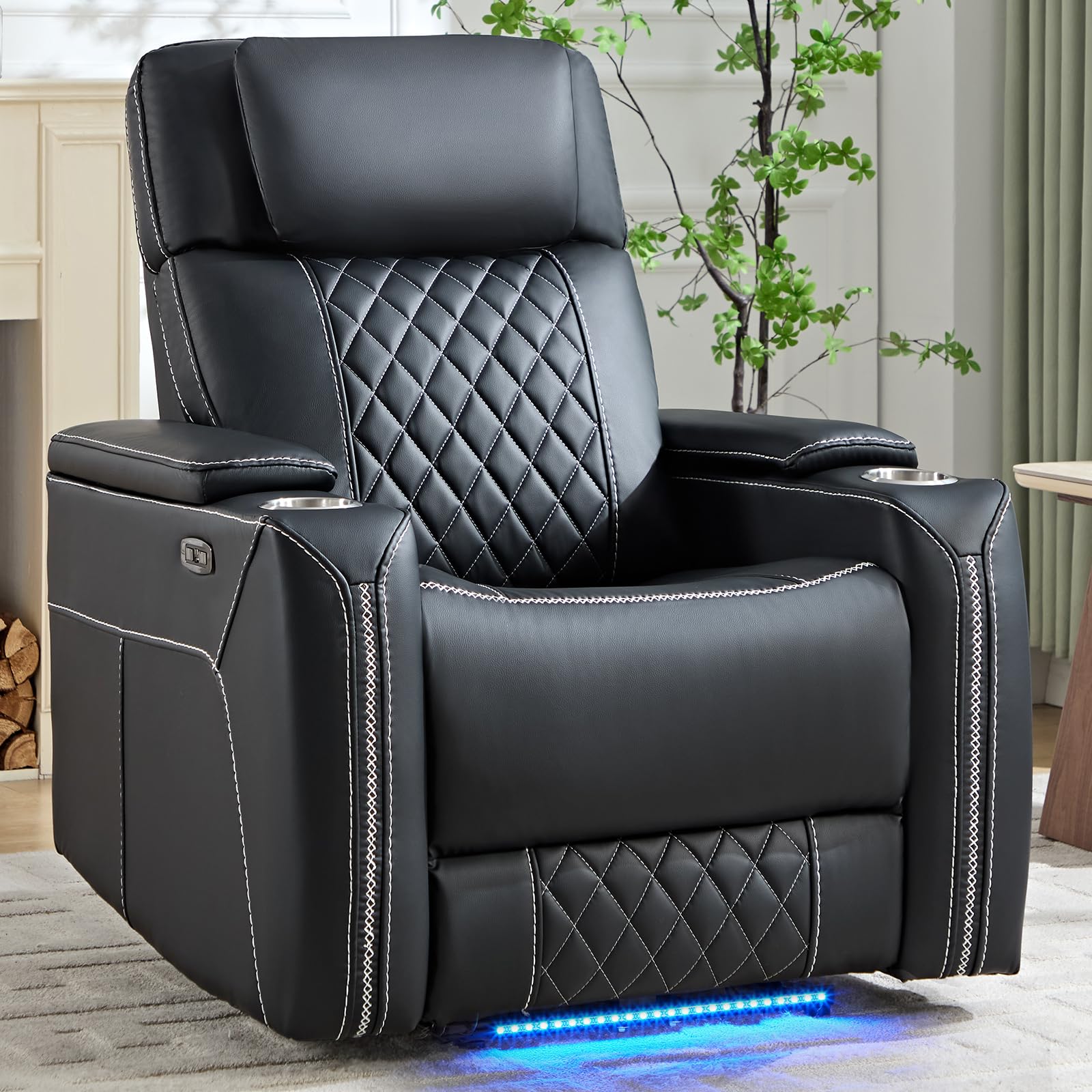

Cinema Chairs 101: The Basics
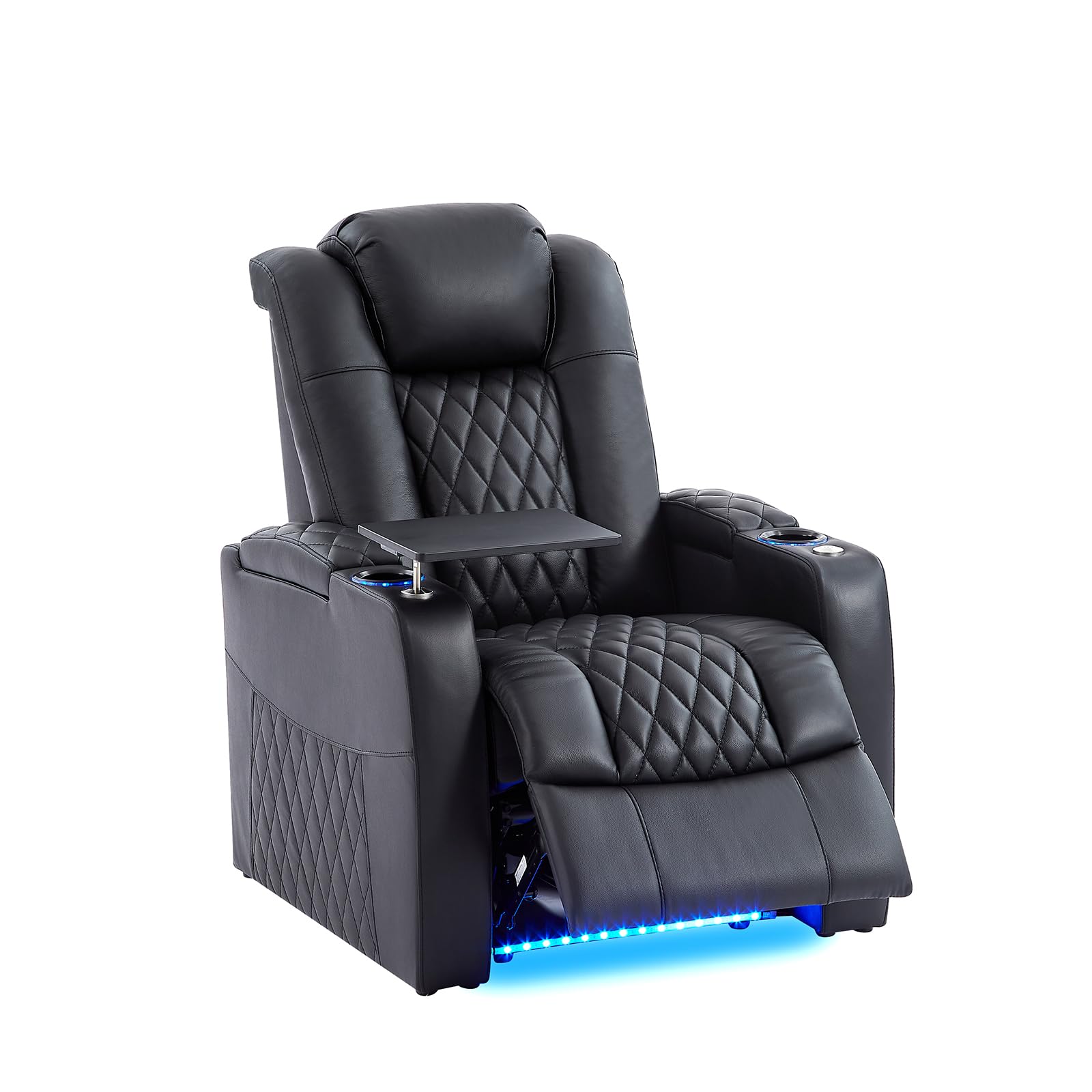
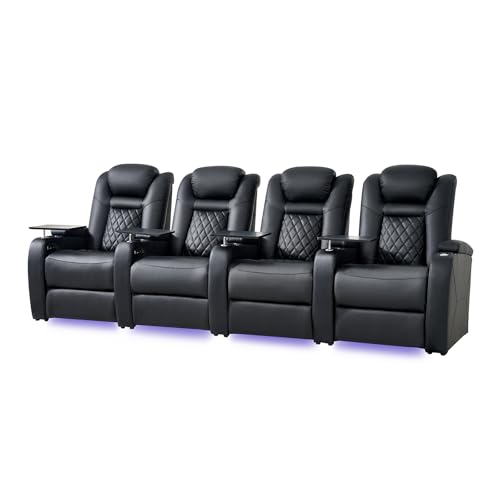
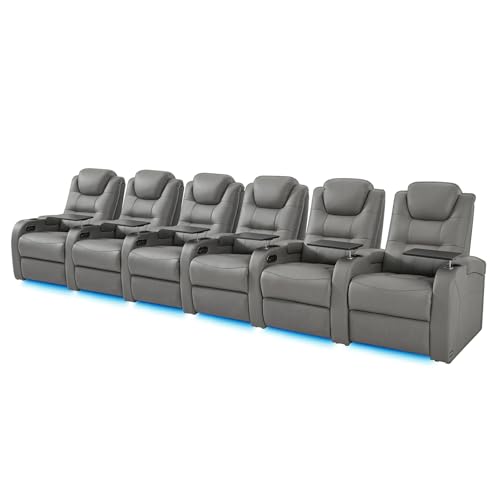
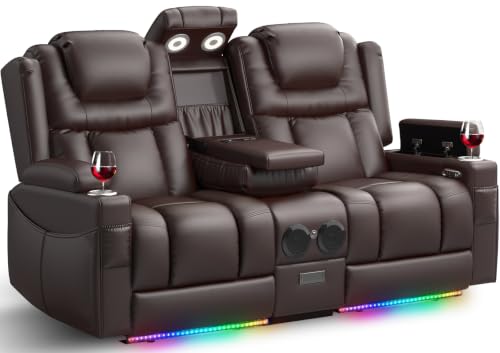
A cinema chair is a wide, deeply padded seat with a reclining back, a raised headrest area, and arms broad enough to hold a drink and a remote. Unlike a sofa, each seat is its own unit, so every viewer gets the same support and viewing angle. Most are sold as single seats that join into rows, so a two seat room and a six seat room are built from the same parts.
Read every cinema chair against the screen it faces. A seat is not comfortable or uncomfortable on its own; it is right or wrong for a viewing distance. A deep recline that feels wonderful at fourteen feet can strain your neck at eight feet, because reclining tips your eyes upward and the screen has to sit where your gaze lands. Viewing distance and recline depth together decide the seat class you should buy, and room length is the first number to measure.
Desk seating belongs to a different class entirely. Readers cross shopping desk guides such as best officer chairs or best office task chairs will find upright postures, rolling bases, and work surfaces, none of which suit a dark room and a two hour film. Keep the two purchases separate and judge each class by its own job.
Key Specs of the Best Cinema Chairs Explained in Plain English
Viewing Distance and Recline
Start with the distance from the screen to the back of the viewer's head, then choose the recline class that fits it. A common planning range is about one to one and a half times the screen width for the seating distance, and deeper recline works better at the longer end of that range. A chair that leans far back also needs clear floor behind it, often about 12 to 18 inches for a full recline, unless it is a wall saver design that slides forward as it leans. Measure the room with the chair reclined, not upright.
Rows and Risers
Rows are part of the purchase, not an afterthought. A second row sits higher than the first, and that height comes from a riser platform, usually about 8 to 14 inches tall depending on screen height and the size of the viewers in front. Row spacing matters just as much: leave about 36 to 42 inches from the back of one row to the back of the next so reclined viewers do not park their feet against the row ahead. A second row means buying the platform and the extra floor depth along with the seats.
Seat Shape and Adjustability
The useful adjustments on a cinema chair are headrest angle, lumbar feel, and arm width, not the long list found on desk chairs. A headrest that tips forward supports your head when the back is reclined; a fixed flat headrest can push your chin down at full lean. Arm width decides whether two viewers share an arm or each needs their own, which changes the total width of a row by several inches. Buyers who have looked at best video game chairs will recognize the high back and side bolsters, but gaming seats sit upright for a desk, while cinema seats are shaped for a reclined, feet up posture.
Comfort and Cushioning
Cushion quality is a density question. Firmer, denser foam holds its shape and supports your hips through a long film, while very soft foam feels plush for ten minutes and then lets you sink until your lower back rounds. Treat a two hour sitting as the measure: any seat you consider should feel as supportive at the end of a film as at the start. Massage seating sits in a separate wellness device class; guides to best massage massage chairs cover powered kneading seats built for short sessions, a different purchase from a passive reclining seat built for watching films.
Size, Dimensions, and Weight Capacity
Measure three things before ordering: the room, the doorway, and the viewers. Seat width per person usually runs about 24 to 30 inches inside the arms, and seat depth near 20 to 22 inches suits most adults, while deeper seats leave shorter viewers without back support unless a cushion fills the gap. Check the stated weight capacity for every seat, and check the delivery path as well, since a joined row that fits the room may not turn through a narrow hallway.
Build Quality and Frame
The frame and the recline mechanism decide how long the chair stays quiet and even. Hardwood or steel framing, a mechanism with smooth travel, and seams that sit flat are the signs to look for in the product details. Shoppers comparing broader seating guides such as best quality chairs will see the same rule applied everywhere: joints and moving parts fail before fabric does. Work the recline through its full range on delivery day and listen for clicks or grinding that signal a mechanism to reject.
What a First Purchase Costs
Per seat, entry level cinema chairs run about $300 to $700, mid range seats with better foam and smoother mechanisms run about $700 to $1,500, and premium leather seats run about $1,500 to $3,000. Rows multiply the seat price, and a second row adds the riser platform on top. For a first purchase, the middle band is where most buyers land, because foam density and mechanism quality are exactly what the extra money buys, while the top band mostly buys finer covering materials.
Rookie Mistakes to Avoid
- Measuring the room with the chairs upright, then finding the reclined seats hit the wall behind them.
- Buying a second row without budgeting for the riser, so the back row watches the heads in front instead of the screen.
- Choosing the softest showroom cushion, which feels plush for minutes and unsupportive by the second hour.
- Forgetting the delivery path, so a joined row cannot turn through the hallway or the door of the media room.
- Spending on powered extras and cup chiller features while cutting the budget for foam density and frame build.
Getting Started: Setup and First Use
Place the front row at your measured viewing distance first, and sit in it facing the screen before joining any seats together. Work each recline through its full range and confirm the clearance behind, then mark the row position on the floor. If you have a second row, set the riser, repeat the sight line check from the back seats, and make sure a reclined front viewer stays below the back row's view of the bottom of the screen. Tighten every bolt again after the first week of use, because new mechanisms settle.
Frequently Asked Questions
How long should a good cinema chair last?
A well built cinema chair should last about 8 to 12 years of regular use. The recline mechanism usually wears first, rated by cycles rather than years, so a household that watches nightly ages a chair faster than a weekend room. Covers show wear before frames do, and the middle seats of a row, which everyone chooses first, soften sooner than the end seats. Rotating which seats get used most evens out the wear.
How do I choose the right size of cinema chair?
Choose the size from the tallest and shortest regular viewers, not from the room alone. Seat depth near 20 to 22 inches suits most adults, but shorter viewers need their feet supported when reclined, either by the raised footrest angle or by a small cushion behind the back. Check seated eye height too: the center of the screen should sit near eye level in the reclined position, and a deep recline lowers eye height by several inches compared with sitting upright.
What features matter most for long hours in a cinema chair?
Seat depth, foam density, and headrest support matter most for long hours. A seat that is too deep leaves your legs unsupported, a seat that is too shallow crowds your thighs, and both errors show up as fidgeting in the second hour. Arm height matters more than most buyers expect, because shoulders creep upward on arms that sit too high. If your room runs warm, breathable covering fabric will feel better across a double feature than sealed surfaces that trap heat against your back.
Is an expensive cinema chair worth it?
An expensive cinema chair is worth it when you watch often enough for the cost per film to shrink. A seat used four nights a week spreads its price across hundreds of sittings, and the better foam and mechanism are what survive that pace. For a room used once a month, the mid range band delivers most of the comfort for far less money. Either way, compare any candidate against the product table above and spend first on the frame, the foam, and the fit for your screen distance.
Final Thoughts
For a first purchase, let the screen lead: measure the viewing distance, choose the recline class that fits it, and treat any second row as a platform purchase with its own budget line. Then judge best cinema chairs by foam density, seat depth, and frame build, in that order, and let powered extras come last. The product table above pulls the current bands together, so match each seat against your room measurements before you order, and your first row will feel right from the opening scene.


