
Best Cherry Wood Pellets (2026): 3 Picks That Fit Real Homes
Disclosure: We may earn a commission when you buy through links on this page, at no extra cost to you. As an Amazon Associate I earn from qualifying purchases. Learn more
Shopping for the best cherry wood pellets? Here are 3 picks that suit different homes and budgets, plus a quick checklist so you choose right the first time.
Sunday lunch at your house might mean ribs for six, a turkey at the holidays, and chicken thighs most weekends in between. One bag of pellets has to handle all of it without taking over the garage. The best cherry wood pellets give you mild, slightly sweet smoke that suits family cooking, and they forgive small mistakes in temperature better than stronger woods do.
This guide helps you choose by household size, how often you cook, and what storage space you actually have. Work through the comparison table below first, then use the checklist to match a pellet type to your routine before you spend anything.

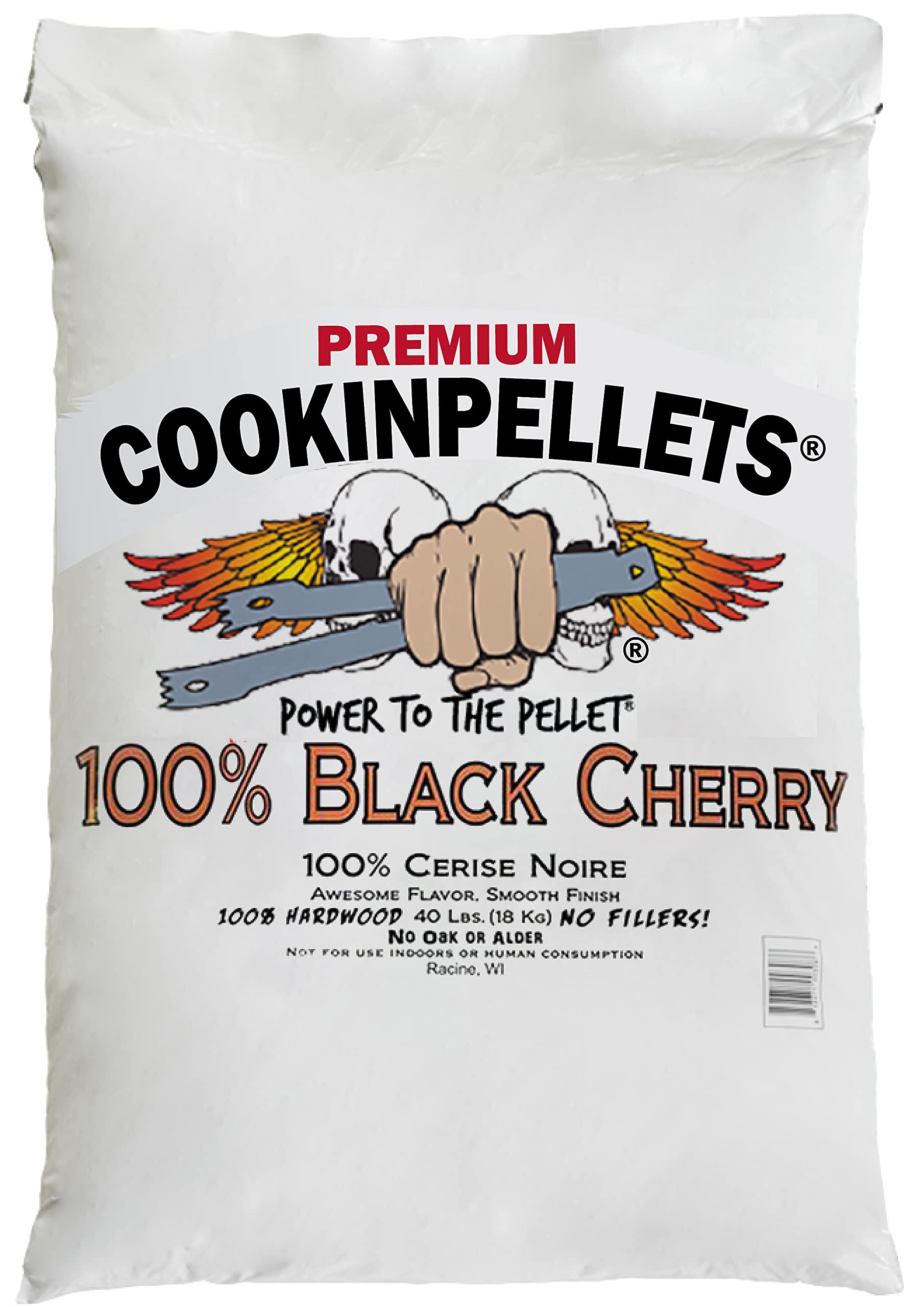


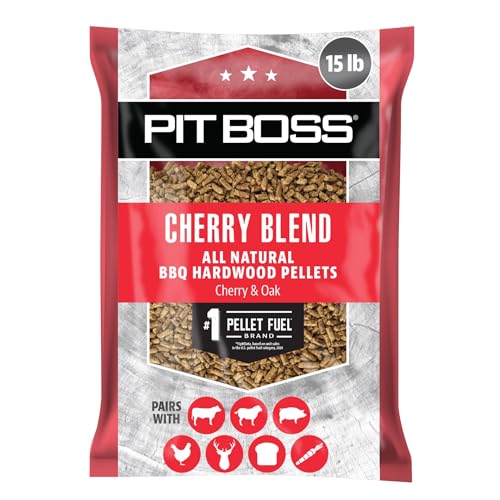
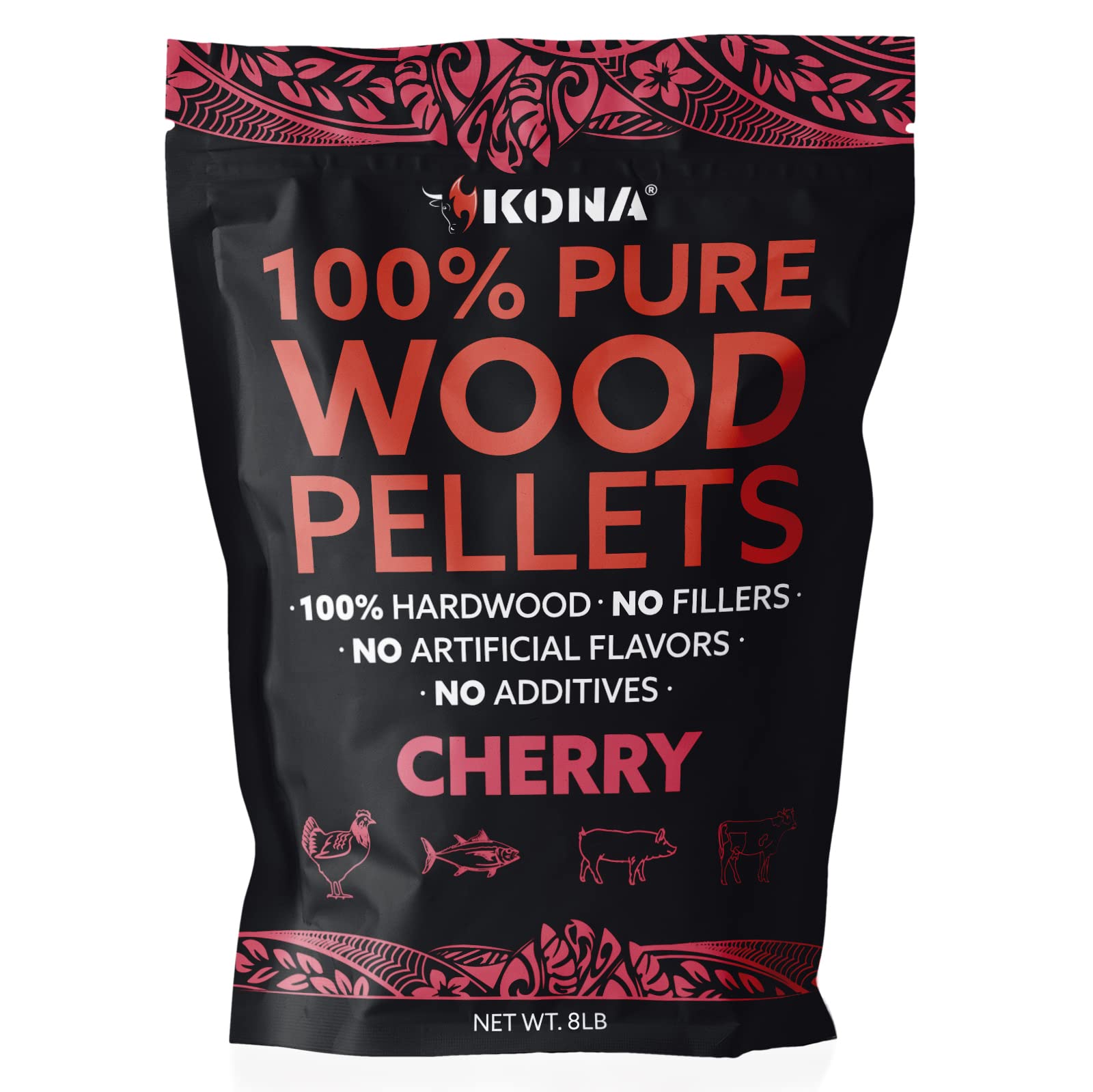
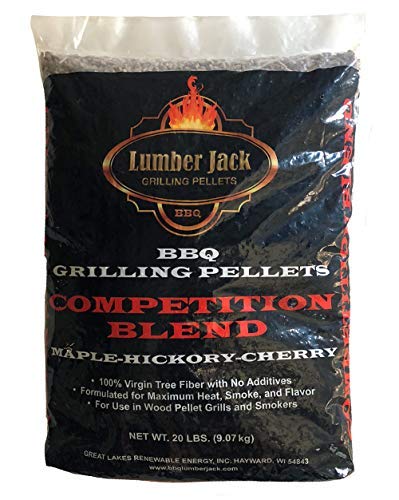
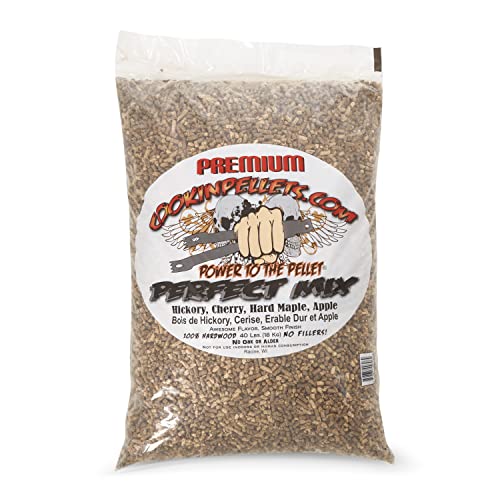

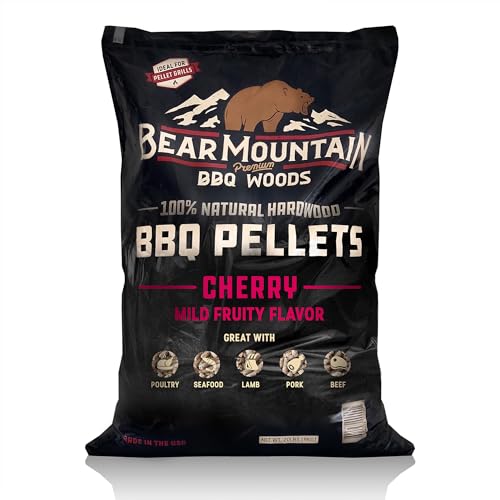
Quick Answer: What Kind of Cherry Pellet Fits Your Home
Most households do well with one of three formats. Pure cherry pellets are all cherry hardwood, and they deliver the clearest fruitwood flavor for cooks who smoke often. Cherry blends mix cherry with oak or other hardwoods, burn a little steadier, and usually cost less per pound. Large bags suit big families and frequent cooks, while smaller bags suit occasional use and tight storage.
If you are still comparing wood species in general, start with our guide to the best wood pellets to see where cherry sits among the main options. Then come back here and pick the format that matches your grill time and your shelf space.
Before You Buy: A Quick Checklist for Choosing Cherry Wood Pellets
A bag of pellets looks simple, but small differences in blend, moisture, and bag size decide whether cooking stays easy or turns into a chore. The four checks below take about a minute at the shelf or on a product page, and they prevent most of the complaints pellet owners end up posting later.
Which Type Fits Your Routine
Pure cherry pellets give the strongest cherry character, a mild sweetness that works on pork, poultry, and vegetables without covering up the food itself. They suit cooks who smoke most weekends and want one signature flavor. Cherry blends, where cherry shares the bag with oak, hickory, or maple, burn with a firmer base note and a gentler fruit finish. Blends suit households that grill burgers and steaks as often as they smoke, because the flavor stays flexible across quick and slow cooks. If your family prefers gentle smoke that never dominates, lean toward a blend with cherry listed first, since the first wood named usually makes up the largest share.
Materials and Food Safety
Look for pellets pressed from pure hardwood sawdust with no fillers, oils, or added flavoring agents. Heat and pressure during pressing release the natural lignin in the wood, and that lignin is what binds each pellet, so a good bag needs no glue or binder at all. The label should say the wood is food grade and name the species used. Avoid pellets meant for heating stoves, since heating pellets can contain treated wood, bark heavy material, and additives that have no place near food. If a bag will not say what is in it, that silence is your answer.
Moisture, Dust, and Pellet Condition
Good pellets look slightly glossy, feel hard, and snap cleanly instead of crumbling. A bag with lots of loose dust at the bottom tells you pellets have broken down, and broken pellets feed unevenly through an auger. Moisture is the quiet enemy here. Pellets that have absorbed damp air swell, lose their shine, and can jam the feed system mid cook. Squeeze a few pellets through the bag when you can, and favor brands that pack pellets in sturdy bags with a tight seal, since thin bags tear in a garage and invite damp in.
Realistic Budget Ranges
Most cherry pellets for home grills fall between about $15 and $40 per bag, and size drives most of that gap. A small bag at under $20 suits a household that smokes a few times a season and wants to test cherry flavor before committing. Bags around $20 to $40 usually hold about twice as much and drop your cost per cook sharply, which matters if you smoke weekly. Premium pure cherry bags sit at the top of the range, and you pay for a single wood source and tighter quality sorting rather than for stronger smoke.
Cherry Pellet Types Compared: Pure Cherry and Blends Side by Side
Pure cherry is the choice when flavor leads the decision. Its smoke runs mild and sweet, adds a deep reddish tint to meat, and rarely turns bitter during long cooks. It is the pellet many home cooks reach for when feeding guests who dislike heavy smoke. The trade off is price and availability, since a single wood bag costs more to produce and sells out faster in peak season.
Cherry blends answer a different need. Mixing cherry with oak gives you steadier heat and a pellet that holds together well in the bag, and the cherry still shows up as a soft sweetness on the finish. Blends are the practical pick for weeknight grilling, where you want some smoke character on chicken or chops without planning a full smoke session. Households cooking for picky eaters often land here, because the smoke stays in the background while the food remains the focus.
Bag size is the third decision, and it ties directly to your home. A large bag is cheaper per pound but demands dry shelf space and a sealed bin. A small bag costs more per cook yet stays fresh in a hall closet or a corner of the pantry, which suits apartments and smaller homes where the garage is already full.
Cherry vs Other Woods: What Changes at the Table
Cherry sits on the mild end of the smoke scale, close to apple but with a slightly deeper color and a rounder finish. Hickory brings a stronger, bacon like punch that can overpower chicken and fish, while mesquite is stronger still and burns hotter in flavor terms, suiting bold beef cuts more than family poultry nights. Oak lands in the middle, neutral and dependable, which is why it anchors so many blends.
For big cuts, many cooks pair cherry with a firmer wood rather than using it alone. If brisket is on your menu, see our guide to the best wood pellets for brisket for pairing ideas that keep the bark firm. For gentler cooks, our guide to the best wood pellets for ribs shows why cherry is a favorite there, and holiday cooks can check the best wood pellets for turkey for timing notes. Cherry rewards households that want flavor everyone at the table enjoys, not just the person running the grill.
Common Buying Mistakes to Avoid
- Buying a heating pellet by accident. Stove pellets can contain treated material and additives, and using them with food risks off flavors and unsafe residue on what you serve.
- Ordering the biggest bag without storage. Pellets left in a damp garage swell and crumble, so a bargain bag can end up feeding the trash bin instead of your grill.
- Expecting strong smoke from cherry alone. Cherry is mild by nature, so cooks chasing a bold hickory style bite end up disappointed and blame the bag instead of the wood choice.
- Ignoring the dust at the bottom of the bag. Heavy dust signals rough handling and broken pellets, which can cause uneven feeding and temperature swings during a long cook.
- Judging by bag weight alone. A cheaper bag with fillers or high moisture gives you less usable fuel, so price per pound only helps when the pellets are pure wood and dry.
Cost of Ownership and Care
Running costs stay simple with pellets. Your main expense is the fuel itself, and a household that smokes twice a month usually goes through a mid sized bag in a season. Buying the larger bag when you have dry storage lowers that cost per cook, while buying small and often keeps every bag fresh. There are no filters or pads to replace, so storage habits are where your money is protected or lost.
Keep pellets off bare concrete, since floors wick moisture upward into the bag. Pour what remains into a sealed plastic bin with a tight lid, and keep the bin indoors or in the driest corner of the garage. Our full guide on how to store wood pellets walks through bin choices and humidity trouble spots. Before each cook, empty old pellets from the hopper if the grill sat unused for weeks, because hopper pellets absorb damp air faster than bagged ones. Vacuum ash from the fire pot on a regular schedule too, since ash buildup smothers the fire and wastes fuel.
Your Questions, Answered
Are cherry wood pellets strong enough for beef?
For burgers, steaks, and meatloaf, yes, cherry gives a pleasant sweetness that suits beef well. For a long brisket cook where you want a pronounced smoke ring and bold bark, cherry alone can taste soft. Many cooks run cherry for the first part of the cook, then switch to an oak heavy blend so the finish stays firm without losing the fruit note entirely.
Can cherry wood pellets be used in any pellet grill?
Nearly all pellet grills accept standard food grade pellets of any wood species, and cherry is no exception. The detail worth checking is pellet size and condition rather than flavor. Your grill manual will state whether it requires pellets only or allows chips in a tray, and feeding swollen or crumbly pellets invites auger jams in any brand of grill, so condition matters more than the badge on the door.
How many pounds of cherry pellets does one cook use?
A typical pellet grill burns about 1 to 2 pounds per hour, with low smoking temperatures near the bottom of that range and high heat grilling near the top. A six hour rib cook at a gentle setting might use about 6 to 8 pounds. Cold or windy weather raises the burn rate, since the grill works harder to hold temperature, so keep a spare margin in the hopper for winter cooks.
How can you tell if cherry wood pellets have gone bad?
Good pellets shine slightly, feel hard, and smell faintly of fresh wood. Pellets that have taken on moisture look dull, feel soft, crumble between your fingers, and may carry a musty smell. A bag that has swollen or partly turned to sawdust should not go in the hopper. Our guide on how long do wood pellets last explains shelf life in more depth, including how storage conditions shorten it.
Do cherry wood pellets change the color of smoked meat?
Yes, and this is one reason cooks love them. Cherry smoke lays down a rich mahogany tone, especially on poultry skin and pork, so food often looks deeply smoked before it tastes that way. That color can fool you during a cook, so judge doneness with a thermometer rather than by surface shade, particularly on whole birds where the skin colors early.
Final Thoughts
Cherry rewards a simple buying approach. Pick pure cherry if flavor leads, a cherry blend if flexibility and price lead, and a bag size that matches the dry storage you honestly have. Condition matters as much as species, so buy from sellers who store bags indoors and turn stock over quickly.
Start with the best cherry wood pellets for your routine, keep them sealed and dry, and let the mild sweetness do its quiet work. When you want to compare formats or prices before your next cook, look back at the product table above and match it against the checklist in this guide.


