Best Cleaners for Grills: A First Time Buyer's Guide for 2026
Disclosure: We may earn a commission when you buy through links on this page, at no extra cost to you. As an Amazon Associate I earn from qualifying purchases. Learn more

Shopping for the best cleaners for grills for the first time? Learn the terms, compare options, and avoid rookie mistakes with this easy guide.
Grease, carbon, and sauce build up on a grill in layers, and each layer needs a different kind of cleaner. The best cleaners for grills break baked on grease loose from the grates and firebox without eating into the metal or leaving a chemical taste on the next meal. This guide explains the main cleaner types, what each one is for, and how to pick between them for the grill you own. The comparison table below groups the options so you can match a type to your mess before you read the detail.
Start by naming the job. A weekly wipe of a gas grill needs something gentle and food safe. A grate crusted after a season of neglect needs a heavy duty degreaser and patience. Buying the strong product for the light job wastes money and adds rinsing, while buying the light product for the heavy job leads to an hour of scrubbing.



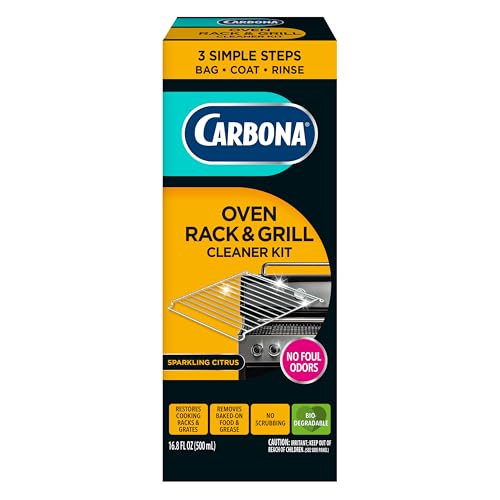
Types of Cleaners for Grills
| Type | Best For | Strength | Limit | Typical Price |
|---|---|---|---|---|
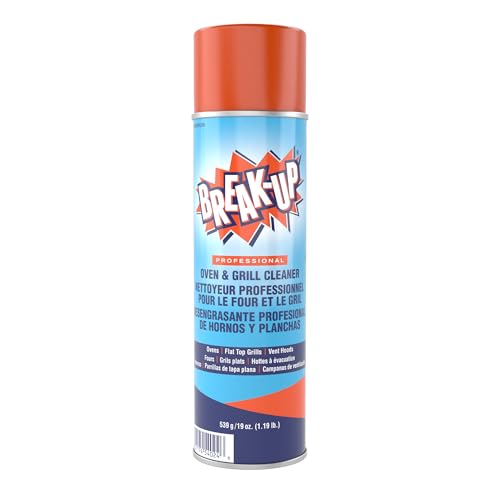
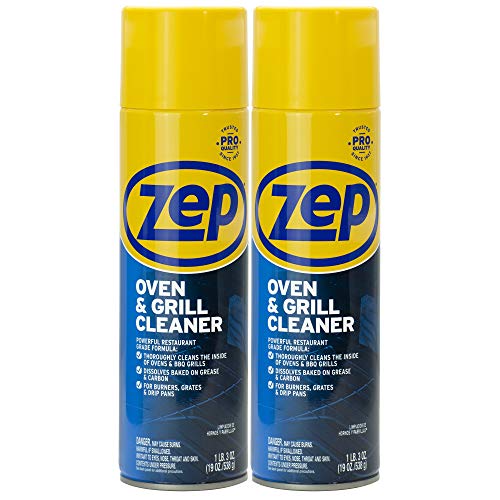
| Heavy duty grate degreaser | Carbon crust, old grease on grates and burners | Dissolves baked on buildup | Caustic, needs gloves and a full rinse | About $10 to $20 |
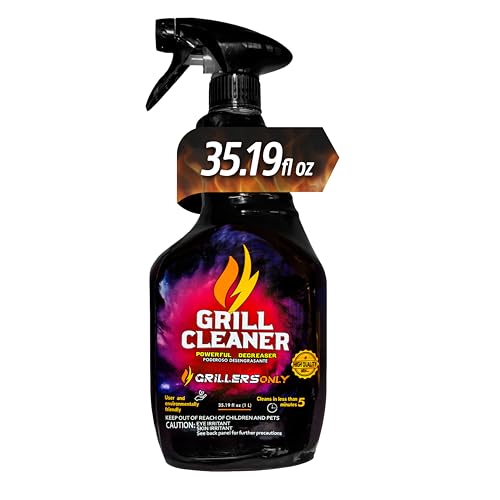
| Food safe spray | Weekly cleaning of grates and interior | Low fumes, rinses easily | Slow on heavy crust | About $8 to $15 |
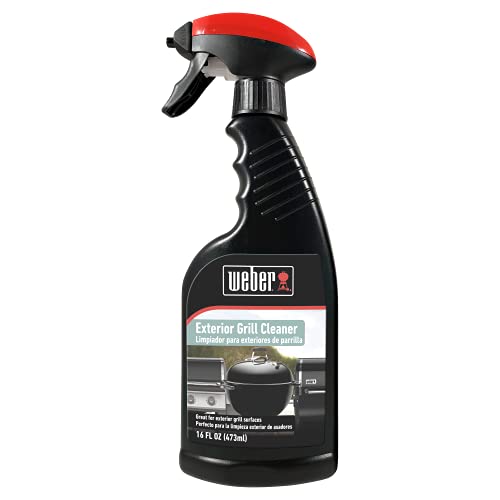
| Exterior and stainless cleaner | Lid, side tables, doors | Removes fingerprints and smoke film | Not for cooking surfaces | About $8 to $18 |
| Cleaning kit or block | Grates between deep cleans | Scrubbing power without liquid | Wears down, dust on grates | About $10 to $25 |
Heavy Duty Grate Degreasers
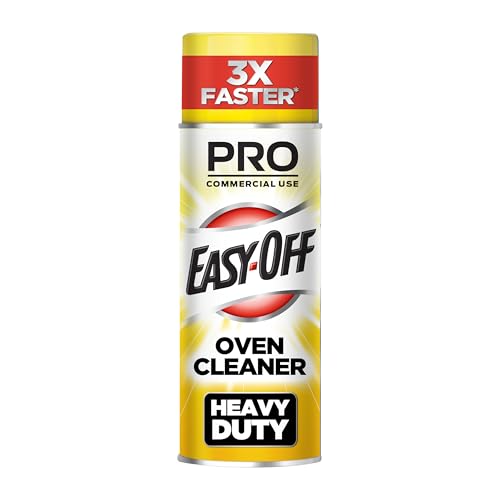
These are the oven and grill formulas built on strong alkaline ingredients that turn hardened grease into a slurry you can wipe or rinse away. They are the right choice for grates that have gone a season without attention, for burner shields coated in black carbon, and for the drip tray. They work best with a dwell time of several minutes on a cool grill and a stiff brush afterward. The trade off is handling: gloves, eye protection, a well ventilated spot, and a thorough rinse before the next cook. Keep them off painted lids and bare aluminum unless the label says those surfaces are safe.
Food Safe and Plant Based Sprays
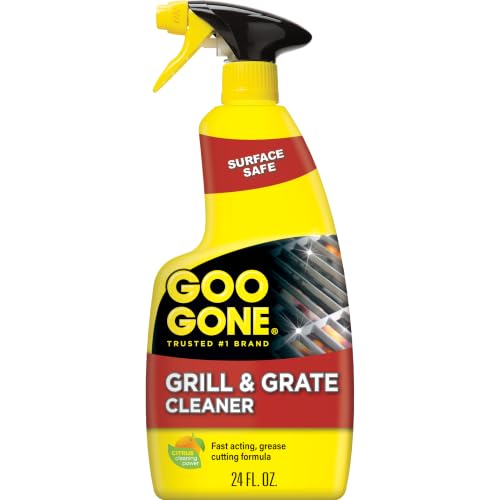
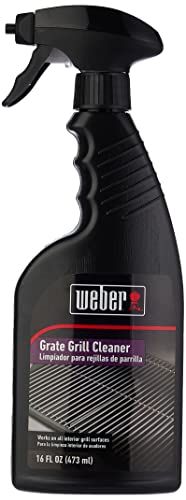
Citrus and plant based grill sprays rely on milder surfactants and degreasers, and many are labeled safe for use on cooking surfaces once rinsed. They suit the routine clean after a cookout, when grease is fresh and a few minutes of contact plus a brush finishes the job. Fumes are low, so they work in a covered patio, and they are the gentler pick for porcelain coated and cast iron grates that strong caustics can damage. Their limit is old crust, which they soften slowly and may need two or three passes to clear.
Exterior and Stainless Steel Cleaners
The outside of a grill collects smoke film, fingerprints, and pollen, and the products for that job are different from grate cleaners. Stainless cleaners wipe with the grain and leave a light protective film, while exterior sprays handle painted and enameled lids. For a deeper look at the lid and cart finish, our guide to the best stainless steel cleaner for grills covers that side of grill care. Never use an exterior polish on grates, and never let a grate degreaser run down a stainless door.
Cleaning Blocks and Kits
Pumice style grill blocks and scrubber kits remove crust by abrasion rather than chemistry. They suit people who prefer to avoid sprays near food, and they clear a grate quickly while it is still warm. The downsides are wear and residue: the blocks shrink with use and leave a fine dust that has to be brushed and wiped away. Kits that pair a mild cleaner with a scrubber and gloves cover the most ground for a first purchase.
How to Choose Cleaners for Grills
Match the Cleaner to the Grate Material
Stainless steel grates tolerate the full range of cleaners. Porcelain coated grates chip under harsh abrasives and can lose their coating to strong caustics left too long, so they do better with plant based sprays and soft brushes. Bare cast iron must never soak and should be dried and lightly oiled after any wet clean, or rust shows up by the next weekend. Check the grill manual before buying, because a cleaner that is fine on one grate can ruin another, and the best cleaners for grills with porcelain grates are usually the gentler ones.
Read the Surface List and the Warnings
The label should name the surfaces the product suits and the ones it does not. Look for guidance on aluminum, painted finishes, and food contact, since those three are where damage and safety issues usually come from. Strong formulas need gloves and ventilation, and no grill cleaner should be combined with another product. In particular, never mix a bleach based cleaner with an acidic or ammonia based one, because the fumes can injure your lungs even outdoors.
Judge Cost per Clean, Not Bottle Price
A concentrate or a large trigger bottle used a few times a season costs little per clean, while a small aerosol used weekly runs out fast. Count the grills, smokers, and griddles you own and how often you cook, then buy the size that matches. For a charcoal kettle or a pellet grill with a griddle plate, the right product and routine differ a little from a gas grill, and our guide to the best cleaner for bbq grills walks through those cases.
Scent and Residue
Any scent left on the grate ends up in the food, so unscented or lightly scented citrus formulas are the safer default for cooking surfaces. Whatever you buy, rinse grates with clean water and run the grill hot for ten minutes before the next cook to burn off any trace. Heavy fragrance is fine on the exterior, where it never touches food.
How to Deep Clean a Grill Step by Step
- Let the grill cool fully, remove the grates and burner shields, and brush off loose ash and debris.
- Lay the parts on cardboard or a tarp, spray the cleaner, and give it the dwell time on the label.
- Scrub with a brush that suits the grate material, then rinse with a hose until the water runs clear.
- Wipe the firebox with the same cleaner, scrape the drip tray, and empty the grease cup.
- Dry cast iron at once and rub it with a thin coat of cooking oil before it goes back in.
- Clean the exterior last with a product made for that finish, wiping stainless with the grain.
Read the label and check a hidden spot before using a new cleaner on a painted or coated part. Keep children and pets away while parts soak, and store cleaners sealed and out of reach once the job is done.
Common Mistakes to Avoid
- Spraying caustic cleaner on a hot grill, which flashes the liquid off before it can work and sends fumes into your face.
- Soaking cast iron grates overnight, which strips the seasoning and starts rust.
- Using an oven cleaner on a painted lid, which can lift the finish in minutes.
- Skipping the rinse, which leaves residue that smokes and tastes bitter on the first cook.
- Letting a season of grease build up, since fresh grease wipes off in a minute and old grease takes an afternoon.
Frequently Asked Questions
What features matter most in cleaners for grills?
A surface list that covers your grate material and your exterior finish matters most, followed by degreasing strength that matches the buildup you actually have. After that, look for low residue and a clear rinse direction, since anything left behind reaches the food. A fine mist trigger or a foaming nozzle helps the product cling to vertical firebox walls instead of running into the drip tray.
Are natural grill cleaners as effective as heavy duty ones?
For fresh grease and a weekly routine, yes. Citrus and plant based sprays lift new buildup well when you give them a few minutes and a brush. They fall behind on carbon crust that has baked on for months, where a heavy duty degreaser clears in one pass what a mild spray needs three to soften. Many owners keep both: the mild spray for the season and the strong one for a spring reset.
Can grill cleaner be used on the cooking grates directly?
Yes, when the label says the product is safe for food contact surfaces after rinsing. Apply it to cool grates, let it work, scrub, and rinse thoroughly with clean water. Then heat the grill for ten minutes to burn off any trace. Products sold only for exteriors or stainless polish should stay off the grates entirely.
How often should a grill be cleaned?
Brush the grates after every cook while they are still warm, do a light spray clean of grates and the firebox every few weeks in grilling season, and deep clean everything at the start and end of the season. Grills used several times a week, or used for fatty cuts, need the full clean more often, since grease in the tray is a fire risk as much as a cleaning chore.
Is grill cleaner safe to use around kids and pets?
Heavy duty grill cleaners are among the stronger products in a home, so keep children and pets away while parts soak and until everything is rinsed and dry. Choose a plant based spray for routine cleaning if little hands and paws are often near the patio, and store every bottle sealed on a high shelf. If a product contacts skin or eyes, follow the first aid directions on the label right away.
Final Thoughts
Choose by grate material first, buildup second, and routine third. A plant based spray covers weekly care, a heavy duty degreaser handles the seasonal reset, and a separate exterior cleaner keeps the lid looking new. Compare the options in the product table above with those three checks in mind and the best cleaners for grills for your setup become an easy pick. If the grill itself is rusted through or the burners are failing, cleaning will not save it, and our guide to the best time to buy grills can help you time a replacement.