Best Clean Android Phones: Everything to Know Before Your First Purchase for 2026
Disclosure: We may earn a commission when you buy through links on this page, at no extra cost to you. As an Amazon Associate I earn from qualifying purchases. Learn more

Shopping for the best clean android phones for the first time? Learn the terms, compare options, and avoid rookie mistakes with this easy guide.
Buying your first Android phone can feel confusing when every listing throws around terms like OLED, IP68, and refresh rate. If you want simple software without clutter, start with best clean android phones and learn what the label actually means before you compare prices. This guide walks you through the basics in plain English.
You do not need to understand every spec to make a good choice. You only need to know which numbers affect daily use and how long the phone will stay current. Use the comparison table below to match those basics against your budget.

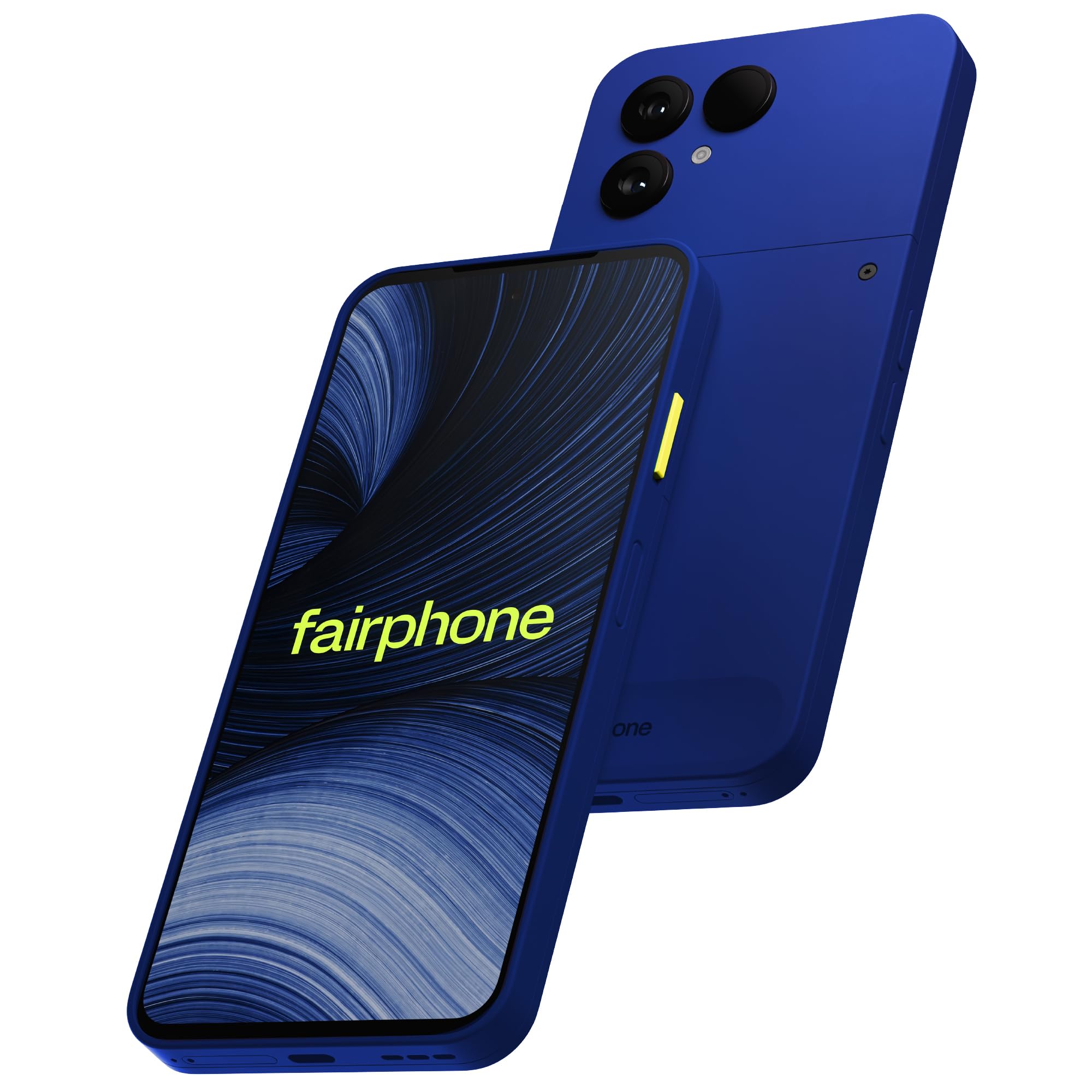


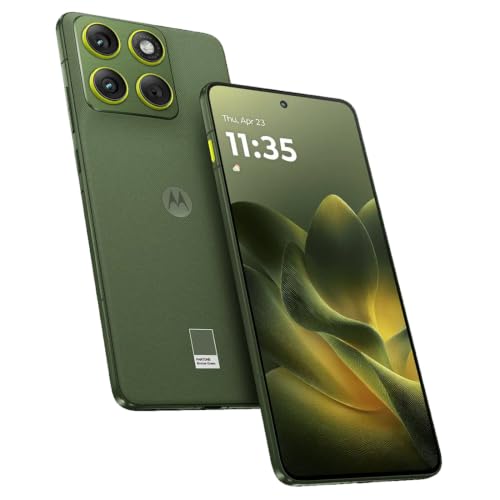
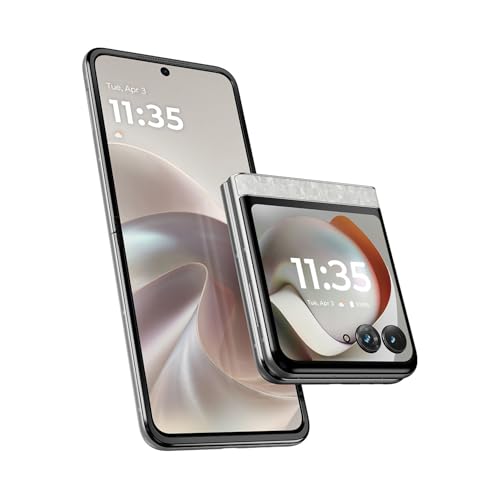


Clean Android Phones 101: The Basics
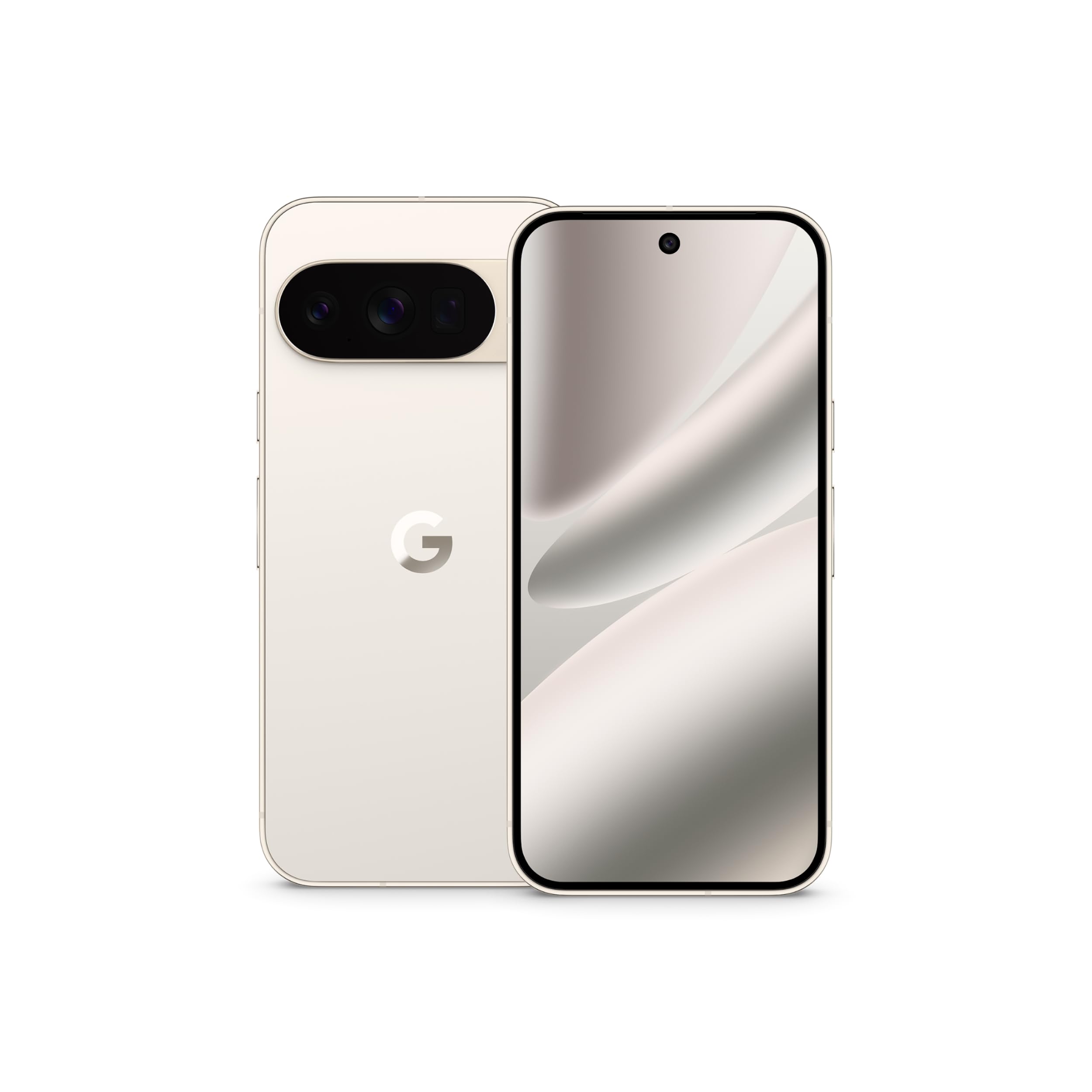
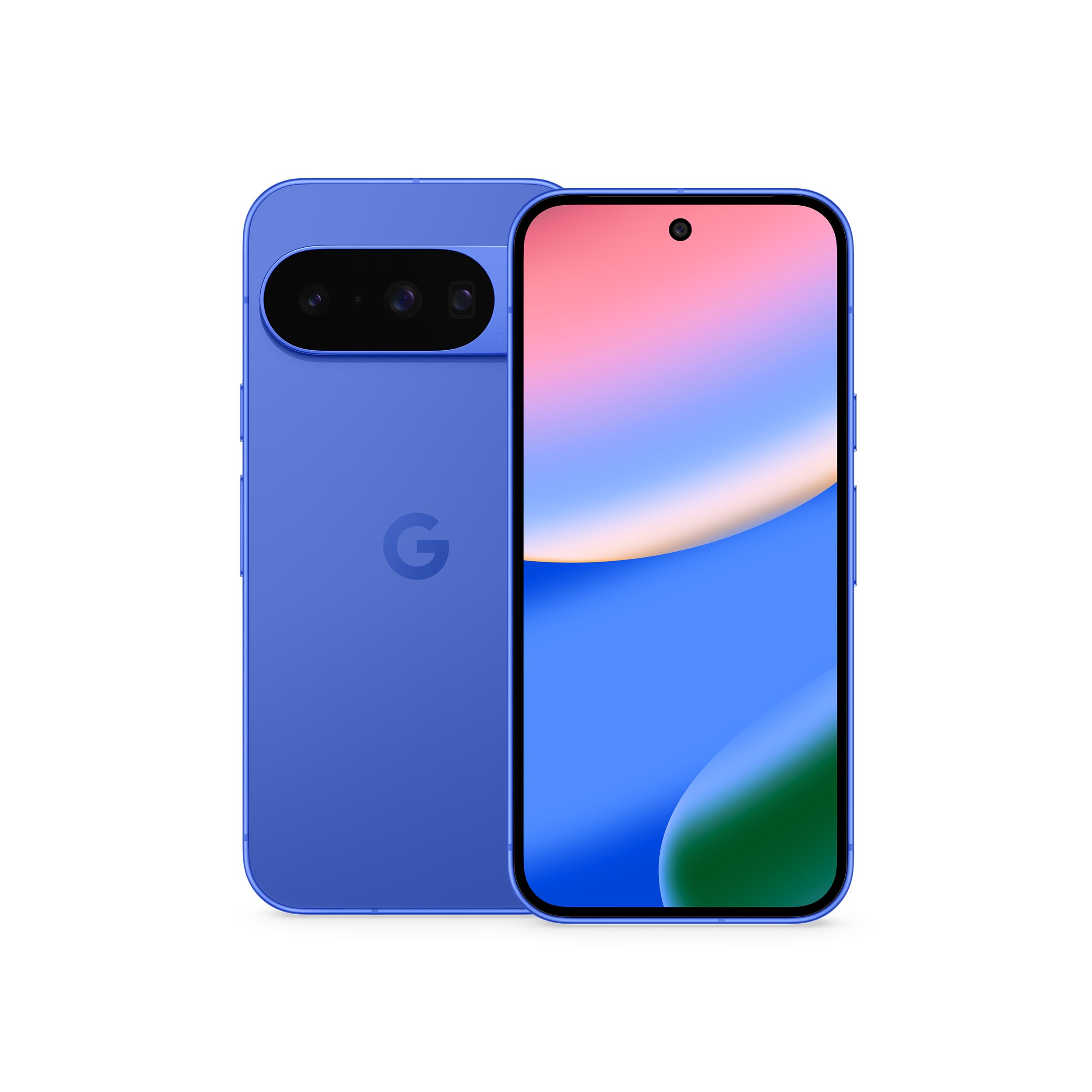
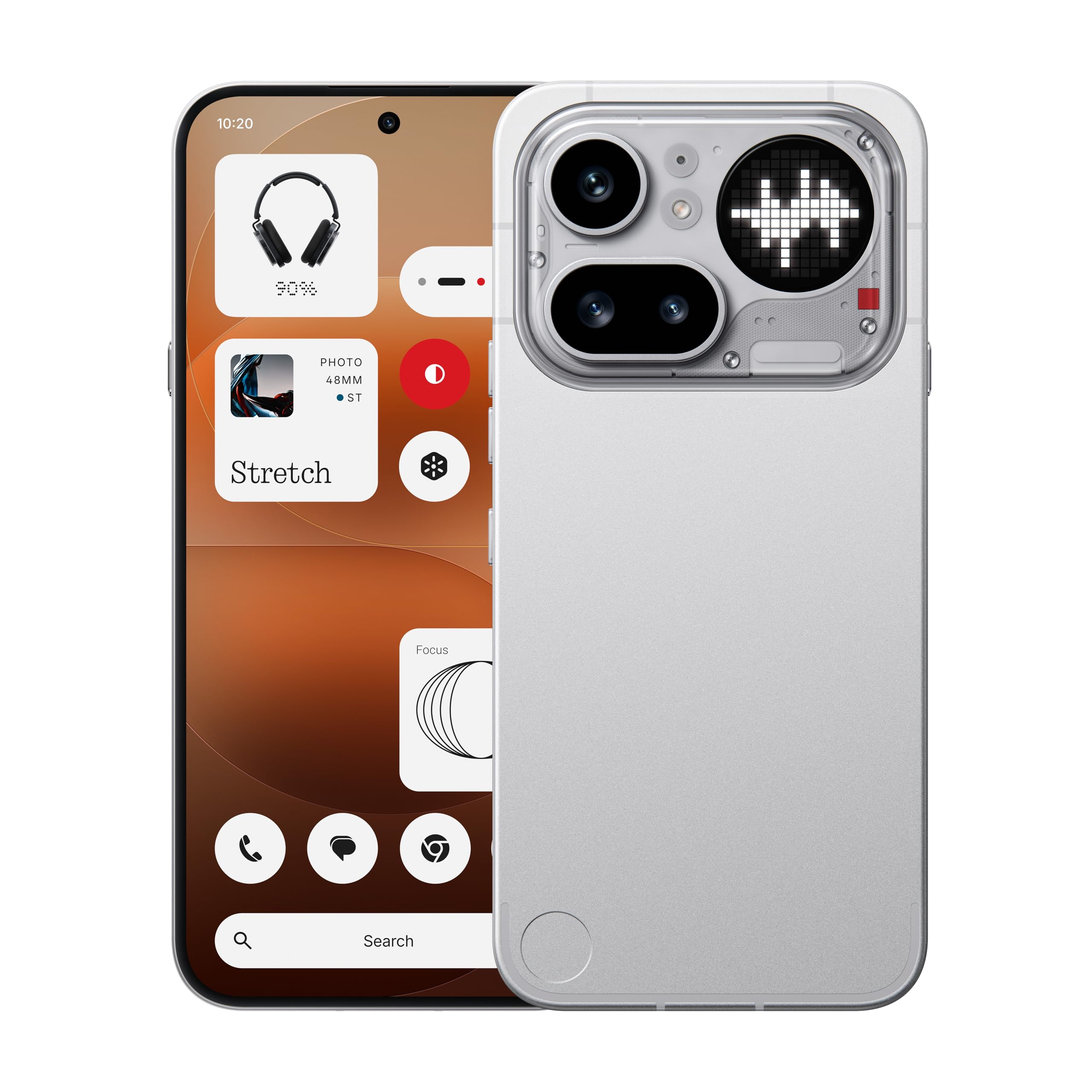
A clean Android phone runs software that stays close to the version Google designs, with few extra apps added by the maker. The home screen looks simple, the settings menus follow a familiar layout, and you choose most of your own apps instead of sorting through duplicates. Many models skip extra photo apps, extra stores, and extra assistants that do the same jobs.
That simplicity matters most over time. A lighter software layer is usually easier to learn and quicker to receive new features. It also means your storage is spent on apps you picked rather than apps you cannot remove.
Clean software does not mean weak hardware. The best clean android phones range from simple budget models to flagship phones with fast processors and strong cameras. The shared trait is the software experience, not the price.
Key Specs Explained in Plain English
The six areas below decide how the phone looks, feels, and holds up over several years. Read each one with your own habits in mind, such as how often you take photos or how long you keep a phone. Battery size, written in mAh, also belongs on your list, since a larger number generally means more hours between charges for similar screen use.
A faster processor keeps apps opening quickly and games running smoothly, while more memory helps when you switch between apps often. If raw speed is your top priority, see our guide to the best performing android phones.
Display Size and Quality
The display is the part you look at all day, so it deserves real attention. OLED panels give you deep blacks and strong contrast, and they tend to look better for video than basic LCD panels. A refresh rate of 120Hz makes scrolling and animations look smoother than the standard 60Hz, and most people notice the difference within minutes of use.
Size and brightness matter just as much. Screens around 6.1 to 6.4 inches suit one hand use, and fans of compact phones often prefer that range. Larger screens near 6.7 inches help with reading and maps. Look for high peak brightness if you read outdoors often, because a dim screen washes out in direct sunlight.
Build, Durability, and Water Resistance
Build quality tells you how well the phone survives daily bumps. Many models use Gorilla Glass on the front to resist scratches and cracks from small drops. Frames made of aluminum feel sturdy without adding much weight, while plastic backs can be lighter and less slippery.
Water resistance is rated with codes such as IP68. The first digit covers dust and the second covers water, and IP68 generally means the phone can handle rain, splashes, and a brief dip in shallow water. It does not make the phone waterproof for swimming, and seals weaken as a phone ages.
Camera System
Most clean Android phones include a main camera for everyday shots, an ultrawide camera for groups and landscapes, and sometimes a telephoto camera for zoom. Megapixel counts alone tell you little, because sensor size and software processing shape the final photo far more. A good main camera with reliable processing beats a long list of weak extra lenses.
Night modes combine several frames into one brighter photo, so look for a phone that handles indoor and evening shots well if you take many of them. Video fans should check for stabilization, which smooths out walking footage. The front camera matters for video calls, but its specs rarely need to drive your whole decision.
Software Updates and Support Window
Software updates keep your phone secure and add new features over the years. Makers promise a set number of years for major Android version updates and a set number for monthly security patches. A longer window protects you from known flaws and keeps banking and work apps working, since many apps drop support for very old versions.
For a first purchase, aim for at least four years of security patches, and more if you plan to keep the phone for a long time. Clean Android models often receive updates sooner because there is less custom software to adjust for each release. Check the promise in writing on the product page, since it varies by model.
Storage Options
Storage is where your apps, photos, videos, and downloads live. A phone with 128GB suits light users who stream music and video and store photos in the cloud. If you film video, download shows for trips, or keep large games, 256GB gives you comfortable headroom and delays the day you have to delete files to make room.
Some phones accept a microSD card for extra space, but many clean Android models do not, so check before you assume you can expand later. Buying enough built in storage at the start is usually simpler than managing a full phone every few months.
Carrier Compatibility and 5G
An unlocked phone is not tied to one carrier, so you can switch providers or use a local SIM while traveling. Before you buy, confirm the phone supports the bands your carrier uses in the United States, especially if you are on a smaller carrier that rents space on a larger network. A phone missing key bands may connect but deliver slow data or weak coverage indoors.
Nearly every new model supports 5G, the current mobile network standard that offers faster speeds than 4G in covered areas. Coverage still varies by city and carrier, so 5G alone should not decide your purchase. What matters more is that the phone works fully on your carrier today.
Rookie Mistakes to Avoid
First time buyers tend to make the same handful of errors, and each one is easy to sidestep once you know it exists.
- Choosing a phone only by camera megapixels, which leaves you with weak processing and disappointing photos in low light.
- Buying the smallest storage size to save money, which forces constant deleting once apps and videos fill the phone.
- Ignoring the update promise, which leaves you with an unpatched phone that apps may stop supporting early.
- Skipping the carrier band check on an imported model, which can leave you with poor coverage or no service at all.
- Paying for a huge screen you cannot hold comfortably, which makes one hand use and pocket carry a daily annoyance.
- Forgetting a case and screen protector in the budget, which risks a cracked screen in the very first week of ownership.
Price is a fair concern too, and clean software is not limited to expensive models. If your budget is tight, see our guide to the best inexpensive android phones to understand what lower prices usually trade away and what they keep.
Getting Started: Setup and First Use
Setup on a clean Android phone is short and guided. Charge the phone, insert your SIM or set up an eSIM if your model and carrier support it, connect to WiFi, and sign in with your Google account. The setup screens will offer to copy apps, photos, and messages from your old phone, and using the cable or wireless transfer at this stage is far easier than moving things later.
Next, protect the phone and the account. Fit a case and a screen protector before regular use, since most screen damage happens in ordinary drops. Turn on a screen lock with your fingerprint or face, and save your recovery options so a lost phone does not lock you out of your accounts.
Then make the home screen yours. Widgets show live information such as weather, calendar events, and music controls without opening each app, and clean Android keeps widget setup simple. If you enjoy that part of the phone, see our guide to the best widgets for android phones for ideas that go beyond the defaults already on your screen.
Personal touches finish the job. A fresh wallpaper changes the feel of the phone every time you unlock it, and clean Android makes swapping images quick. For inspiration, see our guide to the best wallpapers for android phones and pick a style that stays easy to read under your app icons. Background images for your home and lock screens work the same way, and if you want more choices in that style, see our guide to the best backgrounds for android phones.
Finally, keep software updated from the start. Turn on automatic updates so security patches install without reminders, and check for a system update right after setup, since phones often ship with an older version installed. Set your backup to run over WiFi, and your phone is ready for daily use.
FAQs
Do clean Android phones need 5G for everyday use?
No, clean Android phones do not need 5G for everyday tasks like messaging, browsing, and streaming over WiFi. 5G helps mainly when you rely on mobile data in a covered area and want faster downloads. A phone with strong 4G support on your carrier still works well today. Just know that carriers are investing in 5G networks, so a 5G model is the safer long term buy.
How many years of updates should a clean Android phone get?
A clean Android phone should get at least four years of security patches, and five to seven years is better if you keep phones a long time. Major version updates matter less than security patches, which close flaws that attackers actively use. One detail many buyers miss is the start date, since the clock usually begins at the phone launch, not the day you buy it.
Should first time buyers choose an unlocked clean Android phone?
Yes, an unlocked clean Android phone is the safer choice for most first time buyers because it works across carriers and holds its resale value better. You can switch providers for a better plan without replacing the phone. One catch is financing, since carrier deals sometimes require a locked phone on a payment plan. Compare the total plan cost before deciding that a carrier deal is cheaper.
How much storage does a clean Android phone need?
Most people need 128GB in a clean Android phone if they stream media and back up photos to the cloud. Choose 256GB if you record video often, travel without reliable internet, or keep phones for four years or more. A useful check is your current phone, where the storage screen shows exactly how much space your apps and media already use. Add room to grow rather than matching that number exactly.
Is a mid range clean Android phone good enough for daily use?
Yes, a mid range clean Android phone is good enough for calls, messaging, social apps, photos, and streaming for most people. You mainly give up the fastest gaming performance, the strongest zoom cameras, and the brightest screens found on flagship phones. Battery life is often a pleasant surprise in this tier, since less powerful chips and modest screens draw less power through the day.
The Bottom Line
For a first purchase, focus on three things above all else: a support window of at least four years, enough storage for how you actually use a phone, and confirmed compatibility with your carrier. A bright OLED screen and a reliable main camera round out a phone you will enjoy daily. The product table above pulls those details together so you can compare models side by side.
When you weigh everything together, the best clean android phones are the ones that stay simple to use, stay secure for years, and fit your hand and budget without forcing compromises you feel every day. Start with the comparison table above, shortlist two or three models, and check the update promise and storage on each before you order.