
Best Claw Grip Gaming Mouse: A Buyer Checklist for 2026
Disclosure: We may earn a commission when you buy through links on this page, at no extra cost to you. As an Amazon Associate I earn from qualifying purchases. Learn more

A buyer checklist for the best claw grip gaming mouse: shell size, hump position, weight, sensor, polling rate, switches, battery life, and price bands.
A checklist beats a spec sheet when you shop for the best claw grip gaming mouse, because claw grip depends on fit before it depends on numbers. A mouse with a top sensor can still feel wrong if its hump sits in the wrong place for your fingers. This guide works through the checks in the order that reveals a bad match fastest.
Use the comparison table below for a first sort, then apply the checks below it to your own hand and games. It is a way to judge any mouse in the table, in a store or in your current setup against the same steady criteria.


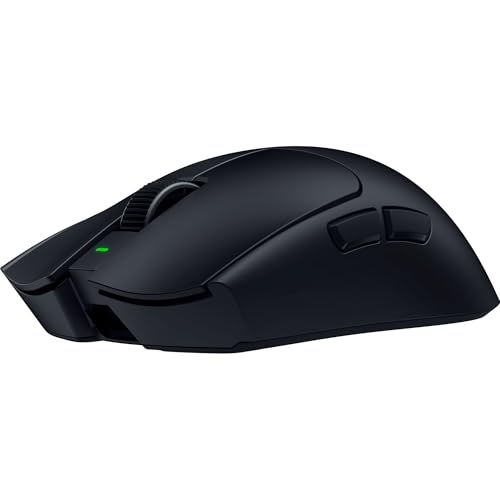


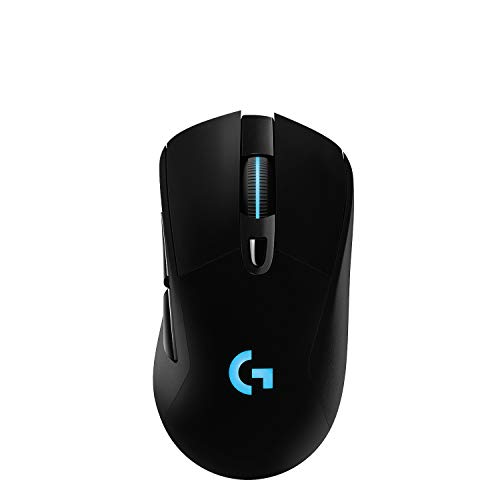
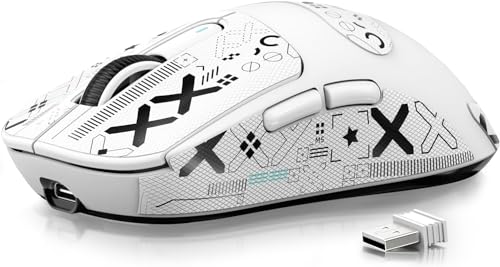
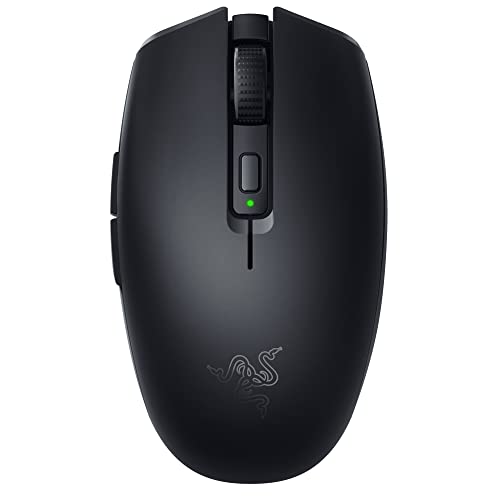
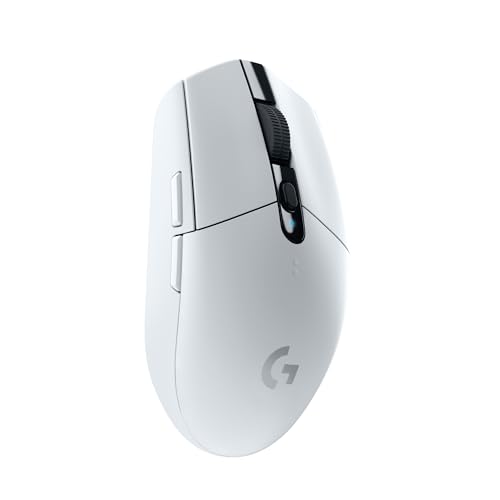

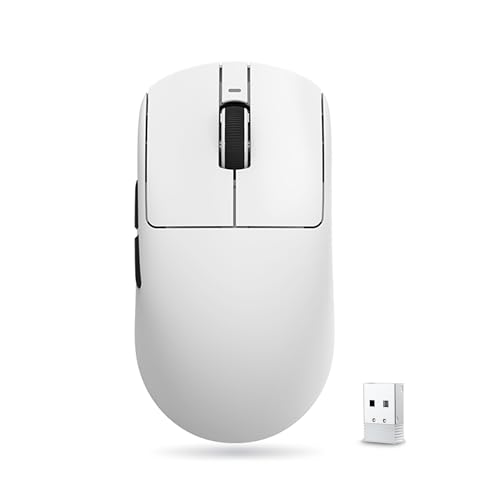
The Buyer Checklist: What to Check First
Start with the grip itself, before any sensor or software question, because the best claw grip gaming mouse is defined by how it meets the hand. Claw grip is a hand shape, plainly stated, where curled fingers pull the mouse into a light palm contact near the base of the fingers. The mouse is bought by how the fingers and palm meet it, so length and hump position are the claw facts that decide whether the shape works at all.
Hand size is the sizing fact that sits behind every other check. The same mouse is a claw mouse for one hand and a palm mouse for another, because a longer hand covers more of the shell and changes where the hump lands. Measure your hand from fingertip to wrist crease and note it before comparing lengths, since advice written for a different hand size will mislead you.
Weight belongs near the top of the checklist for this grip. A claw grip lifts and flicks the mouse during play, so weight is a fatigue fact rather than a style preference. A heavy shell that feels fine in a slow palm grip can tire curled fingers and a raised wrist over a long session, while a very light shell can feel skittish until your aim adjusts.
Hands belong on the checklist too. Long sessions strain curled fingers and the wrist this grip holds raised, so treat regular breaks as part of the purchase rather than as an afterthought. Soreness that fades overnight is a fit problem to solve with size or weight, but pain, tingling or numbness that persists between sessions is a reason to stop playing and talk with your doctor.
For background on grip styles, our guide to the best mouse grip for gaming explains how claw sits between palm and fingertip control, and best claw gaming mouse takes a narrower look at the same shape problem.
Wired vs Wireless Connection
Check the connection against your desk and your habits. A wired mouse never needs charging and keeps latency steady, but its cable can drag during the small lifts and flicks that claw play uses constantly. A wireless model frees those movements, and modern gaming wireless adds little delay that most players can feel in real matches.
Our dedicated guide to the best wireless gaming mouse for claw grip covers receivers, dongle placement and charging in depth. Here, the checklist point is simpler. If you choose wireless, confirm the receiver can sit close to the pad and that a cable is included for play while charging.
Compatibility Across PC, Mac and Console
Compatibility decides whether the features you paid for actually work on your system. Most gaming mice move a cursor on any computer, but software for remapping buttons, saving profiles and adjusting sensor settings is often limited to one operating system. Mac users should check whether settings can be saved on the mouse itself and then carried across.
Console support is narrower still, since many consoles accept a mouse in menus or in selected games only. Check the game list for your console rather than assuming support.
Sensor and Switch Performance
Sensor quality for claw play is about steady tracking during short, fast flicks and clean stops. Look for a sensor that tracks without smoothing that you can feel, and treat very high DPI numbers as headroom rather than proof of quality.
Polling rate describes how often the mouse reports position, with higher rates giving smoother cursor motion on fast displays. Switch feel matters just as much, since claw fingers click with curled fingertips and notice mushy or uneven buttons quickly. Prefer crisp main clicks with little travel before and after the click point, and side buttons you can reach without loosening your grip.
Customization and Software
Useful customization for this grip is practical rather than decorative. Button remapping, a few DPI steps you can switch in game, and profiles stored on the mouse cover most real needs. Lighting controls are harmless extras, but they should never be the reason a shape that fits less well wins your money.
Check how much the software demands from you. A light app that saves settings and then closes is easier to live with than one that must run always and update often.
Durability and Warranty
Durability shows up first in the main switches, the scroll wheel and the cable or charging port. Switch ratings stated in millions of clicks give a rough guide, though feel can change long before a switch fails outright. The wheel should scroll in clear steps without free play, since claw players often change weapons or zoom with quick wheel flicks.
Warranty length and terms are a useful honesty check from the maker. Around two years of cover is common for gaming models, and a clear process for switch or wheel faults matters more than a long promise with many exclusions.
Battery Life and Charging
For wireless models, judge battery life at the polling rate you will actually use, since higher rates drain the cell faster. A mouse that lasts several days of play between charges fits most routines, while one that needs charging every second day will eventually be caught empty mid session.
Weight and battery are linked. A larger battery adds grams that claw fingers must lift, so the longest lasting model is not automatically the best claw choice. A smaller battery with fast top up charging can serve this grip better, provided you are willing to plug in during breaks.
Weight and Build Quality
Weight deserves its own check beyond the battery question. Many claw players settle somewhere in a middle band that feels stable during aiming yet light enough for repeated lifts, rather than chasing the lightest shell available. Balance matters as much as the number, because a shell that feels nose heavy pulls against curled fingers during small corrections.
Build quality is felt in the coating, the side texture and the feet. A coating with gentle grip helps control without rubber panels that peel, and smooth feet let the mouse glide evenly on cloth pads.
How Price Bands Map to the Checklist
Price bands are best read as which checklist items get easier, not as a ranking ladder. The product table above can be sorted this way to see what extra money actually buys for a claw grip.
Entry Price Band: Fit First, Extras Later
At about $25 to $50, expect sound basic sensors, wired connections or simple wireless, and fewer comfort details. This band can pass the most important checks, namely shape, length and hump position, which is why a well fitting entry mouse can serve claw play better than a costly shape that fights your hand. Clicks may feel less refined and coatings may wear sooner.
What usually fails here is flexibility. Software may be basic, onboard memory may be absent, and battery life on wireless models may be short. Spend your limited budget on fit first and treat lighting and extra buttons as bonuses you can live without.
Middle Price Band: Where Wireless Gets Serious
At about $50 to $100, wireless quality, battery life and switch feel improve together. This is the band where claw players most often find the balance they want, with lighter shells, dependable receivers and settings stored on the mouse. Feet and coatings also tend to glide better and last longer before shining smooth.
Use this band for better execution of the right shape, not as a reason to accept the wrong shape in a nicer finish.
Higher Price Band: Refinement, Not a New Grip
At about $100 to $180, money buys refinement: higher polling options, lighter materials, longer battery life and sometimes switch choices. These gains are real for players who compete often or play daily for long hours. They do not change the basic geometry of claw grip, and they cannot fix a length or hump mismatch.
Judge this band strictly against your own checklist gaps. If you need the lightest shell, the longest battery or the highest polling for a fast display, the band earns its price. For the wider category view, see best mouse for gaming once your claw specific checks are settled.
Quick Buyer Checklist
Run through these questions before ordering, and treat any no answer on the first four as a reason to keep looking.
- Does the length let your fingers curl naturally while your palm base just touches the shell?
- Does the hump sit under your finger joints rather than pushing into the middle of your palm?
- Can you lift and flick the mouse repeatedly without your fingers or wrist tiring quickly?
- Can you reach both side buttons without shifting or loosening your grip?
- Does the sensor let you set a DPI you actually use, with low lift off behavior?
- Will the connection, battery and charging routine fit your desk and session length?
- Are your settings saved on the mouse itself if you change computers?
- Does the warranty cover switch and wheel faults for at least a reasonable period?
Red Flags to Watch For
Vague sensor claims are the first warning sign. Listings that shout a huge DPI number while hiding the sensor type, polling options and lift behavior are selling a headline, not control.
Other flags include a shape described as suiting every grip and every hand, which usually means it was tuned for none of them. Very short warranties, no stated switch rating and listings praised only for their lighting are also poor signs. Finally, be wary of feather light claims paired with a large battery and many extras, since the stated weight sometimes excludes the receiver, the cable or even the battery itself.
Choosing a Mouse for Your Situation
Most claw players should start from hand size, then narrow by connection and budget. The contrast with the neighboring grip style is useful here, and our guide to the best palm grip gaming mouse shows how palm shapes favor longer shells and fuller contact.
Best Ambidextrous Claw Grip Gaming Mouse
A symmetrical shell suits left hand players and anyone whose claw grip centers the mouse between curled fingers on both sides. Check side button placement carefully, because buttons on only one side can leave left hand users without the controls the listing advertises. A truly mirrored or button free side design is the safer sign of a genuine symmetrical model.
Symmetry also changes hump feel. A centered hump on a symmetrical shell supports a centered claw hold well, while a shaped shell can guide the hand into one fixed posture.
How to Make Your Claw Grip Gaming Mouse Last Longer
Clean the sensor lens and the feet with a dry soft cloth, and blow dust from the wheel and switch gaps rather than poking at them.
Update firmware only through the maker companion app and only when it fixes a problem you have or adds a feature you need. Store a wireless mouse with a partial charge if it will sit unused for weeks, and keep the receiver plugged in or stored in the mouse body slot. Avoid wrapping a wired cable tightly, because sharp bends near the shell are where cables most often fail.
Claw Grip Gaming Mice: Your Questions Answered
Wired or wireless: which connection is better for claw grip gaming?
Wireless suits most claw players better once receiver placement and charging are handled, because lifts and flicks stay free of cable drag. Wired still wins on simplicity and never needs a battery check before a session. A useful check is to play one fast paced game with your current cable routed loosely.
What DPI should a claw grip gaming mouse be set to?
Most claw players aim well somewhere between about 400 and 1600 DPI, paired with in game sensitivity that allows a full turn without lifting the mouse twice. Lower settings favor the small, precise corrections that curled fingers make well. Change DPI in small steps and play several matches before judging, because aim memory adapts slowly.
Does a claw grip gaming mouse work with Mac and console systems?
Basic pointer control works on almost any Mac or console that accepts a USB or Bluetooth mouse, but feature access varies widely. Settings saved in onboard memory travel with the mouse, while software only settings may vanish on a system without the app. Console games each decide mouse support for themselves, so check your exact titles.
Are extra side buttons useful on a claw grip gaming mouse?
Extra side buttons are useful only if your curled thumb can press them without tilting the mouse. Two well placed buttons beat four crowded ones for this grip, because each accidental press costs aim at the worst moment. In games with many abilities, put rarely used actions on the keyboard instead and keep the mouse buttons for instant reactions.
How much weight should a claw grip gaming mouse have?
Aim for a weight you can lift and stop sharply many times without your fingers aching by the end of a session. For many players that lands in a middle range rather than at the lightest extreme, because a little mass steadies small corrections. Soreness that appears in the finger joints rather than the forearm usually points to a shell that is too heavy or too long.
Wrapping Up
Fit, weight and honest tracking decide a claw grip choice. Measure your hand, place the hump under your finger joints, keep the weight your curled fingers can lift for a full session, and let sensor and software questions come after those facts. The product table above is easiest to read with that order in mind.
Run the quick checklist against any candidate, walk away from vague spec claims, and the best claw grip gaming mouse for you will be the shape your hand forgets during play. That forgettable feeling, more than any single number, is what this grip is bought for.


