Best Classic Cameras: Types Compared and How to Choose for 2026
Disclosure: We may earn a commission when you buy through links on this page, at no extra cost to you. As an Amazon Associate I earn from qualifying purchases. Learn more

Compare mirrorless cameras, point and shoot compacts, and film types to find the best classic cameras for your budget, subjects, and shooting style.
Classic cameras appeal to you because they put real dials under your fingers and slow you down just enough to think about each frame. The confusing part is that the label covers very different tools, and choosing the best classic cameras for your needs starts with knowing which type fits your subjects, your budget, and the way you like to shoot.
This guide compares each type side by side, explains the specs that actually change your photos, and skips the rest. Start with the comparison table below to see the main types at a glance, then read the sections that match your short list.


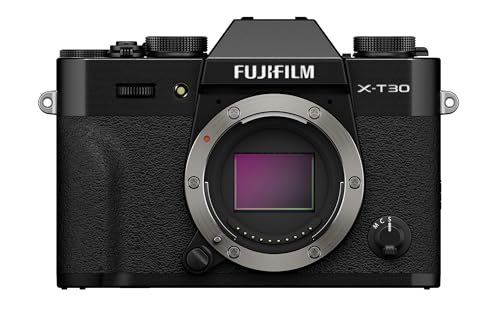
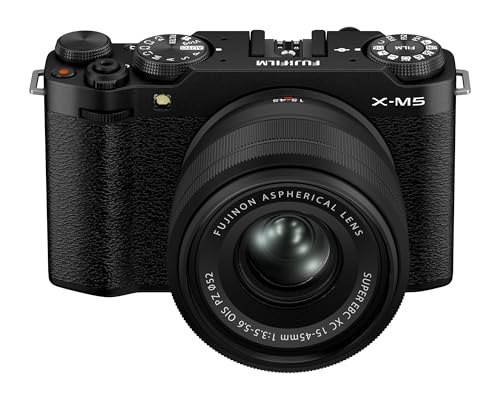

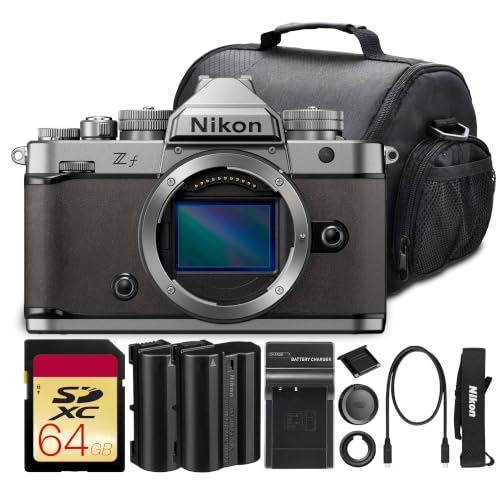
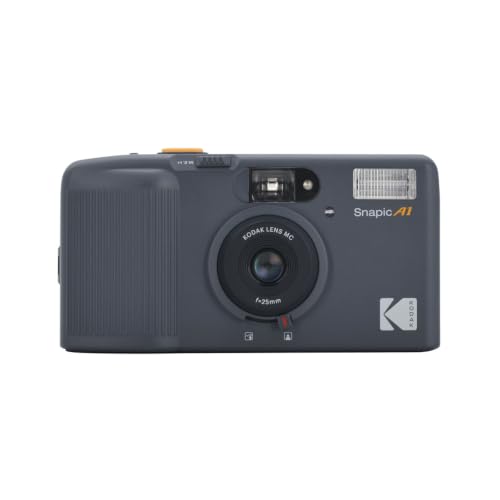


Types of Classic Cameras Compared
The product table above gives you the quick view of prices and formats. The three types below differ most in how you focus, how much control you get, and what each frame costs you over time. None of them suits everyone, so the best classic cameras for you are the ones whose type matches your habits first, with individual models compared later.
Mirrorless Cameras
Mirrorless cameras skip the internal mirror found in older digital designs, so light passes straight to the sensor and you preview the scene on an electronic viewfinder or the rear screen. Many classic styled models pair that modern layout with metal dials for shutter speed, exposure compensation, and ISO. You get interchangeable lenses, strong video tools, and a body that stays smaller than a comparable traditional digital camera.
Choose this type if you want one camera that can grow with you as you add lenses for portraits, travel, or wildlife. If you want to see how these retro styled bodies sit within the wider modern market, see our guide to the best digital cameras for a broader comparison. The trade off is cost, since lenses and accessories add up quickly.
Point and Shoot Compacts
Point and shoot compacts keep the lens fixed to the body, which makes them light enough to carry in a jacket pocket every day. Classic styled versions add a proper control dial, a bright fixed lens, and a viewfinder, so they feel deliberate rather than basic. You trade lens choice and some low light strength for simplicity, speed, and a camera you will actually bring along.
This type suits travel, family days, and street photography where a small camera draws less attention. Because the lens cannot be changed, check the zoom range and aperture carefully before you buy. A compact with a bright lens at its widest setting will serve you far better than one that advertises a huge zoom number.
Classic Film Cameras
Film models load rolls of 35 mm or medium format film, and every frame costs you money for film and developing. There is no screen to review, so you learn to meter light, focus carefully, and wait to see your results. That slower pace is the whole appeal for many photographers, along with the look that film stocks give skin tones and highlights.
Choose film if you enjoy a fully manual process and you are patient with ongoing costs and turnaround time. If this is the direction you lean toward, see our guide to the best classic film cameras for a closer look at that world. Buy the best condition body you can find, because age related wear matters more than features here.
Mirrorless Cameras vs Point and Shoot Compacts: Which Should You Choose?
Size is the first dividing line. A compact disappears into a coat pocket, while a mirrorless body with a lens usually needs a small bag. If carrying weight decides whether the camera comes with you at all, the compact wins for daily use, and the mirrorless wins for planned outings where you shoot on purpose.
Lens choice is the second line. Mirrorless cameras let you swap an objective lens for each job, from a wide lens for interiors to a longer lens for distant subjects. A compact gives you one lens that is ready instantly, with no decisions and no extra gear to buy later. Think about whether variety or simplicity matters more to you.
Learning curve and total cost come next. Compacts are easier to master and their price is the whole price, while mirrorless systems reward practice with more control and room to grow. Video also tilts toward mirrorless bodies, which usually offer more frame rate options and better sound inputs. Pick the compact for everyday ease, and the mirrorless system for a long term hobby.
How to Choose the Right Classic Camera
Start by naming your main subjects, because that choice drives every spec below. If your main goal is stills across many subjects, see our guide to the best cameras for photography while you weigh the factors in this section. Then judge each camera on light, lens, and handling rather than on its headline numbers.
Low Light Performance
Low light performance comes from three things working together: a sensor that stays clean at high ISO settings, a lens that opens wide to gather light, and a steady hand at slower shutter speeds. A high maximum ISO number alone tells you little, because noise and smeared detail matter more than the setting itself. Compare sample photos taken at the ISO values you would really use at dusk or indoors.
For evening street scenes and indoor family moments, a bright lens often helps more than a bigger body. Raising ISO lets you keep shutter speeds fast enough for people, but each step up costs you some fine detail. The right balance is a camera that still looks good at the settings your typical scenes demand.
Sensor Size and Image Quality
Sensor size shapes depth of field, low light quality, and how large you can print. Compact cameras often use a 1 inch sensor, mirrorless models commonly use APS C or full frame sensors, and each step up gathers more light and gives you softer backgrounds at the same settings. Larger sensors also mean larger, pricier lenses, so the gain is never free.
Megapixels are only part of image quality, and past a modest count they matter less than lens sharpness and sensor size. If you print large or crop often, read our guide to the best quality cameras to see how quality focused models balance resolution and handling. For screen sharing and small prints, a smaller sensor is rarely the limit on your results.
Autofocus and Stabilization
Autofocus quality decides how many moving subjects you keep sharp. Look for reliable subject and eye detection if you photograph children, pets, or events, plus simple controls for moving the focus point yourself. Single point autofocus is fine for still subjects, while continuous tracking earns its keep whenever your subject will not sit still.
Image stabilization steadies the camera during handheld shots, either by moving the sensor inside the body or by shifting elements inside the lens. It lets you use slower shutter speeds for still scenes such as interiors and landscapes. Remember that stabilization cannot freeze a moving subject, so fast shutter speeds still matter for people and animals.
Lens and Zoom Range
The objective lens sets your field of view, your background blur, and much of your low light ability. On cameras with interchangeable lenses, a moderate zoom covers most travel and family work, while a single focal length prime lens is smaller and usually brighter. On compacts, judge the built in lens by its widest aperture at the settings you will use most.
Prefer optical zoom figures over digital zoom, since digital zoom simply crops the image and throws detail away. Aperture is written as an f number, and smaller numbers pass more light. While you compare bodies, also check viewfinder magnification, because a larger view makes manual focusing and careful framing easier on your eyes.
Weather Sealing, Video, and Controls
No consumer camera is fully weatherproof, but sealed seams and gaskets help a body shrug off light rain and dust. If you shoot outdoors often, treat sealing as protection for bad luck rather than permission to soak the camera. A simple rain cover still earns its place in your bag on wet days.
For video, many classic styled models record 4K video, which gives you crisp footage and room to crop later. Check recording time limits and whether the screen tilts for filming yourself. Finally, handle the dials if you can, because the classic layout only helps when the controls fall naturally under your fingers.
Care and Maintenance Tips
Clean the front lens element with a soft lens cloth and gentle circular strokes, never with your shirt, which can drag grit across the coating. Keep a blower in your bag to clear loose dust before you wipe any glass. Store the camera in a dry, padded bag away from steamy bathrooms and hot car interiors, which age seals and lubricants.
Carry a spare battery on any full day out, since electronic viewfinders and screens draw power steadily. Keep lens and body caps on whenever a lens comes off, and point the body downward during changes to keep dust off the sensor. For film cameras, store unexposed rolls in a cool, dry place and note the date you loaded each roll so nothing sits forgotten for months.
Classic Cameras: Your Questions Answered
How much should you spend on your first classic camera?
Most beginners do well spending about $300 to $700 on the camera itself. That range covers capable compacts and entry mirrorless bodies without paying for features you may never use. One cost many first buyers miss is the return window, so favor sellers who let you try the dials, focus, and shutter action at home. If you are still sorting out beginner friendly options, see our guide to the best starter cameras before you commit.
Is a smartphone enough instead of a classic camera?
For casual snaps and quick sharing, a smartphone is honestly enough for many people. A dedicated camera earns its place when you want real optical zoom, stronger low light results, printed photos, or physical dials you can set by feel. One quieter benefit is focus: a separate camera carries no messages or apps, so a walk with it stays a walk. If distractions keep ruining your phone photos, that alone can justify the switch.
What specs matter most for beginners buying a classic camera?
Sensor size, lens brightness, and simple menus matter most when you are learning. A helpful automatic mode that you can gradually move beyond is worth more than a long list of advanced settings. Pay attention to weight as well, because a camera that feels tiring on a strap tends to stay home. Start with the kit lens or the fixed lens, learn what it cannot do, and only then spend more.
Which classic camera type is better for low light shooting?
A mirrorless camera paired with a bright lens is the strongest classic option for low light work. Its larger sensor stays cleaner at high ISO settings, and interchangeable lenses let you choose apertures a compact cannot match. One extra tool helps every type here: a small travel tripod lets you keep ISO low for still night scenes such as buildings and harbors. Moving people still need fast shutter speeds, so no support replaces a bright lens for them.
Do classic film cameras cost more to own over time than digital models?
Yes, film cameras usually cost more to own over time even when the body itself is cheaper. Each roll adds purchase and developing costs, and one expense new film shooters often forget is scanning, which turns negatives into files you can share and print. Digital models shift the cost up front into the body, memory cards, and storage. Count on film if the process delights you, and count the per roll cost before you commit.
Final Thoughts
The right choice comes down to three things: how much light your scenes offer, how much you want to carry, and whether you enjoy manual control or prefer to simply point and shoot. Use the product table above to compare your short list against those priorities, and let the type decision come before the model decision.
Whichever route you take, the best classic cameras are the ones that make you want to shoot more often, with dials you understand and results you are proud to print. Pick the type that fits your life first, and the right model will be easy to spot.