The Best Clear Security Cameras: Buying Guide and Top Picks for 2026
Disclosure: We may earn a commission when you buy through links on this page, at no extra cost to you. As an Amazon Associate I earn from qualifying purchases. Learn more

Learn how to choose the best clear security cameras for your home, with plain guidance on resolution, night vision, storage, power, and smart alerts.
A blurry clip of a face or a license plate rarely helps after something happens at your door, in your yard, or inside your home. The best clear security cameras solve that problem by pairing sharp resolution with a lens, sensor, and placement that keep important details readable in real conditions.
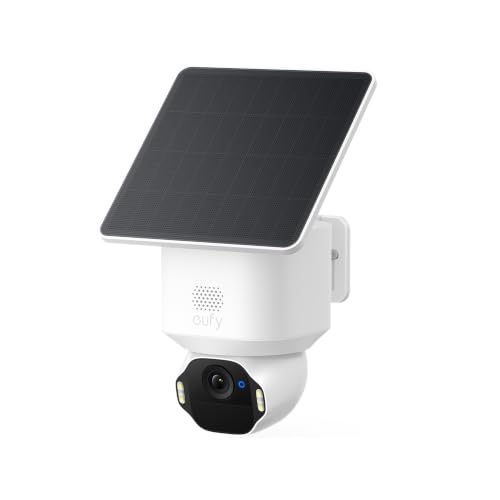
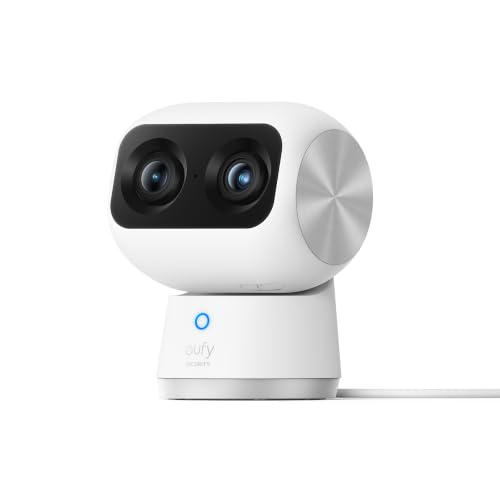
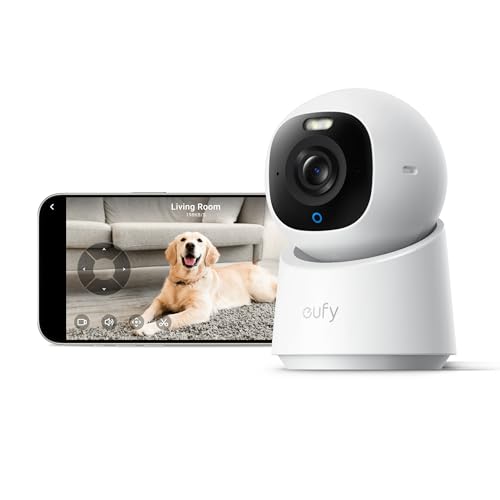
Clarity is not one spec on a box. It comes from resolution, light, viewing angle, compression, and the distance between the camera and the action. This guide walks through each factor in plain language, then helps you match a camera type to your home. Start with the comparison table below to see how models differ.



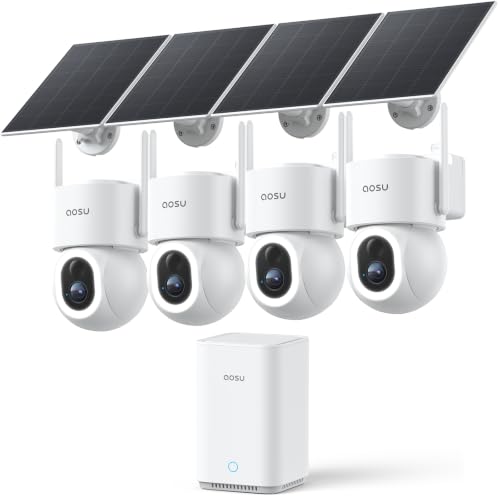


Who Should Buy a Clear Security Camera
Most buyers do not need the highest resolution sold. They need enough detail for the job the camera will do, whether that job is identifying a visitor, watching a driveway, or checking on a child or pet.
Homes That Need to Identify People and Plates
If your main goal is to recognize a face at the door or read a plate on the street, prioritize a high resolution sensor, a narrower view aimed at that spot, and strong light after dark. A wide view spread across a whole yard makes each object smaller in the frame, so detail drops fast. If whole home coverage is your starting point, see our guide to the best security cameras for house for layout ideas before you narrow down clarity features.
Renters and Small Homes That Need Simple Coverage
Renters and people in small homes usually benefit most from one or two indoor or door facing cameras that are easy to move and simple to manage in an app. A moderate resolution placed close to an entry often beats a premium camera mounted far away. Look for flexible storage, simple alert controls, and a power option that does not require drilling or new wiring.
Larger Properties That Need Continuous Coverage
Larger homes, long driveways, and properties with several entries often need more than one camera and a plan for recording all day. Continuous recording fills storage quickly, so system design matters as much as the sensor. Wired systems suit this use well, and you can see our guide to the best security surveillance cameras for multi camera setups.
How to Choose Clear Security Cameras: A Practical Buying Guide
The product table above gives you a quick view of headline specs, but specs only predict clarity when you read them together. The factors below explain how the best clear security cameras turn numbers into usable footage, and where buyers most often overpay for a number that will not help in their space.
Video Resolution and Field of View
Resolution tells you how many pixels the camera records, and more pixels can hold more detail when you zoom into a clip. A 2K resolution camera is a solid middle ground for most doors and rooms, while 4K can help across a wide driveway where subjects stay far away. Field of view works against detail, because a 130 to 160 degree view spreads those pixels across a larger scene. Choose a wider view for general awareness near the camera, and a tighter view when identification at a distance is the goal.
Smart Detection and Alerts
Smart detection sorts motion into useful categories, such as a person, a package, a vehicle, or an animal, so you get fewer alerts for trees, shadows, and passing headlights. Activity zones let you draw the area that counts, for example your porch steps rather than the public sidewalk beyond them. Good detection also protects clarity in practice, because the camera saves the moments that matter instead of filling your storage with empty clips.
Privacy and Security Protections
A camera that watches your home should not expose your home, so check how the maker protects accounts and footage. Look for two factor authentication at sign in, encrypted video in transit and in storage, and clear controls for sharing access with family members. End to end encryption offers the strongest protection on models that support it. Also read the privacy policy for how long clips are kept, and look for a physical privacy shutter or a simple off mode on indoor models.
Storage Choices: Local Recording and Cloud Plans
Local storage keeps clips on a microSD card in the camera or on a recorder in your home, which avoids a monthly fee and keeps footage on site. Cloud storage keeps clips online, so you can still view them if a camera is stolen or damaged, but ongoing recording usually needs a paid plan. Think about how many days of footage you want to keep, because continuous recording and high resolution both fill space quickly. Many buyers use both.
Power Options for Different Placements
Power shapes where a camera can go and how reliably it records. Wired models draw constant power and suit continuous recording, but they need an outlet or cable run nearby. Battery models install almost anywhere and recharge every few weeks or months, yet they usually wake to record motion rather than recording all day. Solar panels can keep a battery topped up in a sunny spot. Power over Ethernet, or PoE, sends power and data through one cable and suits fixed outdoor points, though install takes longer.
Night Vision That Stays Clear After Dark
Most identification problems happen at night, so judge night vision as closely as daytime resolution. Infrared night vision records in black and white using invisible light, and it works well at short to medium range. Color night vision uses a sensitive starlight sensor or a built in spotlight to keep color in low light, which can help describe clothing or a vehicle. When you compare outdoor models for porches and yards, see our guide to the best cameras for outdoor security.
Two Way Audio and Siren Features
Two way audio lets you speak through the camera from your phone, which is useful for greeting a visitor, giving a delivery driver a short instruction, or checking in with family at home. Sound quality varies, so look for noise reduction and a speaker loud enough to hear outdoors. Some cameras add a siren you can trigger from the app to discourage someone from lingering. Treat the siren as a backup tool, and value clear, low delay audio far more for daily use.
Types of Clear Security Cameras
Camera types differ in power, recording style, and where they belong. Picking the right type first makes every later spec easier to judge, because you stop comparing models built for completely different jobs.
Wired Camera Systems
Wired camera systems connect several cameras to a central recorder that stores footage on a hard drive. They suit owners who want continuous recording, no batteries to charge, and one place to review every view. The trade off is install effort, since cables must reach each camera position. For homes that stay in place for years, that effort pays off in steady coverage that does not depend on a strong WiFi signal at every corner.
Floodlight Cameras
Floodlight cameras pair a camera with bright motion activated lights, which helps clarity at night because the scene is lit in color instead of relying on infrared alone. They suit driveways, back yards, and side paths where you want both a clear recording and a visible deterrent. Most need a hardwired connection at an existing outdoor light fixture, so plan the install where a light already sits and aim the beams so they do not blind the lens or a neighbor.
Indoor Cameras
Indoor cameras are small models for living rooms, hallways, nurseries, and pet areas that plug into a wall outlet. They are usually the lowest cost way to add a clear view inside the home, and many include a privacy mode that stops recording when you are home. Because subjects are close, even a modest resolution looks sharp indoors. Place one to cover an entry or a main room rather than private spaces, and tell guests the camera is there.
Battery Powered Wireless Cameras
Battery powered wireless cameras mount on a porch, fence, or tree with a few screws and no cable at all, which makes them popular for front doors and back yards. They record motion events rather than every minute, and image quality is often strong. Check the weather rating before you buy, since outdoor models should carry at least an IP65 rating to handle rain and dust. For more outdoor only options, see our guide to the best security cameras outside.
Setup and Care Tips
Good placement and a few habits protect clarity more than a spec upgrade would. Use these tips when you install, and revisit them when seasons or lighting change around your home.
- Mount outdoor cameras about 8 to 10 feet high, high enough to deter tampering and low enough to capture faces rather than the tops of heads.
- Angle each camera away from direct sun glare and bright porch lights, because glare washes out detail in the part of the scene you care about most.
- Turn on two factor authentication and use a unique password for the camera account, then review shared access every few months.
- Clean each lens with a soft, dry cloth every few months, since dust, pollen, and spider webs scatter light and blur night footage.
- Install firmware updates when the app offers them, because updates often fix security flaws and improve detection accuracy.
- Check local laws before recording audio or aiming a camera at a shared space, since rules on sound recording and neighbor privacy vary by state.
Check outdoor housings twice a year for cracks and loose mounts. If you are choosing models for siding, eaves, and exposed walls, see our guide to the best exterior security cameras.
Frequently Asked Questions
Are clear security cameras easy for hackers to access?
Clear security cameras are not easy to access when you set them up with basic care. Use a unique password, turn on two factor authentication, and keep firmware current, because most account break ins trace back to reused passwords rather than to the camera itself. A maker that lets you review signed in devices adds another layer of control over who can view your feed.
Can clear security cameras work without WiFi?
Yes, clear security cameras can work without WiFi when they record to local storage or to a wired recorder. Wired systems and cameras with a microSD card keep recording during an internet outage, though you lose remote viewing and phone alerts until the connection returns. Cellular models exist for remote sites such as a gate or a work yard, but they need a data plan and usually cost more to run each month.
Are wired clear security cameras more reliable than wireless models?
Wired clear security cameras are generally more reliable for continuous recording because power and data move through a cable that weather and distance cannot weaken. Wireless models can drop a clip when the signal fades at the far side of a house. A wireless camera within strong signal range still records motion events dependably for most homes, so distance and wall materials matter more than the label alone.
How much storage do clear security cameras need?
Clear security cameras need storage based on how they record, and motion only recording stretches a card far longer than continuous recording does. A single camera recording motion events at 2K can often keep one to two weeks of clips on a 128 GB card, while continuous recording can fill that card in a few days. Most cameras delete the oldest clips first, so size your card to the days you would realistically go back and check.
Do clear security cameras require a subscription?
No, clear security cameras do not require a subscription to record basic video, as long as the model supports local storage. A subscription usually adds cloud clip history, richer person and package alerts, and longer storage of events. Before you buy, check which features sit behind the plan for that brand, because alert types differ more than recording quality does. Many households start without a plan and add one only for a busy front door camera.
The Bottom Line
Clarity comes from matching resolution and field of view to the distance you need to cover, then supporting that choice with good night vision and the right power and storage for the spot. Use the product table above to shortlist models that fit your layout, and weigh detection and privacy controls before you pay for resolution you cannot use. Chosen that way, the best clear security cameras give you footage you can actually act on, day and night, without a feed full of useless alerts.