Best Close Up Cameras for 2026: Every Type Explained Side by Side
Disclosure: We may earn a commission when you buy through links on this page, at no extra cost to you. As an Amazon Associate I earn from qualifying purchases. Learn more

Compare close up camera types side by side, from compacts to mirrorless, with clear help on magnification, sensor size, low light results and price.
Choosing a camera for detail work can feel confusing because makers use the same words for very different tools. The best close up cameras share one trait: they focus close enough to show texture, small parts and fine edges clearly. This guide compares each camera type side by side so you can use the comparison table below with a clear plan.
Your subject decides the right type. Flowers, coins, crafts, food and product details each reward a different mix of lens reach, sensor size and handling. The sections below match each type to its best use, then explain the specs that change your results most.







Types of Close Up Cameras Compared
Three camera families cover almost every close up need. They differ in lens choice, size and control, and the right family depends on how close you work. If your search widens beyond detail work, see our guide to the best digital cameras for the broader range.
Point and Shoot Compacts
Point and shoot compacts use a fixed lens with strong optical zoom, so you can frame a subject from a short distance without changing lenses. Many focus within an inch or two of the front glass, which suits flowers, insects and desk crafts. The small sensor limits low light quality, and you cannot swap the objective lens later. Choose this type if you want a light camera that fits a jacket pocket.
Vlogging Cameras
Vlogging cameras are compacts built around video, with a flip screen, strong autofocus and a wide lens that holds your face and hands in frame. That screen helps with close shots of crafts and repairs, because you can check focus while the camera points away from you. Most still use a small fixed lens, so reach and low light results stay limited. Choose this type if you record yourself often and want still photos as a second job.
Mirrorless Cameras
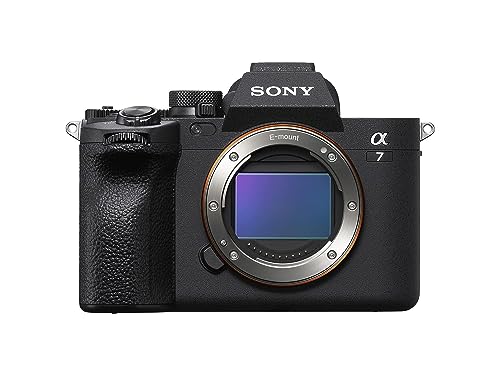
Mirrorless cameras use changeable lenses and larger sensors, so a true macro lens can reach life size magnification. You gain manual control, better low light results and the option of a weatherproof body for garden work. The cost is size, weight and price, since the lens matters as much as the body. Choose this type if detail quality comes first.
Point and Shoot Compacts vs Vlogging Cameras: Which Should You Choose?
Both types are small and use a fixed lens, so the choice turns on how you shoot. A compact made for stills often focuses closer and gives you more zoom reach for subjects you cannot touch. A vlogging model gives you a screen that faces you, cleaner sound with an added microphone and video tools you may use daily. If still detail is your main goal, see our guide to the best cameras for close up shots before you decide.
Pick the stills compact if your subjects sit on a table or in a garden and you rarely record. Pick the vlogging camera if you talk to the lens or film your hands at work. For technique ideas once you own one, see our guide to the best cameras for close up photography.
How to Choose the Right Close Up Camera
Start with your subject and working distance, because the best close up cameras on paper can still be the wrong tool if the lens cannot focus where you stand. Work through the six factors below and note which ones your subjects demand most.
Magnification and Minimum Focusing Distance
Two numbers predict your detail best. Magnification describes how large the subject appears on the sensor, and life size, written as a 1 to 1 ratio, marks a true macro lens. Minimum focusing distance tells you how near you can stand, and a very short distance can shade your subject with the camera itself. For digital models built for this work, see our guide to the best digital cameras for close up shots.
Sensor Size and Fine Detail in Close Up Work
Sensors come in steps, from small compact sensors to 1 inch, APS C and full frame designs. A larger sensor gathers more light, so fine texture holds together with less noise and colors stay clean in shade. Megapixels matter less than many buyers expect, because a modest count on a large sensor often beats a high count on a tiny one. Choose the largest sensor you will carry willingly.
Shooting Close Subjects in Indoor and Shaded Light
Close work often happens indoors or in shade, where light drops fast. A wide maximum aperture, such as f/1.8 to f/2.8, lets in more light and softens the background. Usable high ISO settings help when you raise shutter speed to stop camera shake. Judge sample images at the settings you will use, because noise shows first in dark and flat areas.
Focus Accuracy When the Sharp Zone Is Paper Thin
At close range the sharp zone is very thin, so autofocus must find a target and hold it. Look for subject tracking if you shoot moving subjects, and check for focus peaking or focus bracketing if you plan detailed still work. Image stabilization steadies the frame for handheld shots and video at slow shutter speeds. A tripod still wins for the sharpest results, since stabilization cannot fix a subject that moves.
Battery Planning for Slow, Careful Close Up Sessions
Close up sessions can run long because you compose slowly and review each frame. Check the rated shots per charge, and treat maker ratings as optimistic, since screen use and cold weather lower the real total. USB C charging lets you top up from a power bank between sessions. Plan on a spare battery if you shoot long sessions.
Video Capabilities
Video adds demands that still photos do not. Look for 4K recording if you crop clips, a microphone input if you explain your work aloud, and a screen that flips forward if you appear on camera. Smooth autofocus during recording matters more than headline frame rates. If you only shoot stills, skip advanced video tools and put the money toward the lens instead.
Common Mistakes to Avoid
Most regrets with a first close up camera come from a short list of avoidable errors.
- Judging a camera by megapixels alone leads you to a tiny sensor that turns fine texture into noise.
- Standing too close with a wide lens casts a shadow on your subject and blocks the light you need.
- Ignoring minimum focusing distance leaves you unable to get close enough for the detail you wanted.
- Shooting handheld at slow shutter speeds blurs edges that looked sharp on the small rear screen.
- Buying a mirrorless body before choosing its lens leaves the kit unable to reach true macro magnification.
Tips to Get the Most From Your Close Up Camera
Add light before you add settings. A small lamp or a bright window placed to the side of your subject reveals texture that no menu can create. Move the subject, not only the camera, when the background distracts, and take one frame wider than you need so you can crop later.
Rest the camera on a firm surface for still subjects, and set the self timer so your press does not shake the frame. Focus on the part that must be sharpest, such as the eye of an insect, and review at full size before you move on.
Care and Maintenance for Close Up Cameras
Clean the front glass with a lens cloth, not your shirt, because grit held in fabric can scratch the coating. Blow loose dust off first, then wipe gently in small circles from the center outward. Put the lens cap back on as soon as you finish shooting.
Store the camera in a dry, padded bag away from direct heat, and let a cold camera warm up inside the closed bag so moisture forms on the bag instead of the glass. Check mounts for grit before you change lenses outdoors, and wipe the body with a soft and dry cloth after garden work.
Close Up Cameras: Your Questions Answered
How much should you spend on your first close up camera?
Most first time buyers do well spending about $250 to $600 on the camera itself. Keep part of your budget aside for a small light, memory cards and a basic tripod, because those items lift results more than a pricier body. A used camera from a trusted seller can stretch the same budget further.
Can a smartphone replace a close up camera for small subjects?
A smartphone can replace a close up camera for casual snaps of labels, plants and quick listings. It falls short when you need real reach, because most phones crop the image and lose detail instead of using true optical zoom. Phones also give you less control over focus point and light. If you post daily and print nothing, a phone may be enough.
Which specs matter most for beginners buying a close up camera?
Focusing distance matters most, followed by stabilization and a screen you can tilt. Beginners also gain a lot from a guided macro scene mode, which sets aperture and focus limits for you while you learn. Skip deep menus at first, since simple controls you understand will produce sharper early results than features you never open.
Which close up camera type handles low light detail work best?
A mirrorless camera handles low light detail work best, because its larger sensor and wide aperture lens gather far more light than a compact can. It also records RAW files, which hold more shadow detail when you edit. If your subjects stay still, a steady lamp still beats any sensor upgrade for value.
What does magnification mean on a close up camera lens?
Magnification on a close up camera lens states how big the subject is recorded compared with its real size. You can check your own lens by photographing a ruler at your closest focus and comparing the length shown in the frame with the sensor width in the manual. That check helps you plan working distance for coins, stamps and insects.
Our Verdict
Start with your subject, then pick the type that fits it: compacts for light travel, vlogging models for filmed work and mirrorless cameras for the finest detail. Let focusing distance, sensor size and available light guide the final call.
Compare the best close up cameras in the product table above against those three points, and the right choice for your subjects should stand out.