Best Classic Film Cameras: Which One Fits the Way You Use It for 2026
Disclosure: We may earn a commission when you buy through links on this page, at no extra cost to you. As an Amazon Associate I earn from qualifying purchases. Learn more

The best classic film cameras for learning, travel, and portraits, with guidance on format, lenses, metering, and condition before you buy.
There is no single classic camera that suits every photographer, because the right choice depends on how you plan to shoot. Learning exposure, traveling light, and making large portraits each call for different bodies, lenses, and budgets. This guide to best classic film cameras starts with your use case, then walks through format, lenses, metering, and condition so you can buy with confidence.
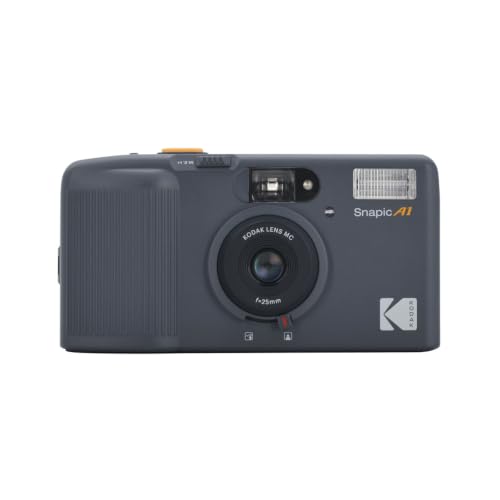
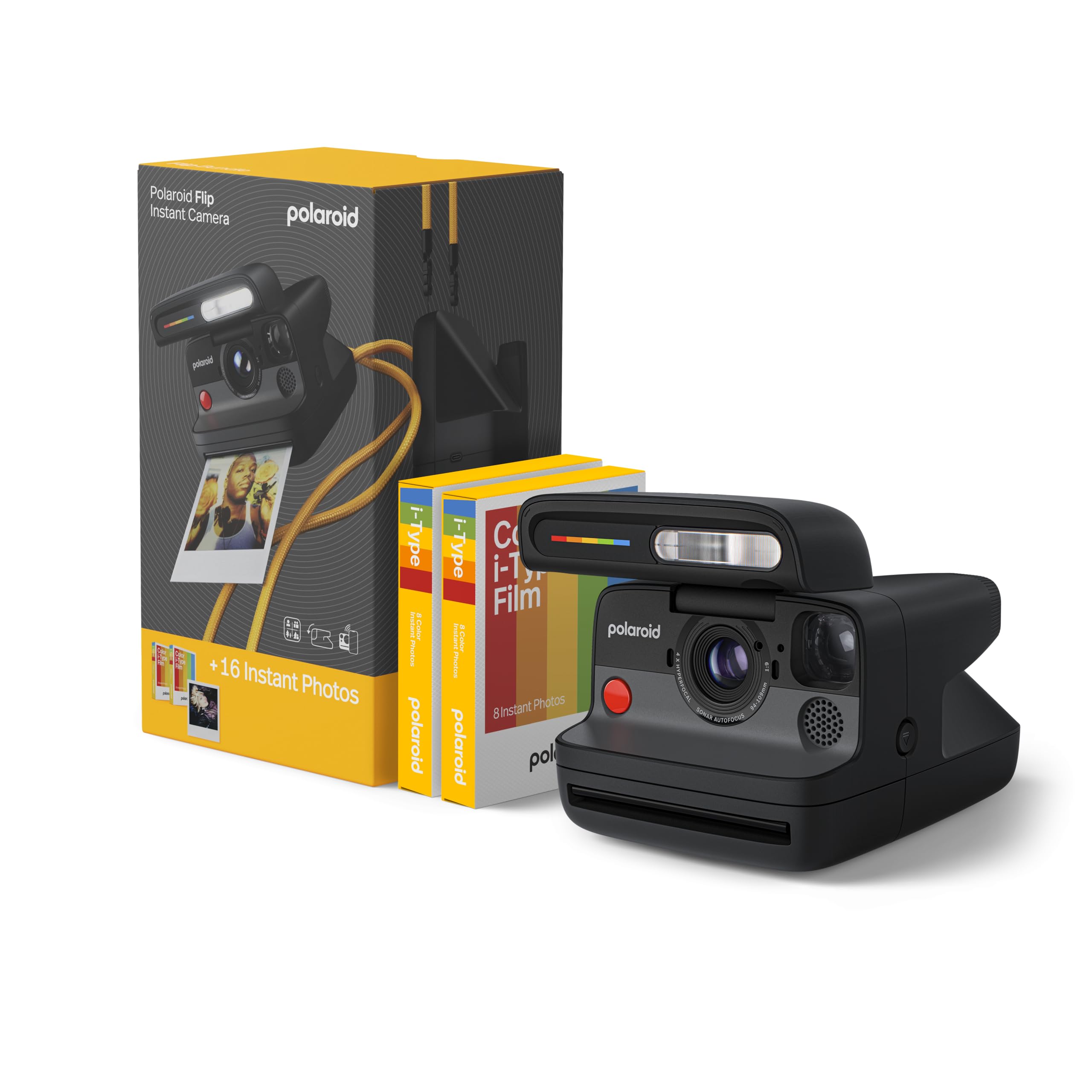
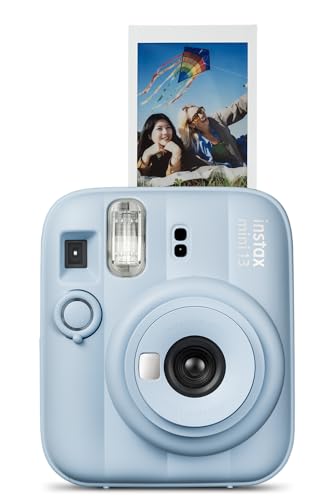
The product table below shows new film cameras you can buy today, from reusable 35mm compacts to instant models, while classic used bodies come from camera dealers and auctions. Prices for used bodies vary a lot with condition, so treat every listing as a condition question first and a price question second.


Who Should Buy Which Classic Film Cameras?
Start by matching the camera to the way you actually shoot, not to fame or looks. The three groups below each point you toward a different format and lens plan. If you are still comparing broader options first, see our guide to the best film photography cameras before you narrow down to classic bodies.
Learners Who Want Full Manual Control
You learn fastest on a 35mm single lens reflex body with a manual focus 50mm lens and a simple built in meter. That setup forces you to set focus, aperture, and shutter speed yourself, so every frame teaches you something about light.
Look for a bright viewfinder and a meter that works with batteries you can still buy easily. Avoid bodies that depend on rare batteries for basic operation. A plain and sturdy student style body in good order will teach you more than a famous body with faults.
Travelers and Street Photographers Who Want Small and Quiet
If you shoot while walking, a compact rangefinder or a small point and shoot body will get more use than a large kit left at the hotel. Rangefinders focus through a window rather than a mirror, so they stay small, quiet, and easy to use in low light with wide angle lenses.
Point and shoot models trade control for speed, and better ones add a sharp fixed lens and reliable autofocus. Pack weight and how fast the camera starts matter more here than a long spec list. If instant prints appeal to you more than negatives, see our guide to the best instant film cameras before you commit to roll film.
Portrait and Landscape Shooters Who Want Maximum Detail
Medium format is your natural step up when you print large or want smooth tones and fine detail. A medium format negative is several times larger than a 35mm frame, so scans and prints hold detail that smaller film cannot match. Twin lens reflex and modular system bodies are common here, and most slow you down in a good way, with waist level finders and deliberate framing. Budget for a tripod and higher cost per frame, and choose this route only if you accept a heavier bag.
Key Features to Compare
Once your group is clear, compare the features below in order, since they decide your image quality and running costs when you compare the best classic film cameras side by side. The product table above can help you line up formats and body types while you read.
Film Format and Frame Size
Format is the size of the film frame, and it shapes detail, cost, and camera size more than any badge does. Standard 35mm film gives you 24 or 36 frames per roll, low cost per shot, and the widest choice of bodies and labs. Medium format film, called 120 film, gives far fewer frames per roll but a much larger negative. Half frame 35mm cameras double your frame count by shooting two smaller images per frame, which suits travel notes.
Camera Type and Focusing Style
Body type decides how you focus and frame each shot. A single lens reflex shows you the scene through the taking lens, so what you see is what you get for close subjects and long lenses. A rangefinder aligns two images in a small window to set focus, and it excels with wide and normal lenses in quiet settings.
Manual focus suits most classic bodies, while later film models added autofocus that can help with moving children and pets. Viewfinder magnification also matters, because a brighter finder makes manual focus easier in dim light, above all if you wear glasses.
Lens Choice and Mount Availability
You are buying into a lens system, not just a body, so check what lenses exist for the mount and what they cost today. A fast 50mm lens is the classic starting point, a 35mm lens suits street and travel scenes, and a short telephoto around 85mm to 135mm flatters faces. Some mounts have deep used markets with fair prices, while rare mounts leave you stuck with one costly lens. Also check that lens glass is free of fungus and haze, because cleaning can cost as much as the lens.
Metering and Exposure Control
The meter tells you how much light the scene has, and exposure controls turn that reading into a correct frame. Fully manual bodies make you set both aperture and shutter speed, which builds skill but slows you down. Aperture priority bodies set the shutter speed once you pick the aperture, a good middle ground for travel.
Check which battery the meter needs, because some old cells are no longer made and need substitutes. Compare the meter against a known light reading if you can, since a meter that reads two stops off will ruin roll after roll.
Mechanical Condition and Serviceability
With classic bodies, condition beats model name every time. Shutters can run slow at some speeds, foam light seals crumble and leak light onto your film, and advance levers can slip. Ask when the camera last had a CLA, which means cleaning, lubrication, and adjustment by a technician.
Popular models are cheaper to service because parts remain available. A serviced body at a fair price is usually a better buy than an unverified body, because one repair bill can erase the saving at once.
How Classic Film Differs From Digital Features
Classic film bodies predate most digital selling points, so judge them on film terms instead. There is no sensor size to compare, because the film format itself plays that role, and there is no 4K video, image stabilization, or weatherproof rating on most classic bodies. A few late compact film cameras offer optical zoom lenses, but most classic systems use fixed focal length lenses you swap by hand. If digital features matter more to you, see our guide to the best digital cameras and compare mirrorless cameras and action cameras before you spend on film gear.
How to Check a Classic Film Camera Before You Buy
A short in person check, or a clear set of questions to a seller, will save you from most bad purchases. Fire the shutter at every speed and listen for speeds that sound alike when they should differ, above all the slow speeds. Open the back and look for crumbling foam seals, rust, and bent parts, then check that the film advance feels smooth and even.
Look through the viewfinder for dust, fungus spots, and a clear rangefinder patch if the body has one. Bring a small battery so you can check the meter on the spot. If you are comparing classic bodies with the wider classic market, see our guide to the best classic cameras to place film models in context. When you shop online, favor listings that state shutter accuracy and return terms in plain words, and be wary of the word unverified, which often means faulty.
Finally, factor in the full starting cost before you pay. Add a fresh battery, a strap, two or three rolls of film, and the price of developing and scanning one roll. If that total passes your budget, choose a simpler body in better condition.
Common Mistakes to Avoid When Buying Classic Film Cameras
- Buying a famous model in poor condition, so your first rolls come back with light leaks and missed focus.
- Ignoring lens mount choice, so the lenses you want later cost far more than you planned.
- Skipping the battery question, so you get home with a meter that needs a cell you cannot buy locally.
- Paying for medium format before checking developing costs, so each roll costs more than your budget allows.
- Forgetting film and developing costs entirely, so the camera sits unused after the first month.
- Choosing a body with no return option and no service history, so a hidden fault becomes your repair bill.
Setup and Care Tips for Your Classic Film Camera
Start your first roll in good light and keep notes on each frame, listing aperture and shutter speed, so you can learn from the results when the scans return. Load and unload film in shade, and rewind the roll fully before you open the back. If you are new to roll film, see our guide to the best cameras with film for a plain overview of how film loading and labs work.
Store the camera in a dry padded bag with the lens cap on, and keep it away from damp basements and hot car trunks, because heat and moisture feed fungus on lens glass. Clean the lens with a soft lens cloth and a blower, never your shirt. Remove batteries if you will not shoot for several months, since old cells can leak and damage contacts, and exercise the shutter at each speed during long breaks.
FAQs
What specs matter most for beginners choosing a classic film camera?
A working meter, a standard 50mm lens, and reliable shutter speeds matter most for a first classic film camera. Those three things let you expose and focus correctly while you learn, far more than a long feature list does. One extra point is film choice, so start with ISO 400 film, because it forgives small exposure errors in varied light.
Which classic film camera type is better for low light photos?
A rangefinder or single lens reflex body paired with a fast lens, such as an f1.4 or f1.8 prime, is better for low light photos than a slow zoom compact. Fast glass gathers more light, so you can keep shutter speeds high enough to avoid blur. Pair that setup with ISO 800 film for evening street scenes, and brace your elbows against your body for steadier frames.
How much should you spend on a first classic film camera?
Plan on about $150 to $400 for a serviced 35mm body with a standard lens in good working order. That range buys reliability rather than prestige, and it leaves money for film and developing. Medium format starter bodies usually cost more, so add a clear margin if you choose that format. A return window is worth a small premium, because it protects you if the shutter or meter fails in week one.
What does film format mean for a classic film camera?
Film format means the physical size of each frame, and it sets how much detail your negative or scan can hold. It also decides which film stock you buy, since 35mm rolls and 120 rolls are not interchangeable. One point worth adding is frame count, because a 120 roll may give only 10 to 16 frames, so you will reload far more often than with 36 frame 35mm rolls.
Is a smartphone enough instead of a classic film camera?
A smartphone is enough for quick sharing, but it cannot give you negatives, the manual process, or the look of real film grain. Many people keep both, using the phone for instant records and the film camera for slow and deliberate work. A useful middle step is to shoot one borrowed roll before buying, so you learn whether you enjoy waiting for lab results.
Final Thoughts
The right choice comes down to three things: the format that fits your prints and budget, a lens mount you can afford to grow with, and a body in honest working condition. Match those to your group above, use the product table above to compare body types, and favor a serviced camera over a famous name with faults. Chosen that way, best classic film cameras stop being a guessing game and become a tool you will reach for on purpose, roll after roll.