
Best City Walking Sandals: 2026 Buying Guide
Disclosure: We may earn a commission when you buy through links on this page, at no extra cost to you. As an Amazon Associate I earn from qualifying purchases. Learn more

Compare the best city walking sandals by fit, cushioning, upper materials, traction and weight, so you can choose a pair that stays comfortable on long days on pavement.
City walking means long stretches on hard pavement, frequent stops, and surfaces that change from sidewalk to shop floors to park paths. A good pair must cushion each step without feeling heavy, hold your foot steady, and breathe on warm days. The best city walking sandals therefore balance fit, support, traction, and weight, rather than focusing on one feature alone. This guide explains the comparison table below and how to judge each factor for your own feet and routes.
Start by thinking about how far you walk and whether your route includes rain or cobbles. A light sandal may feel great for a short stroll but lack the support you need after several miles. A heavily cushioned pair may feel soft at first but trap heat in crowded streets.




Spending Levels for City Walking Sandals
At a lower price, expect simple straps, basic cushioning, and a flat footbed that suits short walks on smooth ground. That level works well as a backup pair or for travelers who want something light to pack.
In the middle range, you often get better arch support, a contoured footbed, adjustable straps, and a more durable outsole. That level suits daily city walking, because the extra structure helps when your feet tire late in the day.
At a higher price, look for refined cushioning, a stable heel cup, breathable uppers, and outsoles tuned for wet pavement. That level suits long sightseeing days and commuters who walk several miles. Price alone does not guarantee fit, so try the sandal on both feet and check for heel slip and pressure points before a long day.
How to Choose City Walking Sandals: Buying Guide
To find the best city walking sandals for your feet, work through fit first, then cushioning, materials, weather protection, traction, and weight.
Fit, Sizing, and Toe Box
Measure or try on sandals later in the day, when feet are slightly larger from walking. Your toes should have room to spread without hitting the front edge, and the heel should sit inside the footbed without hanging over the back. A roomy toe box helps on long walks, while a snug midfoot keeps the sandal from shifting. If you notice persistent or worsening foot pain, swelling, or numbness, see a doctor rather than trying to fix the problem with a new sandal alone.
Cushioning and Support
Cushioning absorbs impact on pavement, while support keeps your foot aligned as you tire. A contoured footbed with gentle arch support often feels better over distance than a completely flat sole. Heel to toe drop changes how your stride feels, so a lower drop may feel more natural while a higher drop may feel more cushioned. Notice how the sandal feels after standing for a while, not just after a few steps, because support matters most when your muscles are tired.
Upper Materials and Breathability
Uppers control airflow, adjustability, and how quickly the sandal dries after rain. Mesh and open straps breathe well on warm days, while leather and padded straps can feel more secure and durable. Look for straps that adjust at more than one point, because a single strap often cannot hold both the forefoot and the ankle well. Soft linings under straps reduce rubbing, and quick drying materials help if you cross wet streets.
Weather Protection and Water Resistance
Full waterproof membranes can help in steady rain, but they also reduce airflow and may feel hot on dry days. For most city walking, water resistant uppers and quick drying straps are a better compromise than a sealed design. If you often walk in rain, favor outsoles that grip wet pavement and straps that stay secure when wet. Dry sandals away from direct heat after a wet day, and check that the footbed does not stay damp.
Outsole Traction and Terrain
Outsole traction matters most on smooth stone, painted crossings, and wet shop floors. Look for a rubber outsole with a pattern that grips in both straight walking and turning, rather than a smooth sole that slips when wet. Deeper lugs help on loose paths but can feel clunky on flat pavement, so choose a moderate pattern for mixed city routes. Check the heel area as well, because heel strike on hard ground is where many slips start.
Weight and Flexibility
Weight adds up over thousands of steps, so a lighter sandal often feels fresher late in the day. Flexibility matters too: a sole that bends near the forefoot follows your natural stride, while a very stiff sole can feel like a plank on pavement. Some stiffness under the midfoot helps stability, especially if you carry a bag or walk on uneven cobbles. The best balance is a forefoot that flexes, a midfoot that stays steady, and a total weight you barely notice after an hour.
Types of City Walking Sandals
City sandals fall into a few broad styles. Use the type as a starting point, then judge each pair on fit, cushioning, and traction.
Flat and Minimal Sandals
Flat sandals are light, packable, and easy to slip on for short walks and warm evenings. They usually have thin cushioning and little arch support, so they suit people who prefer a close to the ground feel. Check outsole grip carefully, because a very smooth flat sole can slip on wet stone. They suit short days, not full sightseeing days.
Cushioned Comfort Sandals
Cushioned sandals add a thicker footbed, a contoured arch, and a stable heel cup for longer days on pavement. They suit commuters and travelers who walk several miles, because the extra padding reduces the harsh feel of concrete. Look for cushioning that rebounds rather than feeling flat after a few hours, and make sure added height does not make the sandal feel tippy.
Sport and Adjustable Sandals
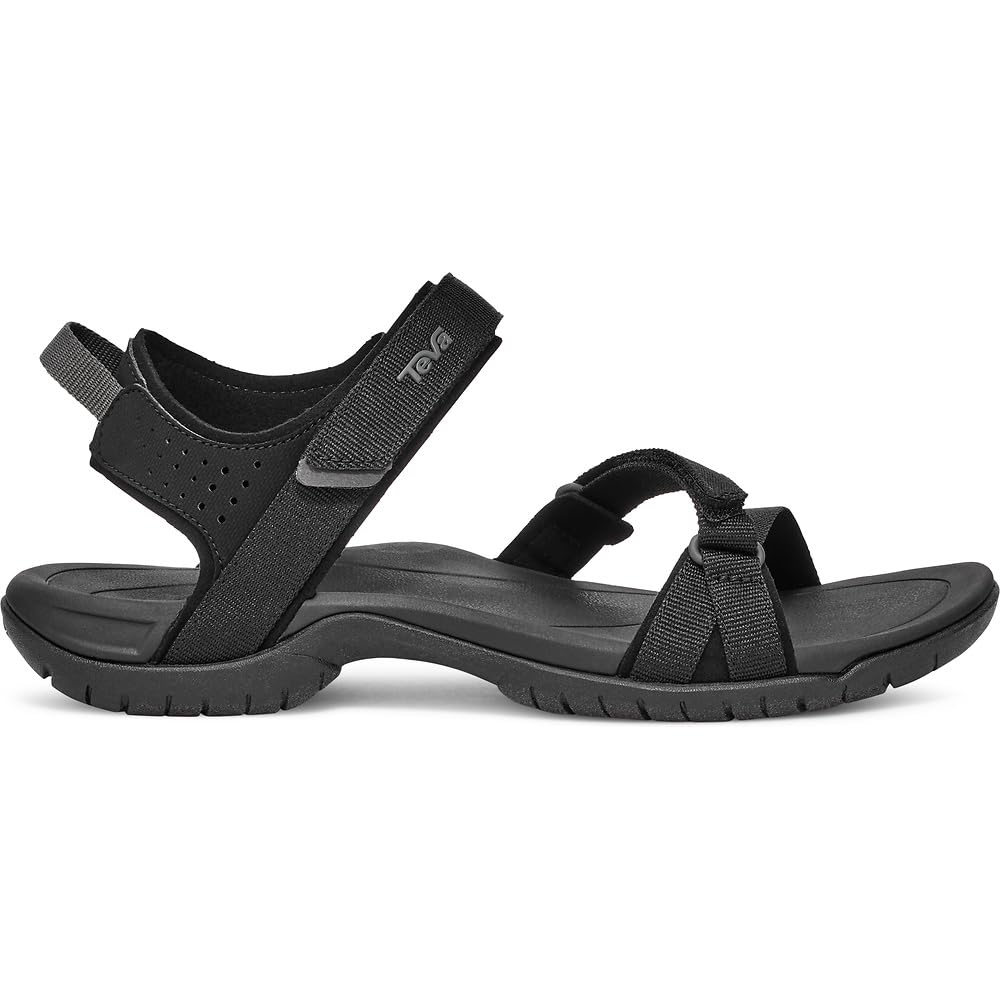
Sport sandals use multiple adjustable straps and a grippy outsole for mixed routes that include parks and wet streets. They suit active days when you need a secure fit and do not want a strap loosening. The trade off is weight and a more casual look, plus straps that need a little time to adjust correctly. For highly rated options in this style, see our guide to best rated walking sandals alongside the fit checks in this guide.
Closed Toe City Sandals
Closed toe sandals protect the front of the foot while keeping side ventilation for warm weather. They suit crowded streets and routes with curbs where toe bumps are common. Make sure the toe area still gives your toes room to spread, because a closed design that squeezes the forefoot will cause discomfort quickly. If you want a sandal that feels closer to a shoe, this style bridges the gap without giving up airflow entirely.
Tips to Get the Most From Your City Walking Sandal
- Break in a new pair with short walks before a long sightseeing day.
- Air dry wet sandals away from direct heat to protect straps and footbeds.
- Rotate two pairs for daily wear so cushioning can recover between walks.
- Adjust straps after the first mile, since feet swell slightly as you walk.
- Replace a pair when cushioning feels flat or straps no longer hold firm.
For a sandal that leans more toward a classic city look, compare the styles above with our guide to best city sandals, and note how strap design changes adjustability. If you plan a trip abroad, our guide to best walking sandals for europe covers cobbles and long museum days. See also our guide to best ladies walking sandals for sizing and strap placement.
City Walking Sandals: Your Questions Answered
Can I wear city walking sandals all day?
Yes, you can wear city walking sandals all day if the fit, cushioning, and support suit your feet and route. Choose a contoured footbed, adjustable straps, and an outsole that grips wet pavement, then break in the pair with shorter walks first. Watch for heel slip, toe crowding, and hot spots during the first long day, and adjust straps as your feet swell. If pain persists or worsens, see a doctor rather than pushing through in the same pair.
Do I need waterproof city walking sandals?
You usually do not need fully waterproof city walking sandals unless your route includes standing water or long rain walks. Water resistant uppers, quick drying straps, and a grippy wet pavement outsole cover most city showers. Fully sealed designs can trap heat and sweat on dry days, which may increase blister risk. If you do choose a waterproof pair, try it on a warm day first to make sure airflow and fit still feel comfortable.
How should city walking sandals fit?
City walking sandals should hold the midfoot snugly while leaving room for toes to spread and the heel to sit fully on the footbed. Try them on later in the day, walk on a hard floor, and check that the foot does not slide forward on a slope or slip at the heel. Adjust each strap separately, because tightening one strap rarely fixes a poor fit elsewhere. One more point to check is toe clearance when walking downhill, since feet slide forward and a short footbed will crowd toes quickly.
How long is the break in period for city walking sandals?
Most city walking sandals need a few short walks over several days before they feel settled. Straps soften, the footbed molds slightly to your foot, and you learn where adjustments are needed. Start with walks under an hour, then add distance gradually and check for rubbing after each outing. If a strap still digs in after several short walks, the fit is likely wrong rather than simply new.
How often should I replace my city walking sandals?
Replace city walking sandals when cushioning feels flat, the outsole is smooth under the heel or forefoot, or straps no longer hold the foot steady. Mileage varies with weight, surface, and build, so inspect the pair rather than relying on a fixed calendar. A useful check is to press the midsole: if it stays compressed and does not rebound, support has likely faded. Keep a second pair for rotation, and retire a worn pair before a long trip rather than during it.
Our Verdict
Pick fit first, then cushioning and traction for the surfaces you actually walk. A contoured footbed, adjustable straps, and a grippy outsole will carry most city walkers further than a flashy upper alone. Use the product table above to compare pairs on the same checks, and choose the pair that stays comfortable at the end of the day, not just in the first few steps. The best city walking sandals are the ones that fit your feet, suit your route, and keep you walking happily across the city.


