Best Comfortable Shoes for Wide Feet in 2026: Roomy Fit Guide
Disclosure: We may earn a commission when you buy through links on this page, at no extra cost to you. As an Amazon Associate I earn from qualifying purchases. Learn more

Learn true wide sizing, toe box shape and fitting tips to choose the best comfortable shoes for wide feet.
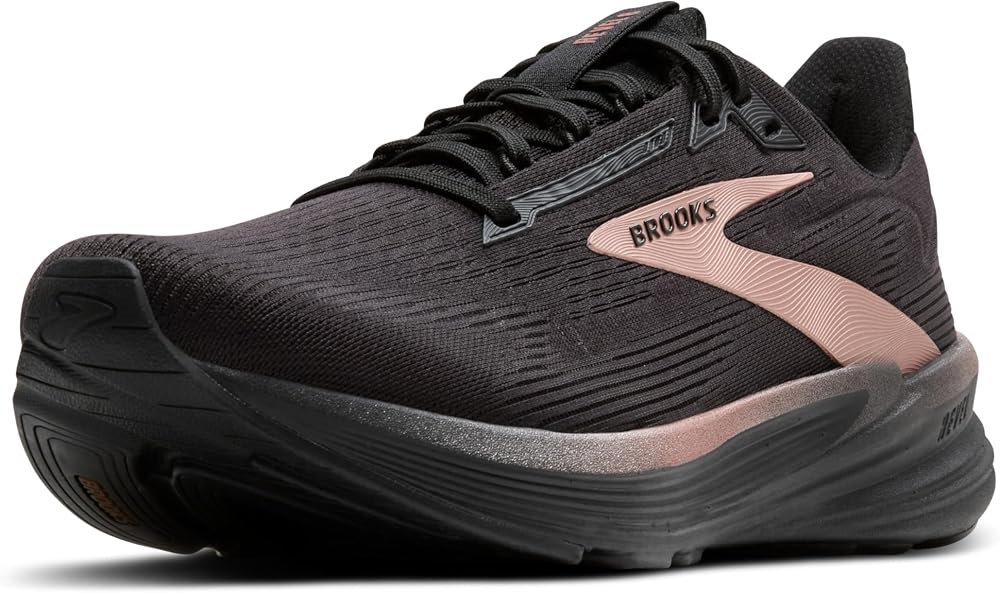
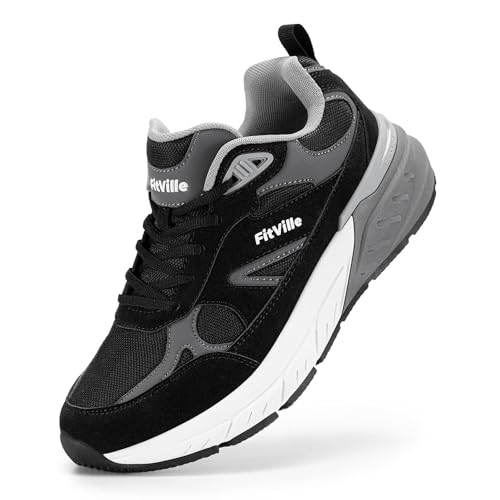
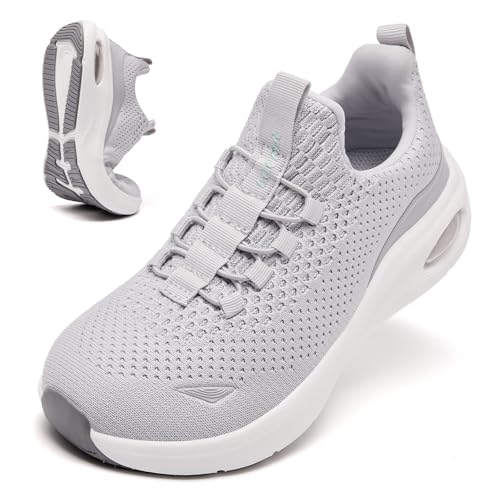
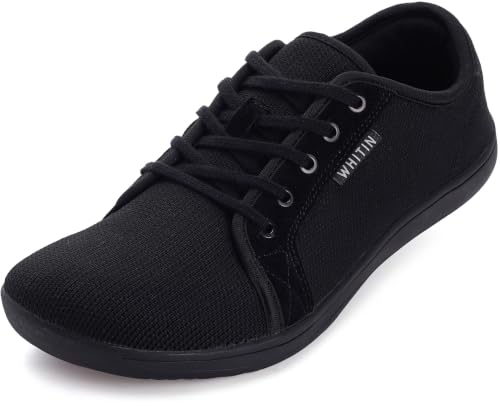
Finding shoes that do not pinch is a daily challenge when standard widths feel tight, and the best comfortable shoes for wide feet solve that problem with real width, not just a stretched upper. The comparison table below shows the main styles and width options to compare. A good wide fit gives your toes room to spread, keeps the midfoot held without squeezing, and still supports the arch through a long day.
Many people buy a longer size to gain width, but that creates heel slip and toe crowding at the same time. True wide sizing changes the shape of the shoe across the forefoot and the midfoot. This guide explains how to tell a genuine wide fit from a regular shoe that merely feels soft. It also covers materials that stretch, lacing tricks, and signs that a pair is still too narrow.





Who Should Buy Wide Fitting Shoes
Wide fitting shoes suit anyone whose forefoot feels squeezed in standard widths, including people with bunions, a broad forefoot, or swelling that changes through the day. Walkers, retail workers, and anyone on their feet for hours will notice the difference first, because pressure builds slowly over time. If your shoes leave red marks across the widest part of your foot, or your little toe feels cramped, a wide fit is worth trying. People with diabetes or circulation concerns should also favor roomy, seam free interiors and check their feet daily.
Key Features Worth Comparing
True Wide Sizing Versus Stretched Uppers
A shoe labeled wide should be built on a wider last, which changes the whole shape of the shoe rather than only the fabric. Stretch knit uppers can help, but they cannot fix a narrow sole or a tight toe box. Check whether the maker lists width options such as wide and extra wide, and compare the stated width with your own foot measurement. A genuine wide shoe keeps the heel stable while giving the forefoot real room.
Toe Box Shape and Depth
The toe box decides whether your toes can lie flat and spread naturally when you walk. A rounded or square toe shape suits wide feet better than a pointed shape, which squeezes the outer toes inward. Depth matters too, because a shallow toe box presses down on the tops of the toes even when the width seems right. Look for a toe box that feels roomy when you stand and shift your weight forward.
Stretch Materials and Seam Placement
Soft, flexible uppers adapt to the shape of a wide foot better than stiff leather that needs a long break in period. Knit, soft suede, and supple leather all stretch a little, but they still need enough starting width to work. Seams across the widest part of the foot can rub and cause blisters, so favor smooth interiors with few seams over the forefoot. If a seam sits on a bunion or a sore spot, that pair is unlikely to improve with wear.
Arch Support and Midfoot Hold
Width alone does not guarantee comfort, because a wide shoe still needs to support the arch and hold the midfoot. A contoured footbed or a removable insole lets you adjust support without losing width. The midfoot should feel secure when you lace up, not loose and sloppy. If the shoe feels wide but unstable, try a different lacing pattern or a supportive insole before giving up on the style.
How to Measure and Try Wide Shoes
Measure both feet in the evening, standing up, and use the larger foot as your guide. Note both length and width, and compare those numbers with the maker size chart rather than guessing from past purchases. Try shoes with the socks you normally wear, and walk around the room for several minutes. Your toes should wiggle freely, the heel should stay put, and no part of the foot should feel pinched when you stand.
Lacing and Fit Adjustments
Lacing can change the feel of a wide shoe a surprising amount. Skip an eyelet over a sore spot to relieve pressure, or use a wider lacing gap across the forefoot while keeping the ankle snug. Elastic laces suit people who want easy on and off without losing hold. If one foot is wider than the other, fit the wider foot and use an insole or a heel grip on the smaller side.
Living With Your Choice
Wide shoes need the same care as any pair, but fit checks matter more as materials stretch over time. Recheck the fit after a few weeks, because soft uppers can loosen and change how the shoe holds your foot. Rotate pairs when possible so foam recovers between wears. If numbness, persistent redness, or pain appears, stop wearing the pair and talk with a clinician or podiatrist, since ongoing pressure can cause lasting foot problems.
Recheck width after the break in period, since stretch can turn a snug pair into a loose one that slips at the heel. Replace the pair when support collapses or the upper stretches beyond a secure fit.
Related Guides Worth Reading
For a general comfort overview, the guide to best shoes for wide feet covers widths across many shoe types. Runners with broad feet can compare best running shoes for wide feet for sport specific cushioning. Gym goers may prefer best gym shoes for wide feet, while best athletic shoes for wide feet looks at training styles.
A Final Check Before You Order
Before ordering, measure both feet while standing in the evening and compare length and width with the maker chart. Check whether the style offers wide and extra wide grades, since the right grade matters more than the brand name. Read reviews from wide footed buyers about the toe box shape, not just overall comfort. Confirm the return policy allows a home trial with your usual socks.
Try the pair on a hard floor and walk for ten minutes, checking that toes wiggle and the heel stays seated. Stand on one foot and shift weight forward to check whether the forefoot feels squeezed under load. If the wider foot feels tight, fit that foot and adjust the other side with an insole. Do not accept a pair that leaves red marks after a short trial.
Getting the Most From Your Choice
Wear the shoes for gradually longer periods during the first week so materials settle to your foot shape. Use lacing tricks such as skipping an eyelet over a sore spot to relieve pressure without loosening the whole shoe. Keep an eye on seam placement over the widest part of the foot, since seams that rub early rarely improve. A thin supportive insole can improve arch support without crowding the toes.
Check the fit again after a month, because soft uppers stretch and change how the shoe holds your foot. Rotate pairs to let foam recover and to spot wear patterns early. Clean uppers gently and let shoes air fully between wears. If numbness or persistent pain appears, stop wearing the pair and talk with a clinician or podiatrist about the fit.
Frequently Asked Questions
How do I know if I need wide shoes?
You likely need wide shoes if standard widths pinch across the forefoot, leave red marks, or squeeze your outer toes. Measure your foot width standing up and compare it with the maker size chart for a clear answer. If you regularly buy a longer size just to gain width, a wide fit will probably feel better. Persistent pressure, blisters on the sides of the feet, and numb toes are all signs of a too narrow shoe.
Is wide the same as extra wide?
Wide and extra wide are different grades, with extra wide giving more room across the forefoot and midfoot. Some makers also offer a narrow heel with a wide forefoot for a more secure fit. Check the size chart, since width labels vary between brands and regions. Trying both widths in the same style is the fastest way to learn which grade suits your feet.
Do wide shoes look bulky?
Modern wide shoes come in many styles that look much like regular shoes, because the extra width is spread across the sole shape. Rounded toe boxes and clean uppers keep the look balanced rather than boxy. Choose a style that matches your wardrobe and check photos from the side and the front. Comfort should come first, but you do not need to accept a clunky look to gain width.
Can insoles help wide feet?
Insoles can improve arch support in a wide shoe, but they cannot fix a shoe that is too narrow. A thin, supportive insole works best, since a thick insole can crowd the toes and reduce width. Make sure the insole sits flat and does not bunch at the edges. If pain continues after fitting an insole, talk with a clinician or podiatrist about custom options.
Should I size up instead of buying wide?
Sizing up adds length as well as a little width, which often causes heel slip and toe crowding at the front. A true wide size adds width without extra length, so the heel stays secure and the toes have room. If you are between sizes, try the wide version of your usual length first. Return policies make it easy to compare both options at home before committing.
Final Thoughts
Comfort starts with width that matches your foot shape, plus a toe box, support, and upper that work together. Use the product table above to compare width options and styles side by side. Measure both feet, try shoes later in the day, and do not settle for a pair that pinches. With the right fit, the best comfortable shoes for wide feet can turn long days into easy ones, and a clinician or podiatrist can help if pain persists.