
Best City Sandals: Everything to Know Before Your First Purchase for 2026
Disclosure: We may earn a commission when you buy through links on this page, at no extra cost to you. As an Amazon Associate I earn from qualifying purchases. Learn more

Shopping for the best city sandals for the first time? Learn the terms, compare cushioning and fit options, and avoid rookie mistakes with this easy guide.
Your first pair of sandals made for real city walking is a different purchase from flimsy summer slides, and the vocabulary alone can slow you down. This beginner friendly guide to the best city sandals explains the basic terms in plain language, then shows you how fit, cushioning, and traction work together on pavement.
City sandals have to survive hot sidewalks, transit stairs, sudden rain, and hours of standing, all while looking acceptable in a cafe or a casual office. That is a bigger job than most people expect from open footwear. Read the basics first, note the shape of your own feet, and use the comparison table below to compare strap layouts and sole designs as you go.


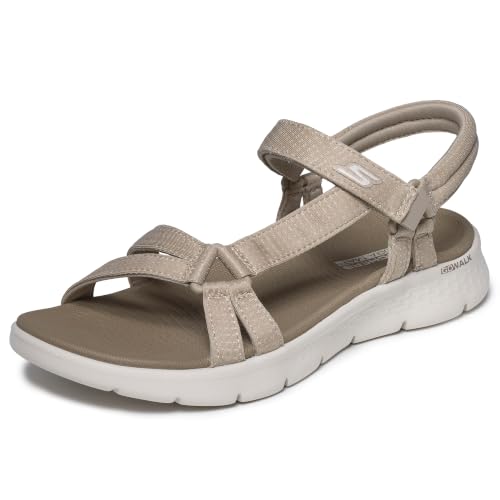
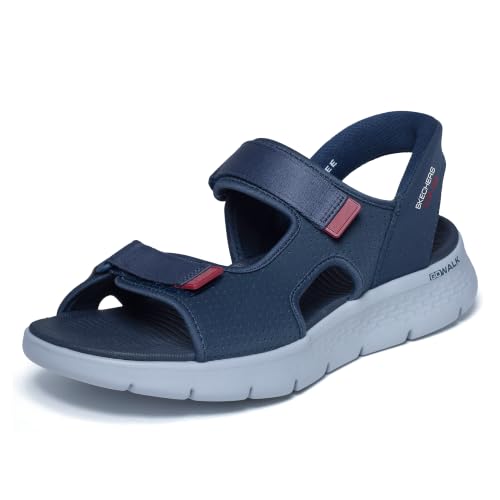

City Sandals 101: The Basics
A city sandal is an open shoe built for walking distance on hard, mostly flat ground. Unlike beach sandals, it secures the foot with adjustable straps at the heel and forefoot, sits on a shaped footbed that supports the arch, and uses an outsole with enough rubber and tread to grip wet pavement. The footbed is the surface your foot rests on, the midsole provides cushioning beneath it, and the outsole is the rubber layer that touches the ground.
A few more terms will help. The toe box is the space around your toes, heel to toe drop describes how much higher the heel sits than the forefoot, and stability features guide the foot when you tire late in the day. If you pronate heavily or have ongoing foot pain, treat this guide as general education only. See a doctor or a qualified foot specialist for personal advice, especially if you notice numbness, sharp heel pain that lasts beyond a few weeks, or wounds that heal slowly.
Key Specs Explained in Plain English
Fit, Sizing, and Toe Box
Measure your feet in the afternoon, when they are at their largest after hours of standing and walking, and always size for the longer foot. Your toes need room to spread on push off, so look for a toe box that lets them lie flat without pressing the sides. In sandals, length matters in both directions. Toes that hang past the front edge catch on curbs, while a footbed far longer than your foot trips you on stairs. Straps should hold the heel firmly without digging. If you fall between sizes, most walkers do better sizing up and tightening the straps than squeezing into the smaller pair.
Outsole Traction and Terrain
The outsole decides whether a sandal feels secure on the surfaces cities actually have, like polished station floors, wet crosswalks, and dusty park paths. Look for full rubber coverage rather than exposed foam, with shallow lugs or siping that channels water away from the contact patch. Deep trail lugs are unnecessary weight on pavement and can feel clunky on smooth floors. A slightly beveled heel reduces the slap and trip risk when your stride gets tired. Readers who plan long sightseeing days can compare sole designs in our guide to the best sandals for city walking to see how tread patterns differ by walking style.
Durability and Expected Lifespan
A good pair of city sandals should handle a full season or two of regular walking before the cushioning feels flat. Foam midsoles compress with use, and most walking footwear loses its best support after roughly 300 to 500 miles of walking, similar to running shoes. Leather straps stretch and mold to your foot, which improves comfort but can loosen fit over time if the adjustment range runs out. Check stitching at strap anchor points, since that junction takes the most stress. Rotating two pairs on heavy walking weeks extends the life of both.
Upper Materials and Breathability
Uppers come in three broad families. Leather looks smart, molds to your foot, and lasts well, but it dries slowly after rain and needs occasional conditioning. Woven and knit textile straps feel soft from day one and dry faster, though they can fray at edges after heavy use. Synthetic webbing, common on sport styles, shrugs off water and rough treatment at the cost of a more athletic look. Breathability in a sandal is mostly about strap coverage. Wide straps spread pressure but cover more skin, while narrow straps feel airier and can dig in on long walks if the edges are stiff.
Waterproofing and Wet Weather Use
True waterproof membranes like Gore Tex belong to closed shoes, because an open sandal lets water in from every side by design. What matters here is how the materials behave once wet. Synthetic straps, rubber outsoles, and quick drying footbeds recover within hours, while padded leather straps can stay damp into the next day and may stain. If your city summers bring daily downpours, choose a sport style you can rinse clean and air dry overnight. Keep a closed shoe for cold rain instead, since wet feet lose heat fast even when the sandal itself handles water well. Shoppers comparing overall quality tiers can also browse our guide to the best rated sandals for a sense of how materials change with price.
Rookie Mistakes to Avoid
- Buying your dress shoe size without checking. Sandal sizing runs differently between brands. Compare the footbed length in centimeters to your measured foot.
- Choosing fashion straps for walking days. Thin straps with no heel strap cannot hold the foot on hills or stairs, and your toes will claw to compensate.
- Ignoring arch support. A flat footbed feels fine in the store and punishing by mile three. Look for a shaped footbed with a defined arch.
- Wearing a new pair on a huge day first. Even soft straps create friction on untested skin. Build up distance gradually.
- Forgetting your socks and bags. Check that straps adjust over thin travel socks and that the pair packs flat enough for your usual bag.
Getting Started: Setup and First Use
Start by adjusting every strap in order, heel first, then instep, then toes, while standing with your full weight on the foot. Walk around your home for an hour before removing the tags, checking for rubbing at the ankle bone and between the toes if your style has a toe post. For your first outings, keep walks under an hour and carry adhesive bandages for hot spots. A thin layer of petroleum jelly or an anti friction balm on rub points prevents most early blisters while your skin adapts.
After wet or sweaty days, air dry your sandals away from direct heat, since radiators and strong sun can crack leather and warp foam. Brush grit out of the footbed grooves weekly, because trapped sand grinds straps and skin alike. When cushioning feels flat or the outsole wears smooth in the heel, it is time to replace the pair. That point often arrives near the same 300 to 500 mile window mentioned earlier, and worn sandals quietly change how your knees and back feel on long days. Men shopping for wider fits and firmer straps can find extra sizing notes in our guide to the best sandals for guys before ordering.
FAQs
Are expensive city sandals worth it?
They can be, if the extra money buys a shaped and supportive footbed, full rubber outsole coverage, and straps that adjust in three places. Those features decide comfort at mile five, and cheaper pairs often cut exactly those corners. Above about $120, gains become smaller and mostly about leather quality and looks. If you walk daily, cost per wear favors the better built pair. If sandals are only for short weekend errands, a mid priced pair serves you well.
How should city sandals fit?
Your heel should sit fully inside the footbed cup with no overhang, and your toes should end a small margin before the front edge. Straps should feel snug enough that the sandal moves with your foot instead of slapping at each step, without leaving deep marks after ten minutes. Walk on a hard floor, not carpet, when judging fit, because cushioning feels very different on pavement. If one foot is larger, fit that foot and use strap adjustment to fine tune the other side.
How often should I replace my city sandals?
Replace them when the footbed cushioning stays compressed, the tread wears smooth where your heel lands, or straps stretch beyond their adjustment range. For daily walkers that often means every one to two summers. A simple home check helps. Place the pair on a flat surface and look from behind. If the soles lean visibly inward or outward, the support structure has broken down unevenly and the sandals are ready to retire, even if they still look presentable from above.
Do I need waterproof shoes for city summers?
You need water tolerant sandals rather than waterproof ones. Open footwear cannot keep water out, so the goal is materials that stay comfortable wet and dry fast afterward. Synthetic sport styles win on rainy commutes, while leather styles suit mostly dry climates and smarter outfits. If you have diabetes or poor circulation, ask your clinician before walking in wet open footwear at all, because small cuts and blisters carry higher risk and need prompt attention.
Can I wear city sandals all day?
Yes, if the pair has real arch support, a cushioned but stable footbed, and straps that prevent your foot from sliding. Build up to full days over a week or two, especially if you normally wear structured shoes, because your feet and calves need time to adapt to the different demands. Alternate footwear on very long sightseeing days if your feet tire. People with plantar heel pain often manage longer days by choosing models discussed in our guide to the best sandals for plantar support needs, alongside advice from their own clinician.
Final Thoughts
Put fit first, traction second, and materials third, and your first purchase is likely to be a good one. A footbed shaped to your arch, straps that lock the heel without rubbing, and an outsole that grips wet pavement will carry you comfortably through long city days. Compare your shortlist in the product table above, check the footbed length against your measured foot one last time, and start with shorter walks. Chosen with that care, the best city sandals can become the footwear you reach for from May through September, and if foot pain ever persists, talk with your clinician about your personal needs.


