Best Circuit Testers for Every Need: How to Pick the Right One in 2026
Disclosure: We may earn a commission when you buy through links on this page, at no extra cost to you. As an Amazon Associate I earn from qualifying purchases. Learn more
Not every tester suits every job. Compare the best circuit testers by type, safety rating, display and price so you can pick the right tool for home checks.
There is no single tester that suits every job, because a quick check for a dead outlet needs a very different tool than tracing a fault through a panel. Choosing best circuit testers starts with the work you actually do: simple presence checks, outlet wiring checks, or deeper fault finding. The comparison table below gives a quick side by side view, while this guide explains which tester type fits each use.
The most important rule is safety. A tester is only useful if its voltage rating and safety category match the circuits you will touch, and if you use it the way the maker describes. A cheap tester used on the wrong circuit can give a false sense of safety, which is worse than no reading at all. Check the tester on a known live source first, and call a qualified electrician if you are unsure about a panel, a main feed, or any reading you do not understand.




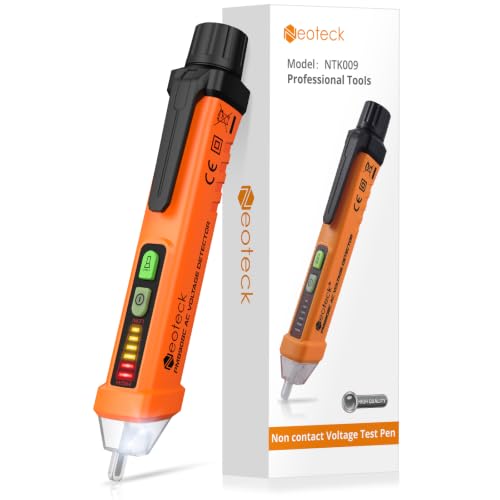
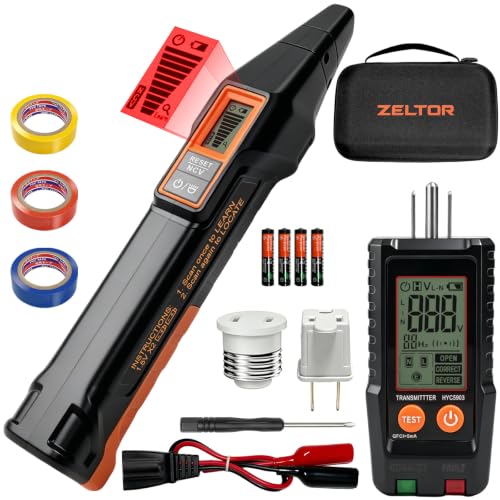
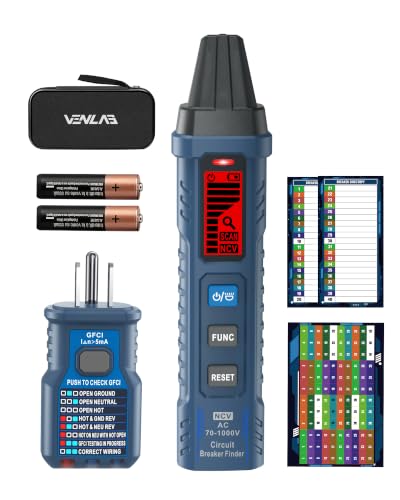
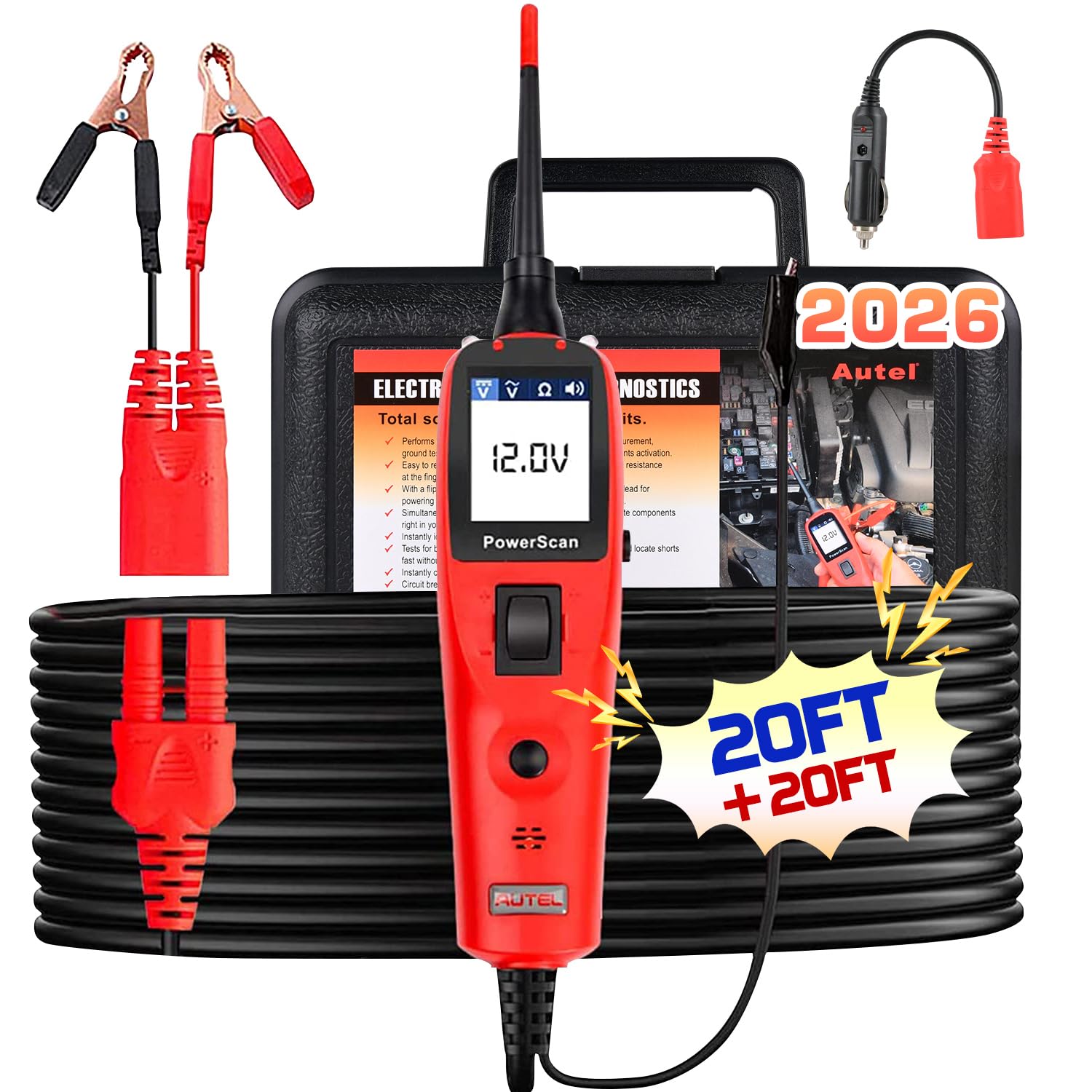
Who Should Buy Which Circuit Testers?
For Value Seekers
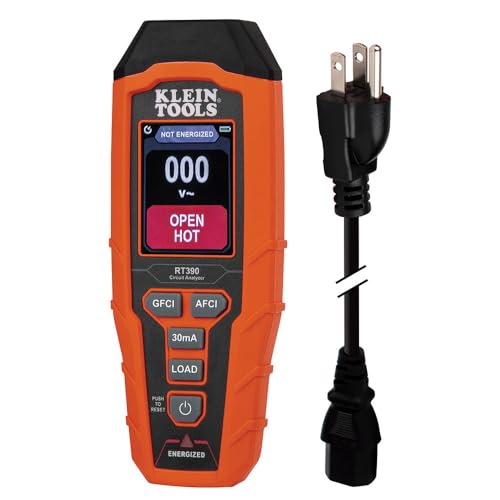
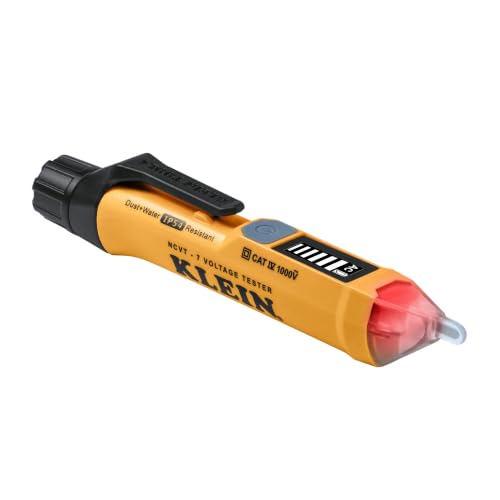
Value seekers want a tester that covers everyday checks without paying for advanced features they will rarely use. A simple contact free voltage pen plus a basic outlet tester covers most home checks, such as finding a dead outlet or confirming a circuit is off before changing a light fitting. Look for a clear indicator, a firm grip, and a voltage range that matches household circuits.
For Gift Shoppers
Gift shoppers should choose a tester that is easy to understand, safe to use, and backed by clear maker guidance. A well made outlet tester or a contact free pen with a simple light and sound signal suits a new homeowner or a hobbyist who is still learning. Look for a sturdy case, a clear instruction sheet, and a warranty that is easy to claim. Avoid gifting a complex meter to a beginner, since a confusing tool is likely to sit unused.
For People Who Want the Best Performance
Buyers who want the best performance usually need accurate readings across a wider range of jobs, from household circuits to workshop equipment. A full multimeter with a clear display, a good safety category rating, and solid lead quality fits that need, since it can measure voltage, continuity, and resistance in one tool. Performance also means durability, so look for a rugged case, protected inputs, and leads that feel firm rather than flimsy. Paying more makes sense when extra accuracy changes a decision, such as tracing a fault a basic pen cannot explain.
For First Time Buyers
First time buyers should start with the simplest tester that still answers their question safely. A contact free pen is a good first tool for checking whether a wire or outlet is live, while an outlet tester is a good first tool for checking common wiring faults in a socket. Read the maker instructions fully and check the tool on a known live source before each use. If a reading is unclear, ask a qualified electrician rather than guessing.
Key Features to Compare in the Best Circuit Testers
Safety and Certifications
Safety rating is the first feature to compare, ahead of price or display size. Check the voltage range, the safety category rating, and any listing from a recognized safety certification body, and make sure those ratings cover the circuits you plan to check. A tester rated only for household outlets should never be used on a main panel feed or on industrial equipment. Inspect leads, probes, and the case before each use, and retire a tester with cracked insulation or a damaged display.
Price and Value
Basic voltage pens often cost about $10 to $25, while outlet testers often cost about $15 to $35. A good general purpose multimeter often costs about $35 to $100, and professional grade meters can cost about $100 to $250 or more. Value depends on how often you use it and how serious a wrong reading would be, so a homeowner who checks an outlet twice a year needs far less than a workshop user who checks circuits daily. Spend more on lead quality, display clarity, and safety rating than on extra modes you will never use.
Maintenance and Long Term Costs
Long term costs come mainly from batteries, replacement leads, and eventual replacement of a worn tool. Contact free pens and outlet testers use little power and need only occasional battery changes, while multimeters with backlit displays use batteries faster. Leads wear at the probe ends and at the meter connection, so check them often and replace a set at the first sign of cracked insulation. Store the tester in a dry place and remove batteries during long storage.
Intended Use and Who It Is For
Intended use should drive the tester type, not the other way around. A homeowner who only wants to know whether an outlet is live needs a simple pen, while a renter checking a new flat needs an outlet tester that flags common wiring faults. A hobbyist building projects needs a multimeter for continuity and resistance checks, while a tradesperson needs a meter with a higher safety category and rugged build. Write down the three checks you do most often before you shop.
Size, Weight, and Fit for Your Space
Size and weight matter because a tester you cannot carry easily is a tester you will not use. A pen style tester fits a shirt pocket and suits quick checks around the house, while a full multimeter needs a case and suits a workshop bench or a tool bag. Grip matters too, since a tester used in a tight panel or a dark corner needs to feel secure in one hand. Check that the display is readable in low light.
Common Mistakes to Avoid When Buying Circuit Testers
- Buying on price alone and ending up with a tester whose safety rating does not cover your circuits.
- Ignoring safety ratings and certifications, which are the main guard against a false sense of safety.
- Choosing a tester that is too complex for your skill level, so it sits unused while simple checks go undone.
- Skipping the warranty and support check, which matters when leads wear out or a display fails.
- Forgetting to check the tester on a known live source before trusting a reading that says a circuit is dead.
Outlet wiring faults are a common reason people buy a tester in the first place. See our guide to best circuit breakers if your checks point to a breaker problem rather than a simple outlet fault. If you need to find which breaker feeds a room, see our guide to best circuit breaker finder, which covers tracing a circuit without guessing.
How to Make Your Circuit Tester Last Longer
Read the maker manual before first use, especially the sections on voltage limits, safety category, and lead inspection. Clean the tester with a dry cloth, inspect leads and probes before each use, and store it in a dry place away from heat and damp. Replace batteries promptly when the low battery signal appears, since a weak battery can cause a misleading reading. Keep the tester in its case rather than loose in a toolbox.
See our guide to best car battery testers if you also check vehicle batteries.
Circuit Testers: Your Questions Answered
How much should I spend on a circuit tester?
Most home users should spend about $15 to $100, depending on the tester type and how often they use it. A simple pen or outlet tester covers basic safety checks, while a general purpose multimeter suits hobbyists and regular home repair work. Spending above that range makes sense mainly for daily professional use.
Are expensive circuit testers worth it?
Expensive circuit testers are worth it when the extra accuracy, safety rating, or durability changes a real decision. A professional who traces faults daily benefits from a rugged meter, while a homeowner who checks an outlet a few times a year is better served by a simple, trustworthy tool. That gap is why a simple tool often beats a costly one for occasional home checks.
What features matter most when buying circuit testers?
The features that matter most are safety rating, voltage range, display clarity, and lead quality. Safety rating and voltage range decide whether the tester is safe for your circuits at all. Display clarity decides whether you can read the result in a dark panel or a tight corner. Lead quality decides whether the tester stays reliable after months of use.
How do I maintain a circuit tester?
Maintain a circuit tester by inspecting leads and probes before each use, cleaning it with a dry cloth, and storing it in a dry place in its case. Replace batteries when the low battery signal appears and remove them during long storage to avoid leaks. Retire any tester with cracked insulation or a damaged display, since those faults can hide a live circuit.
How long does a circuit tester last?
A circuit tester often lasts five to ten years with careful use and storage, though leads usually wear out sooner than the meter itself. Battery life, storage conditions, and how often the tool is dropped all affect that range. Replace leads at the first sign of wear, and replace a tester that has been dropped hard or exposed to water.
The Bottom Line
Pick the tester that matches your most common checks, your skill level, and the circuits you will actually touch. Safety rating comes first, display clarity and lead quality come second, and extra features come last. Start simple if you are new and call a qualified electrician whenever a reading is unclear. With those habits, best circuit testers become a tool you trust rather than a gadget you guess with, and the product table above is a good place to start comparing options side by side.