Best Claw Hammers for 2026: Matching the Right Model to Your Routine
Disclosure: We may earn a commission when you buy through links on this page, at no extra cost to you. As an Amazon Associate I earn from qualifying purchases. Learn more
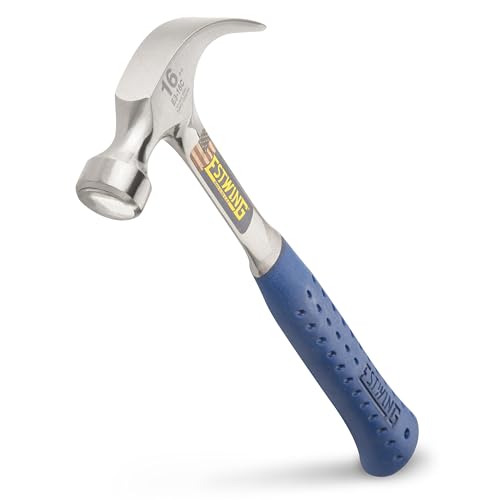
Choose the best claw hammers by head weight, handle material, claw shape, and grip, so the right hammer matches your routine and budget with confidence.
Choosing the best claw hammers starts with a simple question: what will you actually hit, pull, and pry most weeks? A hammer that feels perfect for hanging pictures can feel light and clumsy for framing work, while a heavy framing hammer can tire your arm during a long afternoon of trim work. This guide compares types, features, and budgets in the comparison table below, so you can pick a hammer that fits your hand and your routine.
The good news is that you do not need a large collection to cover most home jobs. One well chosen claw hammer, matched to your strength, your grip, and the fasteners you use most, will handle driving nails, pulling bent nails, and light prying. The sections that follow explain head weight, handle material, claw shape, and safety, so you spend on the features that matter and skip the rest.

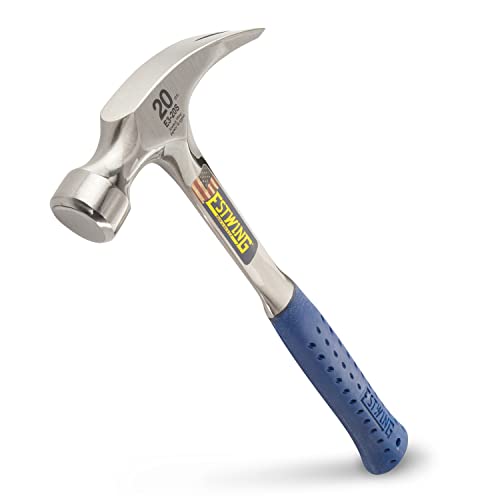
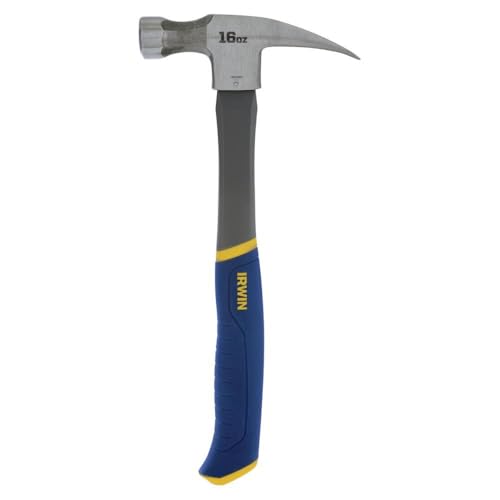


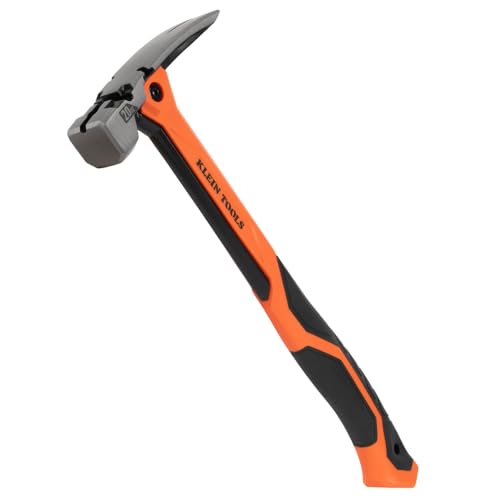


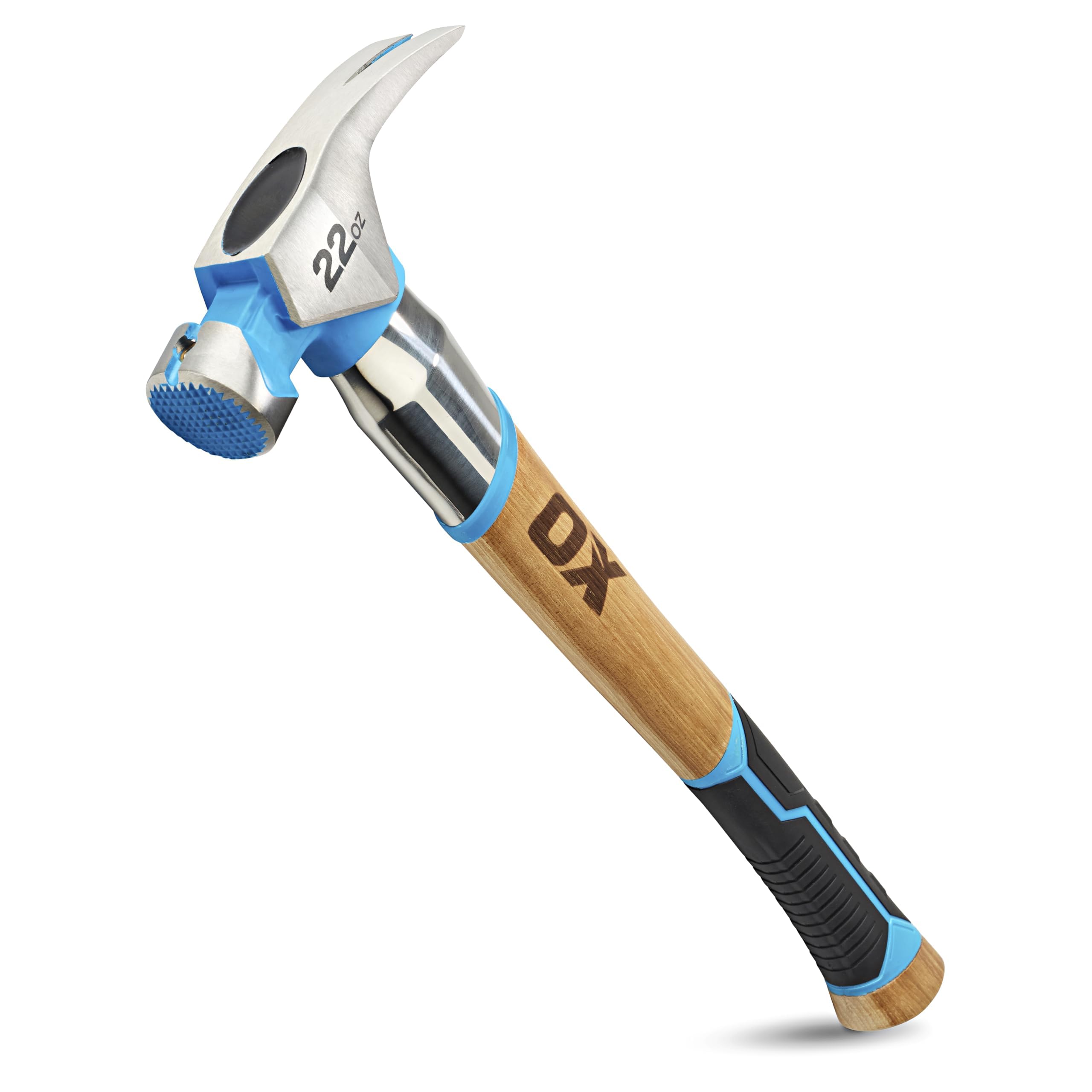
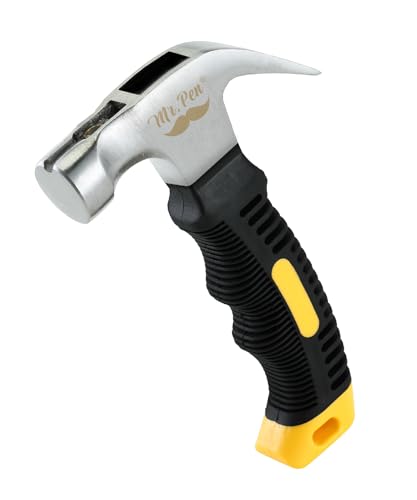
Who Should Buy Which Claw Hammers?
Claw hammers look similar at a glance, but small differences in weight and balance change how they feel after an hour of work. The groups below describe common routines, not skill levels, so match the description that sounds most like your weekends.
For Value Seekers
Value seekers want one dependable hammer at a fair price, and they are willing to skip premium finishes to get it. A mid weight head, usually around 16 ounces, covers most household nailing without feeling too heavy for repeated swings. Look for a secure head to handle joint, a comfortable grip, and a warranty that covers defects in materials and workmanship.
For Gift Shoppers
Gift shoppers need a hammer that is easy to give and easy to use, even for someone who is just starting a tool kit. A lighter head, around 12 to 16 ounces, suits a wide range of hands and reduces fatigue for a new user. Choose a grip that stays comfortable in warm weather and a claw that pulls nails cleanly, since a first hammer is often used for small repairs and hanging tasks.
For First Time Buyers
First time buyers should focus on balance and control before they worry about striking power. Hold the hammer near the end of the handle and check whether the head feels steady, not nose heavy, when you swing slowly. A shorter handle can help in tight spaces, while a standard length handle gives more leverage for driving longer nails.
Practice on scrap wood first, wear eye protection, and learn to strike squarely, since a glancing blow bends nails and chips the work surface. If most of your early projects involve framing lumber, read our guide to best framing hammers before you settle on a general purpose weight.
Key Features to Compare
The features below decide how the best claw hammers perform in real use. Compare them in the order that matches your routine, and treat comfort and safety as equal to striking power.
Head Weight and Balance
Head weight is measured in ounces and usually runs from about 12 ounces for light household work to about 20 ounces for framing. Heavier heads drive nails with fewer swings, but they also tire your wrist and shoulder faster, especially overhead. Balance matters as much as weight: a hammer with its weight centered near the head feels powerful, while a hammer with weight spread along the handle feels easier to control.
Handle Material and Grip
Handles are commonly made from hickory wood, fiberglass, or steel, and each material changes vibration and durability. Hickory absorbs shock well and feels warm in the hand, but it can break if it is struck on the handle or stored in damp conditions. Fiberglass resists weather and damp storage better, and it usually pairs with a rubber grip that cushions vibration.
Steel handles are very durable and often have a rubber grip, yet they can transmit more vibration to your hand during long sessions. Choose a grip that stays secure when your hands are dusty or damp, and check that the grip covers the full length your hand needs.
Claw Shape and Pulling Power
The claw is the curved fork at the back of the head, and its shape decides how well the hammer pulls nails and pries boards. A curved claw gives more leverage for pulling nails, because the curve acts as a fulcrum that lifts the nail with less effort. A straight claw, sometimes called a ripping claw, works better for prying boards apart and for demolition style tasks where you need a flatter lever. Check that the claw slot fits common nail sizes snugly, since a slot that is too wide slips off the nail head and a slot that is too narrow will not grip at all.
For heavier striking work that is closer to driving stakes than pulling nails, a different striking tool may suit the job better, and our guide to best drilling hammer explains that heavier category.
Safety and Certifications
Safety starts with the head to handle joint, which should show no wobble, gaps, or cracks where the head meets the handle. Look for a hammer that meets recognized tool safety standards and carries a clear maker mark, since unmarked tools are harder to trace if a defect appears. Always wear eye protection when driving or pulling nails, because nail heads and wood chips can fly even on a careful swing. Keep your free hand clear of the striking path, strike the nail squarely, and stop to check the head and handle for damage after any missed blow.
A hammer with a loose head belongs in the repair bin, not on the next job.
Ease of Use and Setup
A claw hammer needs no assembly, but ease of use still depends on length, grip texture, and face shape. A smooth face suits finish work where you want clean strikes, while a milled face with a light texture grips nail heads and reduces slipping on framing nails. Handle length affects reach and leverage: longer handles suit open framing work, and shorter handles suit cabinets, trim, and work inside a room.
If you often work in tight electrical boxes or around wiring, a lighter striking tool built for that trade can be easier to control, and our guide to best electricians hammer covers that lighter style. Whatever you choose, the hammer should feel like an extension of your arm, not a weight you fight.
Warranty and Customer Support
Warranty terms tell you how much confidence the maker has in the head joint, the handle, and the finish. Read what the warranty actually covers, since normal wear and misuse are often excluded. Check whether support is easy to reach and whether replacement handles are sold separately, because a replaceable handle can extend the life of a good head for years.
Common Mistakes to Avoid When Buying Claw Hammers
Most hammer regrets come from choosing on price alone or copying a tool meant for a different trade. Avoid these common mistakes:
- Choosing the heaviest head you can lift, instead of the heaviest head you can swing accurately for a full job.
- Ignoring the claw shape, then struggling to pull nails with a straight claw that was built mainly for prying.
- Buying a hammer with a loose or unmarked head joint, which is a safety risk no bargain price can justify.
- Skipping eye protection on small jobs, where a single glancing blow can still send a nail or chip flying.
- Storing the hammer in a damp garage without checking the handle, which weakens wood handles over time.
Care and Maintenance Tips
Read the maker manual before first use, and inspect the head, handle, and grip each time you pick the hammer up. Clean the face and claw after use, wipe away dust and moisture, and store the hammer in a dry place where it will not roll off a bench. Check the joint for movement by holding the head and gently trying to move the handle side to side; any play means the hammer needs repair or replacement before the next job.
Replace a cracked or splintered handle right away, and never use a hammer with a chipped face, since chips can break off during a strike. With simple care, a good claw hammer can serve for decades of home repairs.
Claw Hammers: Your Questions Answered
Are expensive claw hammers worth it?
An expensive claw hammer is worth it only when the extra cost buys better balance, a stronger joint, or a grip that suits your hand. For occasional picture hanging and small repairs, a mid priced hammer with a secure joint performs just as well as a premium model. Spending more makes sense when you swing a hammer for hours each week, since balance and vibration control reduce fatigue and improve accuracy over a long day. Judge the hammer in your hand, not by its price tag alone.
How do I maintain a claw hammer?
Maintain a claw hammer by cleaning it after each job, drying it before storage, and inspecting the head joint and handle for cracks or looseness. Wood handles benefit from an occasional light sanding to remove splinters, while fiberglass and steel handles mainly need a wipe and a grip check. Store the hammer in a dry spot away from heavy objects that could chip the face. Replace the handle or the whole hammer as soon as damage appears, since a weakened tool is unsafe to swing.
What features matter most when buying claw hammers?
Head weight, balance, handle material, claw shape, and joint security matter most when buying claw hammers. Weight and balance decide how accurately you can swing for a full job, while handle material affects vibration and durability in your storage conditions. Claw shape decides whether pulling nails or prying boards feels easy, and a tight joint keeps the head safely attached. Grip comfort and warranty terms come next, since they affect long term satisfaction more than color or packaging.
How long does a claw hammer last?
A claw hammer can last for decades when it is stored dry, inspected regularly, and used only for striking and pulling tasks it was built for. Wood handles wear faster in damp storage and may need replacement after years of heavy use, while fiberglass and steel handles often last longer with simple care. The head itself rarely wears out under home use, unless the face chips from striking hardened steel or masonry. Retire any hammer with a loose head, a cracked handle, or a chipped face, no matter how old it is.
How much should I spend on a claw hammer?
Most home buyers spend about $15 to $40 for a solid general purpose claw hammer, with lighter household models near the lower end and heavier framing style models near the upper end. Budget models can serve well for occasional use if the joint is tight and the grip is comfortable. Premium models, often around $40 to $80, suit people who swing a hammer daily and value balance and vibration control. Spend at the level that matches how often you will actually use the tool each month.
Wrapping Up
The right claw hammer is the one that matches your routine, your hand, and the nails you drive most. Start with head weight and balance, then check handle material, claw shape, joint security, and warranty, and you will avoid the most common buying mistakes. Use the product table above to compare the types side by side, and remember that comfort during a long job matters as much as striking power. With the best claw hammers chosen this way, your next repair, build, or hanging job should feel steadier from the first swing.