Best Chisel Sets 2026
Disclosure: We may earn a commission when you buy through links on this page, at no extra cost to you. As an Amazon Associate I earn from qualifying purchases. Learn more
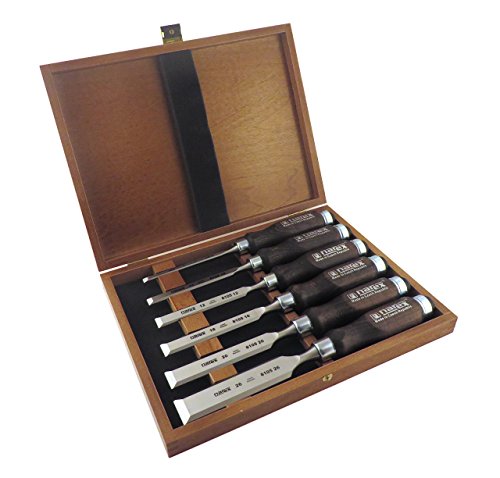
Pick the best chisel sets by steel, handles, and widths, with sharpening tips and a product table to compare sets.
A chisel set earns its place on the bench by holding an edge, cutting cleanly across the grain, and feeling balanced in your hand. The best chisel sets are rarely the biggest boxes. They are the ones with good steel, flat backs, comfortable handles, and a range of widths you will actually reach for. This guide explains what separates a useful set from a drawer of rarely used blades.
The product table below lines up sets you can compare side by side. Read the sections that follow first, because steel, handle style, and sharpening needs matter more than piece count.


Bench, Mortise, Paring, and Carving Chisels
Most sets are built around bevel edge bench chisels, with beveled sides that let the tip reach into dovetail corners and tight joints. They suit furniture making, door hinges, and general cleanup. A typical starter run covers about 6, 10, 13, 19, and 25 mm (roughly 1/4 to 1 inch).
Mortise chisels have thick, square blades that survive levering waste out of deep joints. Paring chisels are long and thin and are pushed by hand, never struck, for fitting parts to a fine line. Carving chisels and gouges have curved or shaped blades for decorative work. Many buyers need only a bench set at first and add one specialty tool when a project demands it.
Steel and Edge Holding
Steel decides how often you sharpen and how the edge behaves when it meets a knot. Chrome vanadium (often written CR-V) is a common alloy that balances toughness and edge life at a friendly price. High carbon steel takes a very keen edge and sharpens easily, but it rusts if left damp. Harder tool steels hold an edge longer, yet they can chip if struck at an angle and take more effort on the stones.
Ignore hardness numbers on the box. Choose steel that matches your sharpening skill and patience, and plan for a short flattening and honing session when a new set arrives, since even good chisels often need that first setup.
Handles and Balance
Hardwood handles feel traditional and absorb shock well. Plastic and composite handles resist moisture and impacts, which suits site work and damp garages. Check how the handle meets the blade: a socket joint feels solid under a mallet, while a tang joint is lighter but must stay tight. A handle that twists or rattles costs you control.
Hold a chisel the way you would hold it for a paring cut. The blade and handle should feel like one tool rather than nose heavy. If a handle has a metal strike cap, it is meant for a mallet. Plain handles are best tapped with a wooden or rubber mallet.
Sharpening Is Part of the Deal
A chisel is only as good as its edge, so budget for sharpening gear if you do not own it. A flat back and a consistent bevel angle give clean, accurate cuts. Water stones, oil stones, and diamond plates all work, and a honing guide helps while you build a steady hand. Hone little and often instead of waiting until the edge feels ragged.
Dull chisels slip, tear the wood, and need more force. Cut away from your body, keep both hands behind the edge, and clamp your work. Store blades in a roll, rack, or box so edges do not knock together.
Common Mistakes to Avoid
- Buying a very large set, which usually includes sizes that stay unused for years.
- Striking a chisel that is not meant for a mallet, which splits handles and chips edges.
- Judging a set by piece count instead of steel, flat backs, and handle fit.
- Skipping sharpening supplies, which leaves good steel working badly.
- Leaving blades in a damp shop, which invites rust on high carbon steel.
Choosing by How You Work
Furniture makers and anyone cutting dovetails should look for flat backed bevel edge chisels with comfortable handles, since long sessions punish a poor grip. Remodelers and deck builders often prefer tough alloy or composite handled chisels that can be struck and dropped without worry. Carvers are better served by shaped gouges than by a bench set. A solid set of four to six chisels from a reputable maker usually serves better than a very large budget box, and a typical starter range costs about $40 to $120.
If you want a closer look at the wood focused versions, our guide to best woodworking chisel sets and our guide to best wood chisel sets compare sizes, steel, and handles for timber projects.
Starter Sizes and What to Add Later
A practical first set covers narrow, medium, and wide chisels: about 6 mm for small joints, 13 mm for general work, and 25 mm for paring and flattening. Add a 19 mm chisel for hinges and mortises as projects grow. Wider chisels around 32 mm help with large flat surfaces, while narrow ones around 3 mm suit fine detail. Resist the urge to buy every size at once, because the chisels you use most will wear and need sharpening first, and the rest simply collect dust.
Frequently Asked Questions
How many chisels do I need to start woodworking?
Most beginners do well with three to five common widths for joints, paring, and cleanup. A narrow chisel handles small joints and a wide one handles paring and flattening. Start small, learn to sharpen, and add specialty profiles later.
What steel should I look for in a chisel set?
Look for steel that sharpens evenly and holds an edge through a reasonable amount of work. Very hard steel can chip on a nail or knot, while very soft steel dulls quickly. A mid range alloy that you can sharpen with confidence is a practical choice.
Are wooden handles better than synthetic handles?
Wooden handles feel warm and absorb shock, while synthetic handles resist splitting and moisture. The better choice depends on your grip, your shop conditions, and whether you strike with a mallet. Replace a cracked handle promptly.
Can I use bench chisels for mortise work?
Bench chisels can clean out a shallow mortise, but deep mortising suits thicker blades that resist bending. Levering waste with a thin blade can chip the edge. For occasional work, cut in small steps and clear waste often.
How do I keep chisel edges sharp?
Hone at a steady angle, keep the back flat, and finish with a fine stone or strop for a clean edge. Touch up the edge as soon as it stops paring end grain cleanly.
Final Thoughts
Pick a set with good steel, comfortable handles, and a size range that matches your joinery, then plan on sharpening it well. Compare the options in the product table above with those points in mind.
A focused set that you keep sharp will cut cleaner and last longer than a large box of unused blades, which is what makes the best chisel sets worth choosing carefully. Start with a few useful widths and add specialty chisels only when a project calls for them.