Best Chisel Sets For Woodworking 2026: How to Choose Well
Disclosure: We may earn a commission when you buy through links on this page, at no extra cost to you. As an Amazon Associate I earn from qualifying purchases. Learn more
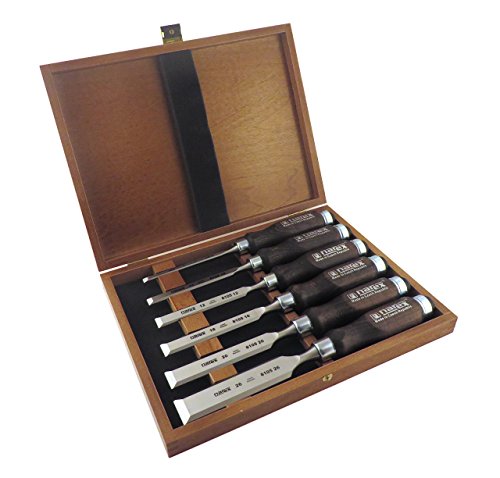
Pick the best chisel sets for woodworking by steel, handles, and sizes, with sharpening tips and a product table to compare sets.
Choosing the best chisel sets for woodworking starts with steel, handle comfort, and a size range that covers your usual joints. A good set should hold a sharp edge, feel balanced in the hand, and let you pare and chop without slipping. Beginners and experienced woodworkers both benefit from a set that is easy to sharpen and comfortable through long sessions.
The product table below gives a quick side by side view of chisel sets worth comparing. Use it with the guidance in this article to match a set to joinery, carving, or general bench work. Think about how you will sharpen, since even the best steel needs regular honing to stay useful.


Steel Types and Edge Holding
High carbon steel sharpens easily and takes a very keen edge, which suits fine paring and detailed joinery. It can rust more easily than stainless options, so wipe blades dry and store them in a dry shop. Many traditional woodworkers prefer high carbon steel for its predictable sharpening feel.
Chrome vanadium and similar alloy steels offer a balance of toughness and edge holding for general bench work. They resist chipping better than very hard steels when chopping mortises or working knots. Alloy sets are a practical choice for mixed tasks and for woodworkers who want durability without fussy care.
Very hard steels hold an edge longer but can be slower to sharpen and more prone to chipping if struck at an angle. Beginners often find medium hardness steels easier to maintain with basic stones. Choose steel by your sharpening skill and patience, not only by hardness numbers on a package.
Handles, Balance, and Sizes
Handle material affects comfort and durability, with hardwood handles offering a classic feel and good shock absorption. Synthetic handles resist moisture and impacts better, which suits site work and damp shops. Check that handles fit your hand size and do not twist during use, since a loose handle reduces control.
Balance matters when paring, because a chisel that feels nose heavy can tire your wrist. Hold the chisel as you would for a cut, and check that the blade and handle feel like one tool. Socket handles tend to feel solid, while tang handles can be lighter but need a secure fit.
A useful starter range includes widths of about 6 mm, 10 mm, 13 mm, 19 mm, and 25 mm, which cover dovetails, mortises, and general cleanup. Carvers may need narrower and curved profiles, while joinery work benefits from bevel edge chisels that reach into tight corners. Buy a range you will actually use rather than a very large set with sizes that stay in the box.
Sharpening and Safe Use
Sharpening is part of owning chisels, so budget for stones or a honing guide if you do not already own them. A flat back and a consistent bevel angle give clean cuts and reduce tearing in wood grain. Hone little and often, rather than waiting until the edge feels dull and ragged.
Safe use starts with a sharp edge, since a dull chisel needs more force and can slip. Always cut away from your body and keep both hands behind the cutting edge. Use a mallet that matches the handle type, and avoid striking plastic capped handles with a metal hammer unless the maker allows it.
Store chisels in a roll, rack, or box with edges protected, so blades do not knock together and dull. Keep them dry and away from damp benches, and wipe blades after use in humid shops. A simple storage routine keeps edges sharp and makes it easy to find the size you need.
Buying Tips for the Best Chisel Sets for Woodworking
For most bench work, a set of four to six chisels from a reputable maker offers better value than a very large budget set. Check blade flatness, edge quality out of the box, and handle fit before judging price. Some sets need initial flattening and honing, which is normal but adds setup time.
Price ranges vary, with a solid starter set costing about $40 to $120 and premium sets costing more for better steel and handles. Compare steel type, handle material, and included sizes rather than piece count alone. A smaller set of good chisels that you sharpen well will outperform a large set of poor steel.
Try chisels in a shop when possible, or buy from a seller with a clear return policy for defects. Read reviews that mention sharpening and edge holding, not just unboxing impressions. Over time, your sharpening skill will matter more than small differences between reputable brands.
Related Choices Worth Comparing
General chisel guidance can help you compare bevel edge and firmer styles in our guide to best chisel sets.
Wood specific options overlap closely with bench work, so our guide to best wood chisel sets covers handle types and steel choices for timber projects.
Router bits complement chisels for grooves and profiles, and our guide to best router bit sets for woodworking explains bit shapes and safe speeds.
Building Skill With a Small Set
Practice basic cuts on scrap wood before starting a fine project, since scrap lets you test sharpness, angle, and grain direction without risk. Try paring across grain, along grain, and into a corner, and notice how a sharp edge changes the feel of each cut. Short practice sessions build confidence faster than one long session on an expensive board.
Learn one sharpening method well before trying many systems, since consistency matters more than fancy equipment. A simple honing guide and two stones can produce excellent edges for most bench work. Once your angles feel automatic, you can refine technique and try freehand honing if you prefer it.
Keep a project notebook with notes on wood species, chisel sizes, and sharpening angles that worked well. Those notes help you repeat good results and avoid repeating mistakes on later projects. Over time, the notebook becomes a personal guide that matches your tools, your shop, and your working style.
Choosing Your Next Specialty Chisel
After mastering basic bench chisels, a mortise chisel can improve deep joint work, since its thicker blade resists levering forces. A cranked neck chisel helps clean the bottom of a mortise without bruising surrounding wood. Add specialty tools only when a repeated task shows a clear need.
A small carving gouge opens decorative work, though it needs different sharpening skills from flat chisels. Practice on scrap pine first, learning how grain direction changes cutting feel. Specialty tools reward patience, but they should not replace solid basic sharpening habits.
Frequently Asked Questions
How many chisels do I need to start woodworking?
Four to six chisels cover most starter tasks, including dovetails, mortises, and general cleanup. A range from about 6 mm to 25 mm handles small joints and larger paring work. Larger sets add sizes you may rarely use, so start small and add specialty profiles later. Quality and sharpening skill matter more than a large piece count.
What steel is best for woodworking chisels?
High carbon steel sharpens easily and takes a keen edge for fine work, while alloy steels offer toughness for general bench tasks. Very hard steels hold an edge longer but sharpen more slowly and can chip if misused. Beginners often do best with medium hardness steel that hones quickly. Choose steel that matches your sharpening setup and patience.
How do I keep chisels sharp?
Flatten the back, hone the bevel at a consistent angle, and touch up the edge little and often. Use water stones, oil stones, or diamond plates, and a honing guide if your angles vary. A sharp chisel cuts with light pressure and leaves clean shavings. Dull edges need more force, slip more easily, and tear wood grain, so do not wait until cutting feels hard.
Are bevel edge chisels better than firmer chisels?
Bevel edge chisels reach into dovetail corners and tight joints, which suits most furniture joinery. Firmer chisels have thicker sides and suit heavy mortise chopping. Most bench woodworkers start with bevel edge sets for versatility. Add firmer or mortise chisels later if you chop many deep mortises by hand.
How should I store woodworking chisels?
Store chisels in a roll, rack, or lined box with edges protected so blades do not knock together. Keep them dry, wipe blades after use, and avoid damp benches that cause rust. A wall rack keeps sizes visible and within reach. Good storage protects sharp edges and makes bench work faster and safer.
Final Thoughts
Choose a set with good steel, comfortable handles, and a size range that matches your joinery and bench work. The product table above can help you compare those features side by side. Sharpen little and often, and store edges safely between sessions.
A well maintained set will cut cleanly and feel balanced for years, making it a strong match for the best chisel sets for woodworking. Start with a focused range, learn to hone well, and add specialty chisels only when a task calls for them.