
Best 4K Cinema Cameras in 2026: Types Compared and How to Choose
Disclosure: We may earn a commission when you buy through links on this page, at no extra cost to you. As an Amazon Associate I earn from qualifying purchases. Learn more

Compare the best 4k cinema cameras by sensor size, lens mount, codec and low light work, plus a checklist for solo, studio and travel filming.
Choosing a cinema camera feels confusing because the same 4K label covers tiny compacts, hybrid bodies and large rigs built for a crew. The best 4k cinema cameras for you depend on how you shoot, not on the longest spec list. Use the comparison table below to match each camera type to your work first.
A solo shooter who moves fast needs a different tool than a team filming interviews all day. This guide compares the main types, then walks through sensor size, lenses, recording formats and handling, so you know which type deserves your budget.
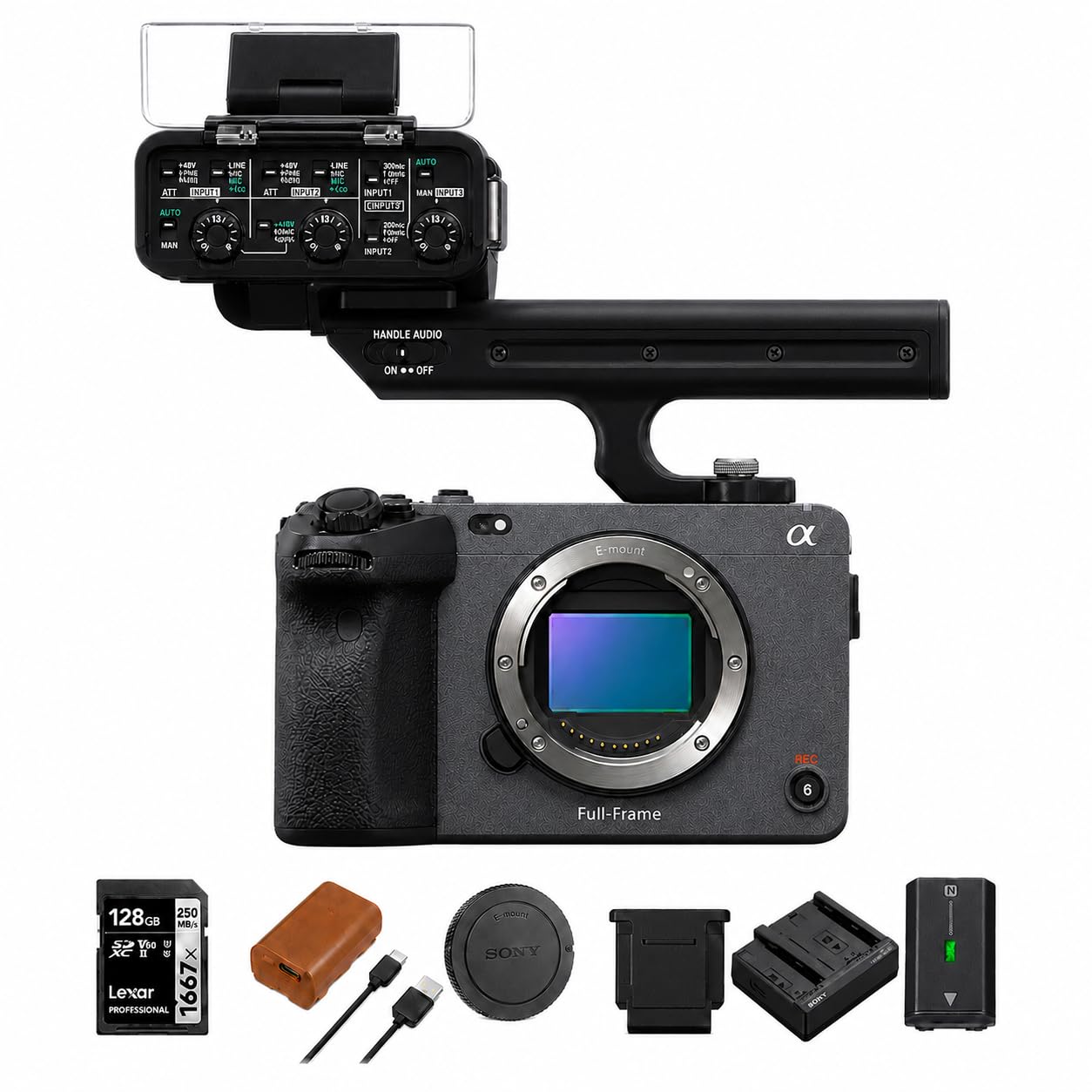


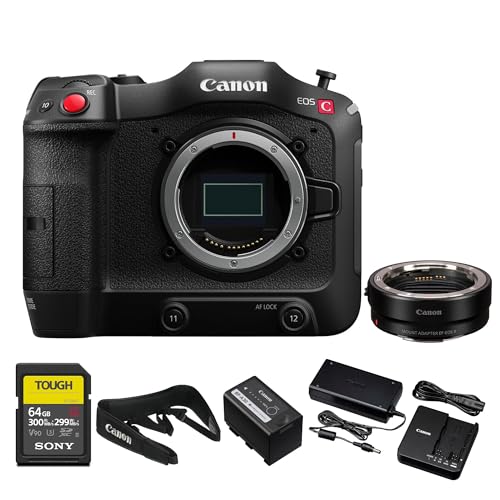
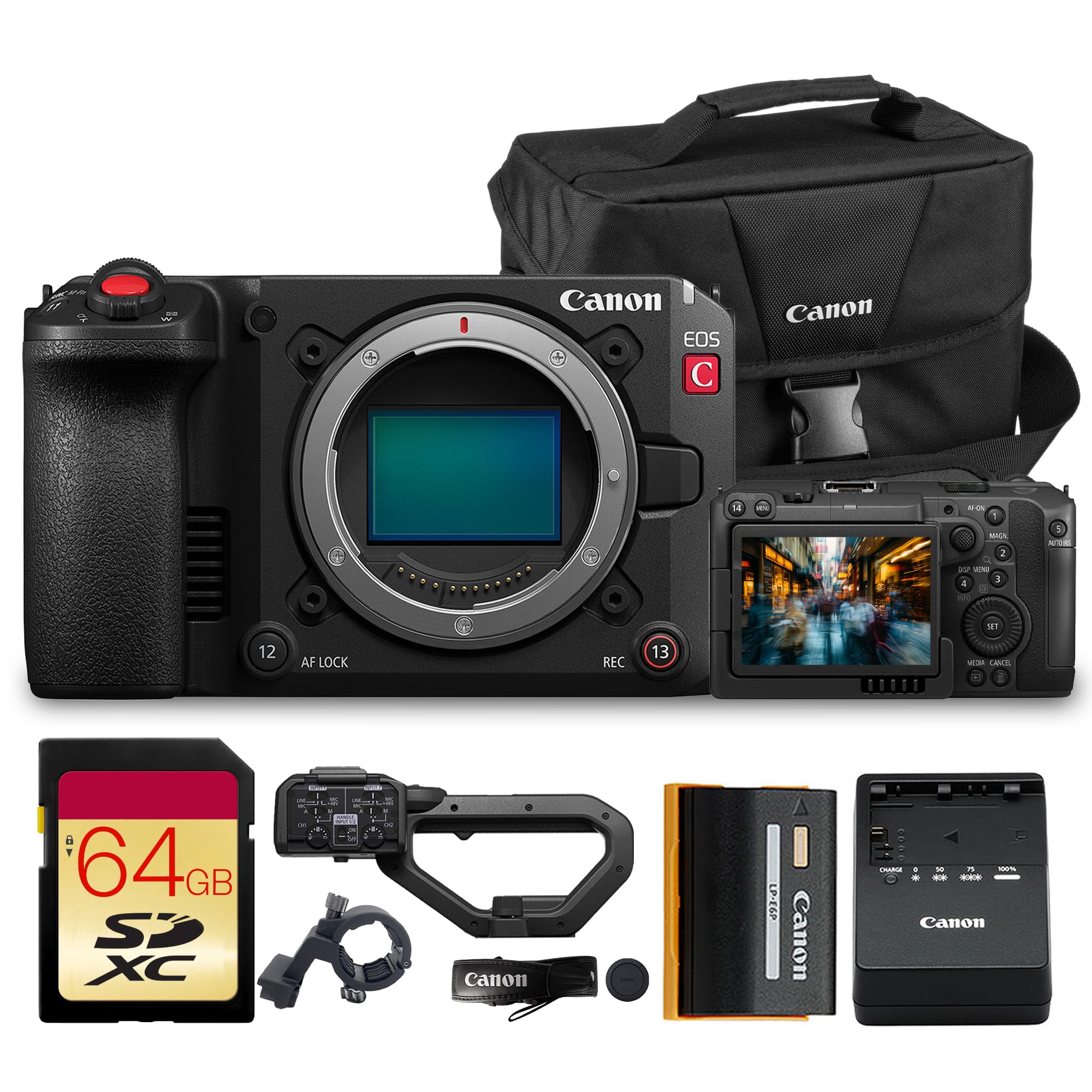
Who Should Buy Which Type of 4K Cinema Camera?
Start with your most common shoot, because that day reveals the camera you actually need.
Solo Filmmakers Who Move Fast and Shoot Alone
You set up, record sound and watch focus yourself, often in changing light. A mirrorless body or a compact cinema camera keeps the kit light and lets you work alone. Prioritize reliable autofocus, a screen you can see outdoors and simple menus.
Small Crews Filming Interviews and Short Films
You work from a tripod, light your subject and record for a client. A dedicated cinema camera suits you, because it offers stronger audio inputs, timecode and room for a matte box and follow focus. Size matters less when the camera stays on support.
Event and Travel Shooters Who Record for Hours
You film weddings, talks or journeys where moments cannot be repeated. A camcorder style body or a durable mirrorless setup gives you long recording times, steady handling and quick zoom work. Battery life and heat control matter more than shallow depth of field.
Types of 4K Cinema Cameras Compared
Four broad types cover most buyers. They differ in lens choice, sound, size and how much extra gear each one demands.
Dedicated Cinema Cameras Built for Sets and Rigging
These boxy or shoulder style bodies are made only for video, with fans for long takes, full size audio inputs and many mounting points. You add your own lens, monitor and power, so the rig grows large and costs about $2,500 and up before accessories. Choose this type for scripted scenes or client work. For the wider picture, see our guide to the best cinema cameras.
Mirrorless Cameras for Film and Stills in One Body
Mirrorless cameras record strong 4K video and also take still photos, which makes them the flexible choice for hybrid work. Interchangeable lenses and compact bodies explain their popularity, and most cost about $1,000 to $3,500. Their limits show on long shoots, where small batteries, heat and mini audio inputs can slow you down.
Point and Shoot Compacts for Simple 4K Video
Point and shoot compacts pair a fixed objective lens with a small sensor and simple controls, so you can start filming in seconds. They slip into a jacket pocket, cost under $1,000 and need almost no extra gear. The fixed lens limits framing, and low light clips look noisier than footage from larger sensors. Choose this type where ease beats control.
Camcorder Style Cameras for Long Events and Live Work
Camcorder style bodies build the lens, handle and audio into one unit, with a zoom you can ride smoothly during a ceremony or talk. Built in neutral density filters help outdoors, and recording can run for hours without a rig. Most cost about $1,500 to $4,000. Their smaller sensors keep backgrounds sharper, so choose this type for live events.
Mirrorless Cameras vs Point and Shoot Compacts: Which Should You Choose?
These two types overlap in price, so compare them on lens freedom, low light and speed. A mirrorless body lets you swap lenses and add a microphone, while a compact is ready the moment a scene appears. Mirrorless footage usually grades better and blurs backgrounds more easily.
Pick the compact if you travel light or are learning framing. Pick mirrorless if you plan to add lenses and shoot client work. For more hybrid options, see our guide to the best cameras with 4k video.
How to Choose the Right 4K Cinema Camera
Work through these factors in order. Each one narrows the field before price starts to pull you off course.
Sensor Size and Image Quality in a 4K Cinema Camera
Sensor size shapes depth of field, low light range and lens choice more than pixel count does. Full frame and Super 35 sensors blur backgrounds easily and suit staged scenes, while Micro Four Thirds and 1 inch sensors keep more of the frame sharp and pair with smaller lenses. All record 4K video, so judge samples at the frame rates you will use. See our guide to the best cameras 4k for more on resolution.
Low Light Performance and Clean High ISO Footage
Low light quality comes from sensor size, lens aperture and how the camera handles noise at high ISO settings. A fast lens that opens to f/1.8 or f/2.8 can gain you more than a small step up in body price. Judge footage shot at the ISO values you expect at receptions or on evening streets, and favor bodies that hold color when you cannot add lights.
Lens Mount, Autofocus and Image Stabilization
Your lens mount decides which objective lens options you can buy or rent for years, so choose the mount before the body when you can. Autofocus that tracks faces helps solo shooters, while focus magnification and peaking help manual focus stay sharp. Image stabilization smooths handheld shots, but a tripod or gimbal still gives calmer results for planned scenes.
Recording Formats, Codecs, Media and Battery Life
Codecs decide how much you can adjust color later and how much card space each minute consumes. Simple compressed formats edit easily on modest computers, while raw and 10 bit formats hold more detail but demand fast cards and large drives. Check recording limits and card types, and carry spare batteries, because cinema bodies draw power fast. As you compare best 4k cinema cameras, chase the format your computer can handle each day.
Size, Weight, Ergonomics and Weather Sealing
A camera you can hold steady for an hour beats a heavier rig you leave behind. Test the grip, button layout and screen angle, and picture the full kit with lens, microphone and monitor attached. Weather sealing and a weatherproof build help in light rain and dust, but no seal makes a camera safe under water. Auto modes suit fast turnarounds, while deeper menus reward patient setup.
Common Mistakes to Avoid
- Buying for resolution alone leaves you with sharp footage that sounds thin and is hard to grade.
- Choosing a lens mount on impulse locks you into glass that may not suit next year.
- Skipping a card speed test causes dropped frames at the highest quality 4K setting.
- Trusting image stabilization for every shot produces drifting frames a tripod would have kept still.
- Ignoring heat limits on a small body risks a shutdown during a long interview.
- Spending the whole budget on the body leaves nothing for lights, so footage can look flat.
Care and Maintenance Tips for a 4K Cinema Camera
Clean the front element with a lens cloth and a blower, never your shirt, because grit in fabric can scratch coatings. Wipe the body after dusty or salty shoots, and keep caps on the mount and lens whenever they are apart. Carry a spare battery and charged cards in a dry, padded bag.
Store the camera in a cool, dry place and remove the battery for long breaks. Back up cards before you format them, and format in the camera. Check screws on plates and cages before each shoot, and book a professional sensor clean if spots appear in every clip.
FAQ
Is a smartphone enough instead of a 4K cinema camera for short films?
A smartphone is enough for practice shorts and social clips, and it teaches framing and editing at no extra cost. Its limits appear when you need real lens choice, clean sound from a separate microphone and steady exposure control. Phones also record variable frame rates that can drift out of sync with separate audio in an editor.
Which type of 4K cinema camera handles low light scenes best?
A full frame mirrorless or dedicated cinema camera usually handles low light scenes best, because its larger sensor gathers more light per frame. The margin shrinks once you add even one small LED panel, which often improves a scene more than a costlier body would. Rent lights for a night shoot before you commit to a larger sensor system.
What does focus magnification do on a 4K cinema camera?
Focus magnification zooms the screen image in so you can confirm sharp focus on an eye or a product edge before you record. It matters most with manual lenses and shallow depth of field, where a small screen can hide soft focus. Check whether a camera keeps it active once recording starts, because some bodies switch it off then.
How much should I spend on a first 4K cinema camera?
Spend about $800 to $2,000 on a first body and lens set if you are learning, and keep roughly a third of your total budget back. That reserve covers a tripod, a microphone, cards and a basic light, which lift results more than a pricier body alone. Owning lenses in one mount already can cut the starting cost a lot.
What specs matter most for beginners buying a 4K cinema camera?
For beginners, reliable autofocus, a screen that tilts, a microphone input and manageable file sizes matter most. Those four points decide whether early shoots feel encouraging or frustrating. Rent or borrow a candidate body for one weekend project if you can, because menu layout and grip comfort are hard to judge from a spec sheet.
Our Verdict
Match the type to your real shoot first, then compare sensor size, lens mount and recording format inside that type. Dedicated bodies reward crews, mirrorless bodies reward hybrid work, compacts reward speed and camcorder styles reward long events. Use the product table above to check price and weight against that shortlist.
Chosen that way, the best 4k cinema cameras stop being a confusing list and become one clear tool for the films you actually plan to make. If stills share your workload, see our guide to the best digital cameras for the broader stills picture before you decide.


