
Best Chunky Chelsea Boots: Budget, Midrange, and Premium Picks for 2026
Disclosure: We may earn a commission when you buy through links on this page, at no extra cost to you. As an Amazon Associate I earn from qualifying purchases. Learn more

Shop smarter for the best chunky chelsea boots with guidance on price tiers, fit, lug soles, cushioning, and care for city streets and rough ground.
Chunky Chelsea boots span a wide price range, and the gap between a cheap pair and a costly pair is not always obvious from a photo. The best chunky chelsea boots for you depend on how often you walk in them, what ground you cover, and how long you expect the soles and elastic panels to last. Paying more should buy better materials and construction, not just a taller platform.
This guide explains what each price tier usually delivers, which features deserve your money, and which extras you can skip. Use it alongside the comparison table below to match a pair to your budget and your daily routine.


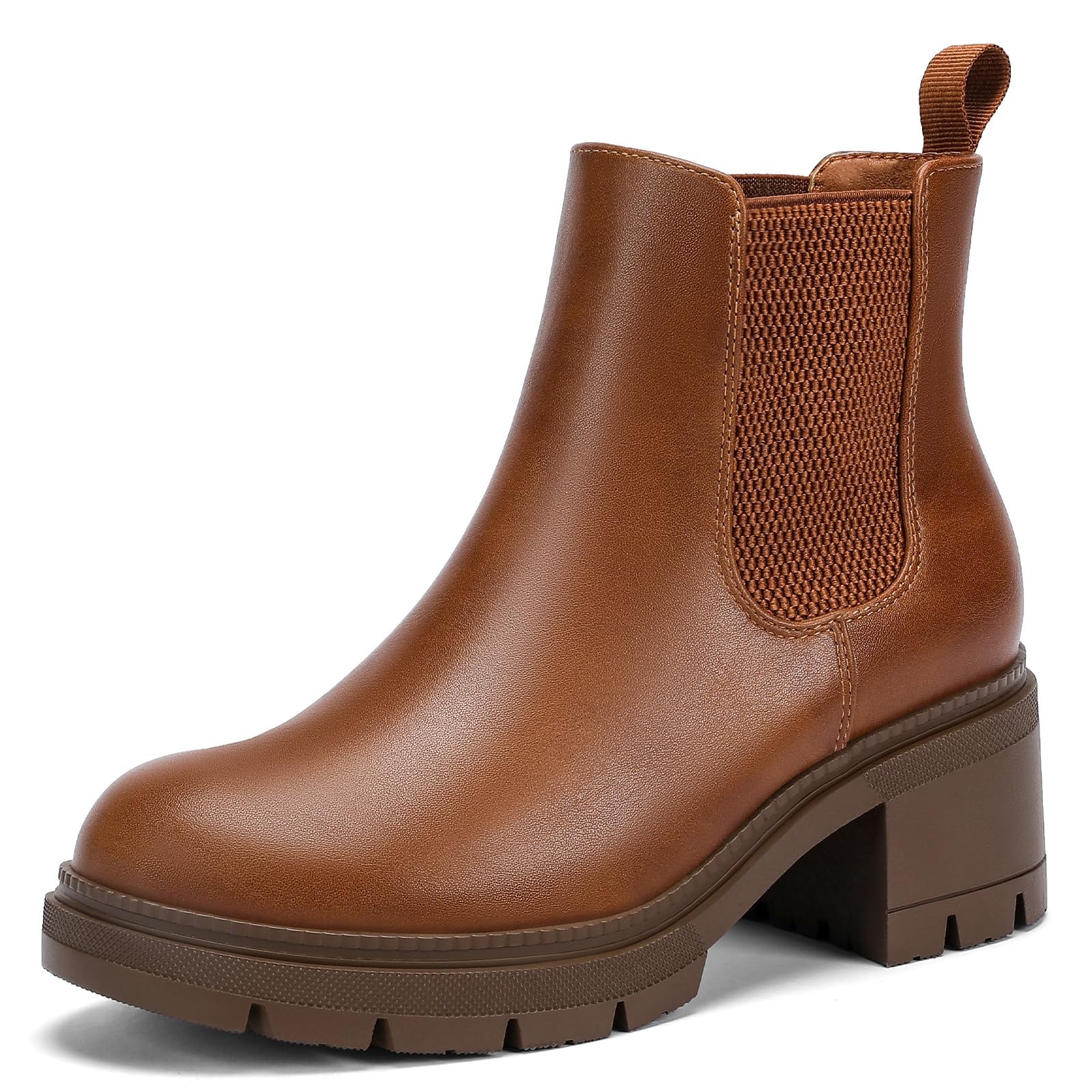
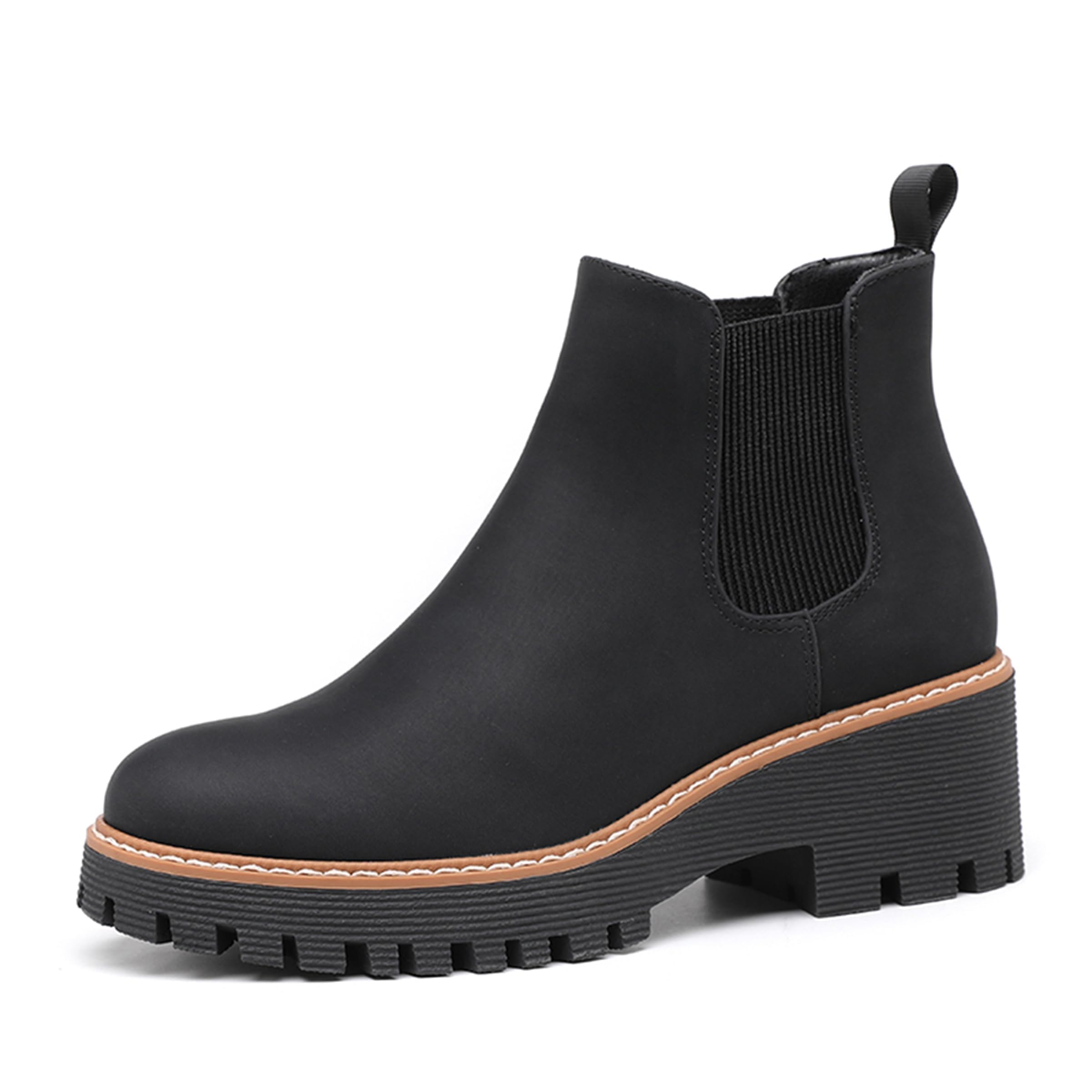

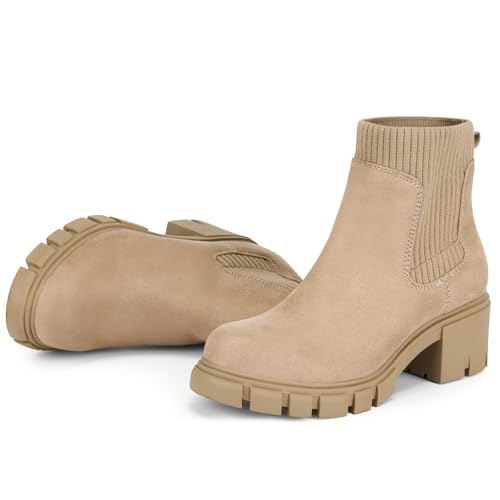
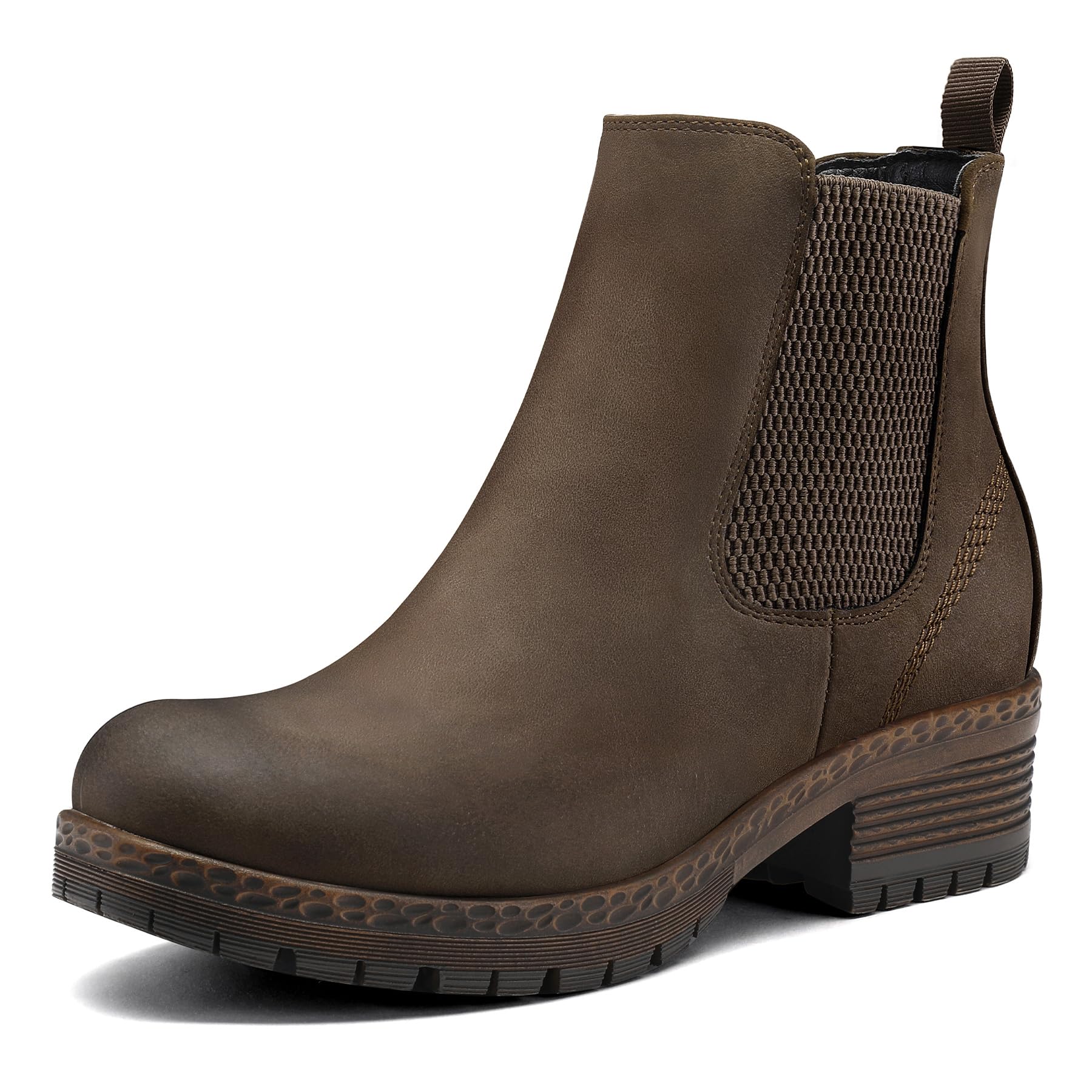
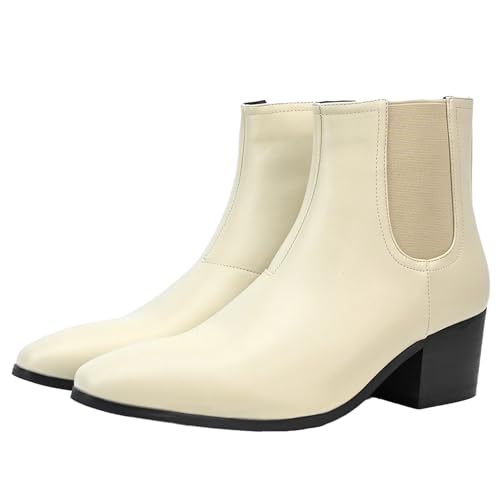

How to Choose by Budget Instead of Chasing Names
When you shop for the best chunky chelsea boots, start with how you will actually wear them. A pair worn twice a week for short city trips faces very different demands from a pair worn daily through a long commute. Your budget goes further when it matches that workload, because the parts that wear first are the outsole lugs, the elastic side panels, and the cushioning under your heel.
What Budget Buyers Should Prioritize
At the budget end, put fit and sole grip ahead of looks. A roomy toe box and a lug pattern with real depth matter more than a fashion finish that scuffs quickly. Expect synthetic uppers and cemented soles, which keep the price down but limit repairs later.
What Midrange Buyers Should Prioritize
Midrange money should buy you a better upper material, a more shaped footbed, and cleaner stitching around the elastic panels. This is also the tier where half sizes become easier to find, which helps if you sit between sizes. Compare the product table above across this tier first, since small gains in cushioning and panel quality add up over a full season.
What Premium Buyers Should Prioritize
At the premium end, look for full grain leather or high grade suede, a stitched or partly stitched sole unit, and panels that feel firm rather than loose when new. You are paying for materials that age well and for construction that holds its shape. If a premium pair offers none of those, the extra cost is mostly styling.
What Your Money Gets You at Each Price Tier
Budget Tier: What to Expect
Budget pairs often cost under $100 and usually pair synthetic uppers with molded soles and basic foam insoles. They tend to feel light at first, yet the cushioning can pack down within a season of regular use. Elastic panels may stretch sooner, so the ankle opening can feel loose earlier than you expect. Choose this tier for occasional outfits and short walks.
Midrange Tier: The Sweet Spot for Most Buyers
Midrange pairs, often about $100 to $250, commonly step up to real leather or better suede, thicker lug soles, and insoles with some arch shaping. The boots usually hold their shape longer, and the soles tend to grip better on wet pavement. For daily commuting and regular weekend wear, this tier balances cost, comfort, and lifespan for most people.
Premium Tier: When Spending More Pays Off
Premium pairs above about $250 earn their price through dense leather, careful panel stitching, and sole units built to take years of abrasion. Some use branded rubber outsoles with deeper lugs and better wet grip, and some add waterproof membranes for slush and rain. Spending more pays off if you walk long distances daily. It pays off far less for occasional fashion wear.
Features Worth Paying For and Ones to Skip
Fit, Sizing, and Toe Box
Fit is the feature most worth getting right, because Chelsea boots have no laces to adjust. Measure your feet in the afternoon, when they are at their largest, and compare the length with the brand size chart rather than trusting your usual shoe size. A good toe box lets your toes lie flat and spread a little as you walk, while your heel should stay seated with only slight lift. Thick socks change the fit, so decide which socks you will wear most and size for those.
Sizing runs differently for men and women, and unisex listings can blur that gap. If you shop across that divide, see our guide to the best chelsea boots for men for notes on width and shaft fit.
Outsole Traction and Terrain
The outsole is where the chunky style earns its keep. Deep lugs, usually around 4 to 6 mm, bite into gravel, mud, and packed snow far better than a flat dress sole. Wider lug spacing sheds mud instead of clogging, while rubber that stays flexible in cold weather keeps its grip on wet stone. On smooth indoor floors, very aggressive lugs can feel clunky, so match the tread to your ground.
If you like the bold sole but want a boot without the Chelsea shape, see our guide to the best chunky boots for lace up and other styles with similar tread. For classic low profile soles and a sleeker silhouette, see our guide to the best chelsea boots instead.
Cushioning and Heel to Toe Drop
Cushioning in chunky boots comes from the thick midsole and the insole, and it decides how your feet feel after hours of standing. A moderate heel to toe drop, often around 8 to 12 mm, suits most walkers because it keeps some heel lift without pushing your weight onto your toes. Very tall platforms with little flex can feel tiring on long walks, since your foot cannot roll naturally through each step.
Arch Support and Foot Type
Arch support needs differ by foot type. Flat feet often do better with a firmer, shaped footbed that resists rolling inward, while high arches usually want more cushioning under the midfoot to spread pressure. Most chunky Chelsea boots are neutral shoes in spirit, with a stable wide base and no strong corrective shaping, so people who need pronounced stability often add their own insole. Check that the stock insole removes easily if you plan to swap it.
Waterproofing and Wet Weather Value
Waterproofing is worth paying for only if rain, slush, or wet grass is part of your routine. Sealed seams and a membrane such as Gore Tex keep water out far longer than a spray on coating, which wears off and needs renewal. The elastic panels remain the weak point, since water can seep through them in heavy rain. If wet weather is your main concern, see our guide to the best waterproof chelsea boots for more on membranes and seam sealing.
Weight, Flexibility, and Extras to Skip
Chunky boots are heavier than slim styles, and that weight shows up in tired legs at the end of a long day. A pair that flexes slightly at the ball of the foot walks more naturally than a rigid platform. Skip paying extra for decorative buckles, stacked fashion heels with no lug depth, and novelty finishes that peel. Spend instead on sole rubber, panel quality, and an insole you can replace.
How to Check the Fit at Home Before You Commit
Try new boots indoors on a clean floor late in the day, wearing the socks you plan to use most. Walk, climb a few stairs, and stand for ten minutes, because pressure points often appear only after the foam warms up. Your longest toe should clear the front when you stand.
Check the ankle opening with care. The elastic panels should hug your ankle closely enough that your heel does not slop around, yet they should not press hard on the bones at the side of your ankle. Use the pull tab at the back to get your foot in, rather than forcing the panels apart with your hands, since stretched panels age faster.
Long Term Costs to Factor In
The purchase price is only part of what a pair costs you. Replacement insoles, leather conditioner, and a waterproofing spray for suede add small yearly costs, and budget soles that wear smooth may push you into a new pair far sooner than expected.
Warranty terms vary widely, and many fashion boots carry only short coverage for defects rather than wear. If your job site is the destination, see our guide to the best chelsea work boots rather than stretching a fashion pair into that role.
Common Mistakes to Avoid
- Buying your usual sneaker size without checking the brand chart, which often leaves the boots too short once thick socks go on.
- Choosing the tallest platform for daily long walks, which can leave your calves and feet aching by evening.
- Ignoring lug depth and buying a smooth fashion sole, which slips easily on wet pavement and packed snow.
- Forcing your foot in without the pull tab, which stretches the elastic panels and loosens the ankle fit early.
- Expecting fashion Chelsea boots to do a work boot job, which risks both the boots and your feet on rough sites.
- Keeping boots that pinch the toes because you hope they will stretch, which rarely fixes a short or narrow toe box.
How to Make Your Chunky Chelsea Boots Last Longer
Care for this style centers on three things: the upper, the elastic panels, and the lug sole. Brush dirt from leather after wear and let the boots dry at room temperature, away from radiators and direct heat that can crack leather and weaken sole glue. Stuffing them lightly with paper helps them hold their shape.
Condition leather every few months if you wear the boots often, and treat suede with a protector spray made for suede rather than leather cream. Rinse mud from the lugs before it dries hard, since packed grit grinds the rubber as you walk. Rotate your boots with another pair when you can, because a rest day lets the cushioning recover. Store them upright so the shafts do not fold and crease at the ankle.
FAQ
Are expensive chunky Chelsea boots worth the extra cost?
Expensive chunky Chelsea boots are worth it only when the price buys better leather, firmer elastic, and a sole unit built for years of wear. One sign of real value is a partly stitched construction, which budget cemented soles rarely offer. If you wear the style a few times a month, that durability may never pay you back. Daily walkers gain the most.
How long is the break in period for chunky Chelsea boots?
The break in period for chunky Chelsea boots usually runs from a few wears to about two weeks of regular use. Leather uppers soften at the ankle and across the toes first, while synthetic uppers change very little, so a synthetic pair that pinches on day one will likely keep pinching. Wear new boots around the house in short sessions before a long day out. Blisters at the heel mean the fit is off, not that you need more patience.
Do chunky Chelsea boots need to be waterproof?
Chunky Chelsea boots need to be waterproof only if you regularly walk through rain, slush, or wet ground. A useful middle step is choosing leather with a water resistant finish for light showers, which handles splashes without the cost of a full membrane. Keep in mind that deep lugs help in snow, yet they do nothing to stop water entering at the ankle. Dry boots fully between wears in wet seasons to protect the lining.
How should chunky Chelsea boots fit around the ankle and toes?
Chunky Chelsea boots should fit snugly at the ankle, with clear space for your toes to lie flat at the front. A small amount of heel movement is normal in a new pair and usually settles as the insole shapes to your foot. What should not settle is side pressure on your ankle bones or toes pressing the front when you walk downhill.
Can you wear chunky Chelsea boots all day?
You can wear chunky Chelsea boots all day if the cushioning suits your feet and the platform height stays moderate. Jobs that mix walking with standing often feel best with a shaped insole and a sole that flexes a little at the front. Take the weight seriously too, because a heavy pair that feels fine for an hour can drag by hour eight.
How often should you replace chunky Chelsea boots?
You should replace chunky Chelsea boots when the lugs have worn smooth, the panels no longer hold your ankle, or the cushioning feels flat and hard. A practical check is to press the heel area of the insole; if it stays compressed and offers no spring, its working life is largely done. Replacing insoles can extend a sound pair, but it cannot restore worn tread.
Final Thoughts
Set your budget first, then judge every pair on fit, lug depth, and panel quality before you look at styling. The product table above can help you compare those basics across price tiers side by side. When you find best chunky chelsea boots that match your ground, your socks, and your daily distance, the chunky sole stops being a fashion extra and becomes the most useful part of the boot.


