
Best Chelsea Boots: Every Type Explained Side by Side for 2026
Disclosure: We may earn a commission when you buy through links on this page, at no extra cost to you. As an Amazon Associate I earn from qualifying purchases. Learn more

Compare the best chelsea boots by type, fit, materials and construction, with price bands, sizing steps and care advice for dress, work and wet weather wear.
Every Chelsea boot looks alike in a product photo, a rounded toe, a low heel, and two elastic side panels where laces would normally sit. That sameness hides real differences in leather, sole construction, waterproofing, and support, and those differences decide whether a pair suits a wedding, a workshop, or a wet commute. This guide compares the best chelsea boots type by type so the choice stops feeling like guesswork.
Start with the type table, then read the fit sections with extra care, because this style forgives a sizing mistake less than any lace up boot does. The comparison table below gives the short version, and the sections after it explain what each line really means on your feet.


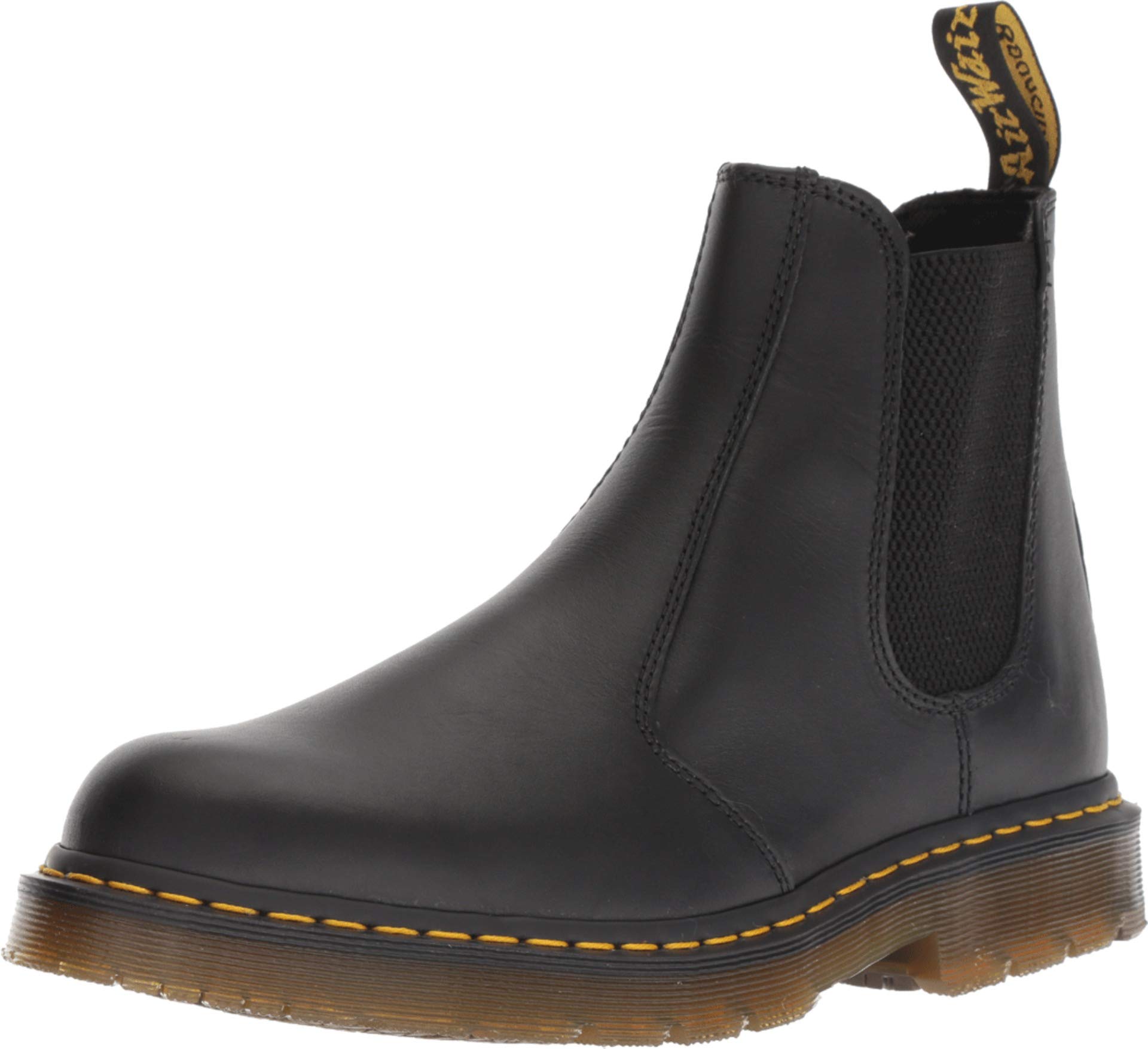
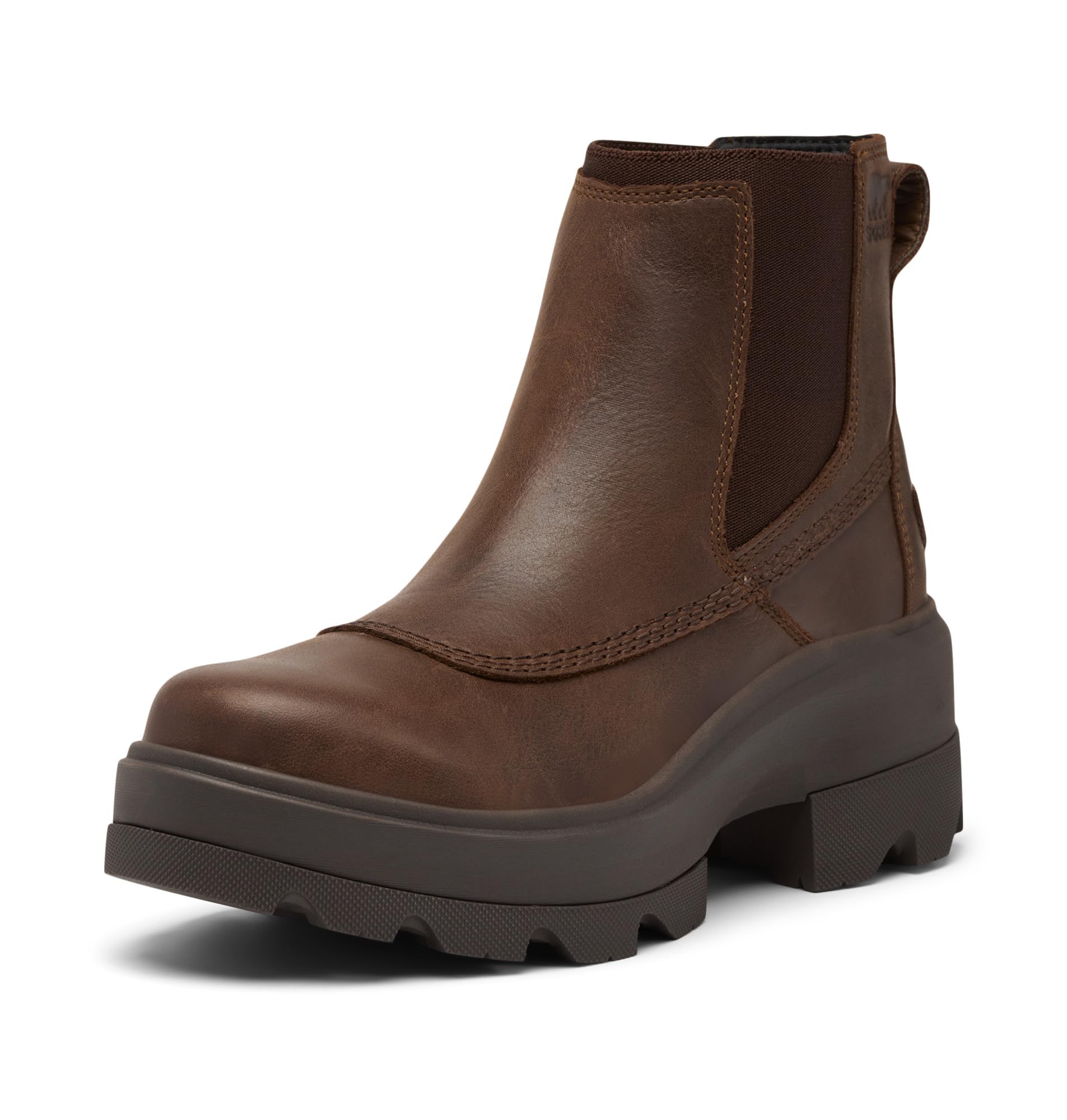


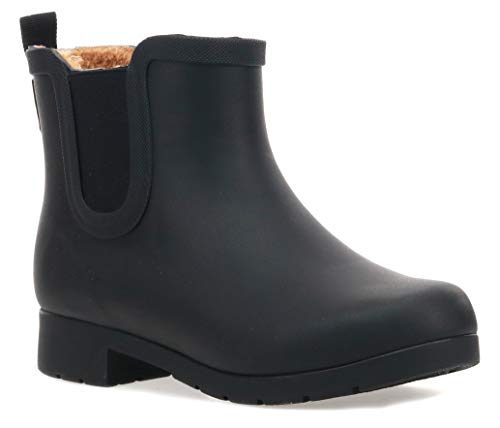
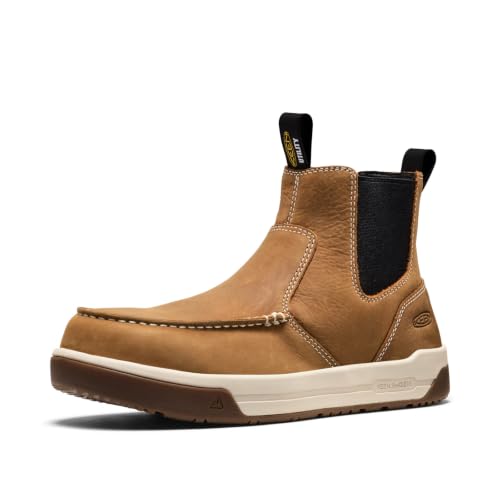
Types of Chelsea Boots Compared
Five types cover nearly everything sold under this name, and most pairs blend two of them, such as a waterproof walking boot or a dress boot with a cushioned insole. Use the table to find your main use first, then read the matching section for the trade offs that photos hide.
| Type | Best For | Pros | Cons | Typical Price |
|---|---|---|---|---|
| Dress leather | Office wear and formal outfits | Sleek shape, smooth leather shines well | Smooth soles grip poorly on wet stone | about $150 to $350 |
| Casual suede | Everyday wear in dry weather | Soft from the first wear, relaxed look | Marks easily and dislikes rain | about $90 to $220 |
| Work rated | Sites, warehouses and workshops | Protective toe caps and grippy soles | Heavier and stiffer than other types | about $120 to $280 |
| Waterproof | Rain, mud and winter slush | Sealed seams keep socks dry | Warmer and slower to dry inside | about $110 to $260 |
| Walking and comfort | Long days on your feet | Cushioned soles and roomier fits | Softer shape looks less formal | about $100 to $240 |
Dress Leather Types for Formal Wear
Dress types use smooth calf leather, a slim silhouette, and a neat sole that sits close to the upper. They slide under tailored trousers without catching, take a shine well, and read as formal enough for most offices and evening events. The elastic panel is often matched closely to the leather color, which keeps the line clean from the side.
The compromises are grip and weather tolerance. Smooth leather soles and low profile rubber soles both feel slippery on wet pavement and polished floors, and thin leather uppers offer little insulation. Treat this type as your fair weather formal pair, and expect to rotate another boot into service when the forecast turns.
Casual Suede Types for Everyday Wear
Suede types swap polish for texture, and the softer nap makes them the easiest wearing version of the style. The upper flexes kindly from the first day, the matte finish pairs naturally with denim and knitwear, and creasing shows less than it does on smooth leather. Many casual pairs add a crepe or rubber sole with more tread than the dress type carries.
Rain is the honest weakness here. Suede spots in water, darkens unevenly, and needs a protective spray plus a rest day after any soaking. If your everyday wear includes a wet walk to a station, weigh the waterproof type below more heavily, or keep suede for dry days and enjoy it where it shines.
Waterproof Types for Wet Weather
Waterproof types build a barrier into the boot rather than relying on sprays, using sealed seams and a membrane lining behind the leather. That construction matters because the elastic panel is a natural entry point for water, and better designs shield or back the panel so splashes stay outside. For readers comparing dedicated wet weather designs, our guide to best waterproof chelsea boots covers that single type in more depth.
Dry socks come with two costs worth knowing before you buy. Membranes slow the escape of foot moisture, so these boots feel warmer and dry more slowly inside after a long day. Waterproofing also stops at the top of the boot, so deep puddles and driving rain running down trousers still get in, a limit no membrane can fix.
Work Rated Types for Sites and Workshops
Work types rebuild the style around protection, adding a safety toe cap in steel or composite material, puncture resistant layers in the sole, and deep tread for mud, gravel, and workshop floors. Slip on entry is a genuine job advantage here, since there are no laces to snag, soak, or trail through anything unpleasant. Readers whose work sets the specification can compare the dedicated options in our guide to best chelsea work boots.
Judge work pairs by the rating your employer or site requires, because those ratings come from safety standards and no boot can promise that an injury will never happen. Weight is the daily trade off, since caps and thick soles add real heft by the end of a shift. Replace a pair after any heavy impact on the toe cap, even if the leather looks unmarked.
Walking and Comfort Types for Long Days
Walking types keep the Chelsea shape and change everything under your foot. Expect thicker cushioned midsoles, a shaped footbed, a roomier toe area, and rubber soles with tread patterned for pavement rather than appearance. The uppers often use softer leather or added padding at the ankle, and the elastic tends to be a little more forgiving for feet that swell as the day goes on.
Comfort here is about fit and cushioning, not treatment, and a boot of any type cannot fix foot pain that persists. If your feet ache daily, swell unusually, or develop numbness, talk with a clinician rather than shopping for a cure in a boot. Within normal buying terms, this type suits retail staff, teachers, travelers, and anyone whose day is measured in steps rather than seats.
Dress Leather vs Waterproof: Which Should You Choose?
These two types sit at opposite ends of the range, so choosing between them settles most of the other questions too. On appearance, dress leather wins clearly, since its slim sole and shine carry formal outfits that a chunkier waterproof sole cannot. On weather, the answer reverses just as clearly, because sealed seams and tread matter more than looks once pavements are soaked.
Cost per wear often surprises buyers who start with the dress pair. A formal boot worn twice a week in dry weather can serve for years, while a waterproof pair worn daily through winter earns its price in one season of dry socks. Care differs as well, since dress leather asks for regular polish and shoe trees, while waterproof pairs ask for slow drying and membrane friendly cleaners.
Many wardrobes honestly need both, bought in that order of urgency rather than at once. If your job demands formal wear daily, start with the dress type and add the waterproof type before winter. If your commute is long and outdoors, reverse the order, and let the product table above remind you what each type trades away.
How to Choose the Right Chelsea Boot
Type narrows the field, but the four checks below decide whether the specific pair in your size will still please you in month three. Work through them in order, because fit problems cannot be repaired by good materials, while material questions only matter once the fit is right.
Fit, Sizing, and Toe Box
Fit is the central fact of this style, because there are no laces to adjust. With no laces, the instep fit and the elastic hold decide everything, so the boot must grip firmly across the middle of your foot without squeezing it. A small amount of heel slip is normal in a new pair and usually settles as the sole flexes and the leather molds, while toe pressure never breaks in and only gets worse.
Try boots late in the day, when your feet are at their largest, and wear the socks you plan to use daily. Your toes should brush nothing at the front when you stand, and the toe box should let them spread rather than stack. Between sizes, choose by instep grip rather than length, since a boot that is merely long will slop at the heel with every step.
Break In Period and Comfort Out of the Box
Expect a short break in with most leather pairs, measured in several wears around the house rather than one long first day. Stiff new soles gain flex, the ankle opening softens where it meets your leg, and the footbed compresses slightly into your shape. Suede and walking types usually feel kind from the start, while dress and work types ask for more patience.
Some discomfort is information rather than a stage to push through. Rubbing that raises a blister in the same spot each wear, sharp pressure on one toe, or an elastic panel that digs in will not resolve with time. Use the return window while it exists, because a pair exchanged early costs nothing and a pair kept hopefully costs the full price.
Weight and Flexibility
Weight spreads across the range more than the photos suggest. Slim dress pairs feel light and close to a shoe, work rated pairs can feel closer to a hiking boot, and walking types sit between the two with much of their substance in the sole. If you climb stairs or ladders often, sole flexibility matters as much as weight, since a rigid sole fights every step up.
Flex the boot in your hands before judging it on your feet. A sole that bends at the ball of the foot and resists twisting through the middle gives a natural stride with stable support. A sole that bends in the middle instead will feel sloppy within months, whatever the upper is made from.
Upper Materials and Breathability
Smooth leather is the durable all rounder, shrugging off scuffs with polish and lasting for years when rested between wears. Suede trades that toughness for softness and needs spray protection, while oiled and waxed leathers sit between the two and suit rougher casual use. Fabric and knit uppers appear on comfort types, breathe best of all, and give up the most weather protection.
Breathability follows the lining as much as the upper. Unlined and leather lined boots breathe and mold closely, synthetic linings dry faster after a soaking, and membrane linings trade airflow for waterproofing. Hot feet in summer usually mean a membrane boot worn out of season, so match the lining to the months you truly plan to wear the pair.
Setup and Care Tips
Chelsea boots ask for little, but the little matters. Rest every leather pair for a full day between wears so the lining dries and the leather recovers its shape, and use shoe trees during that rest if you own them. Keep the elastic panels clean with a soft brush, and pull boots on by the rear loop rather than hauling on the elastic, which stretches the panels out of shape over time.
Dry wet boots slowly at room temperature, stuffed loosely with newspaper, and never against a radiator or heater, since forced heat cracks leather and warps soles. Construction decides the long game here, because stitched welts can be resoled by a cobbler when the sole wears through, while cemented soles cannot be replaced and end the life of the boot. If you lean toward tailored outfits, one short styling note helps: our guide to best jeans with chelsea boots covers which cuts sit cleanly over the ankle. Readers shopping for the male fit in particular can also compare the subset covered in our guide to best chelsea boots for men, since that range is cut and sized for men specifically.
Frequently Asked Questions
How often should I replace my Chelsea boots?
Replace them when the sole, the elastic, or the support gives out rather than by a calendar date. A resoleable pair can serve for many years with new soles, while a cemented pair usually ends when its tread smooths or its cushioning packs flat. Stretched elastic that no longer grips your ankle is the other clear signal. Rotating two pairs and resting each between wears stretches the life of both more than any single care product does.
Can I wear Chelsea boots all day?
Yes, most wearers can wear them all day, provided the fit is right and the type matches the day. Walking and comfort types suit long standing and high step counts, while slim dress types can tire feet on hard floors by evening. Stand, walk, and climb stairs in the shop before deciding, and bring the insoles you normally use. Persistent foot pain during ordinary wear is a reason to see a clinician, not to keep buying different boots.
Are expensive Chelsea boots worth it?
Higher prices are worth it when they buy construction and materials you will actually use. Stitched welts, full grain leather, and replaceable soles raise the price and also raise the years of service, which lowers the cost per wear. Expensive fashion pairs sometimes charge mainly for appearance, with cemented soles that cannot be renewed. Check how the sole attaches before paying for the leather, because that single detail predicts the lifespan better than the brand story does.
How long is the break in period for Chelsea boots?
Most leather pairs settle within about three to six wears of moderate length. The sole gains flex, the ankle area softens, and the small heel slip of a new pair reduces as the boot molds to your stride. Suede and comfort types often need almost no break in at all, while stiff work types can take longer. Sharp pain, blistering in one repeated spot, or toe pressure means a fit problem, and more time will not cure it.
How should Chelsea boots fit around the ankle and toes?
They should feel snug across the instep, secure at the ankle, and free at the toes. The elastic panels hold the boot on, so the ankle area should grip without biting, and the heel should lift only slightly as you walk. Toes need standing room to spread, because this style cannot be loosened later to rescue a tight front. Try both feet, since most people have one foot measurably larger, and size for the larger one.
The Bottom Line
Three decisions carry this purchase. Pick the type by your real week, formal office, wet commute, work site, or long days walking, rather than by the photograph you liked most. Then check fit with the seriousness this style demands, since the instep grip and the elastic hold are the whole fastening system. Finally, check the sole construction, because a resoleable build turns one purchase into many years of wear.
Fit the type to your life and the best chelsea boots stop being a gamble and become a reliable daily tool. Run your shortlist against the product table above one last time, try your chosen pair late in the day with your usual socks, and keep the return option open until the break in proves the fit.


