
Best Chunky Boots: A Practical Buying Checklist for 2026
Disclosure: We may earn a commission when you buy through links on this page, at no extra cost to you. As an Amazon Associate I earn from qualifying purchases. Learn more

Compare the best chunky boots with a clear checklist covering fit, toe box room, outsole traction, cushioning, waterproofing, and care before you buy.
Chunky boots ask more of your feet than ordinary shoes do. The sole is taller, the boot is heavier, and a small fit problem that you might ignore in a sneaker can turn into sore heels or rubbed toes by the end of the day. The best chunky boots for you are the pair whose fit, sole, and upper match the way you actually walk, dress, and spend your hours.
This guide uses a simple checklist instead of hype. You will look at fit and toe box room first, then waterproofing, outsole traction, cushioning, upper materials, durability, and the break in period. As you read, compare each point against the comparison table below, and use the buyer checklist near the end before you order.


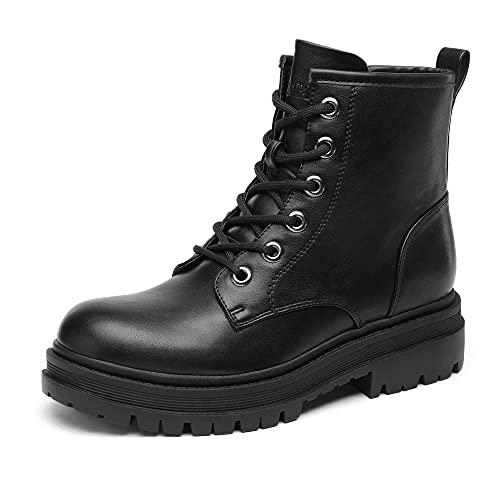


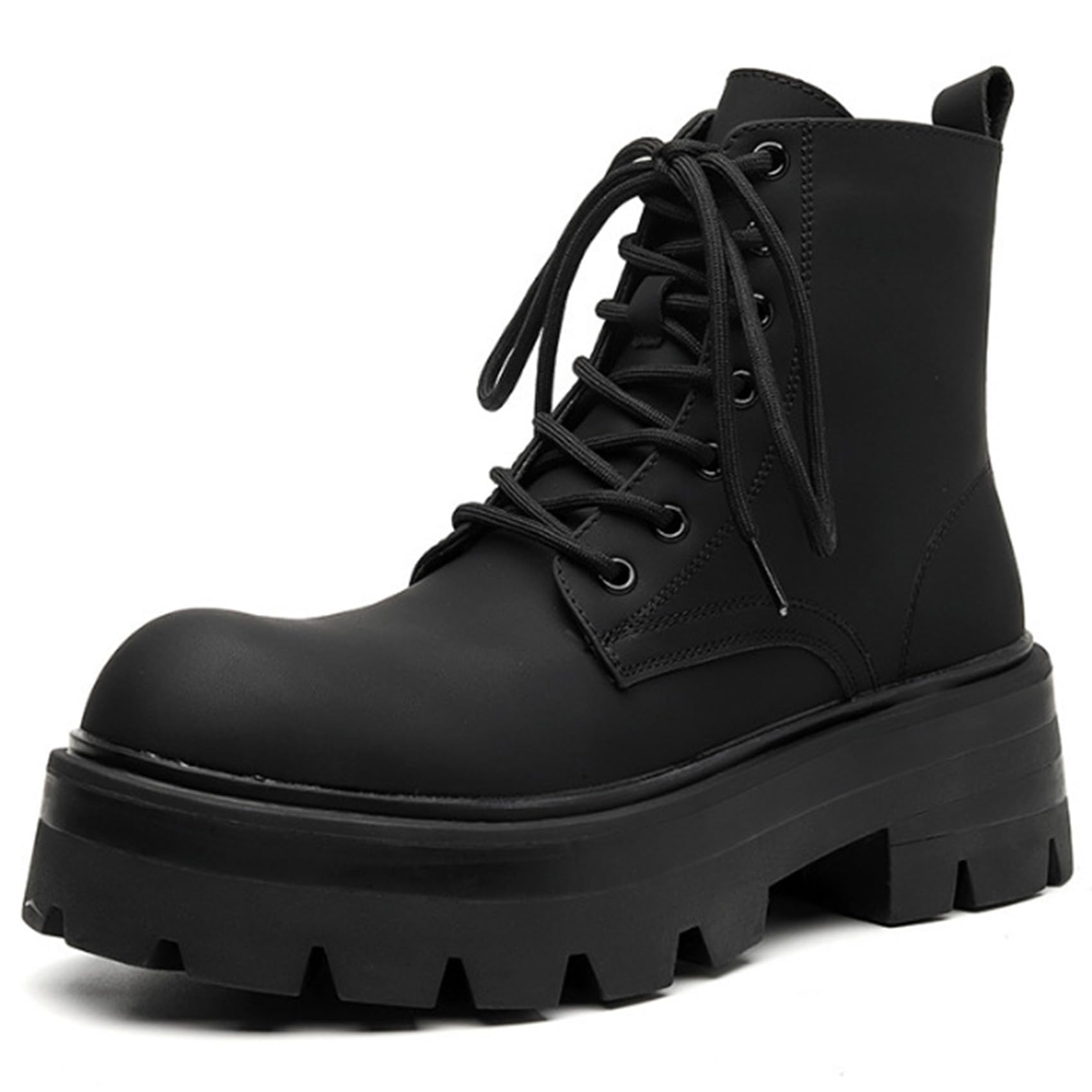
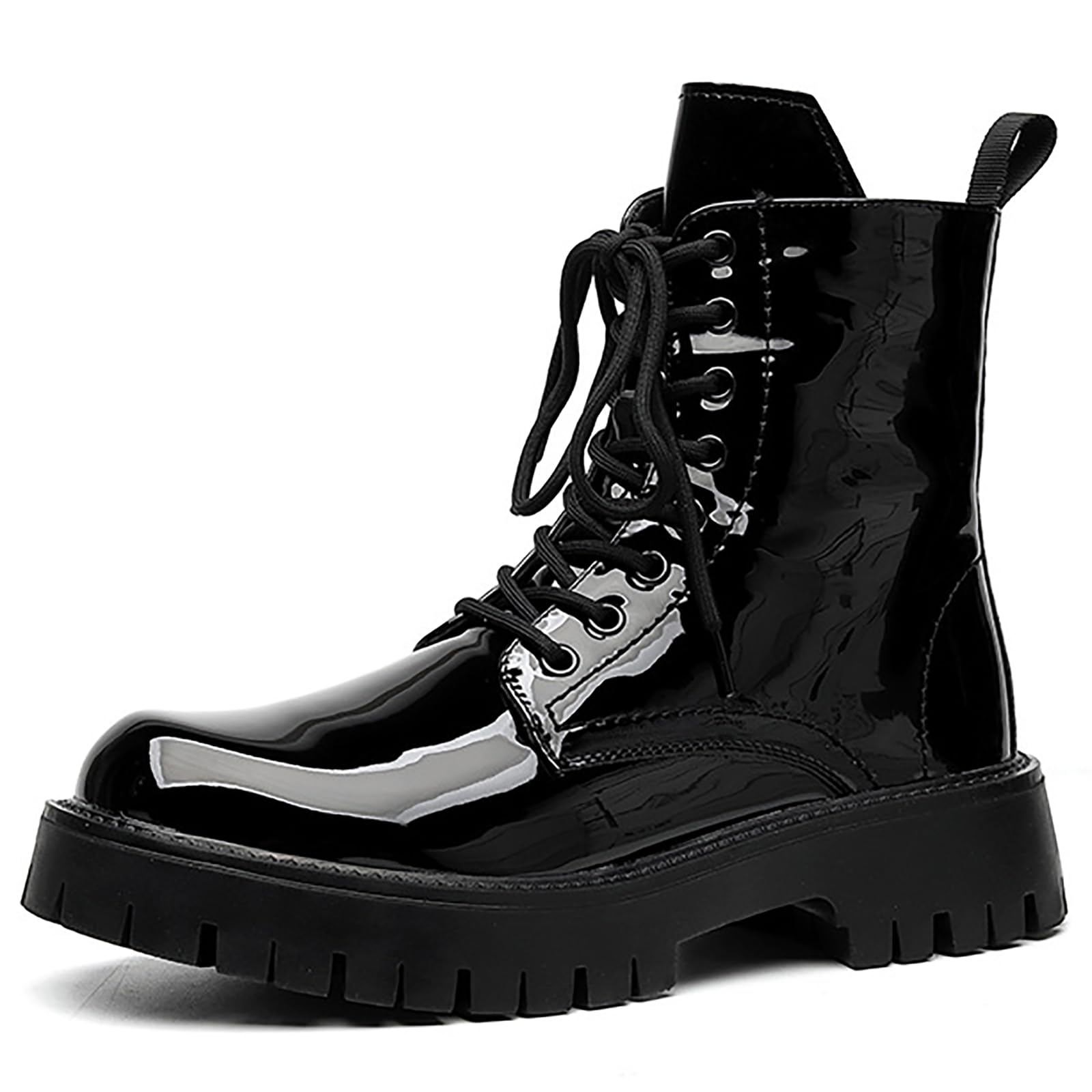


Key Features to Compare
Work through the seven points below in order. Fit comes first because no amount of cushioning can rescue a boot that pinches. The product table above gives you the raw specs, while the notes here explain what those specs feel like in daily wear.
Fit, Sizing, and Toe Box
Measure your feet late in the day, when they are at their largest, and wear the socks you plan to use with the boots. Your toes should lie flat with a little room to wiggle, and the toe box should never press down on the top of your toes. A thumb width of space in front of your longest toe is a good target. Your heel can lift slightly at first, but it should not slide forward enough to jam your toes on downhill steps.
Waterproofing With Gore Tex and Other Membranes
A waterproof membrane such as Gore Tex sits inside the boot and blocks rain and slush while letting some sweat vapor escape. Look for sealed seams and a gusseted tongue, since water often enters at the tongue rather than through the upper itself. The trade off is warmth and slower drying, so a full membrane suits wet commutes more than mild, dry weather. If you only face the odd shower, water resistant leather may feel cooler and cost less.
Outsole Traction and Terrain
The outsole is where a chunky boot earns its keep. Deeper lugs, around 4 to 6 mm, grip gravel, wet leaves, and light mud, while a flatter lug pattern feels steadier on pavement and station platforms. Softer rubber compounds usually grip smooth wet stone better but wear down faster than hard compounds. Also check the base width of the platform, since a tall sole on a narrow base can feel tippy at the ankle.
Cushioning and Support
Thick soles look soft, but the feel depends on the midsole foam and the insole, not on height alone. A cushioned pair absorbs impact on concrete, while a firmer build gives a more stable platform for long standing shifts. Notice the arch support as well, since a raised arch area helps some feet and irritates others.
Heel to toe drop on most chunky boots is modest, so your calves do a little more work than in heeled shoes. If you use your own insoles, confirm the stock insole removes easily.
Upper Materials and Breathability
Full grain leather is the durable classic choice. It molds to your foot over time, shrugs off scuffs, and blocks wind well, but it adds weight and needs conditioning. Suede and nubuck feel lighter, yet they mark more easily and dislike soaking rain.
Mesh panels and knit collars make a boot feel breathable in warm weather and cut break in time, though they give up some protection. A padded ankle collar matters more than the outer material for comfort in the first week.
Durability and Expected Lifespan
Judge durability by construction, not by marketing words. Stitching that joins the sole to the upper, often called a welt, usually outlasts a sole that is only glued on, and it may allow resoling later. Check that the heel counter feels firm when you squeeze it and that eyelets are metal rather than plastic. A well built pair worn a few days a week should serve for several seasons, while soft lug rubber and compressed foam are the usual first signs of age.
Break In Period and Comfort Out of the Box
Stiff leather chunky boots rarely feel perfect on day one. Plan on several short walks around your home and neighborhood before a long day out, and wear thicker socks during that first week. Mild stiffness across the top of the foot is normal as the leather creases, but sharp pain, numb toes, or returning blisters point to a fit problem rather than a break in issue. Knit and mesh uppers shorten this stage a lot.
Buying Guidance: Matching a Pair to Your Life
The checklist above tells you whether a boot is well made. This section helps you pick which well made boot fits your routine, wardrobe, and weather.
Everyday Wear on Pavement and Transit
If your boots will live on sidewalks, buses, and office floors, favor a moderate platform over the tallest sole you can find. The lower height keeps the boot lighter and steadier on stairs. A black pair is the most versatile place to start, since it works with trousers, jeans, and most dresses without thought. If that is your plan, see our guide to the best chunky black boots for color and styling notes.
Fall Weather and Wet Streets
Autumn adds wet leaves, early frost, and mud to the mix, so traction and waterproofing move up your priority list. A membrane boot with deeper lugs and a gusseted tongue handles that season best, and a taller shaft keeps splashes off your ankles. Colors also shift in fall, with browns joining the usual black. For seasonal styling that builds on this guide, see our guide to the best chunky boots for fall.
Slip On Styles for Fast Mornings
If you are in and out of your boots all day, a Chelsea style with elastic side panels removes the lace routine entirely. The fit depends on those panels and on the ankle opening, so check that the boot holds your heel without squeezing your instep. A pull loop at the back saves real effort every day. To compare that shape with lace up pairs, see our guide to the best chunky chelsea boots.
Warm Weather Rotation for Chunky Fans
Chunky soles are not only for cold months. Many readers rotate their boots with an open style in summer so the bold sole stays part of their look while their feet get air. If that rotation appeals to you, see our guide to the best chunky sandals for the warm weather half of the wardrobe.
Quick Buyer Checklist
Run through these questions before you order. Every yes means the pair in front of you matches this guide, and any no is a reason to pause and compare another option in the product table above.
- Can you wiggle your toes freely while wearing your thickest boot socks?
- Does your heel stay in place without your toes jamming forward on a slope?
- Is the waterproofing a real membrane or sealed build, not just a coating claim?
- Do the lugs match your ground, deep for trails and flatter for pavement?
- Is the platform base wide enough that the boot feels steady when you stand on one foot?
- Can you remove the insole if you plan to use your own arch support?
- Does the listing state the weight, shaft height, and sole height in clear numbers?
- Is the return window long enough for indoor break in walks at home?
Red Flags to Watch For
Most weak pairs reveal themselves in the listing. Watch for these warning signs.
- Vague specs with no stated weight, sole height, or materials, which usually means the maker hopes you never ask.
- Waterproof claims with no membrane named and no mention of sealed seams, which often means a light coating that fades fast.
- A tall platform on a visibly narrow base, which makes ankle rolls more likely on uneven ground.
- Soles that look glued with messy excess adhesive at the edges, a sign of rushed bonding that can split early.
- A very short warranty or no clear return policy, which leaves you stuck if the fit or the bonding fails.
Care and Maintenance Tips
Chunky boots ask for simple, regular care rather than special products. Brush off dried mud after walks, and wipe salt marks away promptly in winter because salt dries leather and leaves stains. Condition leather uppers every few months, and let the conditioner soak in overnight. Stuff damp boots with newspaper and air dry them away from radiators and direct heat, since forced heat cracks leather and can warp glued soles.
Rotate two pairs if you wear boots daily, giving each pair a full rest day to dry and let the cushioning recover. Store boots upright with their shape supported, so the ankle collar keeps its form. Check lug wear every season, because worn smooth rubber loses grip long before the upper wears out. If your pair has a stitched welt, a cobbler can often resole it.
FAQ
How long is the break in period for chunky boots?
Most leather chunky boots settle in after about one to two weeks of regular short walks. One useful trick is timing: wear new boots for evening errands first, when any rubbing is easier to notice and fix with a sock change or a small piece of tape. If a hot spot appears in the same place on three separate outings, exchange the size rather than hoping the leather will fix a shape mismatch.
Can you wear chunky boots all day long?
Yes, you can wear chunky boots all day if the fit is right and the pair suits your ground. For long days, the detail that matters most is total weight, since a heavy boot tires your legs more than a tall sole does. Add a cushioned sock if you stand on hard floors. Stop and rest if your arches ache sharply, as that signal usually means the support shape does not match your foot.
How often should you replace chunky boots?
Replace chunky boots when the outsole lugs wear smooth, the midsole stays compressed, or the upper cracks at the flex points. A practical home check is to set the boots on a flat table and look from behind. If both heels lean inward or outward instead of standing straight, the structure is worn even if the leather still looks fine.
How should chunky boots fit when you first try them on?
Chunky boots should feel snug at the midfoot, roomy at the toes, and secure at the heel from the first try on. Walk on a hard floor rather than carpet, since carpet hides pressure points. One extra check is to stand on the bottom step of a staircase with your heels hanging off the edge. Your heel should stay seated in the boot, and your toes should not slam forward, which tells you the length and lacing are right.
Do you need waterproof chunky boots for city use?
You need fully waterproof chunky boots for city use only if your commute involves standing water, slush, or long walks in steady rain. For short hops between buildings, a simpler detail helps more: choose a shaft height that keeps puddle splash off your socks. Keep in mind that once a membrane boot gets wet inside, it dries slowly, so carry spare socks on very wet days.
Are expensive chunky boots worth the extra money?
Expensive chunky boots are worth it when the extra money buys stitched construction, better leather, and a resole option rather than a logo. The clearest value measure is cost per season: a pricier pair that lasts four winters can cost less each year than a cheap pair replaced every winter. That said, price alone proves nothing, so run any costly pair through the same buyer checklist above. If a budget pair passes every point and fits you better, it is the smarter buy for your feet.
Final Thoughts
Start with fit, then traction, then waterproofing, and most of the decision makes itself. The product table above lets you line up sole height, weight, and materials side by side once you know which checklist points matter for your streets and your weather. Choose the pair that passes the most points for your routine, give it a patient break in, and your best chunky boots will carry you through season after season of daily wear.


