
Best Chelsea Work Boots for 2026: Matching the Right Pair to Your Routine
Disclosure: We may earn a commission when you buy through links on this page, at no extra cost to you. As an Amazon Associate I earn from qualifying purchases. Learn more

Compare Chelsea work boot types, fit, traction, and comfort so you can pick a pair that suits your routine, your worksite rules, and your budget.
There is no single pair that suits every worker, because a Chelsea boot that feels right on a dry shop floor may fall short on a muddy site or during a long shift outdoors. The best chelsea work boots for you depend on your daily routine, the surfaces you walk on, and the safety rules that apply to your job. The comparison table below can help you weigh those tradeoffs side by side before you decide.
This guide compares Chelsea work boot types by fit, support, traction, and comfort, and it explains how to judge value without chasing the highest price. Use it to narrow your options by use case first, then check sizing and worksite requirements before you order.


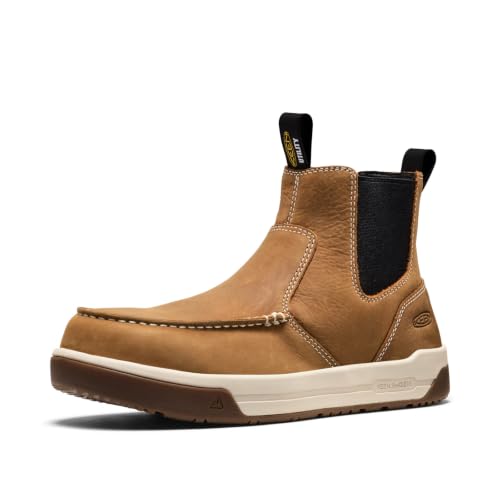


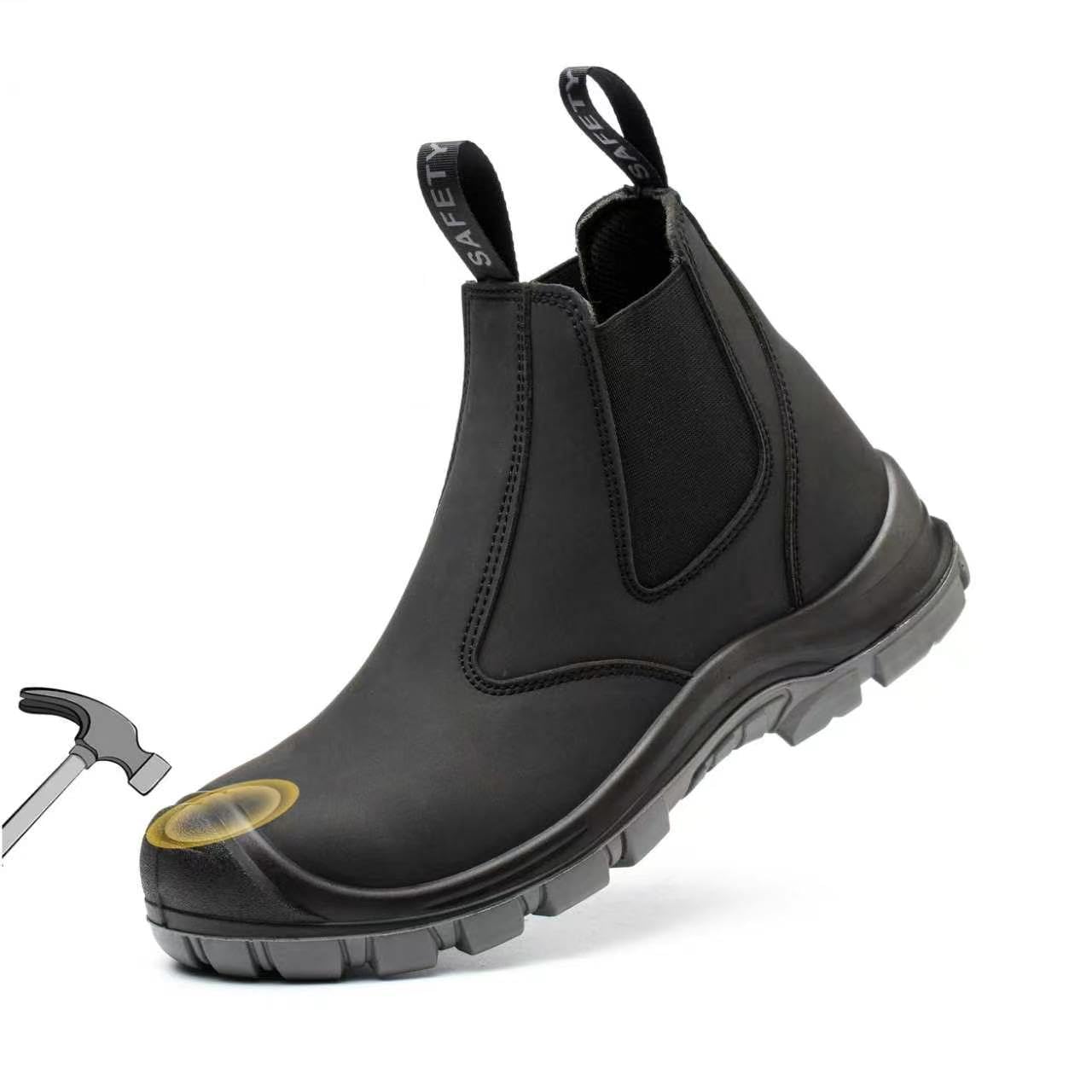


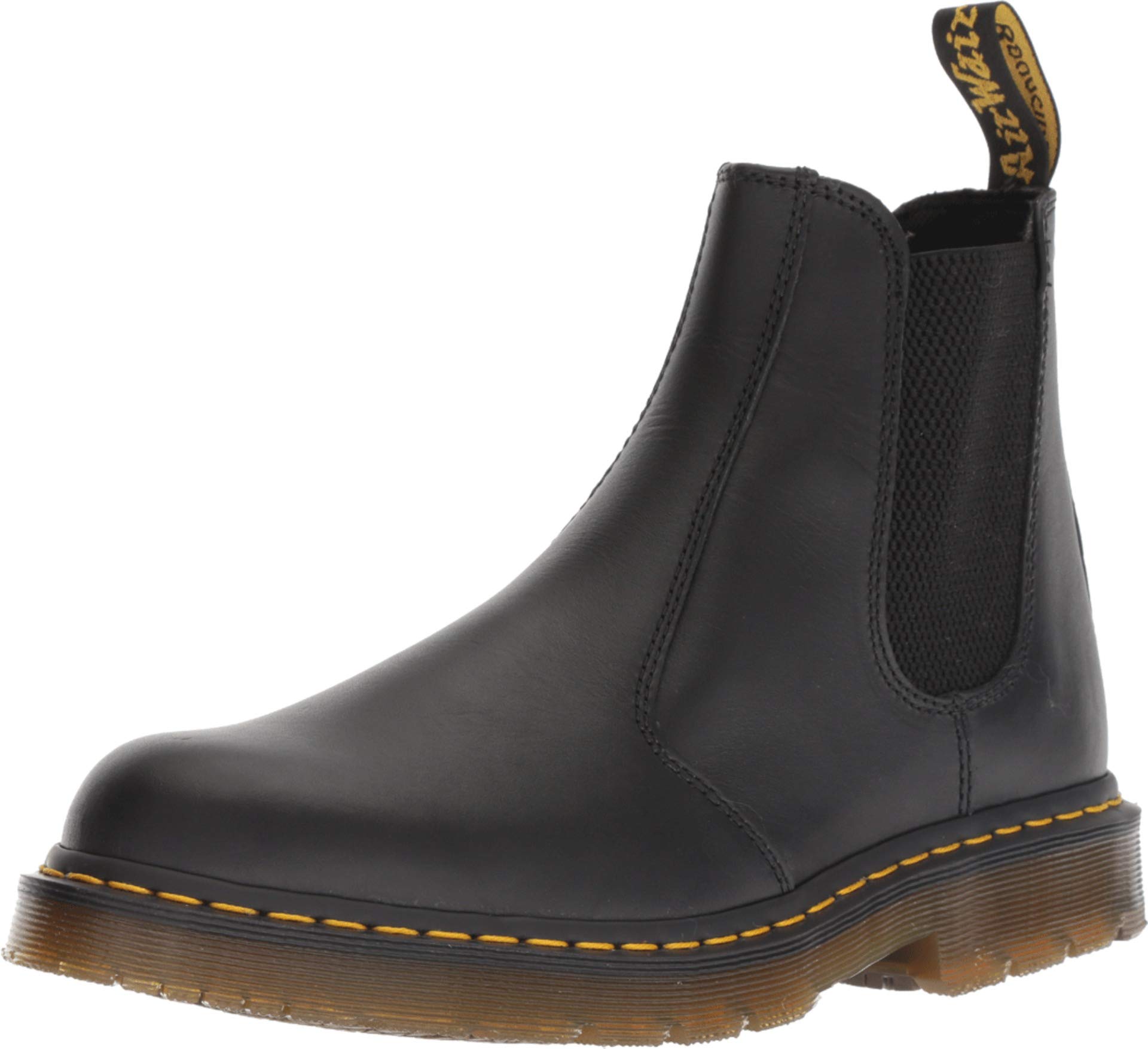
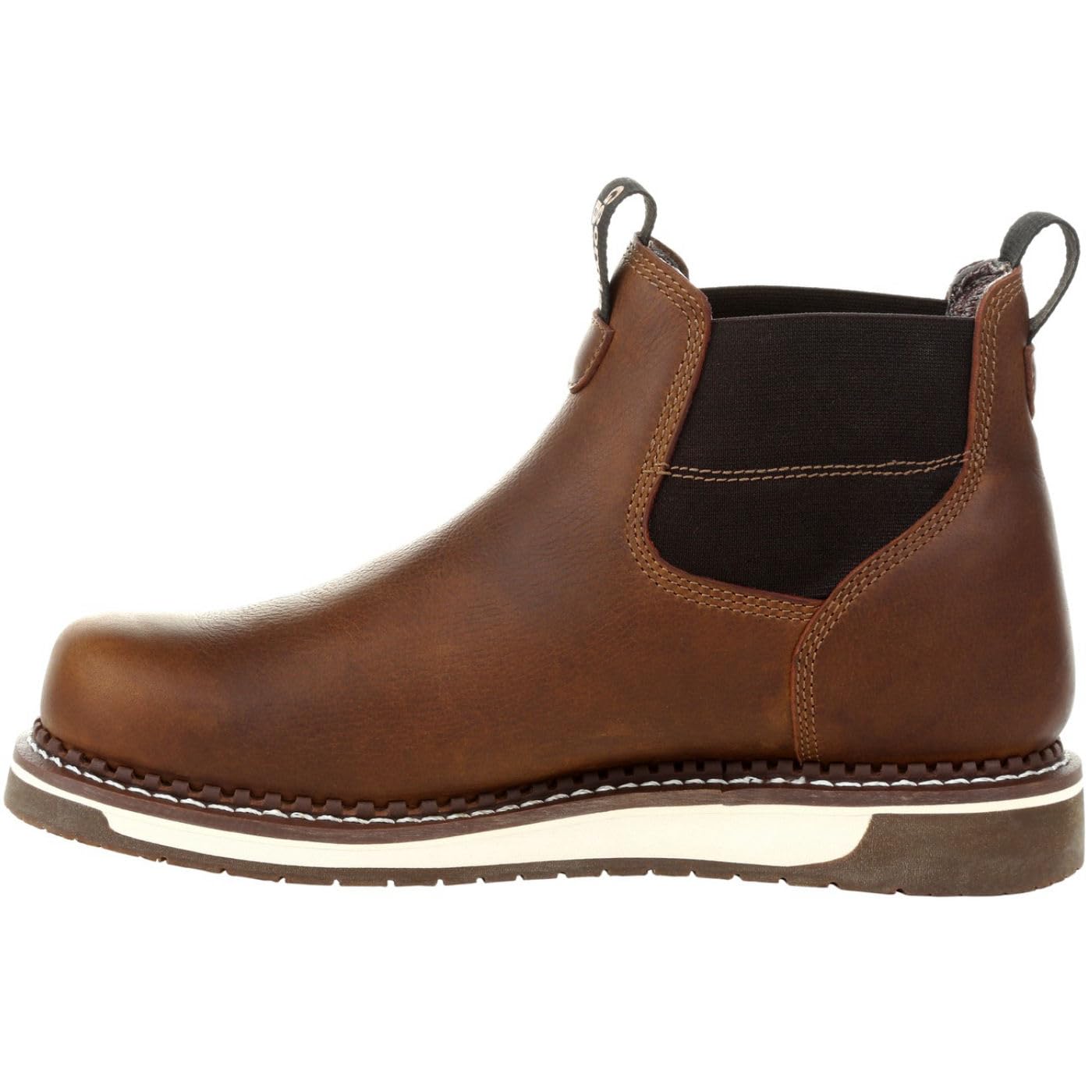

Who Should Buy Which Chelsea Work Boots?
Chelsea work boots share a pull on design with elastic side panels, but they differ a lot in protection, weight, and weather resistance. Matching the boot to your routine matters more than buying the most rugged pair on the page.
For Frequent or Serious Users
If you wear work boots most days, prioritize durable leather or a tough synthetic upper, a secure fit that does not slip at the heel, and a sole that holds up to daily wear. Check the warranty terms and the return policy before you commit, since a pair worn all day reveals fit problems faster than a pair worn only on weekends. A comfortable footbed and steady arch support matter more over a full shift than a slightly lower price.
For Bad Weather and Tough Conditions
Workers who face rain, mud, or standing water should look for sealed seams, a water resistant upper, and a lug pattern that sheds mud instead of packing it in. A deeper lug gives better grip on soft ground, while a shallower pattern suits hard floors and keeps the boot easier to clean. If your site stays wet, also consider how the boot dries overnight, since damp linings can make the next shift uncomfortable.
For Weekend Beginners
Occasional users often do best with a lighter, more flexible pair that needs little breaking in and feels comfortable from the first wear. Look for a cushioned footbed, a roomy toe box, and a sole that grips the surfaces you actually walk on, rather than paying for heavy duty features you will rarely use. A mid range price usually buys solid comfort and durability for light weekend work.
For Small Spaces and Easy Storage
If you store boots in a locker, a truck cab, or a small entryway, a compact and lighter pair is easier to live with. Chelsea boots already pack down better than tall lace up boots, but weight and bulk still vary, so check the listed weight and the sole thickness. A pair that is easy to pull on and off also saves time when you change footwear several times a day.
Key Features to Compare
Four features drive most of the difference between Chelsea work boots: support, traction, break in comfort, and fit. Compare them in that order, and let your daily routine decide which one matters most.
Arch Support and Foot Type
Arch support shapes how tired your feet feel at the end of a shift. Flat feet often suit a flatter, more supportive footbed with steady contact under the arch, while high arches often suit extra cushioning that spreads pressure more evenly. If you overpronate, meaning your foot rolls inward as you walk, look for a stable footbed and a firm heel counter that limits that roll. Removable insoles are useful here, since they let you swap in a pair of best inserts for work boots that match your foot shape.
Outsole Traction and Terrain
Outsole traction comes from lug depth, lug spacing, and rubber firmness. Deep, widely spaced lugs grip mud and loose gravel, while tighter, shallower lugs grip smooth concrete and indoor floors without feeling clumsy. Oil resistant rubber helps on shop floors where spills are common, and a slip resistant rating is worth checking if you work on wet tile or polished concrete. Match the sole to your most common surface, not to the roughest surface you might meet once a year.
Break In Period and Comfort Out of the Box
Some leather Chelsea boots feel stiff for the first week, while softer leather and synthetic uppers often feel comfortable right away. A short break in period suits workers who need a reliable pair immediately, while a longer break in period can be acceptable if the boot softens into a better long term fit. Wear new boots for short periods at first, and pay attention to pressure at the ankle bones and across the top of the foot. If a pressure point does not ease after several short wears, the size or shape is probably wrong.
Fit, Sizing, and Toe Box
Measure your feet in the afternoon, when they are slightly larger, and wear the socks you plan to work in. The toe box should leave room for your toes to spread without pressing against the front, and your heel should stay seated when you walk rather than lifting with each step. Chelsea boots have no laces to adjust, so the elastic panels and the overall shape carry the whole fit, which makes trying the right size especially important. If you fall between sizes, consider the wider option when your feet swell during long shifts.
Common Mistakes to Avoid When Buying Chelsea Work Boots
- Choosing on price alone, which can leave you with weak support or a sole that wears out fast.
- Ignoring arch support and foot type, which can turn a full shift into a sore one.
- Buying a size too large or too small, which causes heel slip, blisters, or cramped toes.
- Skipping the warranty and return terms, which matter when a boot fails early.
- Picking a heavy duty sole for indoor work, which can feel clumsy on smooth floors.
How to Make Your Chelsea Work Boot Last Longer
Care starts with drying: air dry wet boots away from direct heat, since radiators and heaters can dry out leather and weaken adhesives. Rotate two pairs for daily wear when you can, so each pair dries fully and the cushioning recovers between shifts. Brush off mud before it hardens, condition leather on the schedule the maker suggests, and replace worn insoles before they flatten completely. Inspect the elastic panels and the sole bond regularly, and retire a pair when the tread is smooth or the upper no longer holds its shape.
Spending Levels for Chelsea Work Boots
Price tracks materials, construction, and protection, but the right level depends on how hard you use the boots. Compare what each level buys before you decide.
Budget Level for Light Use
Budget pairs, often about $60 to $110, suit light weekend work and short shifts on easy surfaces. Expect simpler cushioning and a shorter lifespan under daily use, but a well fitting budget pair can still serve occasional wearers well. Check the sole grip and the elastic quality carefully at this level, since those parts wear first.
Mid Range Level for Daily Wear
Mid range pairs, often about $110 to $180, suit workers who wear boots most days and need a balance of comfort, durability, and protection. This level usually brings better footbeds, stronger uppers, and more reliable soles than budget pairs. For most daily routines, this is the level where extra spending buys the clearest comfort gain.
Higher Level for Demanding Jobs
Higher priced pairs, often about $180 to $260, suit demanding jobs with rough terrain, wet conditions, or long hours on your feet. Expect tougher materials, better weather sealing, and sturdier construction, but only pay this much if your routine truly uses those features. Even at this level, fit still matters more than any single feature.
Chelsea Work Boots: Your Questions Answered
Are expensive Chelsea work boots worth it?
Expensive Chelsea work boots are worth it when your routine uses what the higher price buys, such as tougher leather, better weather sealing, or a sole built for rough ground. For light weekend use, a mid range pair often delivers the same day to day comfort for less money. The value question is therefore about use, not price alone: match the boot to your hours, surfaces, and weather, and spend more only where those demands justify it.
How should Chelsea work boots fit?
Chelsea work boots should fit snugly around the ankle without pinching, with room for your toes to spread and a heel that stays seated as you walk. Because there are no laces, the elastic panels must hold the boot in place without cutting into your ankle. Try them with your work socks, walk on a hard floor for several minutes, and check for pressure at the ankle bones. If your heel lifts noticeably or your toes touch the front, try another size or width.
Can I wear Chelsea work boots all day?
You can wear Chelsea work boots all day if the fit, support, and cushioning suit your feet and your shift length. A supportive footbed, a roomy toe box, and a sole that matches your surfaces all help, and rotating pairs gives cushioning time to recover. Take short breaks to sit when your job allows it, and pay attention to early soreness, since it often signals a fit problem rather than a need to simply toughen up.
How long is the break in period?
The break in period for Chelsea work boots usually runs from a few days for soft leather or synthetic pairs to about two weeks for stiffer leather. Wear new boots for short periods at first, then build up to full shifts as the upper softens and molds to your foot. If sharp pressure or blistering continues past two weeks of regular short wears, the size or shape is likely wrong, and exchanging the pair is smarter than pushing through.
How often should I replace my Chelsea work boots?
Replace Chelsea work boots when the tread is worn smooth, the cushioning no longer springs back, or the elastic panels no longer hold the boot snugly. Daily wearers often reach that point within a year or two, while occasional wearers may get several years from the same pair. Regular inspection matters more than a fixed calendar: check the sole bond, the heel, and the upper each month, and retire a pair as soon as protection or support clearly fades.
Wrapping Up
The right Chelsea work boots match your routine first and your budget second. Start with your surfaces and weather, then judge support, traction, and fit, and use the product table above to compare the options that pass those tests. Check your employer and maker rules for any required protection before you buy, since no boot guarantees safety on its own.
When you find a pair that fits well and suits your daily work, the best chelsea work boots for you are the ones you can wear comfortably shift after shift. For a broader comparison, see our guide to best work boots and our guide to best chelsea boots, and if you need a more specific fit, see our guide to best chelsea work boots for men.


