
Best Chopsticks To Buy 2026: A Practical Buying Guide
Disclosure: We may earn a commission when you buy through links on this page, at no extra cost to you. As an Amazon Associate I earn from qualifying purchases. Learn more

Compare the best chopsticks to buy by material, length, grip, and care, from bamboo and wood to metal and reusable pairs, for daily meals at home.
Choosing the best chopsticks to buy starts with material, length, and grip, since those factors decide how comfortable eating feels. A good pair should feel balanced, grip food without slipping, and suit the dishes you eat most. Beginners and experienced users may prefer different tips and weights, so match the pair to your skill and habits.
The comparison table below gives a quick side by side view of the main materials to compare. Use it with the guidance in this article to decide between disposable, reusable wood, bamboo, and metal options. Think about cleaning too, since a pair you use daily should be easy to wash and store.
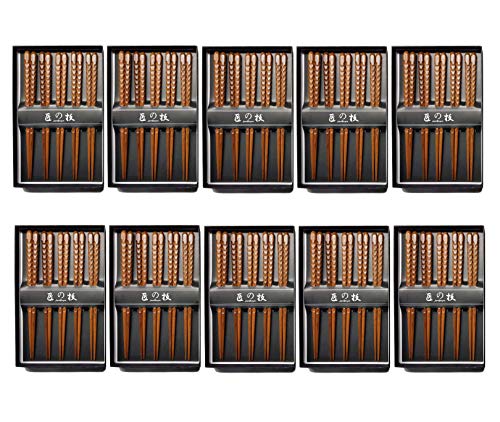


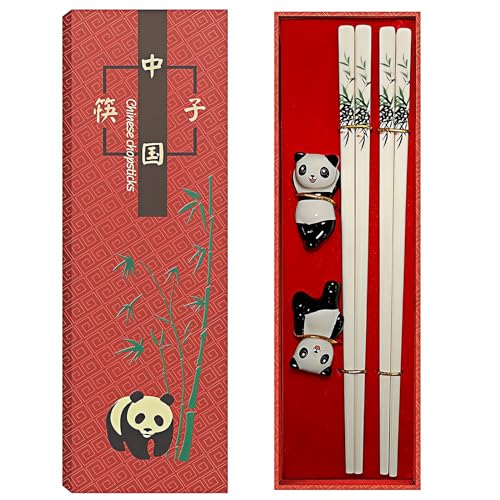
Materials Compared for the Best Chopsticks to Buy
Bamboo chopsticks are light, affordable, and offer a natural grip that helps hold noodles and rice. They are a good choice for everyday home use and for guests, since they can be bought in sets. Bamboo can stain and absorb odors over time, so replace pairs when they feel rough or look worn.
Wood chopsticks offer warmth and a comfortable feel, with lacquered finishes that resist moisture better than raw wood. Lacquered pairs clean more easily, while unlacquered pairs may need more careful drying. Check for smooth tips and even finishes, since rough edges can splinter and affect grip.
Metal chopsticks are durable, easy to clean, and popular for Korean style dining, but they can feel slippery and heavy for beginners. Flat or square metal shapes grip better than round ones, and textured tips help with noodles. Metal pairs last for years, which makes them good value despite a higher upfront price.
Length, Tip Shape, and Grip
Length should suit your hand size and bowl size, with most adults comfortable at about 21 to 24 cm for home dining. Longer pairs suit shared dishes and cooking, while shorter pairs suit children and small hands. A pair that feels too long can tire your fingers, while a pair that feels too short can feel cramped.
Tip shape affects grip, with tapered tips offering precision for small foods and blunt tips offering stability for larger pieces. Grooved or textured tips help beginners hold slippery noodles and tofu. Practice with a pair that feels natural, and avoid very slick tips until your grip feels secure.
Weight and balance also matter, since heavy pairs can tire your hand during long meals. Wood and bamboo feel light and forgiving, while metal feels solid and precise. Hold pairs as you would at a table, and check that they meet evenly at the tips without twisting.
Reusable Versus Disposable
Reusable chopsticks reduce waste and often feel better than disposable pairs, especially for daily home use. A set of reusable pairs in a case suits work lunches and travel, while disposable pairs suit parties and takeout. Wash reusable pairs promptly after meals with oily sauces to prevent staining.
Disposable bamboo pairs are convenient and hygienic for guests, but they vary in quality and can splinter. If you use disposables often, buy from a reputable maker and check tips before use. For regular use, a reusable set is usually more comfortable and better value over time.
Storage matters for reusable pairs, so keep them in a dry case or holder away from damp drawers. Dry wood and bamboo fully before storing to prevent mold and odors. Metal pairs need less care, but a case still protects tips and keeps pairs together in a bag.
Buying Tips and Care
Start with a small set in a material that matches your cooking style, and add specialty pairs later if needed. A good everyday set costs about $10 to $30, while premium lacquered or hand finished pairs can cost more. Compare length, tip shape, and included case rather than piece count alone.
For gifts, consider a pair with a case and a simple grip guide for beginners. Personalized or lacquered pairs can feel special, but make sure the recipient can use the length and weight comfortably. A practical pair that gets used beats a decorative pair that stays in a drawer.
Care is simple: wash with warm soapy water, dry fully, and store in a dry place. Avoid soaking wood and bamboo for long periods, since water can warp and crack finishes. Replace pairs when tips splinter, finishes peel, or grip feels uneven despite cleaning.
Related Choices Worth Comparing
Material choice drives grip and durability, so our guide to best material for chopsticks compares bamboo, wood, plastic, and metal in detail.
If you want a daily use set that lasts, our guide to best reusable chopsticks covers cases, cleaning, and travel friendly designs.
Metal pairs suit long term use and easy cleaning, and our guide to best metal chopsticks explains shapes and textures that improve grip.
Improving Your Chopstick Skills
Practice grip with larger foods first, such as tofu cubes, broccoli florets, and cooked vegetables, before moving to slippery noodles and small grains. Larger pieces forgive small grip errors and build finger strength gradually. Short daily practice at meals works better than long practice sessions with no food to enjoy.
Watch how experienced users hold chopsticks, focusing on the stationary lower stick and the moving upper stick. The lower stick should rest steady against your ring finger, while the upper stick moves with your index and middle fingers. Small adjustments to finger position often fix slipping better than buying a new pair.
For shared meals, use serving chopsticks or a spoon for communal dishes, following local customs and hygiene norms. A separate pair for serving keeps personal chopsticks clean and respects guests who may have different habits. Good etiquette makes shared meals more comfortable for everyone at the table.
Choosing Pairs for Different Meals
Noodle soups suit slightly longer pairs that reach into deep bowls without wetting your fingers. Sushi and sashimi suit shorter, tapered pairs that offer precise control for delicate pieces. Keeping two lengths at home covers most meals without needing a large collection.
For hot pot and shared cooking, longer cooking chopsticks keep hands away from steam and hot broth. Use separate pairs for cooking and eating to keep hygiene clear at the table. A dedicated cooking pair also protects eating pairs from heat damage over time.
A Final Note on Everyday Use
Keep a spare pair in your bag for takeout and office lunches, since restaurant disposables vary in quality and can splinter. A personal reusable pair in a slim case feels better and reduces waste over time. With a spare pair handy, you can enjoy chopstick meals anywhere without relying on a random disposable set.
Frequently Asked Questions
What length chopsticks should I buy?
Most adults find 21 to 24 cm comfortable for home dining, while children and small hands suit shorter pairs. Longer pairs help with shared dishes and cooking, but can tire your fingers during long meals. Hold a pair as you would at a table, and check that tips meet evenly. If you are between sizes, choose the shorter pair for better control.
Are metal chopsticks harder for beginners?
Metal chopsticks can feel slippery and heavy at first, especially round and smooth pairs. Flat or square shapes and textured tips improve grip noticeably. Beginners often start with bamboo or wood, which offer natural friction and lighter weight. Once your grip feels steady, metal pairs become easier and offer excellent durability and cleaning.
How do I clean reusable chopsticks?
Wash reusable chopsticks with warm soapy water after each meal, and dry them fully before storing. Avoid soaking wood and bamboo for long periods, since water can warp finishes and cause odors. Metal pairs can handle more thorough washing and drying. Store pairs in a dry case or holder, and replace them when tips splinter or finishes peel.
Should I buy disposable or reusable chopsticks?
Reusable pairs suit daily home use, reduce waste, and usually feel more comfortable than disposables. Disposable pairs suit parties, takeout, and guests who prefer a fresh pair. If you eat with chopsticks most days, a reusable set offers better value and grip. Keep a pack of disposables for guests, and a reusable set for yourself.
What tip shape grips food best?
Tapered tips offer precision for small foods, while blunt tips offer stability for larger pieces. Grooved or textured tips help hold slippery noodles, tofu, and wet vegetables. Beginners benefit from slightly textured tips and a light wood or bamboo material. Test a pair with noodles and rice before buying a full set, since grip feel varies by hand size.
Final Thoughts
Choose a pair with a comfortable length, a tip shape that grips your usual foods, and a material you can clean easily. The product table above can help you compare materials side by side. A practical pair you use daily is better value than a decorative pair that stays unused.
With the right length and grip, eating with chopsticks feels natural and enjoyable, making your choice a strong match for the best chopsticks to buy. Wash and dry pairs promptly, store them in a dry case, and replace worn pairs when tips lose their smooth finish.


