
Best Chopsticks for Noodles at Every Price: What Your Money Really Gets You for 2026
Disclosure: We may earn a commission when you buy through links on this page, at no extra cost to you. As an Amazon Associate I earn from qualifying purchases. Learn more

Compare the best chopsticks for noodles by price tier, with grip, length, and material guidance to help you choose the right pair for ramen and more.
A single pair of chopsticks can cost less than a cup of coffee, while a crafted set can cost as much as a nice dinner out. That spread leaves noodle lovers with a fair question. Where does extra money actually help, and where does it simply buy looks?
This guide walks through each price tier so you can spend with a plan. The best chopsticks for noodles share a few traits at every price, especially grippy tips and a length that suits deep bowls, and the comparison table below shows how the tiers differ before we get into detail.


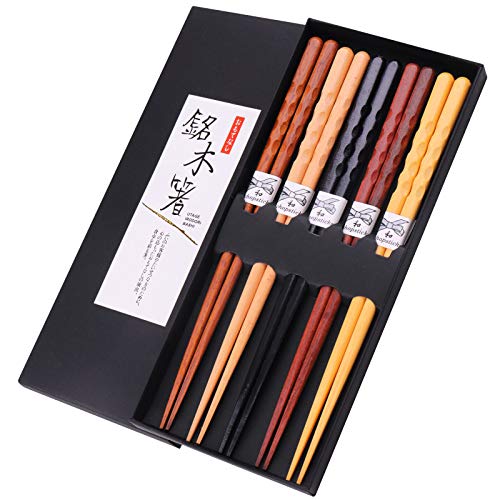


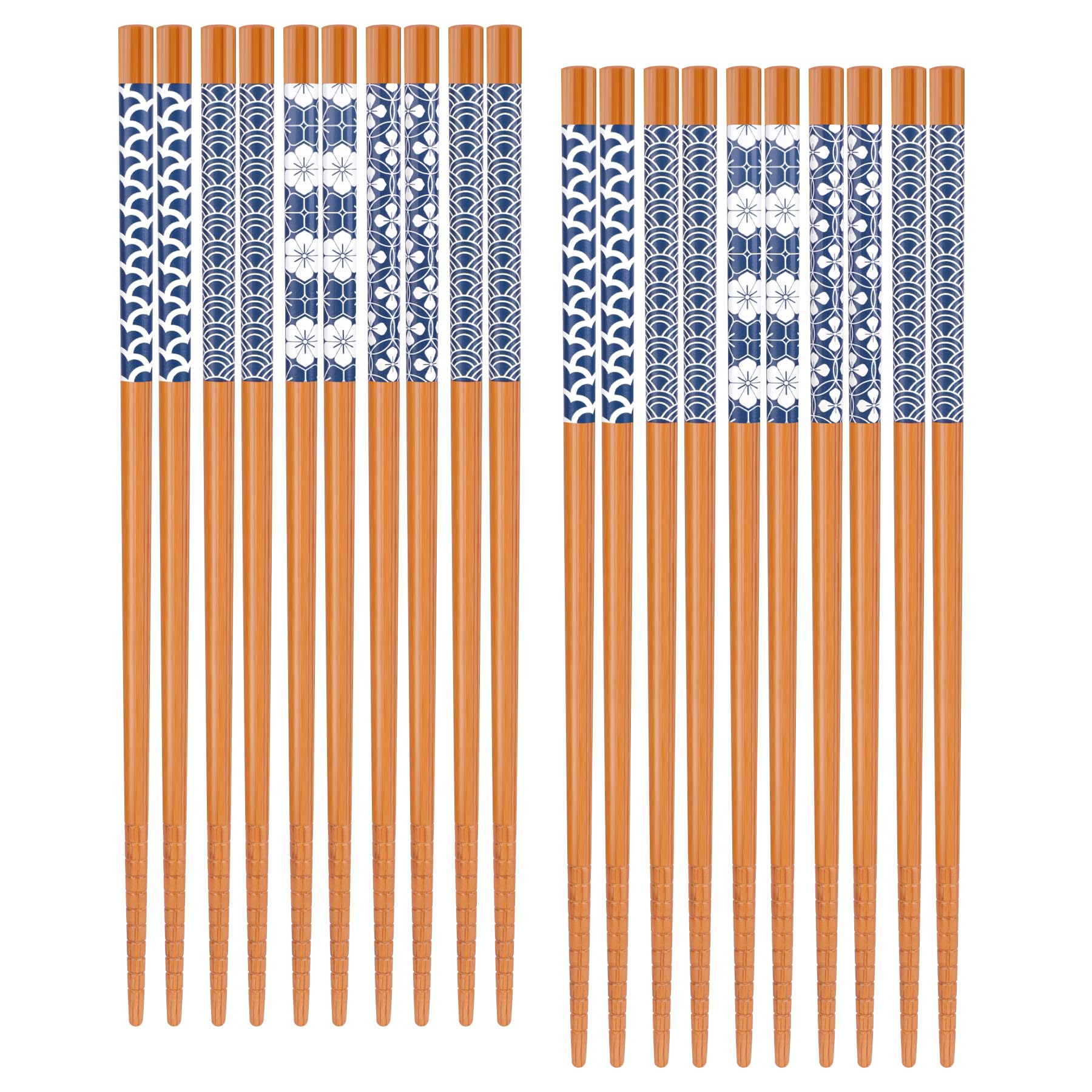
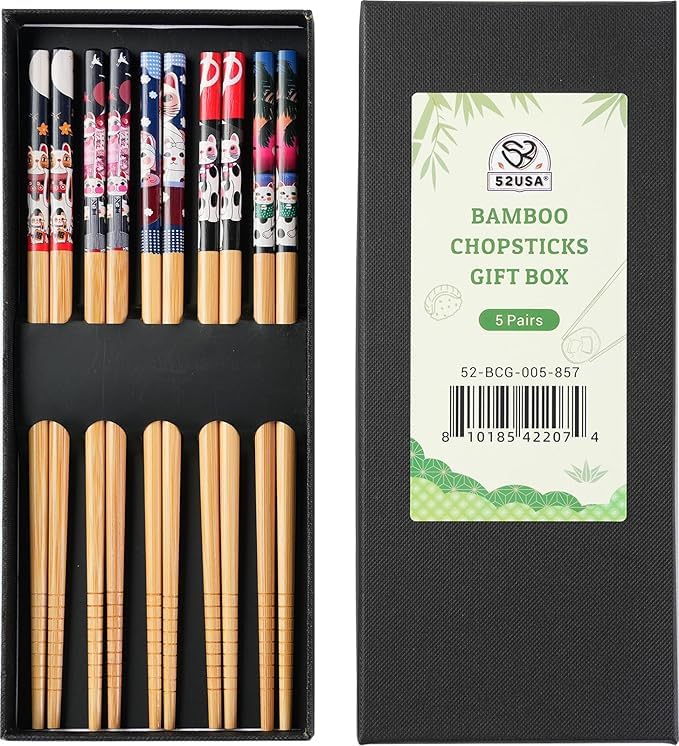


Choosing the Best Chopsticks for Noodles by Budget
Instead of chasing a single named pair, shop by tier and check the traits that matter for noodles. The priorities below tell you what to demand at each level and what you can safely give up.
Budget Tier Priorities
At the budget level, demand textured tips above everything else. Noodles are slippery, and a smooth, glossy budget pair will frustrate you at every bite, while simple molded ridges or a matte finish grip strands with far less effort. Bamboo and BPA free plastic dominate this tier and both work well for daily ramen, udon, and noodle soups.
Accept simpler finishes and basic packaging at this price. What you should not accept is warped pairs, splinters on bamboo, or tips that do not meet evenly. Roll each pair on a flat table before you commit to a set. A pair that wobbles will only get harder to control.
Midrange Tier Priorities
The midrange is where noodle performance improves in ways you can feel. Expect finer tip tapering, which lets you separate a small portion of strands instead of grabbing a slippery bundle, and expect more consistent weight from pair to pair in the set. Materials expand here too, with better finished wood, fiberglass style composites, and steel with textured tips all common.
Prioritize a stated heat limit and honest care instructions at this level. A midrange pair should tell you whether it belongs in the dishwasher and whether it can handle hot broth and brief cooking tasks. That clarity is part of what your money buys.
Premium Tier Priorities
Premium money should buy refinement you notice in your hand. Look for hand finished tips, careful balance that keeps the pair from feeling tip heavy, and materials chosen for decades of use, such as dense hardwoods or finely finished steel. Presentation also improves, with storage boxes and matching rests often included.
Be honest about what premium does not change. A costly pair will not fix a grip you have not learned yet, and delicate premium finishes may demand hand washing that a busy household will skip. Buy premium for feel, longevity, and the pleasure of a well made object, not for a promise that noodles will suddenly behave.
What Your Money Gets You at Each Price Tier
Budget Tier: What to Expect
Budget sets usually cost under $10 for several pairs, which makes them the natural choice for families, shared kitchens, and anyone building a first set. Expect bamboo or simple plastic, standard dining lengths around 9 to 10 inches, and enough pairs that losing one is no problem. The trade off is variation. Tips may differ slightly between pairs, finishes wear faster, and heat limits are often modest, so keep budget pairs at the table rather than in a hot pan.
Midrange Tier: The Sweet Spot for Most Buyers
Midrange sets typically run about $10 to $25 and deliver the best balance for regular noodle eaters. You get tighter quality control, tips shaped for grip, and materials that tolerate daily washing without fading or warping quickly. Many households find that one good midrange set outlasts several budget sets, which closes the price gap over time. If you eat noodles weekly, this is the tier to shop first, and our guide to the best quality chopsticks explains the finish details that separate a solid set from a flimsy one.
Premium Tier: When Spending More Pays Off
Premium sets, often around $25 to $50 or more, pay off for daily users who notice small differences and for gift buyers who want a set that feels special. The gains are consistency, balance, and materials that age gracefully with proper care. Spending more also makes sense when you want one set for both dining and serving, since premium pairs tend to look at home on a set table. If your noodle nights are occasional, the same money is better spent on a midrange set plus a longer cooking pair.
Features Worth Paying For (and Ones to Skip)
Features That Matter for Noodles
Noodles demand grip and reach. Strands are wet, coated in broth or sauce, and served in deep bowls, so choose tips with fine ridges, a spiral texture, or a matte finish that holds strands without crushing them. Length around 9.5 to 11 inches suits most noodle bowls, giving you reach without awkward leverage. Skip ultra smooth lacquered tips for this job, however pretty they look, because they are the single most common reason a new pair disappoints at a ramen bowl.
Material and Food Safety
Material decides both safety and feel. For steel, look for 18/8 stainless steel. For silicone coated pairs, choose food grade silicone with a stated heat limit. For plastic, insist on BPA free labeling, and for wood and bamboo, look for a smooth finish without cracks that trap broth residue. A deeper comparison in our guide to the best material for chopsticks can help you weigh these options before you buy.
Comfort and Ergonomics
Noodle meals involve repeated lifting, twirling, and separating, so comfort adds up over a single bowl. A slightly thicker upper section gives your fingers a stable hold, while a pair that is too thin can cramp your hand by the end of a meal. Weight matters too. Very light pairs feel flimsy with heavy udon, while very heavy pairs tire smaller hands. If possible, match the pair to the main user rather than buying one style for everyone.
Durability and Build
Durability shows in the details. Tips should meet evenly, the finish should be uniform, and the pair should resist rust, warping, and cracking through repeated washing. Bamboo can split if it dries out, steel can bend if the gauge is thin, and plastic can warp near high heat. A practical check is the squeeze test. Gentle pressure along the pair should feel firm and even, with no soft spots or creaks near the top end.
Size, Capacity, and What Is Included
Count the pairs against your real routine. A household of two that hosts noodle nights may need six to eight pairs, while a single user does well with two or three plus one longer cooking pair around 13 inches for draining and serving. Check drawer fit before ordering, since longer pairs and storage boxes need more room than standard sets. Extras like rests are genuinely useful with noodles, because a rest keeps wet tips off the table between bites.
Long Term Costs to Factor In
The sticker price is only part of ownership. Budget pairs replaced every year can cost more over five years than one midrange set that lasts, so weigh replacement cycles against the upfront price. Care plays a role too. Hand washing takes time, and pairs that need oiling or gentle handling add small ongoing effort. Reusable pairs also cut the recurring cost and waste of disposable chopsticks, a point our guide to the best reusable chopsticks covers in more depth. Finally, consider breakage. A set with available spare pairs or an easy reorder path protects you from replacing a whole set over one lost pair.
Chopsticks: Your Questions Answered
What features matter most in chopsticks for noodles?
Grippy tips matter most, followed by a length that reaches the bottom of your usual bowl without strain. One feature buyers often overlook is tip alignment. Hold the pair together and look along the length. If the tips drift apart or cross slightly, fine control with single strands suffers, no matter how good the surface texture is.
Is a full set of noodle chopsticks better than buying individual pairs?
A full set is usually better value and keeps lengths and feel consistent at the table. Individual pairs make sense for adding one longer cooking or serving pair. There is also a learning benefit to a set. Practicing with one consistent pair shape builds muscle memory faster than rotating between different lengths and weights each meal.
Are chopsticks for noodles dishwasher safe?
Many are, especially steel, fiberglass style composites, and most plastic pairs. Bamboo and finished wood usually last longer with hand washing. One caution applies to every material. Noodle broths stain, and light colored pairs left sitting in broth residue before washing can pick up lasting color, so a quick rinse right after the meal protects any pair.
How long do chopsticks for noodles last?
Steel pairs can serve for many years, midrange composites and finished wood often last several years, and budget bamboo may need replacing within a year of heavy use. Heat is the quiet lifespan factor. Pairs repeatedly used to stir or lift food from boiling water age faster than pairs used only at the table, whatever the material.
What material is safest for food contact?
Choose nonporous, clearly labeled materials, such as 18/8 stainless steel, food grade silicone, or BPA free plastic, or well finished wood and bamboo in good condition. Condition matters as much as category. Replace any pair with cracked finishes, split tips, or stains that survive a thorough wash, because damaged surfaces are harder to clean fully.
Our Verdict
For most noodle lovers, a midrange set with ridged tips and a length near 10 inches delivers the best value, and the product table above makes those specs easy to compare across tiers. Budget buyers should protect tip texture above all, and premium buyers should pay for balance and finish rather than decoration. Judged that way, the best chopsticks for noodles are simply the pair whose grip, length, and care routine fit your table.


