Best Bamboo Chopsticks for Every Need: How to Pick the Right One for 2026
Disclosure: We may earn a commission when you buy through links on this page, at no extra cost to you. As an Amazon Associate I earn from qualifying purchases. Learn more

Discover the best bamboo chopsticks for your needs. We match features to real use cases so you avoid overpaying and get the right fit the first time.
There is no single style that suits every kitchen, because a pair for nightly noodles, a pair for serving, and a pair for guests all do different jobs. The best bamboo chopsticks for you depend on length, tip shape, finish, and how you plan to clean and store them.
This guide starts with who you are buying for, then compares the features that change grip, comfort, and lifespan in daily use. Check the comparison table below for a quick overview, then use the sections that follow to match a style to your table and your cooking habits.


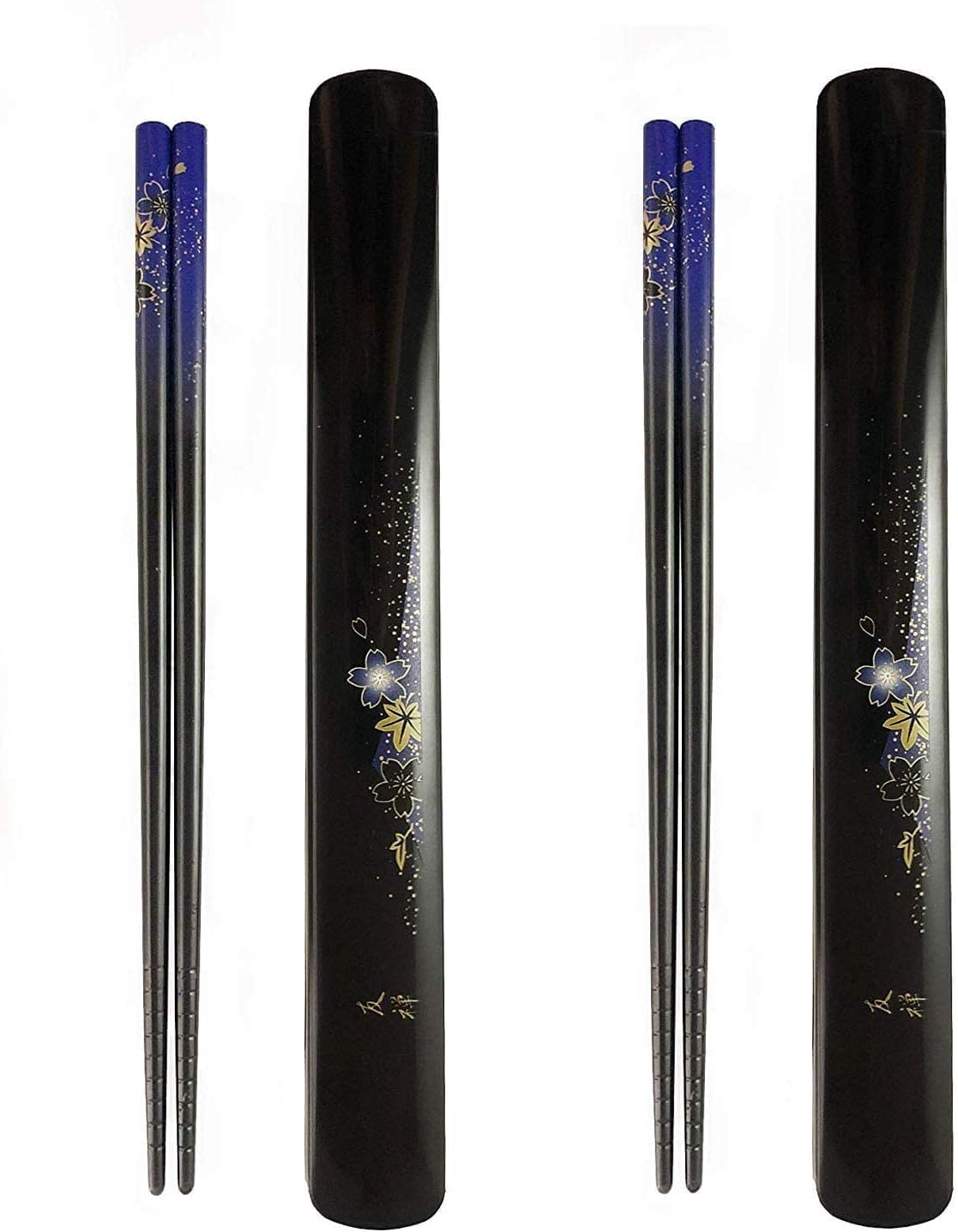

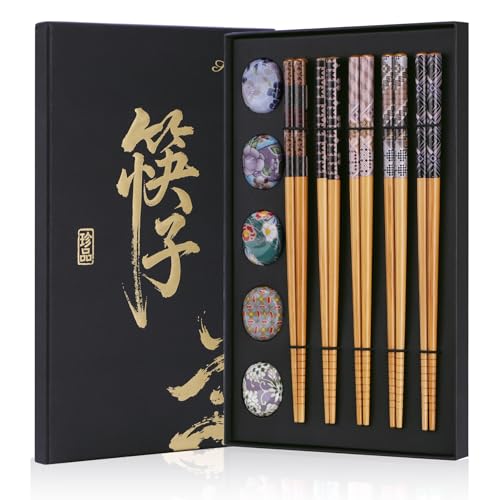
Who Should Buy Which Bamboo Chopsticks?
Bamboo is light, gentle on dishes, and affordable, but not every bamboo pair is built the same way. Some are thin and precise, some are long for cooking, and some are finished for presentation. Placing yourself in one of the groups below will narrow the length and finish choices before you compare prices.
For First Time Buyers
If you are learning to eat with chopsticks, start with a standard dining length around 9 inches, a slightly squared or ridged tip, and a matte finish that grips food instead of sliding off it. Grooves near the tip give noodles and dumplings something to hold onto while your hand skills develop. Skip very long cooking lengths and very fine tapered tips for now, since both demand more control than a learner needs.
For Gift Shoppers
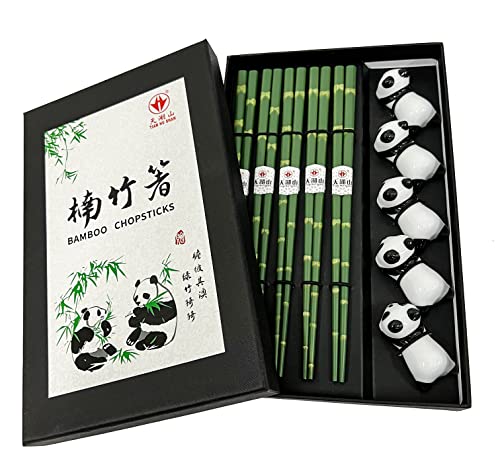
For gifts, look for sets with even finishing, a storage box or cloth wrap, and pairs that match in tone and length. A set of five or ten pairs in a consistent style suits dinner parties and family meals, and a simple natural finish pleases more people than bold colors. Check that the listing states the length and care method clearly, so the person receiving the gift knows whether to hand wash them from the start.
For People Who Want the Best Performance
If you cook and eat with chopsticks daily, performance means dense, smooth bamboo with no splinters, tips that stay straight, and a finish that resists staining from sauces and oils. Carbonized bamboo, which is heated for a darker tone, often resists moisture a little better than pale natural bamboo. Serious cooks often keep two types on hand: shorter pairs for eating and one long pair around 13 inches for turning food in a wok or pot.
If you are weighing bamboo against metal, wood, or fiberglass for daily use, our guide to the best material for chopsticks explains how each material changes weight, grip, and care in ways this guide only touches on briefly.
Key Features to Compare
Listings for bamboo chopsticks can look nearly identical in photos, so the details below are where quality actually shows. Compare length and tip first, because those decide control. Then check finish, construction, and cleaning needs, because those decide how long the pair stays pleasant to use.
Storage and Space Saving
Bamboo pairs store easily in a drawer divider, a countertop crock, or a rolled cloth wrap, and matching sets stack neatly without scratching each other. If drawer space is tight, choose one versatile dining length for most meals rather than collecting many specialty lengths. Keep cooking length pairs separate in a taller container near the stove, so you never grab a lacquered dining pair for hot oil by mistake.
Durability and Build
Good bamboo feels smooth along the whole shaft, with no raised fibers, cracks at the tip, or uneven thickness between the two sticks in a pair. Denser bamboo resists warping and splitting longer, and a cleanly cut, sealed end grain slows water entry during washing. Flex a pair very gently in the shop if you can: it should feel firm with a slight spring, never soft or creaky. Pairs that arrive with mismatched lengths or tones usually signal rushed sorting and shorter life.
Material and Food Safety
Bamboo is a natural grass, so food safety comes down to the finish and the glue, if any, used in pressed or laminated styles. Solid single piece pairs have the simplest makeup and are a safe default for most buyers. For coated pairs, look for a stated food safe finish and no strong chemical smell when the pack is opened. If a listing is vague about coatings, choose an uncoated natural pair and accept a slightly shorter lifespan in exchange for clarity.
Shoppers comparing overall build standards across materials may also want to see our guide to the best quality chopsticks, which covers finishing and joint quality checks that apply beyond bamboo alone.
Heat Resistance and Cookware Safety
Bamboo handles brief contact with hot food well and will not scratch nonstick pans, ceramic bowls, or enamel pots, which makes it a kind choice for delicate cookware. It is not made for leaving in a pot of frying oil or resting on a hot pan edge, where the tips can scorch and dry out. Use long, uncoated cooking pairs for stove work, keep dining pairs at the table, and replace any pair whose tips turn black or start to fray.
Ease of Cleaning (Dishwasher Safe?)
Hand washing is the safest default for bamboo, even when a listing calls a pair dishwasher safe. Dishwasher heat and long soaking open the grain, bleach the color, and raise fibers that later catch on food. A quick wash in warm soapy water, a rinse, and prompt drying take under a minute per handful of pairs. If you truly need dishwasher convenience for busy weeknights, expect a shorter lifespan and budget to replace pairs more often.
A useful know how point is the sniff and feel test after washing. If a dried pair smells sour or feels fuzzy, bacteria friendly moisture is lingering in the grain, and better drying or replacement is due. Standing pairs upright in an open holder after washing lets air reach the tips, where moisture hides longest.
Common Mistakes to Avoid When Buying Bamboo Chopsticks
- Judging by price alone and ending up with splintery, uneven pairs that frustrate learners and guests alike.
- Ignoring length, then struggling with short pairs at a hot pot or long cooking pairs at a small dining table.
- Buying glossy, heavily lacquered pairs for high heat cooking, where coatings can blister and tips can scorch.
- Assuming every pair is dishwasher safe and soaking them for hours, which warps and splits the bamboo.
- Skipping the finish details, so you cannot tell whether a coated pair uses a stated food safe coating.
How to Make Your Bamboo Chopstick Last Longer
Wash pairs soon after meals so sauces and oils do not soak into the grain, and dry them fully before storing them in a closed drawer. Once a month, a very light wipe of food grade mineral oil on dry, uncoated pairs can slow cracking in dry kitchens, though lacquered pairs do not need oil. Never leave bamboo soaking in the sink, and keep pairs away from direct stove heat while they dry. Retire any pair that cracks, splinters, or holds a sour smell after washing, since damaged grain is hard to clean well.
If reducing waste is part of why you chose bamboo, our guide to the best reusable chopsticks covers lifespan habits and end of life choices across reusable materials.
FAQs
Is a full set of bamboo chopsticks better than buying pieces?
A full set is usually better value and gives you matched lengths and finishes for family meals and guests. Buying single pairs or small packs makes sense when you only need one cooking length or want to test a tip shape before committing. If your household eats with chopsticks daily, a set of ten pairs also means clean pairs are always ready while others dry.
Are bamboo chopsticks dishwasher safe?
Some bamboo chopsticks are sold as dishwasher safe, but hand washing still extends their life the most. Dishwasher cycles combine high heat, strong detergent, and long wet time, which fade color and lift the grain. If you use a dishwasher anyway, place pairs in the utensil holder tips up, skip heated dry if you can, and inspect for cracks more often.
What material is safest for food with chopsticks?
For bamboo chopsticks, solid pieces with no coating or with a clearly stated food safe finish are the safest and simplest choice. Smooth, intact surfaces matter more than material trends, because cracks and peeling coatings trap residue. Whatever material you use, replace pairs that are cracked, deeply stained, or rough, and wash new pairs before first use to remove dust from packing and transit.
How long do bamboo chopsticks last?
With hand washing and full drying, a good bamboo pair often lasts one to two years of regular home use, and longer with light use. Daily cooking use, dishwasher cycles, and soaking shorten that span, sometimes to a few months for thin pairs. Your best signal is condition, not the calendar: straight, smooth, odor free pairs are fine to keep, while warped or fuzzy pairs should go.
Our Verdict
Match length and tip shape to the job first, then look for smooth, dense bamboo with an honest finish and clear care guidance. Hand wash, dry fully, and keep dining and cooking pairs separate, and a modest set will serve you well for years. Compare your short list in the product table above, and choose the best bamboo chopsticks for the meals you actually cook and share.