
Best Chopsticks to Use for Every Need: How to Pick the Right One for 2026
Disclosure: We may earn a commission when you buy through links on this page, at no extra cost to you. As an Amazon Associate I earn from qualifying purchases. Learn more

Match the best chopsticks to use to your meals and skill level, with clear guidance on grip, length, material, and care so you avoid overpaying.
There is no single pair of chopsticks that suits every hand, every meal, and every kitchen task. A pair built for delicate sushi feels wrong in a bubbling hot pot, and a long cooking pair feels clumsy at a small rice bowl. Shoppers who start from a favorite material often end up with a drawer of near misses.
Start from your use instead. This guide matches common needs to the traits that serve them, so the best chopsticks to use become the pair shaped around your meals, your washing habits, and your level of experience. The comparison table below gives a fast overview, and the sections that follow explain the reasoning.


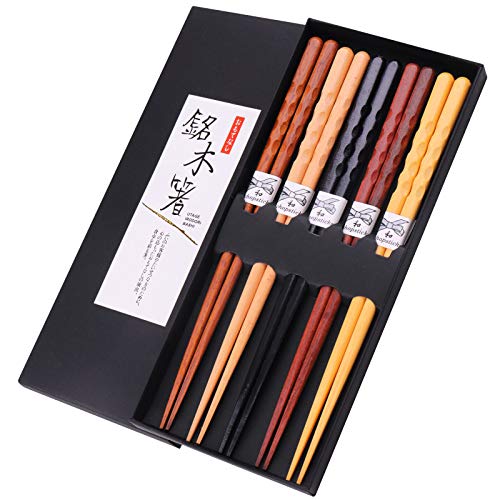
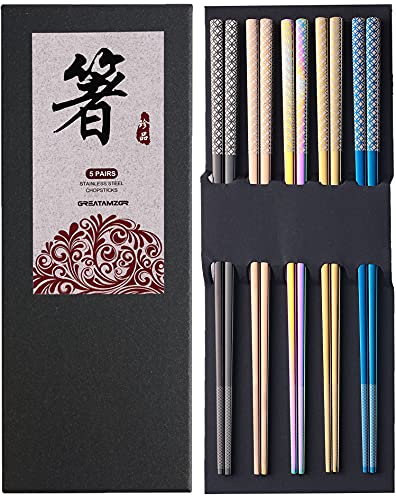


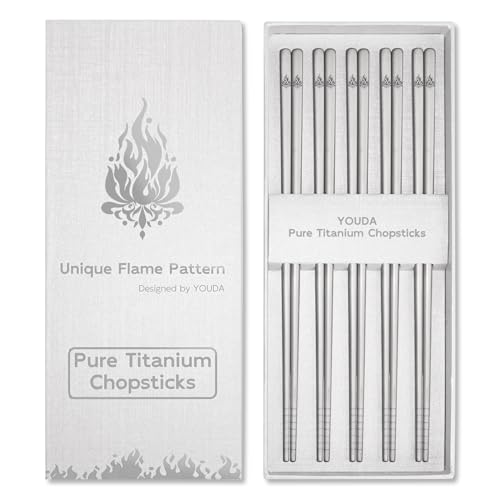

Who Should Buy the Best Chopsticks to Use?
For People Who Want the Best Performance
If control is your priority, shop for precision. Performance oriented pairs have finely tapered tips with a textured surface, consistent balance, and a length matched to your hand, usually around 9.5 to 10.5 inches for adults. Dense hardwoods and well finished steel both deliver this level of control, and premium pricing is justified here by tip quality and uniformity across the set rather than by decoration.
Performance buyers should also think about task specific pairs. One precise dining pair plus one longer heat tolerant cooking pair outperforms any single pair asked to do everything. Expect to hand wash premium finishes, and factor that small effort into the decision before you pay for it.
For First Time Buyers
If you are learning, forgiveness matters more than finesse. Choose a pair with ridged or matte tips that hold food while your fingers are still finding the right pressure, and pick a medium length that does not exaggerate every wobble. Bamboo and textured plastic are kind starting points because they are light, cheap, and easy to replace while you practice.
Avoid two common starting traps. Very smooth lacquered pairs make every food feel slippery, and very short pairs force a cramped grip. A helpful practice habit is to start with larger, soft items like steamed vegetables or thick noodles, then move to smaller pieces as your control improves over a few weeks of regular meals.
For Value Seekers
Value means cost spread over years of comfortable use, not the lowest sticker in the store. Midrange sets, often about $10 to $25, usually deliver the strongest value because their tips are shaped for grip, their finishes survive daily washing, and their pairs match closely in weight. That consistency also helps everyone in the household build the same muscle memory.
To judge value before buying, divide the set price by the number of pairs, then ask how long each pair should last in your routine. A slightly pricier set that survives three years of dishwasher cycles beats a bargain set replaced every few months. Our guide to the best reusable chopsticks goes deeper on cutting repeat replacement costs.
Key Features to Compare
Material and Food Safety
Material shapes grip, care, and safety at once. For steel, look for 18/8 stainless steel. For silicone, choose food grade silicone with a stated heat limit. For plastic, insist on BPA free labeling, and for wood and bamboo, choose a smooth finish with no cracks where residue can hide. Our detailed guide to the best material for chopsticks compares how each option behaves with hot, oily, and acidic foods, which is worth reading before you commit to a full set.
Storage and Space Saving
Storage sounds minor until a long pair jams your drawer. Standard dining pairs around 9 to 10 inches fit most organizers, while cooking pairs near 13 to 16 inches need a crock, a tall jar, or a hanging spot near the stove. Stackable cases and slim storage boxes keep pairs aligned and protect fine tips from snapping against heavier utensils. If your kitchen is small, measure the drawer first and let that measurement rule out oversized sets before you fall for their photos.
Ease of Cleaning (Dishwasher Safe?)
Match the care routine to your real habits. Steel, glass, and most plastic and silicone pairs go in the dishwasher without drama, which suits daily users. Wood and bamboo ask for hand washing and quick drying, a fine trade if you eat with chopsticks a few times a week and annoying if every dinner ends in the dishwasher. Also check whether the maker warns against soaking, because pairs left in dishwater overnight can swell, fade, or lose their finish faster than pairs washed and dried promptly.
Comfort and Ergonomics
Comfort comes from shape, weight, and surface working together. A slightly squared or gently rounded upper section keeps the pair from rolling between your fingers, while round pairs suit experienced hands that prefer a lighter touch. Weight should match the user. Children and smaller hands do better with shorter, lighter pairs, while adults eating hearty noodle dishes often prefer a bit more heft. If several people share a set, a middle weight with textured tips is the most forgiving compromise.
Durability and Build
Build quality reveals itself at the tips and the finish. Tips should meet evenly when the pair is held together, the surface should feel uniform with no rough patches, and the material should resist rust, warping, and splitting through repeated use. Thin steel can bend, bamboo can split when it dries out, and cheap plastic can warp near heat. A set that includes spare pairs softens all of these risks, because one damaged pair does not end the usefulness of the whole purchase.
Common Mistakes to Avoid When Buying Chopsticks
- Judging by price alone, when tip texture and length affect every single meal more than the finish does.
- Ignoring material and food safety labels, especially heat limits on plastic and silicone pairs used near the stove.
- Buying one length for everyone, even though children, adults, and cooking tasks each call for different sizes.
- Choosing the smoothest, prettiest pair for slippery foods like noodles and dumplings, then blaming your own skill.
- Skipping the care instructions and warranty details, then losing a good set to the wrong wash cycle.
Tips to Get the Most From Your Chopsticks
Technique matters as much as equipment, and one know how point helps every buyer judge a pair fairly. Rest the lower stick against your ring finger and the base of your thumb and keep it still, then let the upper stick do all the moving work with your index and middle fingers. If a pair feels awkward, practice that motion for two or three meals before blaming the chopsticks, because many comfort complaints trace back to both sticks moving at once. A well shaped pair supports this grip naturally, with a stable rest point for the lower stick and a light, responsive upper stick.
A few habits keep any pair working well. Hand wash wooden items and oil them monthly so the surface stays sealed and smooth. Avoid metal tools on nonstick pans, and reach for wood, bamboo, or silicone when you cook in coated cookware. Air dry fully before storing, since trapped moisture dulls finishes and can leave odors in natural materials. Finally, store pairs with the tips pointing the same way in a case or divider, because fine tips bent in a crowded drawer never quite grip the same way again.
Chopsticks: Your Questions Answered
How long do chopsticks last with regular use?
Steel pairs can last for many years, while bamboo and wood pairs often serve one to two years of daily use before the tips wear. One overlooked factor is how you wash them. Pairs scrubbed with harsh pads lose their surface texture early, and since texture is what grips food, a pair can feel worn out long before it looks damaged.
What material is safest for food contact?
Nonporous materials with clear labeling are the safest place to start, including 18/8 stainless steel, food grade silicone, BPA free plastic, and glass. Storage plays a part as well. Any material kept in a damp, closed drawer can pick up odors and residue, so dry storage and an occasional deep clean keep a safe material actually safe in daily use.
Is a full set of chopsticks better than buying individual pairs?
A full set is better for households and guests because every place setting feels the same. Individual pairs suit specialty needs, like one long cooking pair or a shorter pair sized for a child. A blended approach often works best. Buy one consistent set for the table, then add single specialty pairs only when a real task calls for them.
Are chopsticks dishwasher safe?
Many are, but the material decides. Steel, glass, and most silicone and plastic pairs handle machine washing well, while wood and bamboo last longer washed by hand. Positioning helps too. Place pairs tips up in the utensil basket so fine points do not poke through the rack or bend against other items during the cycle.
Our Verdict
Choose by use first, material second, and price last. Learners need grip, cooks need heat tolerance and length, and daily users need a care routine they will actually follow. The product table above lets you check those traits side by side before you order. Match them honestly to your table, and the best chopsticks to use will feel obvious rather than overwhelming.


