
Best Chopsticks for Ramen Made Simple: A Clear Buying Guide for 2026
Disclosure: We may earn a commission when you buy through links on this page, at no extra cost to you. As an Amazon Associate I earn from qualifying purchases. Learn more

Shopping for the best chopsticks for ramen? Learn the key terms, materials, and sizes in plain English and choose a first pair with confidence.
If you have ever chased a slick noodle around a hot bowl and lost it back into the broth, you already know that the wrong chopsticks make ramen harder than it needs to be. Smooth tips slip, short pairs put your fingers close to steam, and flimsy plastic warps in hot soup. The best chopsticks for ramen solve those small frustrations with grip, length, and materials that handle heat well.
This guide starts with the basics, explains each spec in plain English, and ends with the mistakes first time buyers make most often. Skim the comparison table below, then use the sections that follow to pick a pair that fits your hands, your bowls, and your washing habits.

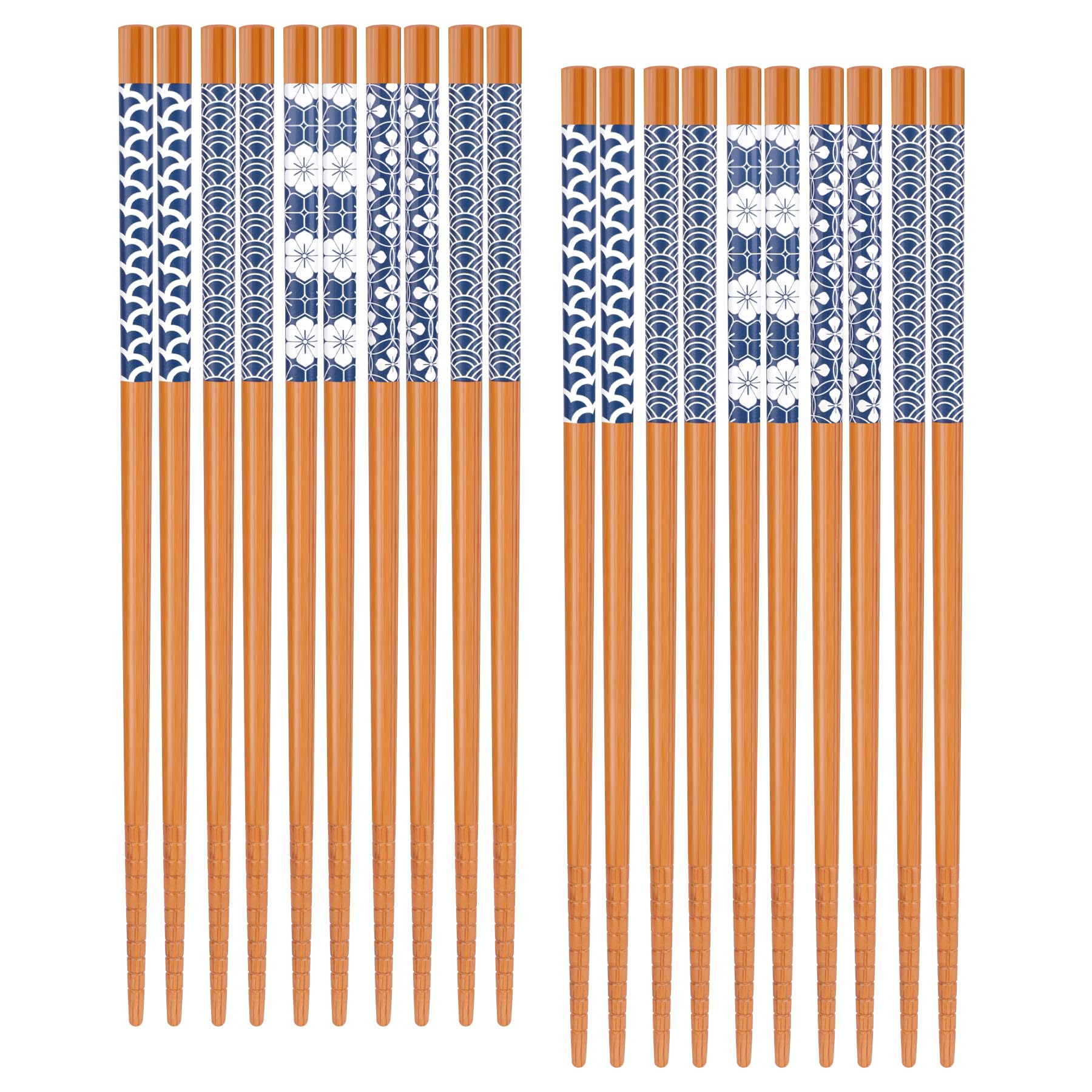
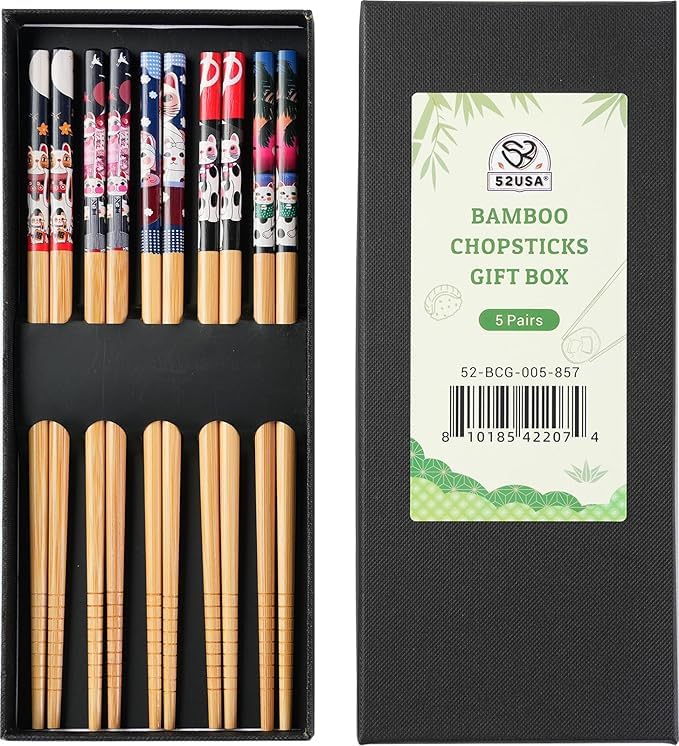

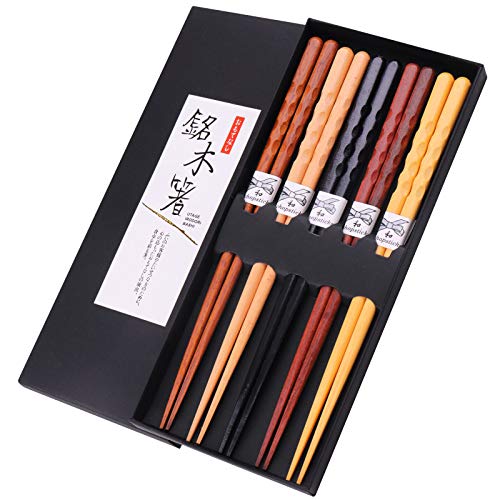

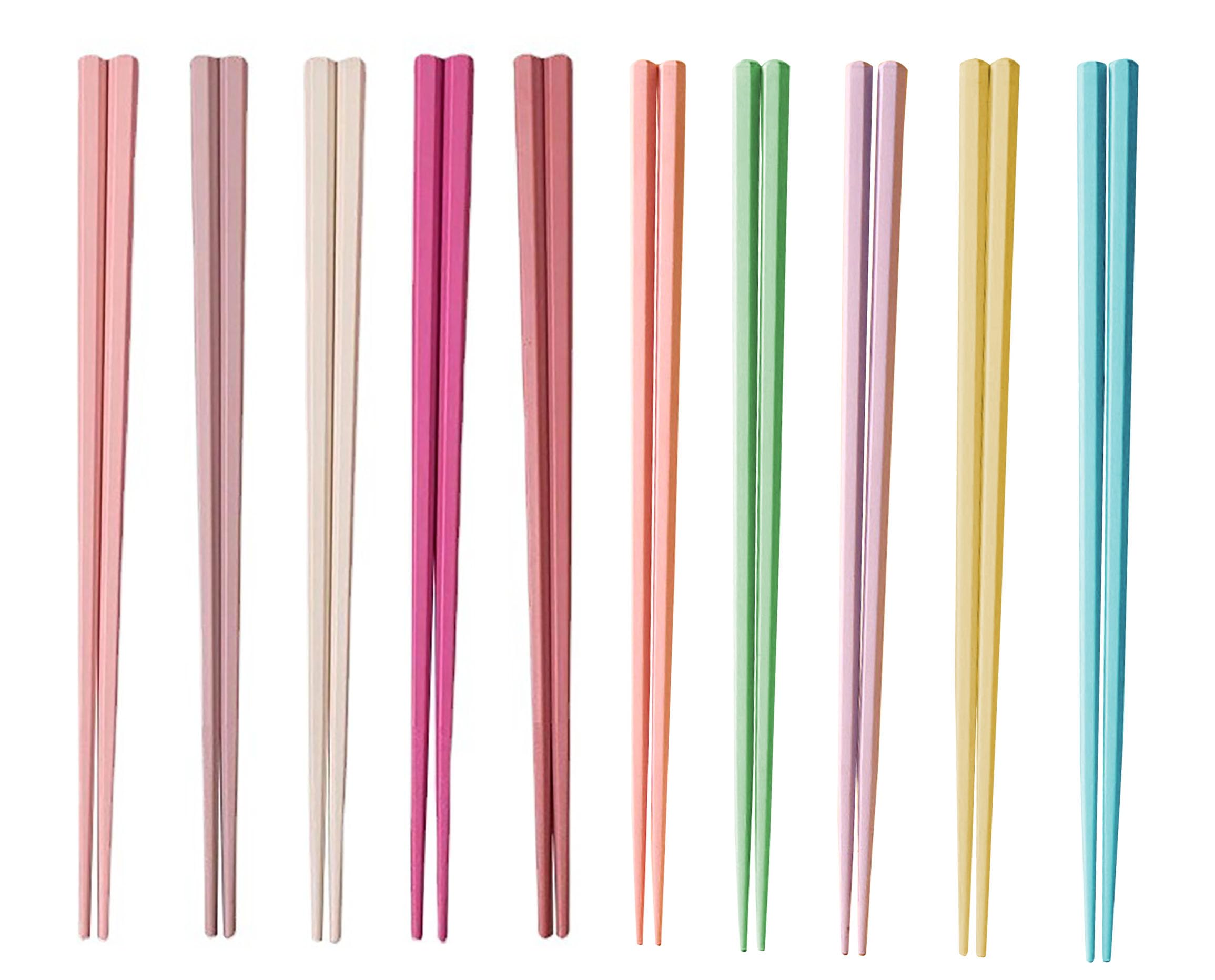


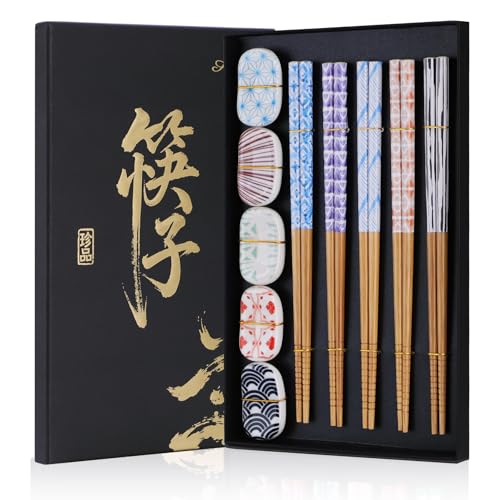
Best Chopsticks for Ramen 101: The Basics
Chopsticks are two tapered sticks held in one hand and used as pincers. The lower stick rests in the crook of your thumb and stays mostly still, while the upper stick moves between your index and middle fingers to open and close the tips. Once that basic motion clicks, control comes from the tips, so tip shape and texture matter more than decoration.
A few terms will help you shop. Length is measured in inches or centimeters, and ramen pairs usually run longer than table pairs because the bowls are deep. Grip refers to grooves, ridges, or a matte finish near the tips that hold noodles. Taper describes how thin the ends get: fine tips pick up small items, while blunter tips feel sturdier and are kinder to delicate noodles. If you want a broader grounding before you buy, our overview of the best material for chopsticks compares the main materials side by side.
Key Specs Explained in Plain English
Product listings throw around steel grades, temperature ratings, and finish names. None of it is complicated once each term is translated into what it means at the table. The six sections below cover the specs that actually change how a pair feels and lasts, with a simple target to choose for each one.
Features That Matter for Ramen
Ramen puts chopsticks to work in ways a plate of sushi does not. The broth is hot and oily, the noodles are long and slippery, and toppings like soft eggs need a gentle touch. Look for textured tips, since tiny grooves or a spiral pattern hold noodles far better than polished ends. Length of about 9 to 11 inches keeps your fingers above the steam and reaches the bottom of deep bowls.
Heat resistance matters because your tips sit in near boiling broth. A balanced weight helps too: very light pairs feel twitchy, while very heavy pairs tire your hand during a long bowl. If you stir noodles in the pot while cooking, choose a longer cooking style pair and keep your eating pair at the table.
Material and Food Safety
Stainless steel in 18/8 grade is a strong default. The numbers describe chromium and nickel content, and the result is a surface that resists rust and does not absorb odors. Food grade silicone appears on tips and on fully coated pairs; it grips well and is gentle, but check its heat rating before using it in a wok. Wood and bamboo feel warm and light, and they grip noodles naturally, though they need gentler washing.
Plastic pairs vary the most. Choose BPA free plastic with a stated heat rating, and avoid thin giveaway pairs that soften in hot broth. Melamine is common and sturdy but is not meant for cooking heat. When a listing hides its material details, treat that as a reason to keep looking rather than a detail to forgive.
Comfort and Ergonomics
Comfort starts with cross section shape. Round pairs roll between your fingers until you learn control, square pairs stay put, and hexagonal pairs give your fingers flat surfaces to rest on, which many beginners find easiest. The butt end should feel smooth against your hand, with no sharp molding seams.
Weight and balance matter over a full meal. A pair that is tip heavy feels precise but tiring, while even balance feels calm. If you can, mimic the holding motion before buying a second set for the household, because hand size changes what feels right. Textured thumb rests and slightly wider tops help smaller hands keep the upper stick steady without squeezing hard.
Heat Resistance and Cookware Safety
Every material has a heat ceiling. Stainless steel shrugs off boiling broth and brief contact with a hot pan. Silicone is typically rated to around 400 to 450 degrees Fahrenheit, which covers simmering and most serving tasks. Wood and bamboo handle serving heat well but can dry out or crack if left soaking in hot water or used to stir a screaming hot wok for long stretches.
Cookware safety is about surfaces. Metal tips can scratch nonstick coatings if you stir or scrape, so use wooden or silicone tipped pairs in coated pans. At the table this matters less, but the same pair often migrates to the stove, so choose with both jobs in mind if you cook and eat with one set.
Ease of Cleaning: Are They Dishwasher Safe?
Stainless steel and most silicone pairs go straight into the dishwasher and come out spotless, which is a real advantage for weeknight ramen. Wooden and bamboo pairs prefer hand washing and quick drying; long dishwasher cycles with high heat can split the grain over time. Lacquered pairs also last longer when washed by hand.
Check the grooves. Deep grip grooves near the tips can trap starch and oil, so a pair that needs a brush after every bowl is a pair you will stop reaching for. Smooth shafts with shallow texture clean fastest. If easy cleanup is your top priority, our guide to the best reusable chopsticks focuses on pairs built for daily washing.
Size, Capacity, and What Is Included
Sets range from a single pair to bundles of five or ten pairs, sometimes with rests, a storage case, or a fabric wrap. Count your household and your habits. A set of five pairs in one material suits most homes, while mixed material bundles let each person keep a favorite. Rests are worth having because they keep tips off the table and broth off your placemat.
Check the storage footprint too. Standard pairs fit any utensil drawer, but extra long cooking pairs may need a deeper drawer or a countertop crock. If you plan to carry a pair for lunches, a case keeps tips clean in a bag and stops the pair from snagging fabric.
Rookie Mistakes to Avoid
- Buying the shortest pair on sale. Short pairs suit small side dishes, not deep ramen bowls. Your fingers end up hovering over steam, and noodles slip because the tips barely reach.
- Choosing polished metal tips for noodles. Mirror smooth steel looks sleek but lets noodles slide off. Textured or matte tips grip far better in oily broth.
- Ignoring the heat rating on plastic. Cheap plastic can warp or soften in hot soup. Check the stated limit and pick BPA free options with a rating above serving temperatures.
- Putting wooden pairs in the dishwasher. High heat and long soaking split and rough up wood. A quick hand wash keeps them smooth for years.
- Skipping a rest. Tips set directly on the table pick up whatever is there and drip broth. A simple rest solves both problems for very little money.
Getting Started: Setup and First Use
When your set arrives, wash every pair in warm soapy water before the first bowl, even if the packaging says they are ready to use. Dry wooden and bamboo pairs right away and rub in a drop of food safe oil once a month to stop the surface from drying and cracking. For steel, check the tips under good light for any rough edge left from manufacturing; a rough tip will fray noodles and feel scratchy.
Practice with something forgiving before your first full bowl. Pick up peanuts, marshmallows, or dry noodles from a plate for two minutes, focusing on moving only the upper stick. Then move to noodles in broth and use a spoon in your other hand at first if you like. Good form comes quickly once the resting position of the lower stick feels natural.
Frequently Asked Questions
What features matter most in chopsticks for ramen?
Textured tips, enough length for deep bowls, and a material that tolerates hot broth matter most. Grooved or matte tips hold slippery noodles, about 9 to 11 inches of length keeps fingers clear of steam, and steel, bamboo, or rated silicone handles the heat. One extra point: a slightly wider top end steadies the upper stick, which helps new users more than any decorative finish.
Is a full set better than buying single pairs?
A full set is better for most households because it costs less per pair and keeps a consistent feel at the table. Sets also include spares for guests and for the pair that inevitably hides in a lunch bag. Buy single pairs instead when you want one premium pair for yourself, or when household members strongly prefer different materials or lengths.
What material is safest for food?
Stainless steel in 18/8 grade and food grade silicone are the easiest to call safe, since both are nonporous and stable at serving temperatures. Wood and bamboo are also long trusted options when they are finished with food safe oils and washed gently. Avoid mystery plastics with no stated composition, and retire any pair whose surface cracks, peels, or holds odors after washing.
How long do chopsticks last?
Steel pairs can last for many years, often a decade, with nothing more than normal washing. Bamboo and wooden pairs typically serve well for one to three years of frequent use before the tips soften or splinter. Silicone tipped pairs fall in between. Replace any pair that develops cracks, a sticky surface, or a lingering smell, because worn surfaces are harder to clean well.
Are chopsticks for ramen dishwasher safe?
Most stainless steel and silicone pairs are dishwasher safe and handle daily cycles without trouble. Wooden, bamboo, and lacquered pairs are the exceptions and should be hand washed. A practical shortcut: place steel pairs tip down in the utensil basket so the grooves get full water contact, and keep wooden pairs out of the heated dry cycle if you do run them occasionally.
The Bottom Line
Start with textured tips, a length that suits deep bowls, and a material that matches how you wash up. Steel wins on durability and easy care, bamboo wins on light grip and warmth, and silicone tips win on gentle handling. Check the product table above, choose the best chopsticks for ramen for your routine, and if you want to compare higher end craftsmanship next, our guide to the best quality chopsticks is a good follow up read.


