
Best China Laptops: The Buyer Checklist We Use for 2026
Disclosure: We may earn a commission when you buy through links on this page, at no extra cost to you. As an Amazon Associate I earn from qualifying purchases. Learn more

Use this checklist for the best china laptops to compare processors, battery life, displays, build quality, ports, warranty, and value before you buy.
Chinese brands now sell everything from thin travel machines to powerful creator laptops, and the spec sheets can look identical at a glance. This guide gives you one clear checklist for judging best china laptops on performance, battery life, build quality, and long term value. You will learn what a good number looks like for each part, and what should make you walk away.
Work through the criteria in order, then compare your shortlist with the comparison table below. That order matters, because a bright screen cannot rescue a slow processor, and a low price cannot fix a weak warranty.
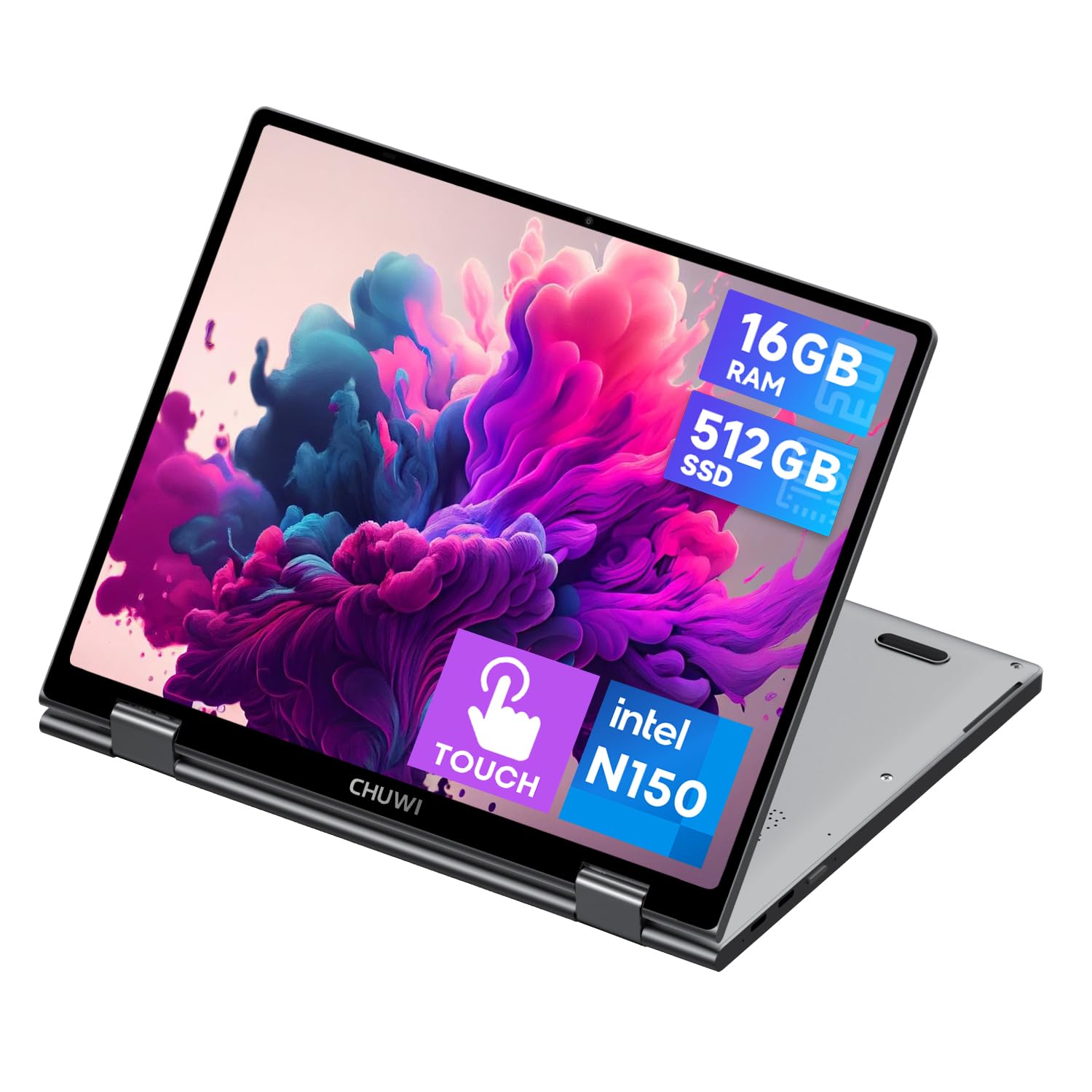

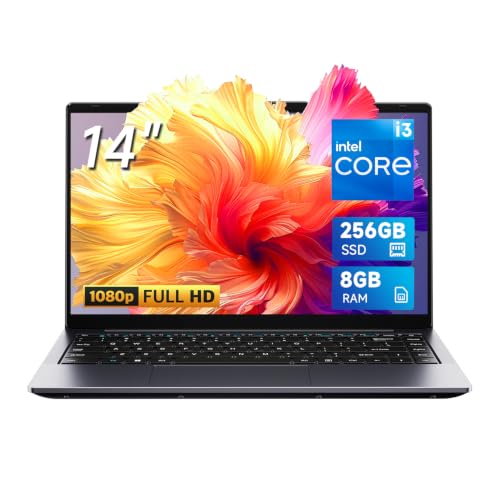
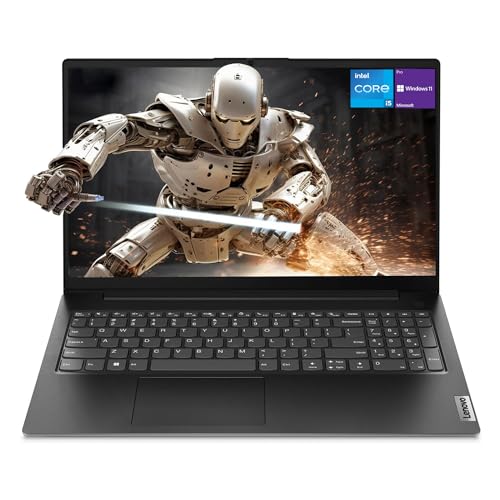


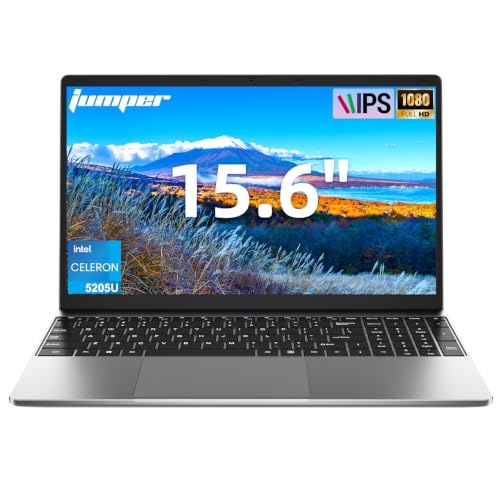

How to Evaluate China Laptops
Think of this section as a scorecard you can reuse for any model. A strong machine does not need to win every category, but it should clear the minimum line in the areas you use daily. Note your scores as you read listings, and patterns will appear quickly. If a seller hides a key spec, treat that gap as a low score rather than a neutral one.
Processor and Performance Tier
Start with the processor, because it sets the ceiling for everything else. Current midrange chips from the major processor families handle office work, browsing with many tabs, and video calls with ease. Step up a tier if you edit photos, compile code, or keep large spreadsheets open all day. Pair the chip with at least 16 GB of RAM and a fast SSD, and avoid older processors sold with vague names and no generation listed.
Battery Life in Real World Use
Advertised battery figures usually come from light video playback at low brightness, so expect less in daily work. A good target is eight to ten hours of mixed use, or a rating well above that if you work away from outlets. Fast charging over USB C is a real plus, since one small charger can then serve your laptop and phone. Check the battery size in watt hours too, because a larger cell usually outlasts clever software.
Keyboard, Trackpad, and Build
You touch the keyboard and trackpad more than any other part, so small flaws grow tiring fast. Look for firm keys with clear travel, a trackpad that tracks smoothly without wobble, and a chassis that does not flex when you type. Aluminum shells tend to feel sturdier than thin plastic and resist wear around the palm rests. If you type in dim rooms, backlit keys are worth a small premium.
Graphics (Integrated vs Dedicated GPU)
Integrated graphics now handle streaming, light photo editing, and casual games without trouble. Choose a dedicated graphics card only if you play demanding games, edit high resolution video, or run 3D design tools, since it adds cost, weight, and heat. More graphics memory helps with large projects, but a modest card paired with good cooling often beats a stronger card in a cramped body. Match the graphics tier to your software, not to a headline.
Ports and Connectivity
Count the ports you actually use before you buy. Two USB C ports, at least one full size USB port, HDMI, and a headphone jack cover most desks without a dock. Thunderbolt support on USB C adds fast drives and single cable docking, which matters for a permanent desk setup. For wireless, WiFi 6E or WiFi 7 and recent Bluetooth keep speeds high and connections stable. Shoppers comparing slimmer designs may also want to see our guide to the best notebook laptops for portability tradeoffs.
Display Size, Resolution, and Brightness
A 14 inch screen suits most people, balancing space and portability, while 13 inch models travel lighter and 16 inch models suit desk work. Aim for at least 400 nits of brightness so the screen stays readable near windows, and choose a resolution sharp enough that text looks smooth at your viewing distance. A 90 Hz or 120 Hz refresh rate makes scrolling feel fluid, and OLED panels give deeper contrast for media work.
Operating System (Windows, macOS, ChromeOS, Android, iPadOS)
Most laptops in this category run Windows, which offers the widest software choice and easy file sharing with office systems. Confirm that the installed copy is a full, licensed, English language edition with updates enabled, not a limited mode that restricts apps. Check which region the warranty covers and where service is handled. A familiar system with local support will save you more time than a small saving on an imported configuration.
Price Tier Guidance That Fits the Checklist
Models change quickly, so use these three profiles to judge whatever appears in the product table above. Match the profile to your workload first, then check that the specific listing clears the scorecard.
The Balanced Profile
The balanced profile, usually around $700 to $1,100, pairs a current midrange processor with 16 GB of RAM, a 512 GB SSD, and a bright 14 inch display. It should add an aluminum body, backlit keyboard, and at least eight hours of real battery life. This is the sweet spot for most workers and students. Pay for this tier when you keep a laptop three to five years and want no weak area.
The Value Profile
The value profile, often about $400 to $650, keeps the essentials and trims the extras. Expect a capable processor, 16 GB of RAM if you shop carefully, a 512 GB SSD, and a decent screen, but a plastic body and fewer ports. It suits school, home office, and travel backup roles well. Timing helps at this level, so read our notes on the best time to purchase laptops before you commit.
The Heavy Use Profile
The heavy use profile, roughly $1,100 to $1,800, adds a stronger processor, 32 GB of RAM, a 1 TB SSD, and often a dedicated graphics card. Cooling matters most here, so look for dual fans and honest reviews of noise under load. Battery life will be shorter, and weight will climb toward four pounds or more. Choose this tier for video editing, engineering tools, or serious gaming rather than everyday office work.
Quick Buyer Checklist
Run through these questions for every candidate. A yes answer means the listing clears that point, and two or more no answers mean you should keep looking.
- Is the exact processor model and generation named in the listing?
- Does it have at least 16 GB of RAM and a 512 GB SSD?
- Is screen brightness listed at 400 nits or higher?
- Does it charge over USB C and include the charger in the box?
- Is the warranty at least one year, with service available in your country?
- Are the keyboard layout and system language right for you?
- Can you return it within a clear window if it disappoints?
Students weighing campus needs can narrow this list further with our guide to the best laptops for college, which applies the same logic to dorm and lecture use.
Red Flags to Watch For
Vague spec sheets are the biggest warning sign. If a listing says only fast processor or large memory without numbers, assume the weakest version ships. Be wary of storage described as SSD speed when the drive is actually slow embedded storage, and of RAM that cannot be confirmed in system settings. Extremely short warranties, no clear returns address, and reviews that repeat the same phrases also signal risk. Finally, check safety markings and charger certification, since an uncertified power brick is a false economy.
Price alone is not a red flag, and many sensible machines sit in the middle range. Our guide to the best reasonable laptops shows how balanced pricing usually looks when the core specs are honest.
Tips to Get the Most From Your China Laptop
Update the operating system and firmware during your first setup session, then set a monthly reminder to check again. Avoid leaving the battery at full charge for weeks on a desk, since a charge limit setting near 80 percent can slow battery wear. Carry the machine in a padded sleeve, keep vents clear of bedding and dust, and back up your files before any major update. Small habits like these protect both performance and resale value.
If your budget is tight, our guide to the best economical laptops explains where savings are safe and where they cost you later.
China Laptops: Your Questions Answered
How long should a china laptop last?
A well built model should last four to six years of daily use. Longevity depends more on RAM, storage headroom, and battery health than on the brand badge. Choose 16 GB of RAM and a replaceable SSD today, replace the battery when runtime drops sharply, and the machine will usually outlast cheaper builds with sealed, minimal parts.
Is a Chromebook enough for school?
A Chromebook is enough when all schoolwork runs in a browser and the school confirms compatibility. It falls short when a course needs installed Windows software, offline apps, or specific exam tools. Check the course software list before buying, and remember that most laptops in this guide run Windows, which covers both browser and installed programs without that gamble.
Is a dedicated GPU worth it?
A dedicated graphics card is worth it only if your games or creative software can use it. For documents, browsing, and streaming it adds cost and heat while sitting idle. Put that money toward a brighter screen or more storage instead. If you do need one, also budget for a larger power adapter and expect shorter battery life away from the wall.
How much RAM do I need?
Most buyers need 16 GB of RAM. That amount keeps many tabs, office apps, and video calls running smoothly at once. Choose 32 GB for video editing, virtual machines, or large data work. Avoid 8 GB on a machine you plan to keep for years, because modern apps and system updates steadily use more memory over time.
Should I buy a laptop or a tablet?
Buy a laptop if you type often, manage files, or run full desktop software. Buy a tablet if you mostly read, watch, and take handwritten notes. A laptop also gives you a real keyboard, more ports, and easier repairs. Tablets win on weight and instant wake, so the deciding question is how much of your day involves long documents and multitasking.
Our Verdict
Judge every candidate by the same three things first: a current processor with 16 GB of RAM, a bright screen you can read anywhere, and a warranty you can actually use. Then let ports, weight, and price break the tie. Compare your finalists in the product table above, and the best china laptops for your workload will be the ones that clear the checklist without a single vague spec.


