
Best and Reasonable Laptops: Everything to Know Before Your First Purchase for 2026
Disclosure: We may earn a commission when you buy through links on this page, at no extra cost to you. As an Amazon Associate I earn from qualifying purchases. Learn more

Learn how to choose the best and reasonable laptops with this first time buyer guide to processors, displays, battery life, RAM, ports, and value.
Buying your first laptop can feel confusing because every listing leads with numbers and names you may never have used before. This guide slows that process down and explains the choices in plain language, starting with the basics and ending with a simple way to narrow your options.
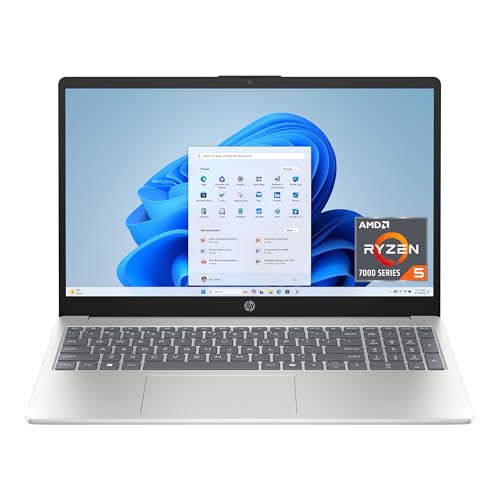
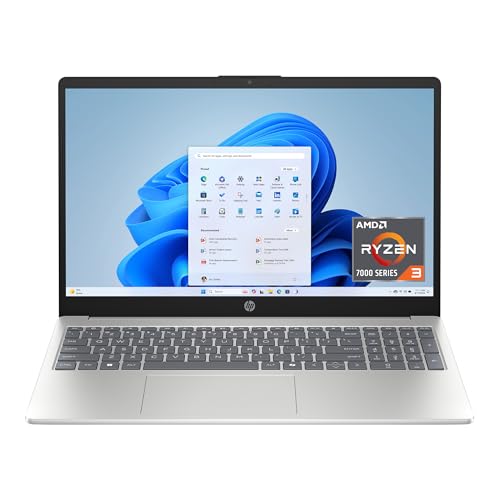
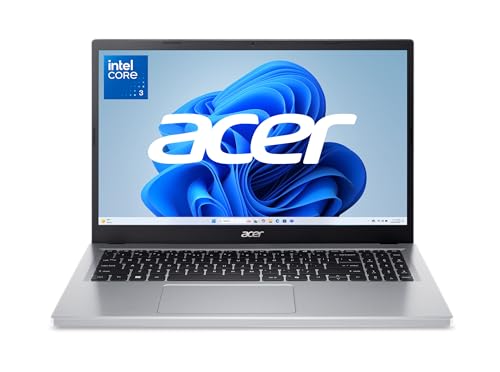
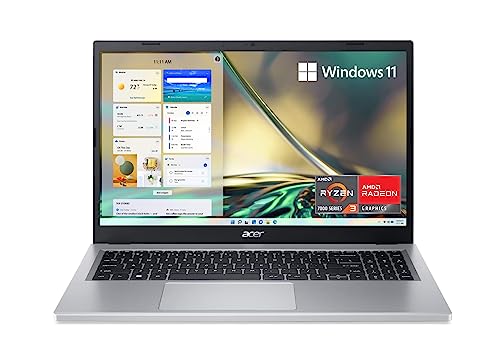
If you are shopping for best and reasonable laptops, reasonable does not have to mean weak or cheaply made. It means you pay for the performance, screen, and battery life you will actually use, and you skip costly extras that do not match your daily routine. Use the comparison table below to see how models differ once you know which specs matter most to you.




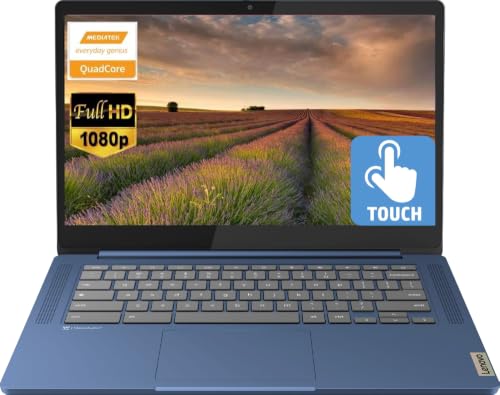
Best and Reasonable Laptops 101: The Basics
A reasonable laptop is a portable computer priced for everyday value rather than maximum power. It handles web browsing, documents, video calls, streaming, schoolwork, and light creative work without the cost of a specialist gaming or workstation machine. Most models in this group use integrated graphics, a solid state drive for storage, and a battery designed to last through a workday or a school day.
A few terms will help you read any listing. The processor is the brain that handles tasks, RAM is the short term workspace that keeps apps open, and storage is the long term space for files. The display is measured in inches across the diagonal, and weight matters more than many first time buyers expect because you feel it every time you carry the machine in a bag.
Think about your routine before you look at prices. A student who moves between classes needs light weight and long battery life, while a home worker who rarely travels can accept a larger screen and a heavier body. If portability is a daily need, our notes on the best notebook laptops can help you compare that thinner category as well.
Key Specs Explained in Plain English
Processor and Performance Tier
The processor decides how snappy the laptop feels when you open apps, join calls, and work with many browser tabs. Current mainstream chips from Intel, AMD, and Apple all handle office work, email, and streaming with ease. Step up a tier if you edit photos often, work with large spreadsheets, or keep many demanding programs open at once. For basic writing and browsing, a midrange processor paired with enough RAM usually feels faster in daily use than a stronger processor paired with too little memory.
Weight and Portability
Weight shapes how willing you are to take the laptop with you. Models under about 3 lb are easy to carry all day and suit students and commuters well. Machines between about 3 lb and 4 lb balance screen size and portability for most people. Heavier models make sense mainly when they stay on one desk or when you want a large display. Always add the charger weight in your mind, because a light laptop with a bulky power brick feels less light in a real bag.
Display Size, Resolution, and Brightness
Screen size from about 13 inches to 16 inches covers nearly every buyer in this category. Smaller screens travel better, while larger screens make split screen work and spreadsheets easier on your eyes. Look for at least full HD resolution so text stays sharp, and aim for brightness around 300 nits or more if you work near windows. A higher refresh rate makes scrolling look smoother, and OLED panels give deeper contrast, though they often cost more and can use more power at high brightness.
Battery Life in Real World Use
Advertised battery life usually comes from light tests, so your real result will be lower when you raise brightness, join video calls, or run many tabs. For a full day away from an outlet, look for ratings that suggest about 10 hours or more under light use. Fast charging through USB C is a practical bonus because a short top up during lunch can add hours of use. Battery health also lasts longer when you avoid keeping the laptop at full charge and high heat all the time.
RAM and Storage
RAM keeps your current work active, and storage holds your files for good. Treat 8 GB of RAM as the minimum for simple use, and choose 16 GB if you multitask, study, or plan to keep the laptop for several years. For storage, a solid state drive makes the machine start and load apps quickly. About 256 GB suits cloud based users, while 512 GB gives safer room for photos, offline files, and larger programs without constant cleanup.
Ports and Connectivity
Ports decide what you can plug in without buying adapters. At least one USB C port is now essential, and Thunderbolt support on some USB C ports adds faster data transfer and easy docking with one cable. An HDMI port still helps for classroom and office displays, and a standard USB port helps with older drives and accessories. For wireless, WiFi 6E or WiFi 7 gives faster and more stable connections on supported networks, and Bluetooth helps with headphones and mice.
Students weighing the same specs against a school budget may also want to read about the best reasonable laptops for students, where weight and battery life often matter more than raw power.
Rookie Mistakes to Avoid
- Paying for power you will never use. A gaming level processor and graphics chip add cost, weight, and fan noise that basic school and office work do not need.
- Choosing too little RAM to save money. A small saving now can make the laptop feel slow within a year or two, and many thin models cannot be upgraded later.
- Ignoring weight and charger size. A machine that feels fine in a store can become a burden when you carry it across campus or through an airport.
- Forgetting ports and buying adapters later. Count the devices you plug in each week and make sure the laptop covers them directly where possible.
- Buying on price alone without checking timing. Prices move often, so it helps to understand the best time to purchase laptops before you commit.
Getting Started: Setup and First Use
Start by plugging in the laptop, connecting to WiFi, and letting it finish its first round of system updates before you install your own apps. Updates can take a while on a new machine, and letting them complete first prevents odd errors later. Next, sign in, turn on backup for your important folders, and set a screen lock so the machine protects your files when you step away.
Keep the operating system and firmware updated on a regular schedule, because those updates fix security issues and improve battery and WiFi behavior. Remove trial programs you will never use, since they only add clutter and notifications. For battery care, avoid running at 100 percent charge all the time if your system offers a charge limit setting for desk use. Finally, learn where your recovery and warranty information lives before you need it.
If your laptop will serve a full degree program, the guidance on the best laptops for college adds useful points about durability and carrying comfort across a school year.
FAQs
Is a dedicated GPU worth it in a reasonable laptop?
A dedicated graphics chip is worth it only if you play demanding games or edit video and 3D work often. For documents, browsing, streaming, and light photo editing, integrated graphics handle the job while costing less and using less battery. Skipping the extra chip also tends to give you a lighter machine with quieter fans during everyday tasks.
Is a Chromebook enough for school?
A Chromebook can be enough for school when your classes rely on web apps, documents, and video calls. It may fall short if your program requires specific Windows or macOS software, offline tools, or special exam programs. Check your school software list before you buy, and ask the school directly if any required program has limits on which systems it supports.
Should I buy a laptop or a tablet?
Choose a laptop if you write long papers, multitask across windows, or need a full keyboard for hours each day. A tablet works well for reading, drawing, and media use, but adding a keyboard and dealing with file limits can erase its price advantage. For most first time buyers who need one main device for work or study, a laptop is the safer and simpler choice.
How long should a reasonable laptop last?
A reasonable laptop should last about four to six years with normal care and mainly everyday tasks. Longevity improves when you start with 16 GB of RAM, enough storage, and a battery you do not keep under constant heat. A worn battery or a full drive can make an older machine feel finished even when the processor still works fine, so basic upkeep matters.
How much RAM do I need in a reasonable laptop?
Most buyers should aim for 16 GB of RAM, which handles many tabs, video calls, and office apps at the same time without slowdowns. Eight GB can still work for very light use such as email, writing, and streaming on a tight budget. If you edit photos, use virtual machines, or keep dozens of tabs open, more memory will serve you better than a faster processor alone.
Final Thoughts
Focus on three things first: enough RAM for your habits, a screen and weight that fit your routine, and battery life that covers your longest day. Those choices shape daily satisfaction far more than small differences in processor names. When you compare value across models, our overview of the best laptops at reasonable prices can help you place each price tier in context.
The right best and reasonable laptops choice is the one that fits your budget without forcing compromises you will feel every day. Review the product table above with your short list of needs in hand, and you will be able to choose with confidence.


