
Best Chrome OS Laptops Made Simple: A Clear Buying Guide for 2026
Disclosure: We may earn a commission when you buy through links on this page, at no extra cost to you. As an Amazon Associate I earn from qualifying purchases. Learn more

Shopping for the best chrome os laptops for the first time? Learn the terms, compare options, and avoid rookie mistakes with this easy guide.
Buying your first laptop that runs Chrome OS can feel confusing because spec sheets use terms that sound technical and similar. This guide starts with the plain basics, then walks you through each choice in a calm order so you can decide with confidence.
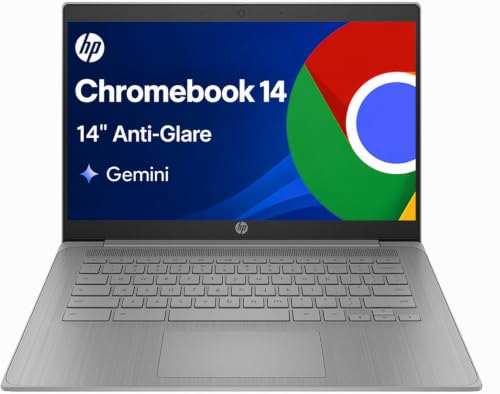
When you shop for best chrome os laptops, focus first on how you will actually use the machine each day. Use the comparison table below to see sizes, weights, and core specs side by side, then read on to learn what those numbers mean for school, work, and home use.
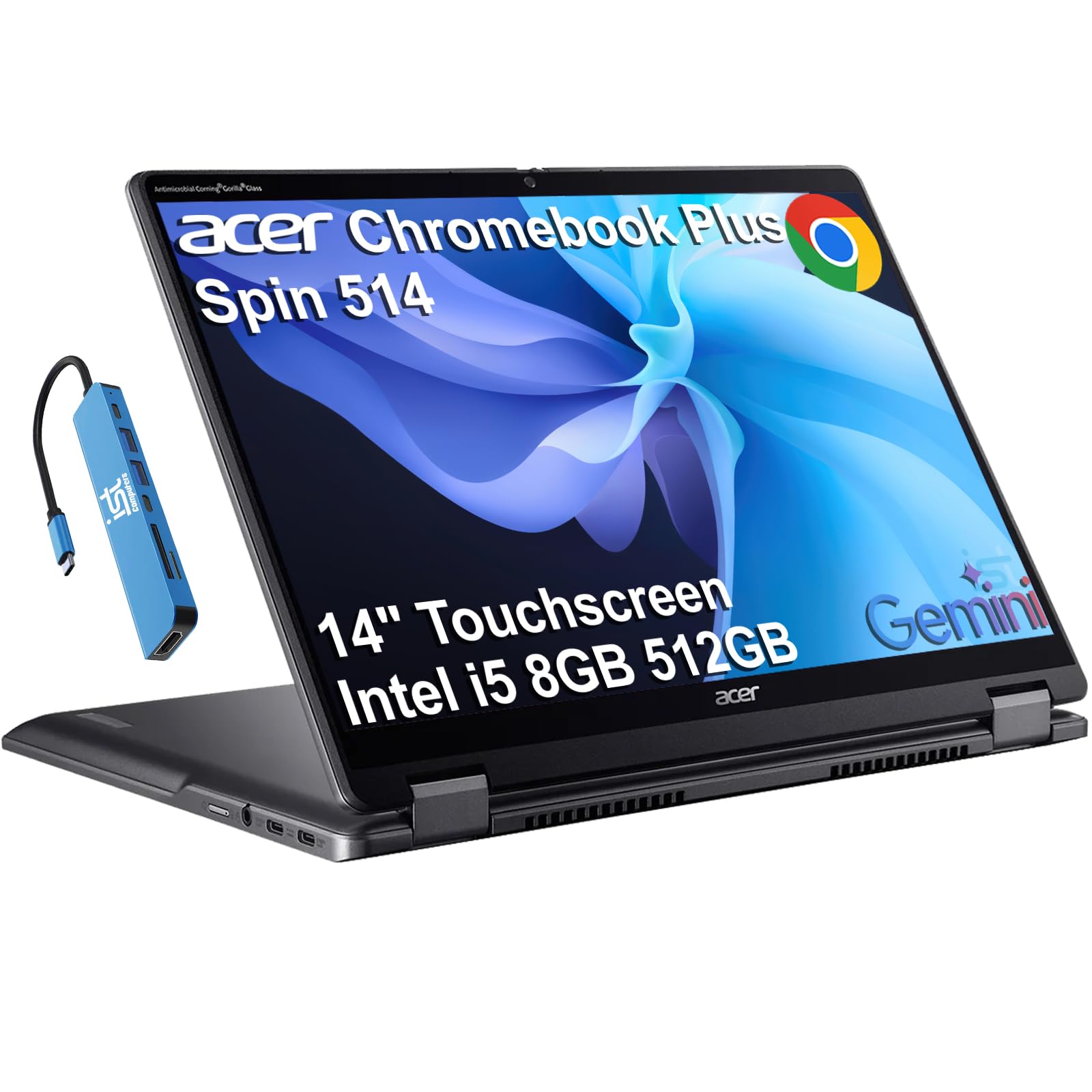


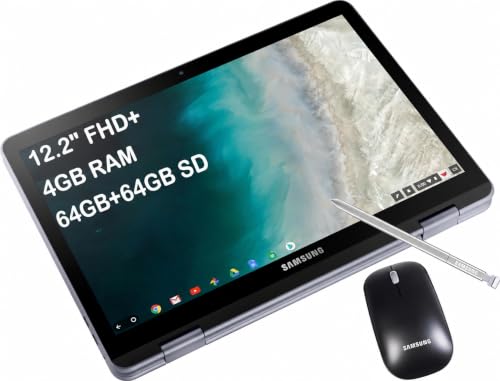


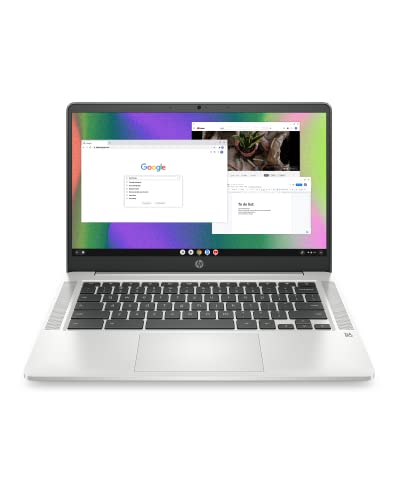
Chrome OS Laptops 101: The Basics
A Chrome OS laptop, often called a Chromebook, is built around the Chrome browser and web apps. Most of your files can live in cloud storage, while downloads and Android apps can stay on the device for use away from WiFi. Updates arrive in the background and the system restarts quickly, which makes daily upkeep simple for a new owner.
The main trade off is software. If your work lives in email, documents, spreadsheets, video calls, and browser tools, Chrome OS covers it well. If you need a specific desktop program for editing, design, or business, check that a web version or Android version exists before you buy. Readers who want a broader view can see our guide to the best os for laptops for a plain comparison of the main systems.
Size is the first physical choice. A smaller display near 11 to 13 inches travels easily and feels light in a backpack. A 14 to 15 inch screen gives you more room for split screen work and is often kinder on your eyes during long study or office sessions. If you mainly need a slim travel companion, you may also want to see our guide to the best notebook laptops to understand how thin Windows models differ.
Key Specs Explained in Plain English
Processor and Performance Tier
The processor is the engine that opens apps, loads pages, and keeps video calls smooth. Entry level chips handle browsing, writing, and streaming with ease, especially with only a few tabs open. Mid tier chips feel faster when you juggle many tabs, large spreadsheets, and calls at once. For most first time buyers, a mid tier processor offers the best balance of speed, battery life, and price. Very powerful chips matter less on Chrome OS than on heavy desktop software, so do not pay extra for power you will never use.
Weight and Portability
Weight shapes how often you will actually carry the laptop. A model under 3 lb feels easy for students moving between classes and for commuters on trains or buses. Models above that weight are fine if the laptop mostly stays on one desk. Also check thickness and charger size, because a bulky power brick adds travel weight. A practical check is to picture your daily bag fully packed, then ask whether you would still bring the laptop on a busy day without thinking twice about it.
Graphics (Integrated vs Dedicated GPU)
Almost all Chrome OS laptops use integrated graphics, which means the graphics power is built into the processor. That is enough for streaming, casual games, photo viewing, and light photo editing in web tools. A dedicated graphics card is rare on this platform and is not needed for normal school or office work. If your main goal is serious gaming or heavy video editing, a different platform will suit you better, and you can see our guide to the best windows os laptops for that kind of use. For Chrome OS, spend your budget on the screen and memory instead.
Ports and Connectivity
Ports decide what you can plug in without extra adapters. Look for at least two USB C ports so you can charge from either side on some models and still connect a drive or monitor. One USB A port helps with older flash drives and mice, and an HDMI port or USB C display support helps with a TV or desk monitor. For wireless, WiFi 6 or newer gives stronger connections in crowded homes and schools. Bluetooth support matters for wireless headphones, mice, and keyboards you may add later.
Keyboard, Trackpad, and Build
You will touch the keyboard and trackpad more than any other part, so comfort counts. Keys should feel firm with enough travel that typing does not tire your fingers, and the layout should place common keys where you expect them. A large, smooth trackpad makes scrolling and gestures easier. For build, plastic keeps cost and weight down, while aluminum feels sturdier and cooler to the touch. If students or kids will use it, a spill resistant keyboard and strong hinges add real value for daily bumps.
RAM and Storage
RAM is short term memory that keeps open tabs and apps running smoothly. Choose 8 GB as a sensible minimum for school and office use, and consider 16 GB if you keep many tabs open or plan to keep the laptop for many years. Storage holds downloads, photos, and Android apps. A 128 GB drive suits most people who stream and store files online, while 256 GB gives breathing room for offline work. A solid state drive keeps startup fast and has no moving parts to wear out from movement.
Rookie Mistakes to Avoid
- Buying the lowest RAM to save a little money. A small saving now can mean slow tab switching for years, and RAM cannot be upgraded on most models.
- Ignoring the update end date. Every model stops receiving Chrome OS updates at some point, so check that date and favor newer releases.
- Choosing screen size by price alone. A tiny screen can strain your eyes, while a huge one can make travel tiring.
- Forgetting your key program. Confirm your school or work tools run in a browser or as an Android app before you order.
- Skipping the return window. Buy from a seller with a clear return policy so you can try the keyboard and screen at home.
Many shoppers who start here also look at closely related models, so it can help to see our guide to the best chrome laptops once you understand the core terms above.
Getting Started: Setup and First Use
Setup is simple and takes only a few minutes. Connect to WiFi, sign in with your Google account, and let the system finish its first update before you install extra apps. Then set a screen lock, turn on automatic updates, and check that your files sync as expected. Add only the Android apps you truly need at first, because a clean start screen helps you learn where everything lives.
For battery care, avoid running at 100 percent charge all the time if the laptop stays plugged in for weeks. Use it on battery some days, keep vents clear, and store it in a padded sleeve when you travel. Keep the OS and firmware updated, since updates fix security issues and often improve battery life and WiFi stability. A useful early habit is to learn keyboard shortcuts for screenshots and split screen, which saves time every single day.
FAQs
Is a Chromebook enough for school?
Yes, a Chromebook is enough for most school work that uses browser tools, documents, and video classes. It handles research, writing, slides, and learning platforms well. The exception is a course that requires a named desktop program for science, design, or engineering. Ask your school for its software list before you buy, and also confirm that printers and exam tools at your school support Chrome OS.
Is a dedicated GPU worth it?
No, a dedicated GPU is rarely worth it on a Chrome OS laptop for normal use. Integrated graphics already handle streaming, casual games, and everyday photo tasks. The extra cost, heat, and weight would give you little benefit here. Spend that money on more RAM, a brighter screen, or a lighter build instead. Only consider a different platform with stronger graphics if gaming or pro video work is your main purpose.
How long should a chrome os laptop last?
A chrome os laptop should last about five to seven years for light daily use if you care for the battery and hinges. Software support matters as much as hardware, so check the automatic update end date listed for the exact model. A newer model with a later end date is often a smarter buy than an older discount model. Performance will feel best if you start with at least 8 GB of RAM rather than the bare minimum.
Should I buy a laptop or a tablet?
Buy a laptop if you type often, write long papers, or join classes and meetings where a stable keyboard and trackpad matter. Buy a tablet if you mostly read, watch video, and tap through apps on a couch or in transit. Some buyers like a convertible laptop that folds into tablet mode, which gives both styles in one device. Think about your longest task of the week, because comfort during that task should guide the choice more than short casual use.
How much RAM do I need?
Most buyers need 8 GB of RAM for smooth browsing, documents, and video calls on Chrome OS. Choose 16 GB if you open many tabs at once, use large web apps, or want the laptop to feel fast for longer. Avoid 4 GB unless the price is very low and your use is extremely light, such as a few tabs and email. RAM cannot be added later on most models, so this is one spec worth getting right at purchase.
Wrapping Up
Start with screen size and weight, then choose at least 8 GB of RAM and a processor tier that matches your tab habits. Check the update end date, confirm your key programs run in the browser, and use the product table above to compare the details that matter most. When those basics line up, best chrome os laptops become a simple, low upkeep choice for learning, work, and everyday home use.


