
Best Chicken Coop for 2026: Sizing, Types and Buying Guide
Disclosure: We may earn a commission when you buy through links on this page, at no extra cost to you. As an Amazon Associate I earn from qualifying purchases. Learn more

Best chicken coop for your flock: sizing per hen, coop types, materials, cleaning access and predator protection.
Choosing a coop is easy to get wrong in ways you only notice later, when hens crowd at the roost, rain soaks the bedding, or a raccoon finds a weak latch. The right best chicken coop for your yard depends on flock size, climate, predators, and how much daily work you can accept. This guide walks through sizing math, types, materials, and safety checks so you can compare options with confidence. You will find the main tradeoffs summarized in the comparison table below.
Start with space and safety, then look at convenience features. A coop that is slightly plain but roomy, dry, and secure will serve your hens better than a fancy design that is too small or hard to clean. As you read, note your bird count today and the count you may reach next spring, because buying for the larger number is almost always cheaper than replacing a coop a year later.




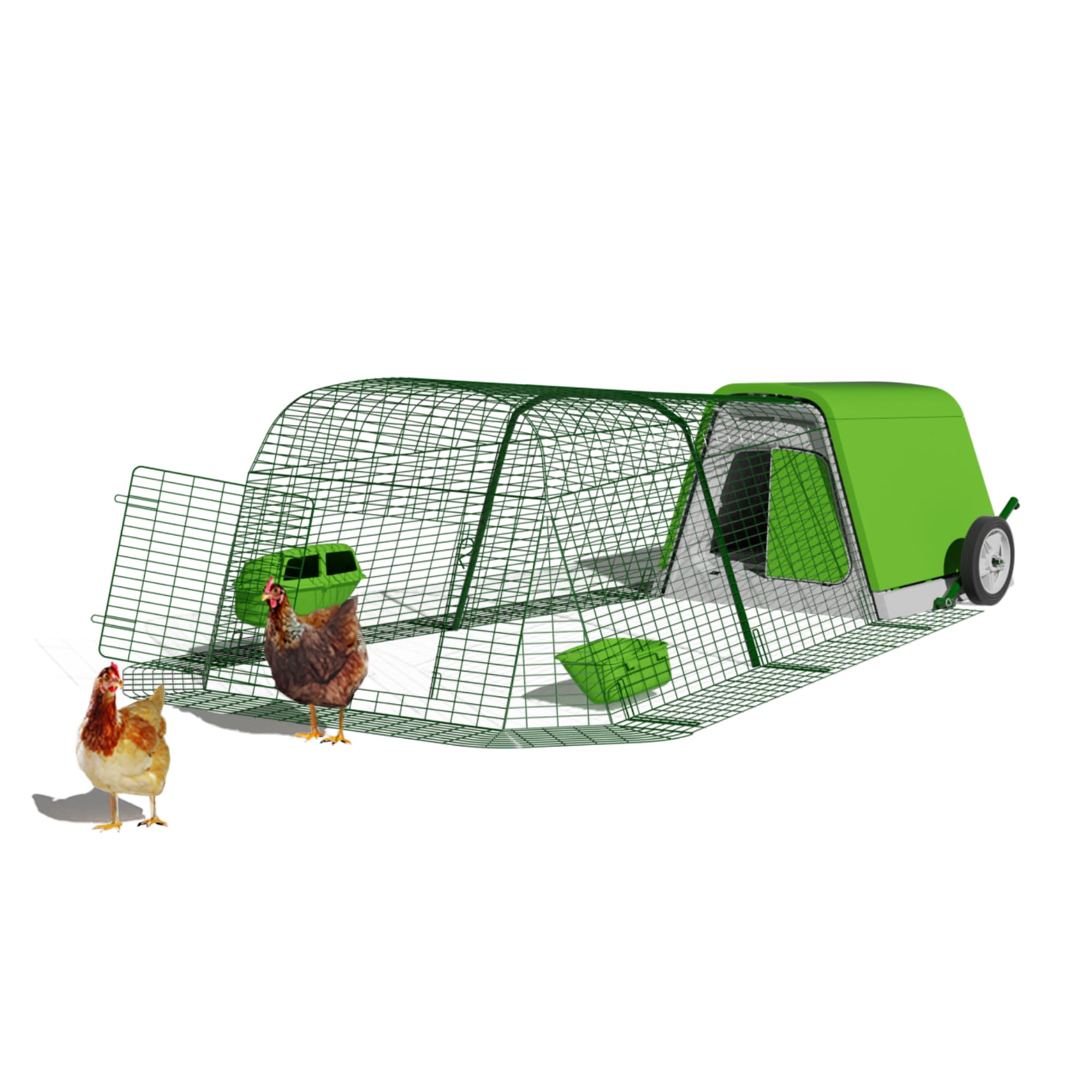
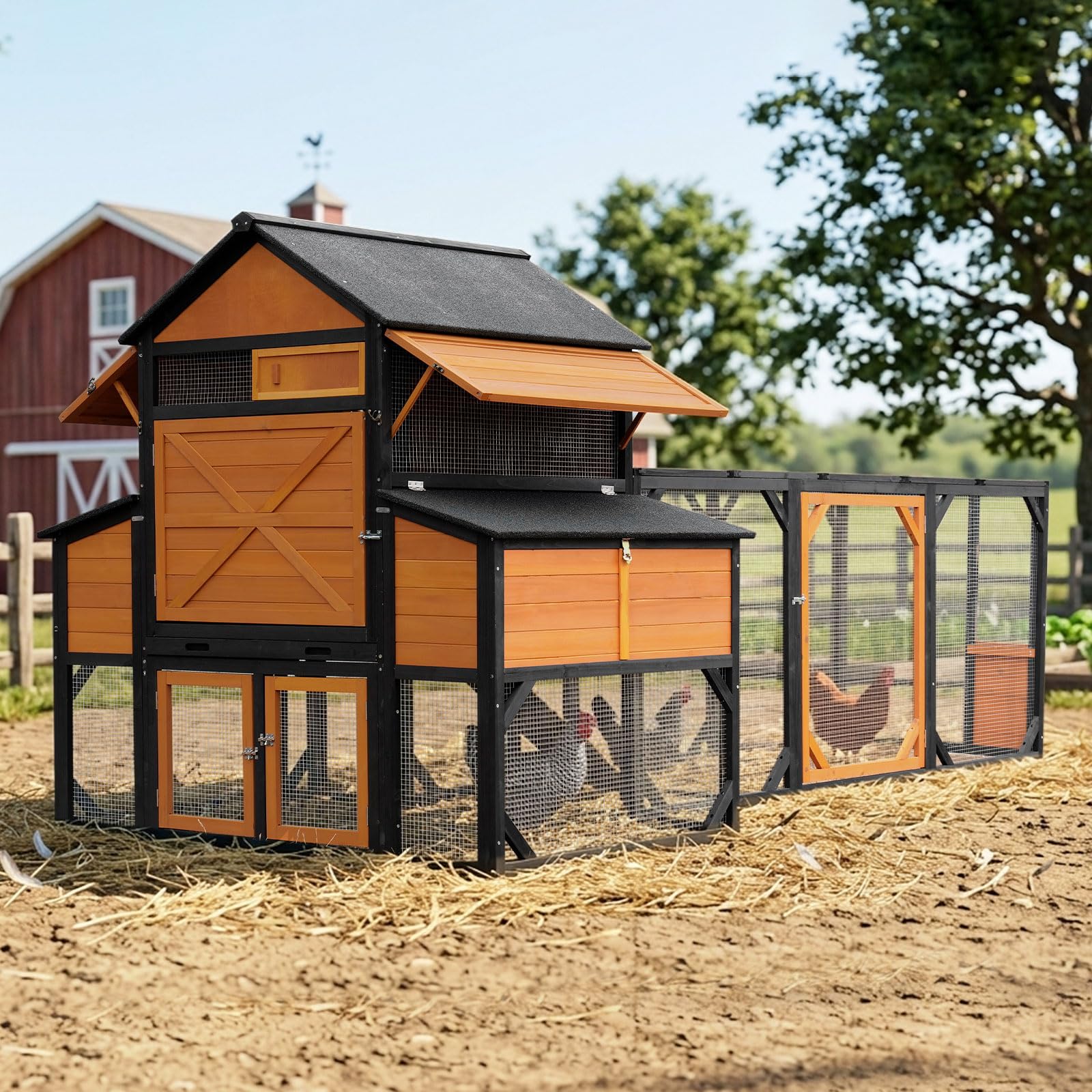
Three Buying Profiles and What to Prioritize
Most shoppers fall into one of three profiles. Matching the coop style to your profile first will narrow the field faster than comparing paint colors or roof shapes, and it keeps you from paying for features you will never use.
Small Flock Keepers With a Tight Yard
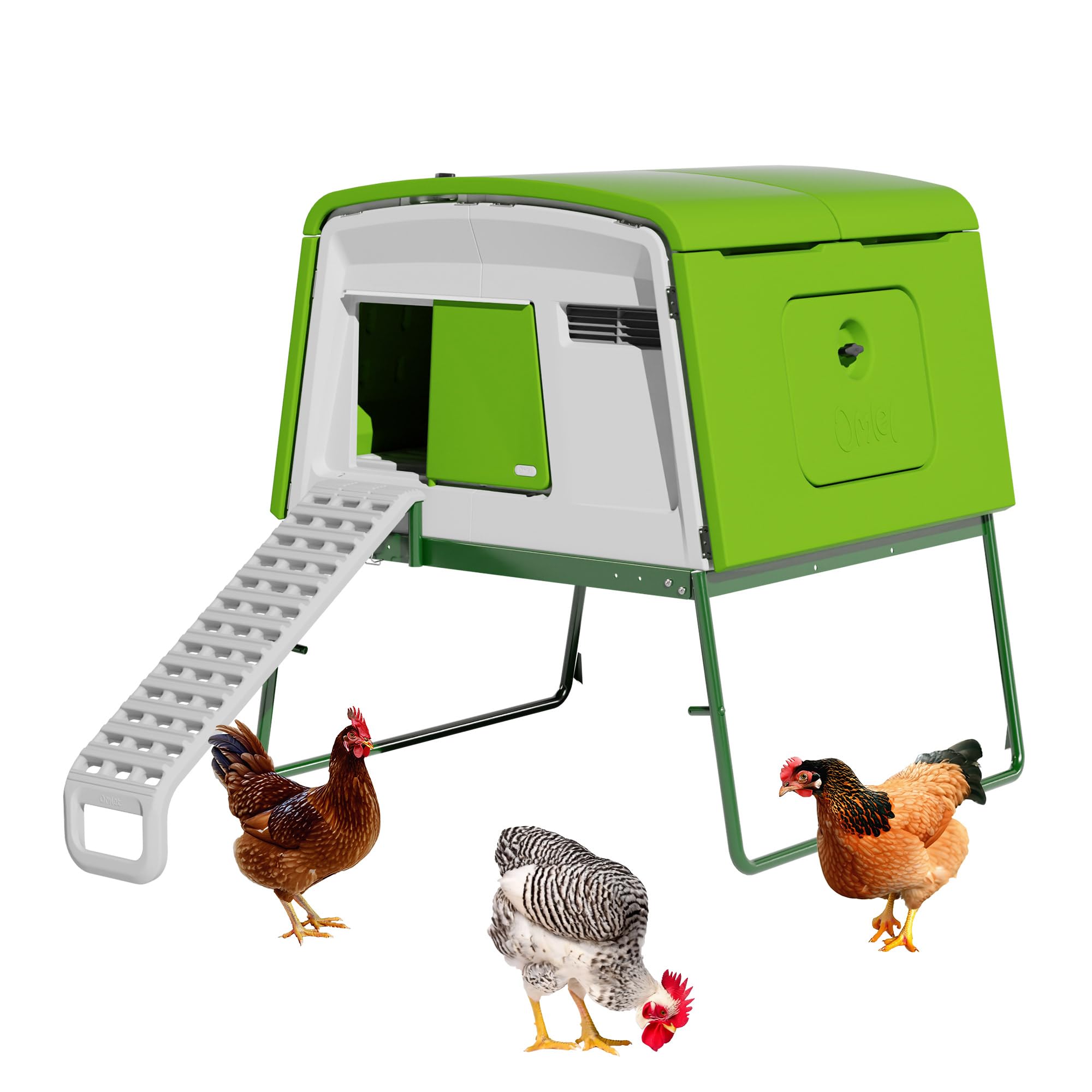
If you keep 3 to 4 hens in a suburban yard, prioritize a compact raised coop with an attached run that still meets the space minimums in the sizing section below. Raised designs keep the floor off wet ground, save lawn space, and put eggs and cleaning access at a comfortable height. Check that the run gives real ground area rather than counting the shaded space under the coop twice. Noise, odor, and distance from your house and from neighbors matter at this scale, so plan placement before you order.
Growing Flocks That Need Room to Expand
If you start with 6 hens and suspect you will reach 10, prioritize a large or walk in design with a run you can extend. You need roost space, feeder space, and ventilation that still work when the flock grows, not just floor area on paper. A walk in door also makes deep cleaning and health checks far easier once birds and equipment fill the space. Leave room on your site for a future run extension, a dust bath area, and a feed storage bin kept away from rodents.
Keepers in Harsh Weather or High Predator Areas
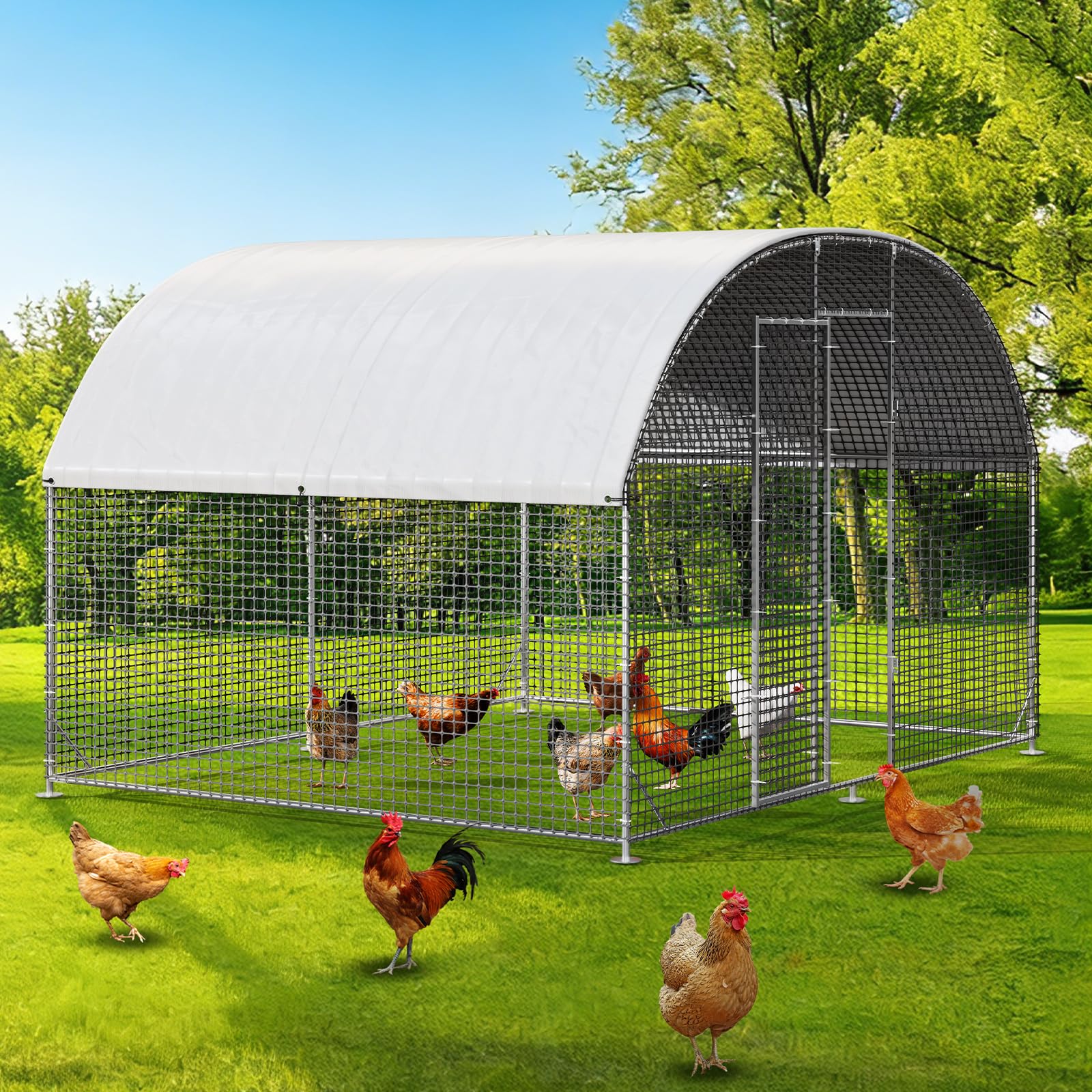
If you face heavy snow, strong wind, extreme heat, or frequent visits from raccoons, foxes, or coyotes, prioritize structure and security over looks. Look for a stout frame, a roof that sheds load, hardware cloth instead of thin chicken wire, and locks a raccoon cannot work open. Shade, airflow, and a dry run matter just as much in hot or wet climates. In this profile, spending more on gauge of mesh, roof material, and door hardware usually pays back faster than spending on decorative trim.
What Matters Most When You Compare Coops
Five criteria do most of the work in any comparison. Size and fit decide whether hens stay calm and healthy. Durability decides whether the coop lasts two winters or eight. Safety and materials decide whether predators and rot become a problem. Ease of cleaning decides whether you will actually keep up with the weekly tasks that control odor and parasites. Value ties those points to price, because a cheap coop that needs early replacement is not a saving. Judge every candidate against all five, in that order, and treat a low score on safety or size as a reason to walk away even when the price looks attractive.
Manufacturer capacity claims deserve special skepticism. Many listings rate a coop for twice the number of standard size hens it can house humanely, often by counting run space as sleeping space. Recalculate capacity yourself from interior floor area, roost length, and run area using the numbers in the next section. If a listing gives no interior dimensions, only exterior ones, assume walls, nest boxes, and feeders reduce the usable space further.
How to Choose the Right Chicken Coop
Size and Form Factor
Plan on about 3 to 4 square feet of interior floor space per standard hen, about 8 to 10 square feet per bird in the run, and about 8 to 12 inches of roost bar per bird. Bantams need a little less and large breeds need a little more. Small coops suit 3 to 4 birds, midsize designs suit 6, and large walk in models serve 10 to 20 when the run matches. Crowding raises stress, feather pecking, and disease risk, so space is a welfare need rather than a luxury.
Coop Type
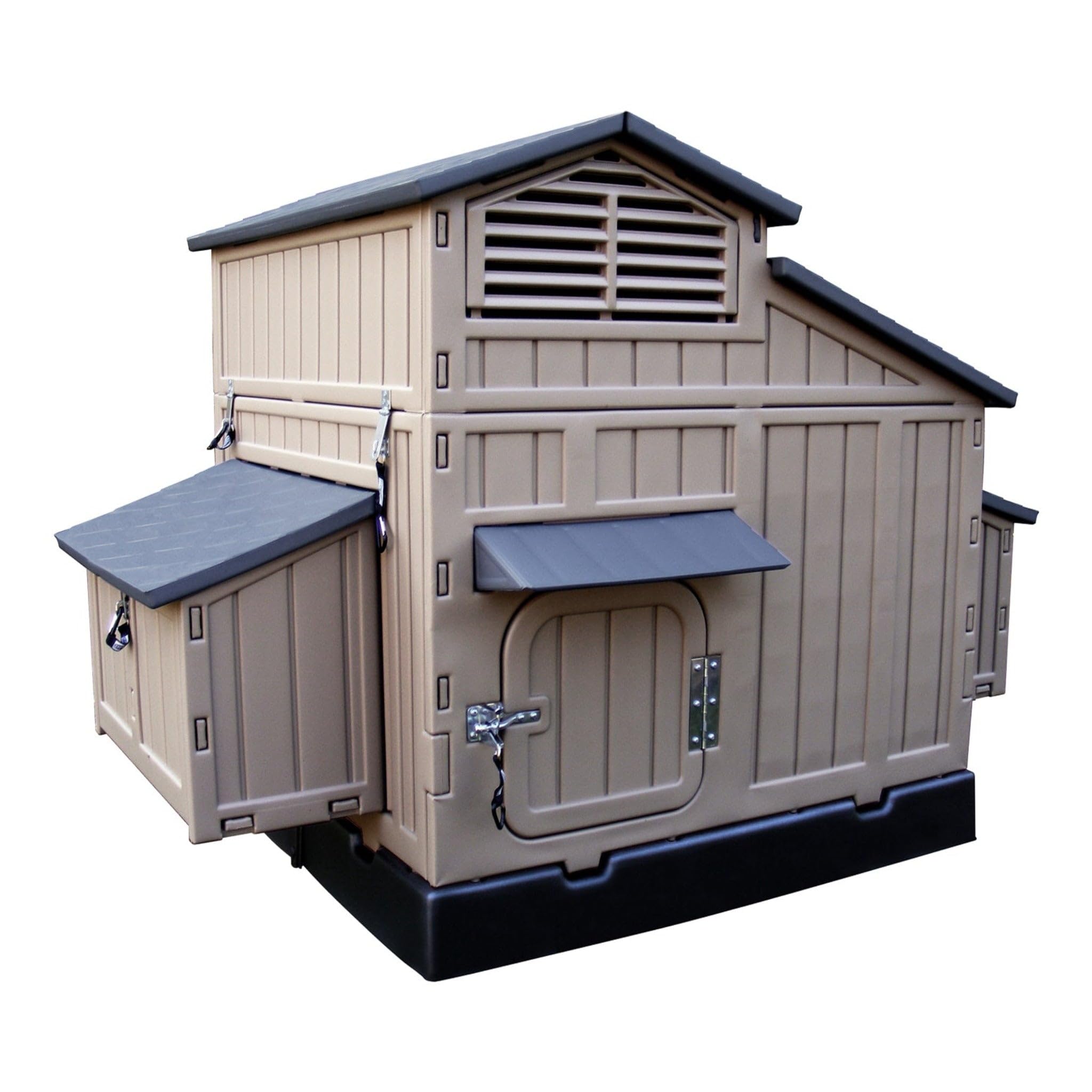
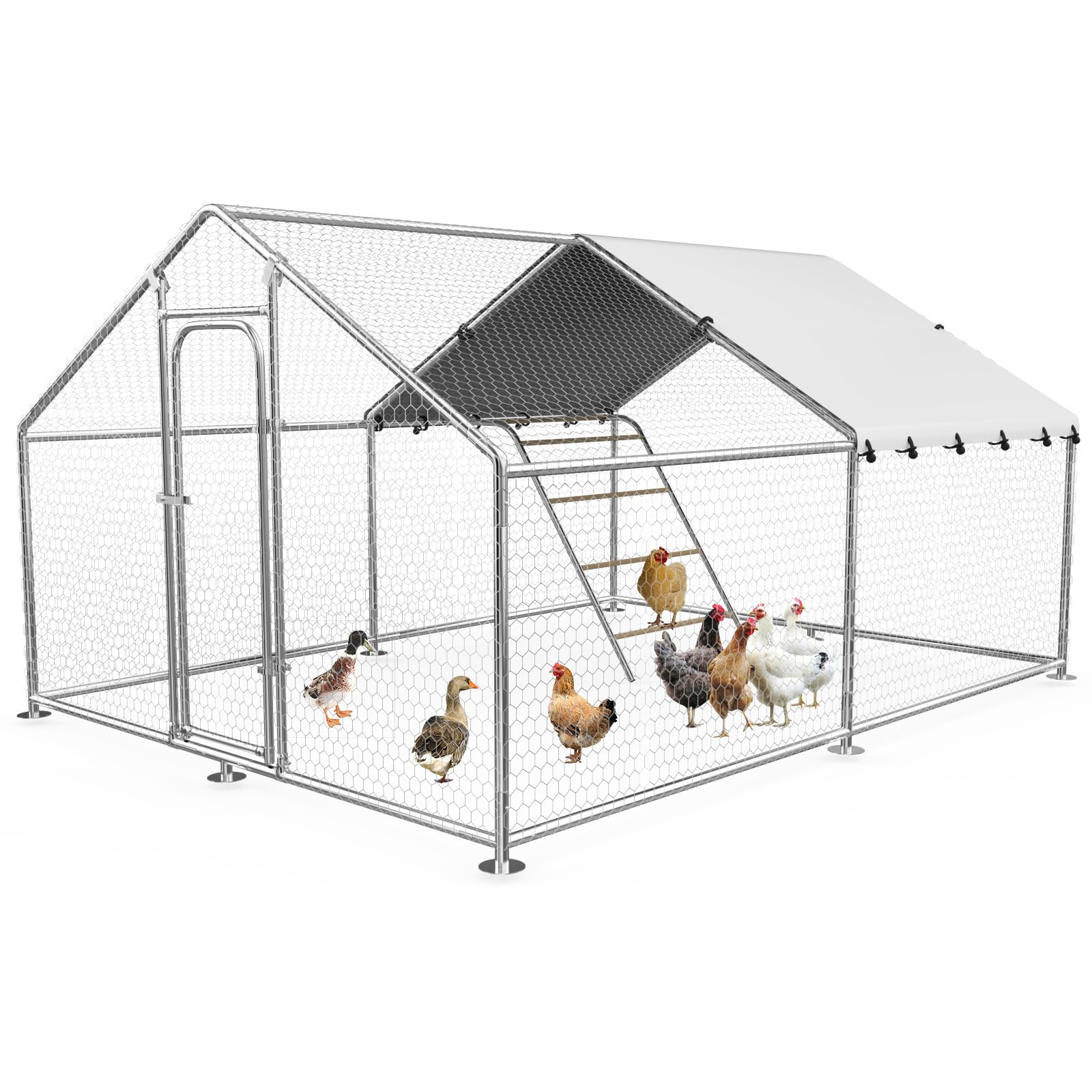
Wooden coops insulate well and are easy to repair or modify, but they need upkeep against rot and mites. Metal coops resist pests and clean up fast, though they can overheat or sweat with condensation without good ventilation and shade. Plastic coops are light, washable, and rot proof, but check panel stiffness and lock quality. Mobile tractor styles move birds onto fresh ground, prefab kits assemble quickly with basic tools, and raised designs suit wet ground and small yards. Fixed predator proof builds cost more yet suit areas where night attacks are common.
Features Worth Paying For
An attached run is the most valuable add on for most keepers, because it gives hens safe outdoor time when you cannot supervise free ranging. One nest box for every 3 to 4 hens is enough, since birds share boxes and often favor the same one. Wheels help only on mobile designs you truly plan to move often. An automatic door can pay off if your schedule keeps you out past dusk, because it closes the pop door on time each night. Spend first on space, mesh, and roof quality, then on convenience features.
Sizing for Your Flock and Yard
Measure the site before you shop, including gate width for delivery and room to walk around the coop for cleaning. Count adult birds, not chicks, and add space for the feeder, waterer, and a grit container without blocking the pop door. Hens also need a dry dust bathing spot and clear paths between food, water, and roosts so lower ranking birds are not trapped in corners. If your yard slopes, choose the higher and drier end, and confirm you can level the base without major digging.
Materials and Chew Resistance
Look for solid timber or thick panels rather than thin boards that flex and split at screw points. Roofs should shed water away from walls and bedding, with overhangs that protect vents. Rodents and dogs can chew or force weak plastic and soft wood at corners, so check edge trim and floor construction closely. Galvanized metal parts resist rust at hinges and latches. A coop floor that you can scrape, wash, and dry fully will outlast a floor with seams and pockets that trap damp litter and waste.
Cleaning and Odor Control
Daily tasks take minutes when droppings boards, removable trays, and wide doors are built in, and they become a chore you avoid when access is poor. Good airflow above roost height moves ammonia out while keeping drafts off sleeping birds. Deep litter systems can work in a dry run, while coop floors usually suit a thinner layer of bedding changed often. Our step by step guide to how to clean a chicken coop shows a simple weekly and monthly routine. Choose the design that fits the routine you will realiztically keep.
Safety and Predator Protection
Use half inch hardware cloth on vents, windows, and run walls, fixed with screws and washers rather than staples alone. Fit two step latches or add a carabiner to each door, because raccoons can lift simple slides and turn basic knobs. Bury mesh or add a mesh skirt flat on the ground around the run to stop digging predators. Cover the run top where hawks or climbing animals are a risk. Before you build or buy, check local rules on permits, setbacks, flock limits, and rooster bans, since ordinances vary widely by town and county.
How Much Should You Spend?
Expect entry level kits at about $200 to $500, where you trade panel thickness and hardware quality for price and must inspect claims carefully. The middle band at about $500 to $1000 usually brings better timber, stronger mesh, and larger runs for 4 to 8 hens. Above about $1000 to $2000 you are paying for walk in access, heavy framing, and longer service life rather than more birds per dollar. A top rated chicken coop on paper still needs your own sizing check. Set your budget after you fix your bird count, not before.
Best Chicken Coops by Need
Your main constraint should point you to the right style first. If you are new to hens and want a forgiving setup path, start with our guide to the best chicken coop for beginners, which focuses on simple assembly and easy daily care. If fresh pasture and frequent moves matter most, compare styles in the best mobile chicken coop guide, and check wheel size against your ground. If build time is your limit, the best prefab chicken coop guide covers kits that arrive ready to assemble.
Yard fit is its own question. The best chicken coop for backyard guide looks at footprint, height limits, and neighbor friendly placement in more detail. Weigh all of these needs together before you commit to a size or style. Reading one focused guide for your main need is usually enough, and it beats skimming five broad ones.
Frequently Asked Questions
What is the best chicken coop for a typical backyard flock?
The best choice for a typical flock of 4 to 6 hens is a roomy, secure coop that meets the space minimums, has an attached covered run, and opens wide for cleaning. No single style wins for every yard, because climate, predators, and your schedule change the answer. A useful extra check is the 10 year cost view. Add likely roof repairs, replacement latches, and bedding access time to the purchase price before you decide.
How long does a chicken coop last?
A chicken coop lasts about 5 to 10 years when the frame is solid, the roof stays sound, and you keep up with basic upkeep. Budget kits in wet climates may need major repairs after 3 to 4 years, while a heavy timber or quality plastic build can run longer. The single biggest lifespan factor is water management. Coops sited so runoff flows away from the base, with gutters or a wide roof overhang, consistently outlast identical coops placed in a damp hollow.
Is a chicken coop worth it compared with building your own?
A bought chicken coop is worth it when your time is limited, your tool kit is small, or you need hens housed by a set date. Building your own can save money and give exact dimensions, but lumber, mesh, roofing, and hardware add up faster than most first plans expect. A fair comparison is a full materials list priced at your local store, plus a realiztic weekend count. Many keepers land in the middle, buying a solid kit and upgrading the latches and mesh themselves.
How do you clean a chicken coop without making it a huge job?
You clean a chicken coop in small regular steps, scraping droppings boards weekly, topping up or changing bedding before odor builds, and washing feeders and waterers often. Breaking the work into a 10 minute weekly pass and a longer monthly reset keeps ammonia and flies down. One point many guides skip is drying time. Wash the interior only on a dry, breezy day and let surfaces dry fully before adding fresh bedding, or trapped moisture will bring the smell back within days.
What makes a chicken coop reliable over many years?
A chicken coop is reliable when its frame stays square, its roof does not leak, its mesh and latches resist both weather and predators, and spare parts are easy to source or improvise. Reliability comes from ordinary hardware used well rather than from any single brand name. Check hinge screws, corner joints, and floor supports each spring, and tighten or replace parts early. That short annual inspection, done before the wet season, prevents most of the failures that end a coop life early.
Final Thoughts
The right coop is the one that fits your real flock, your real yard, and the routine you will keep in February as well as in May. Use the product table above to compare sizes and styles side by side, then test your shortlist against the space math, the safety checks, and the cleaning access in this guide. When you choose the best chicken coop on those grounds rather than on looks or capacity claims, your hens get a dry, calm, secure home and you get eggs without daily frustration. Prices and availability can change, so check the product page before ordering.


