
Best Chicken Coop with Run in 2026: Buying Guide
Disclosure: We may earn a commission when you buy through links on this page, at no extra cost to you. As an Amazon Associate I earn from qualifying purchases. Learn more

Best chicken coop with run explained: coop and run types, sizing per hen, mesh quality, safety and care.
A coop on its own gives your hens a place to sleep and lay, but where do they spend the rest of the day if you cannot let them roam the whole yard? A combined unit joins the house to a fenced outdoor area. Choosing the best chicken coop with run comes down to size and fit, durability, and how well the run keeps hens in and predators out.
This guide compares the main types, explains the features that change daily care, and shows how to match a unit to your flock and your ground. Use the comparison table below to see how the types differ at a glance.



Who Should Buy a Chicken Coop With a Run?
An attached run suits keepers who want outdoor time built into the housing itself, rather than added later as a separate fence project.
Backyard keepers who cannot free range all day
If your hens only roam when you are home to watch them, an attached run gives them outdoor hours while you are at work. They can scratch, dust bathe, and feed in the open air, yet stay inside a known boundary that also protects your garden beds.
New keepers building a first flock routine
Starting with housing and outdoor space in one unit removes a layer of planning, since you do not have to design a fence run as a second project. If that simplicity appeals to you, our guide to the best chicken coop for beginners covers starter flock basics in more depth.
Keepers in areas with regular predator pressure
Where raccoons, foxes, hawks, or loose dogs pass through often, a run with a covered top and strong mesh is not a luxury. It protects hens during the hours they are most active and most visible, while the secure house guards them at night.
Coop and Run Types Compared
Most combined units fall into three broad types, and the differences below matter more than styling details.
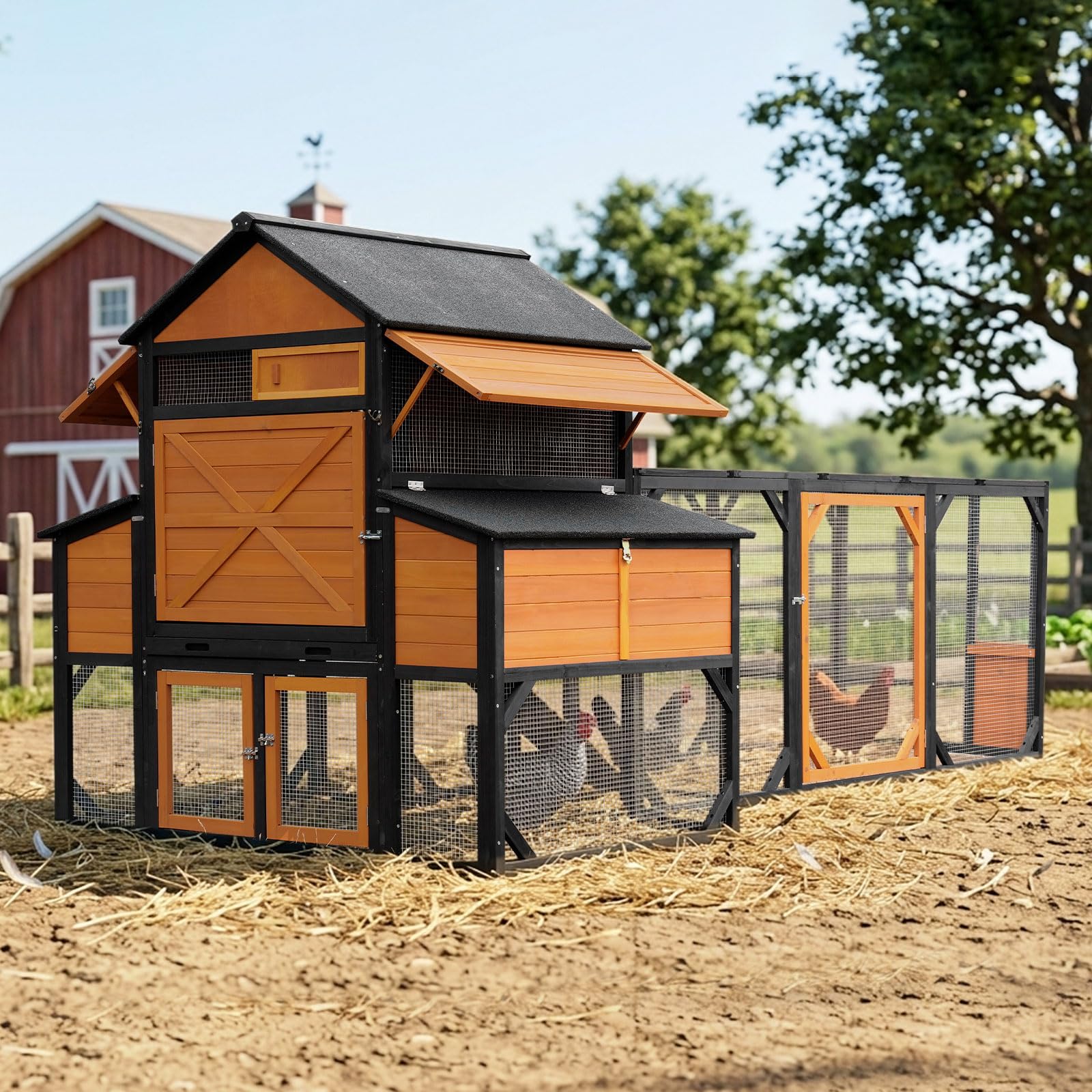
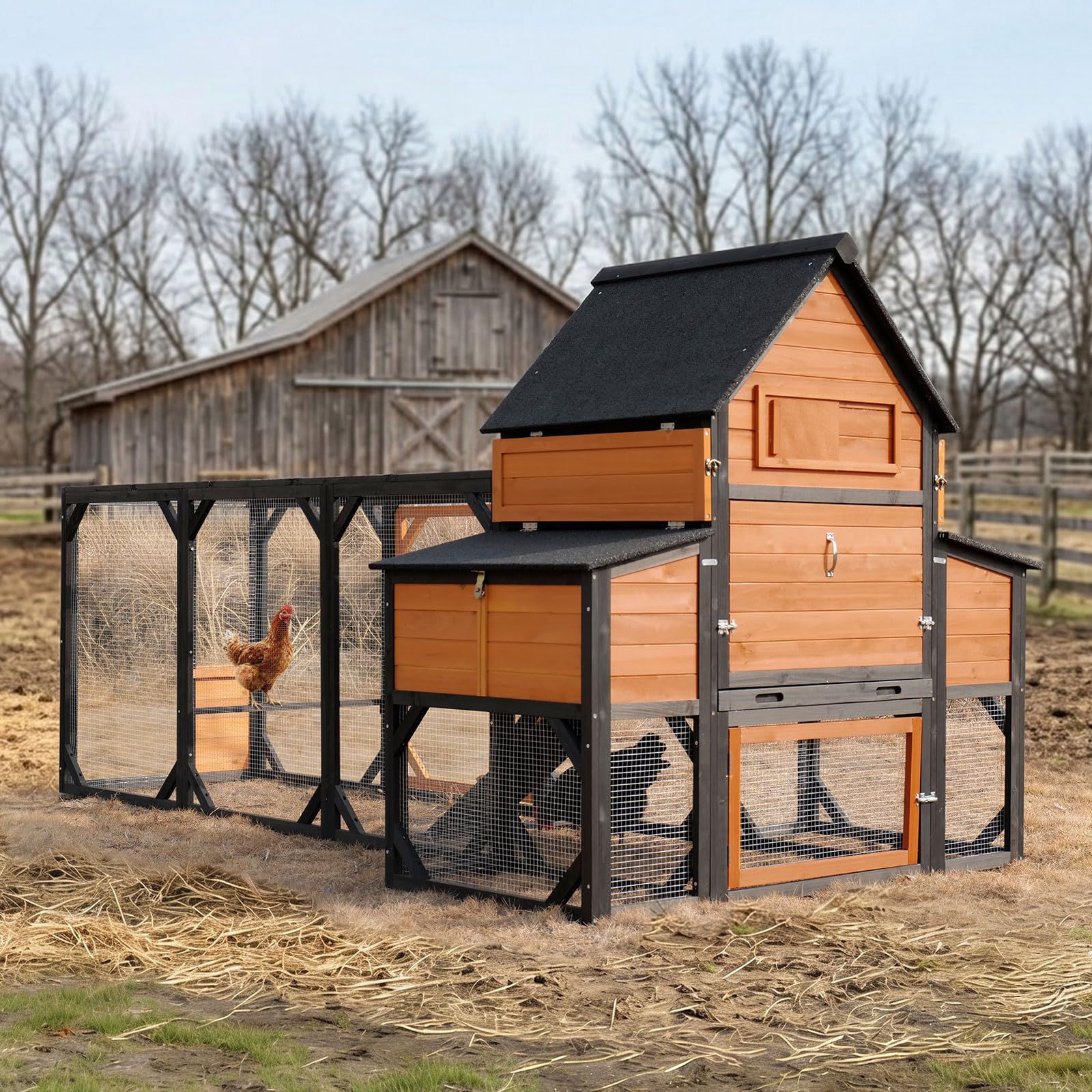
Versatile wooden coop with a ground level run
A raised wooden house sits at one end, with roost space and nesting boxes inside, and a mesh run stretches out at ground level so hens move between the two through a small door. Wood insulates well in heat and cold, and panels are easy to repair one by one. The trade off is upkeep, since exterior wood needs paint or sealant over time to resist moisture and rot.
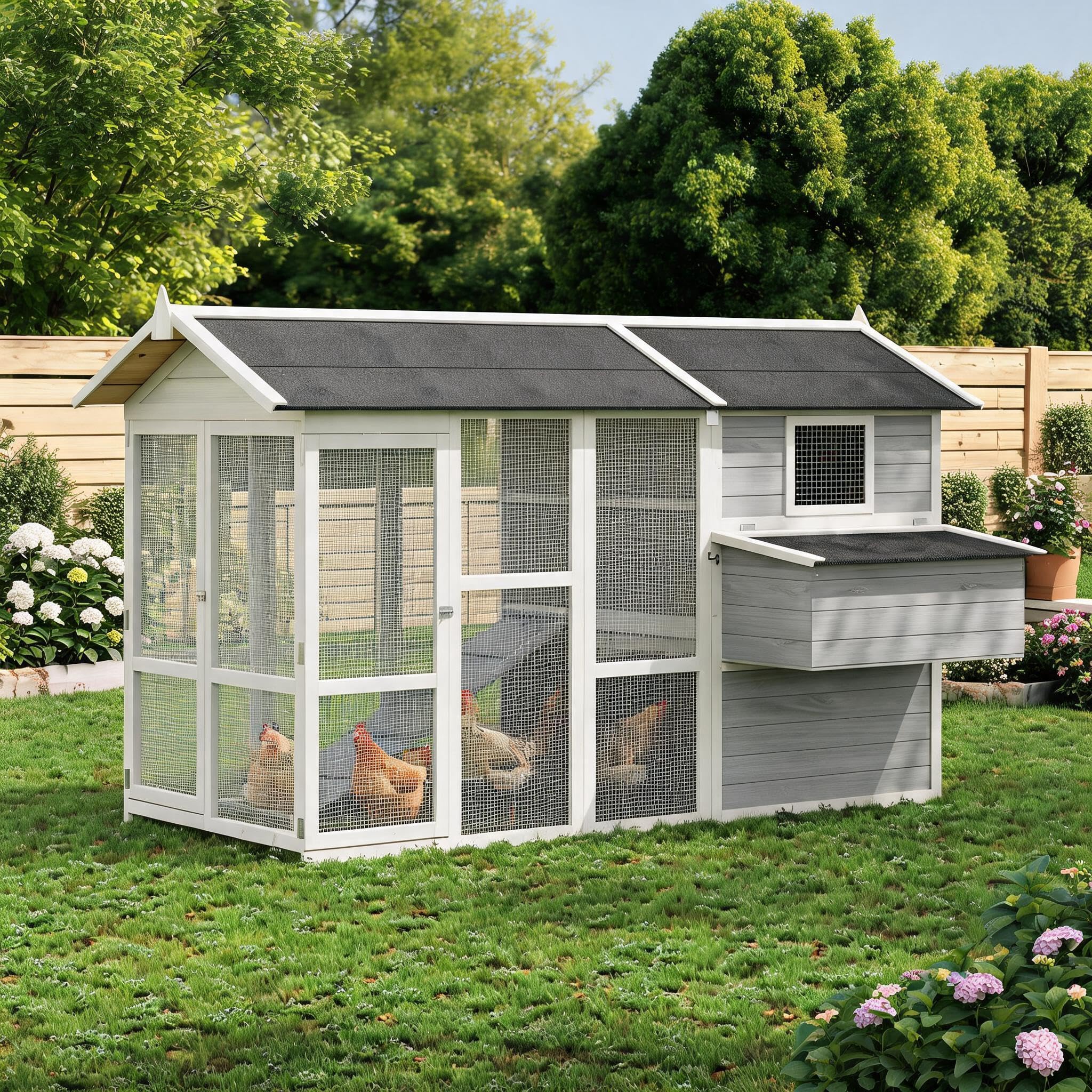
Compact simple coop for smaller budgets
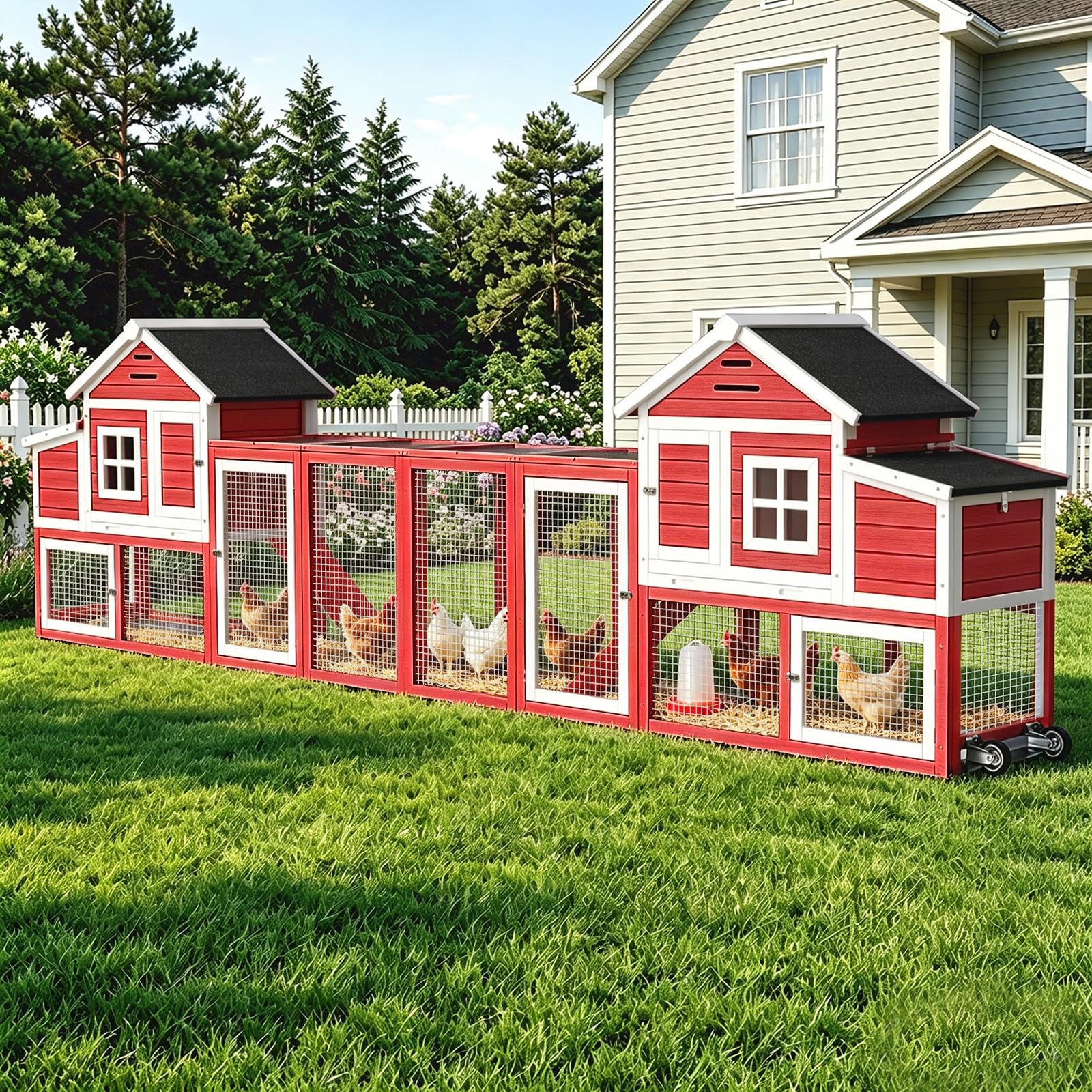
Smaller kits pair a modest house with a short run and suit two to four hens or a trial flock. They cost less, fit tight yards, and often arrive as flat packed panels that go together in an afternoon. Expect thinner timber, lighter mesh, and less headroom for cleaning, and check the stated bird capacity with care, since makers often rate these units generously.
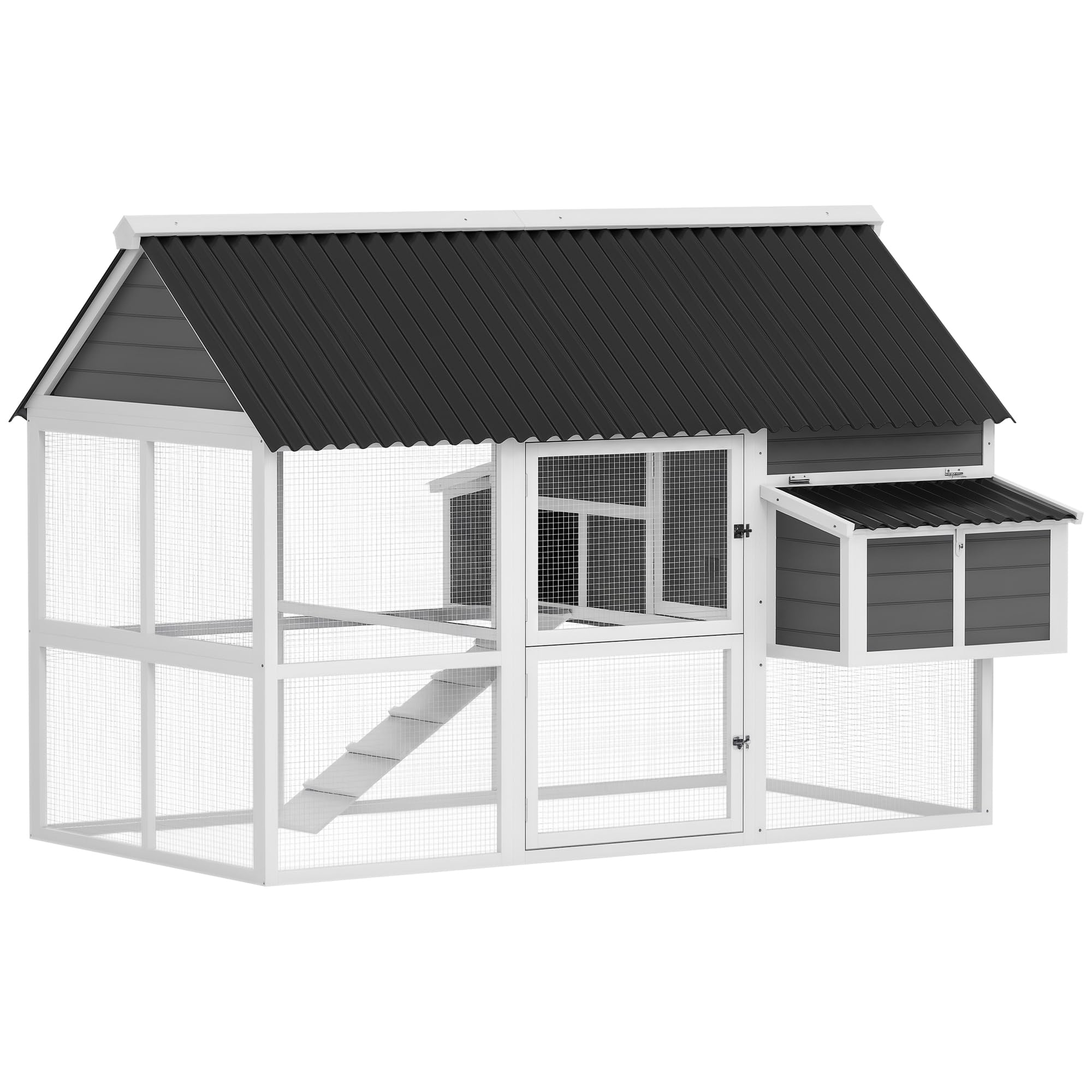
Sturdy premium coop built for longer service
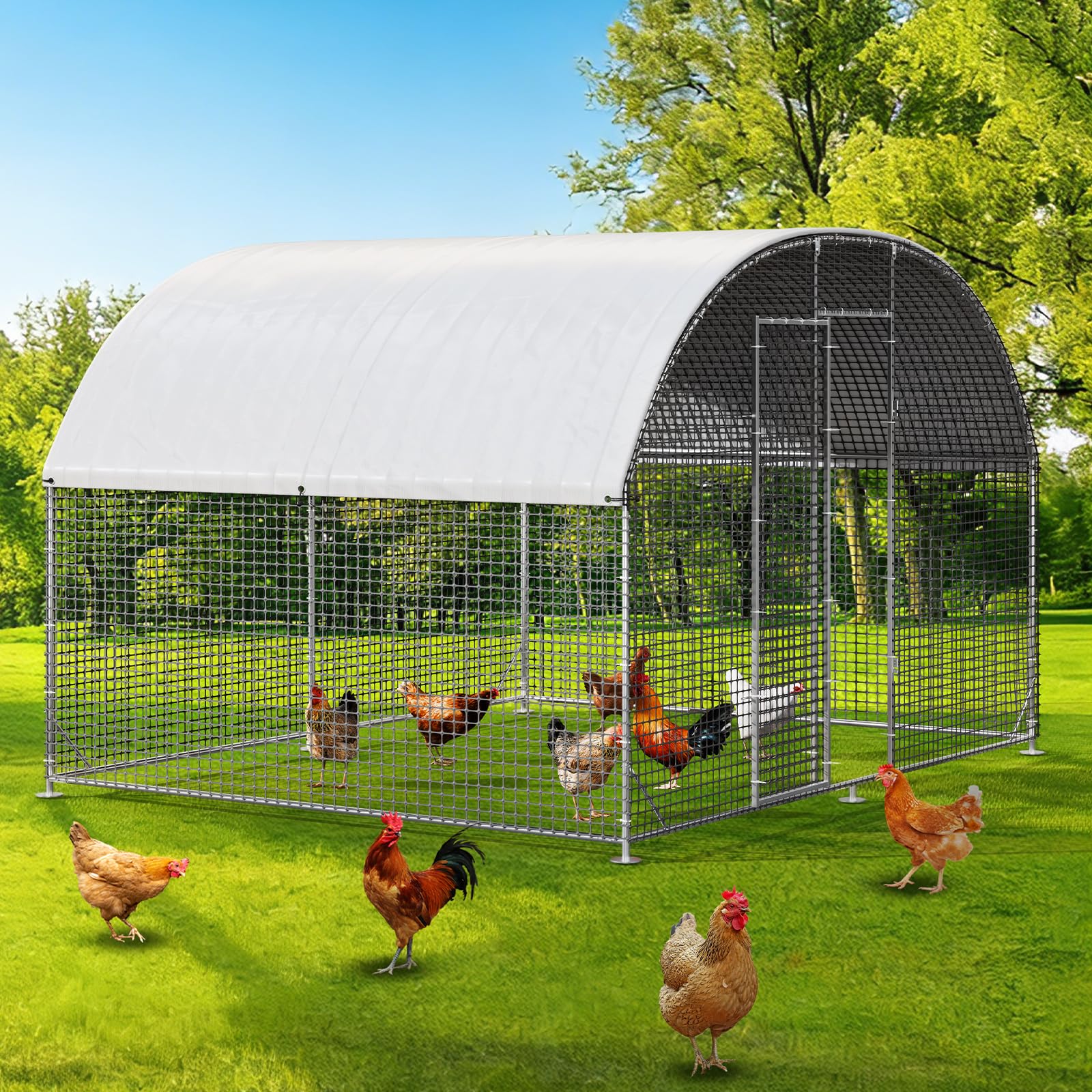
Heavier builds use thicker timber or molded plastic houses, galvanized mesh, and stronger latches, and the run is often tall enough to walk in. That structure pays off in wet or windy climates and where predators test fences hard. If you prefer moving housing onto fresh grass, a best mobile chicken coop takes a different approach. Premium combined units stay in one place, so choose the site with care.
How to Evaluate a Chicken Coop With a Run
Judge every candidate against the same five points, taken from maker specifications and the details owners mention again and again. Start with size and fit, because a unit that is too small causes stress and feather pecking no matter how well it is built. Next look at durability and safety materials, then ease of cleaning, since a hard to clean coop gets cleaned less often. Finish with value for the price tier. Our overview of the best chicken coop options shows how combined units sit within coop choices as a whole.
How to Choose the Right Chicken Coop
Each factor below affects daily use. For a broader framework, see our notes on how to choose a chicken coop alongside these run specific points.
Size and form factor
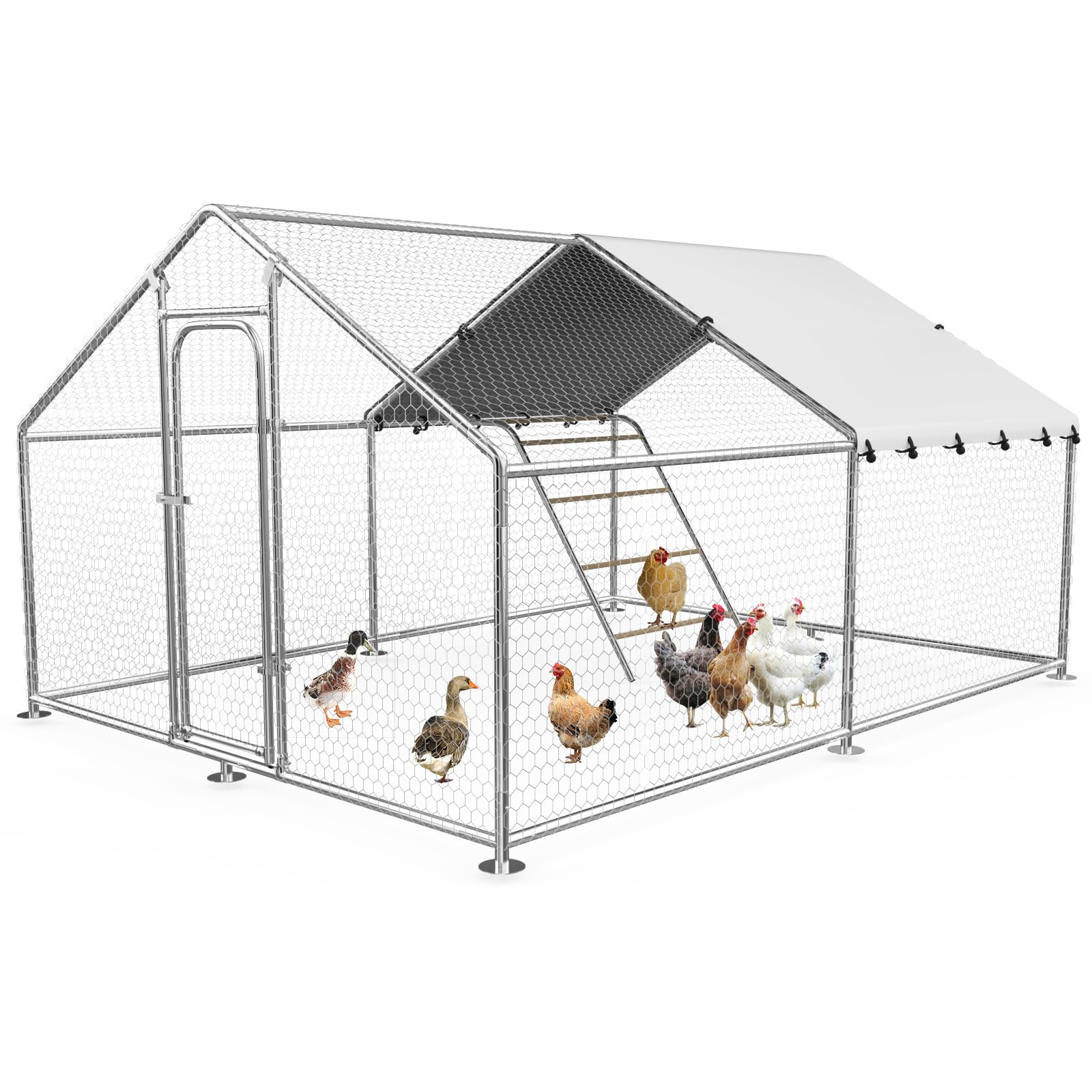
A long low run fits a narrow side yard, while a tall walk in run lets you stand inside for cleaning and catching birds, but needs level ground and catches more wind. Raised houses free up run space beneath them, which hens use as shade and shelter from rain. Small units suit about four hens, mid size units about six, and large walk in layouts ten or more. Measure your space first, including room to open doors fully.
Type and layout
Wooden units are easy to modify and repair. Metal frame runs add strength but usually pair with a simpler shelter. Plastic houses resist rot and wash down fast, though they offer fewer ways to add a perch later. Prefab kits trade some sturdiness for speed of assembly, and our guide to the best prefab chicken coop explains what to check in panel fit and fixings. Keep food and water under some cover, and give hens a dry corner on wet days.
Features worth paying for
A run roof is the upgrade that changes an enclosed run most, adding shade and keeping the ground drier. External nesting boxes let you collect eggs without opening the house, and a large run door saves daily frustration. Wheels matter only on units light enough to move, and an automatic door helps if you are often out past dusk, though it adds a battery need. Skip decorative extras that add cost without adding space, dryness, or security.
Sizing for your flock
Plan on about 3 to 5 square feet of house space per standard hen, and about 8 to 10 square feet per bird in the run. Bantams need less, and large breeds need the upper end of both ranges. Treat maker capacity claims as a ceiling, not a target, and size for the flock you expect in a year. Crowding shows up fast in a fixed run, because birds cannot spread out beyond its fence.
Materials and durability
Timber should feel solid at the joints, with panels that do not flex when pushed. Welded wire mesh with small openings resists chewing and reaching paws far better than thin chicken wire, which mainly keeps hens in rather than predators out. House roofing should shed water away from the walls. Plastic avoids rot but can grow brittle after years of strong sun, so check how replacement panels and latches are supplied.
Cleaning and odor control
A removable tray or a wide house door turns the weekly cleanout from a crawl into a quick job. In the run, bare ground works while grass lasts, then coarse wood chips or sand keep mud and smell down and give hens something to scratch through. Good airflow moves moist air out of the house before odor builds. For a full routine, read our walkthrough on how to clean a chicken coop.
Safety
Mesh should run down to ground level and ideally out into a buried skirt or a solid base edge, since foxes and dogs dig where fence meets soil. Latches should need two motions to open, because raccoons can work simple sliding bolts. Vents need mesh covers, not open gaps, and a run roof or net top stops hawks and climbing animals. At night the house door should close flush, with no gap at the corners.
How much should you spend?
Expect to pay about $200 to $500 for a compact kit for a few hens, knowing the timber and mesh will be light. The middle band, about $500 to $1000, brings larger walk in runs, thicker panels, and better latches for flocks of six to ten birds. Above that you pay for heavier materials and longer service life rather than more features. Units under $200 exist, but check their real internal measurements before trusting the stated bird numbers.
Do You Really Need a Chicken Coop with Run?
If your hens free range safely all day and return at dusk, a standalone coop may be enough. Most keepers are not in that position. Work hours, local rules, dogs, and hawks limit roaming time, and hens still need daylight, exercise, and fresh air daily. A combined unit covers those hours without a separate fenced yard, and it gives new birds or a recovering hen a contained outdoor space next to the house.
Common Mistakes to Avoid
- Trusting the stated bird capacity and crowding the run, which leads to bare ground, stress, and pecking within weeks.
- Setting the unit on a low wet patch, which turns the run floor to mud and shortens the life of timber panels.
- Choosing thin chicken wire for the run, which keeps hens in but does little to stop a raccoon or dog.
- Forgetting your own access, so cleaning and egg collection mean crawling through a small run door every day.
- Leaving no shade in the run, which leaves hens with nowhere cool to rest on hot afternoons.
How to Make Your Chicken Coop With Run Last Longer
Keep the house roof sound and reseal exterior timber when water stops beading on the surface, since most wooden units fail from moisture rather than age. Check mesh for rust and loose staples each season and refix them before a predator finds the weak point. Clear droppings from under the roosts often, because built up manure holds moisture against the floor. In the run, top up chips or sand as the surface thins.
FAQ
What is the best chicken coop with run for a small backyard?
For a small yard, choose a compact unit with a raised house, so the space beneath it counts as run area, and a footprint measured against your actual fence lines. Leave a walking path around at least two sides for cleaning and egg collection. A tall narrow run often fits a side yard better than a wide low one with the same floor area.
Is a chicken coop with run worth it?
Yes, for most keepers who cannot supervise free ranging every day. The run replaces hours hens would otherwise spend shut inside the house or roaming at risk, inside a fence you control. It also keeps droppings and scratching in one patch of ground. The cost only stops making sense if your birds already roam a secure area safely from morning to dusk.
How long does a chicken coop with run last?
A well built wooden unit commonly serves about five to ten years, while molded plastic houses can go longer because they do not rot. The run usually ages first, at the mesh base and ground contact points where moisture sits. Siting the unit on a drained base and fixing rust or soft timber early pushes you toward the upper end of that range.
Can hens stay in a coop with run all day without free ranging?
Yes, provided the run offers more than bare ground at a fair size for the flock. Add a dust bath corner, a perch or low platform, and scattered greens or scratch so the birds stay occupied. Boredom, not confinement itself, drives feather pecking in a fixed run. Moving feeders to new spots each week keeps the same fence line feeling varied.
How do you keep a chicken run from smelling?
Start with drainage, because a run that stays dry rarely smells strongly. A deep layer of coarse wood chips absorbs droppings and can be topped up rather than replaced each time, and a covered section keeps rain off the busiest area near the house. If a sour smell builds anyway, remove the top layer of chips and add fresh dry material.
Final Thoughts
The right combined unit fits your ground, gives every hen real outdoor room, and keeps predators working hard for no reward. Compare types in the product table above, size the run generously, and spend on mesh and latches before decoration. Chosen that way, the best chicken coop with run becomes the quiet center of your daily routine, giving your hens safe outdoor hours and you a setup that is simple to clean and check.


