
Best Chicken Coop for Beginners in 2026: Buying Guide
Disclosure: We may earn a commission when you buy through links on this page, at no extra cost to you. As an Amazon Associate I earn from qualifying purchases. Learn more

Best chicken coop for beginners: honest sizing, easy cleaning, secure latches and the types that suit a first flock.
Your first flock can thrive or struggle based on one early decision, the coop you bring home. Too small, too hard to clean, or too open to predators, and simple chores turn into constant fixes. The best chicken coop for beginners avoids those traps with honest sizing, simple assembly, and latches you can work with cold hands. It gives hens a dry place to sleep, a safe place to lay, and room to behave like chickens.
This guide compares coop types by size and fit, durability, safety, and materials, then walks through the choices in plain order. Use the comparison table below to see how the main styles differ. For the wider view beyond a first flock, see our guide to the best chicken coop options for keepers of every level.


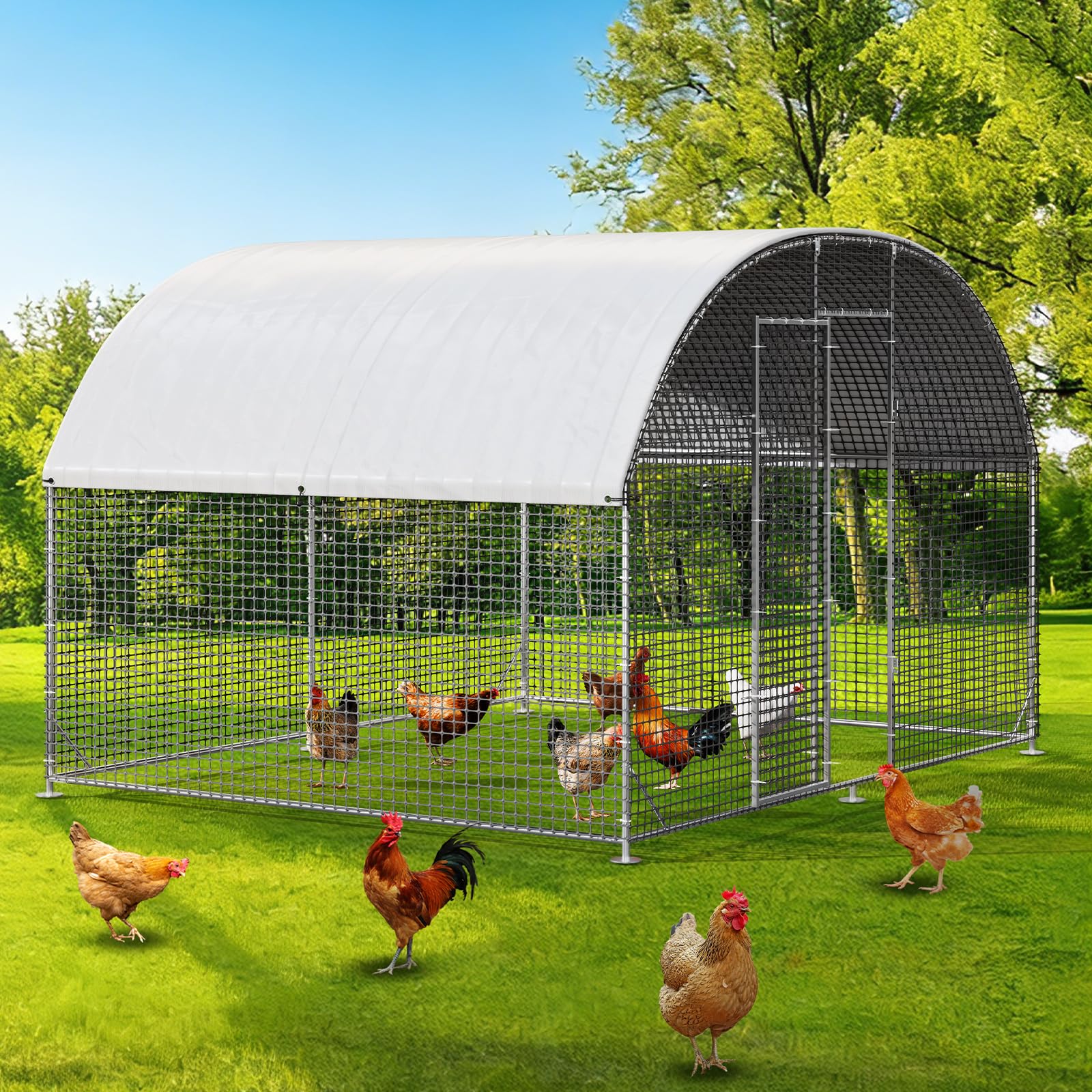
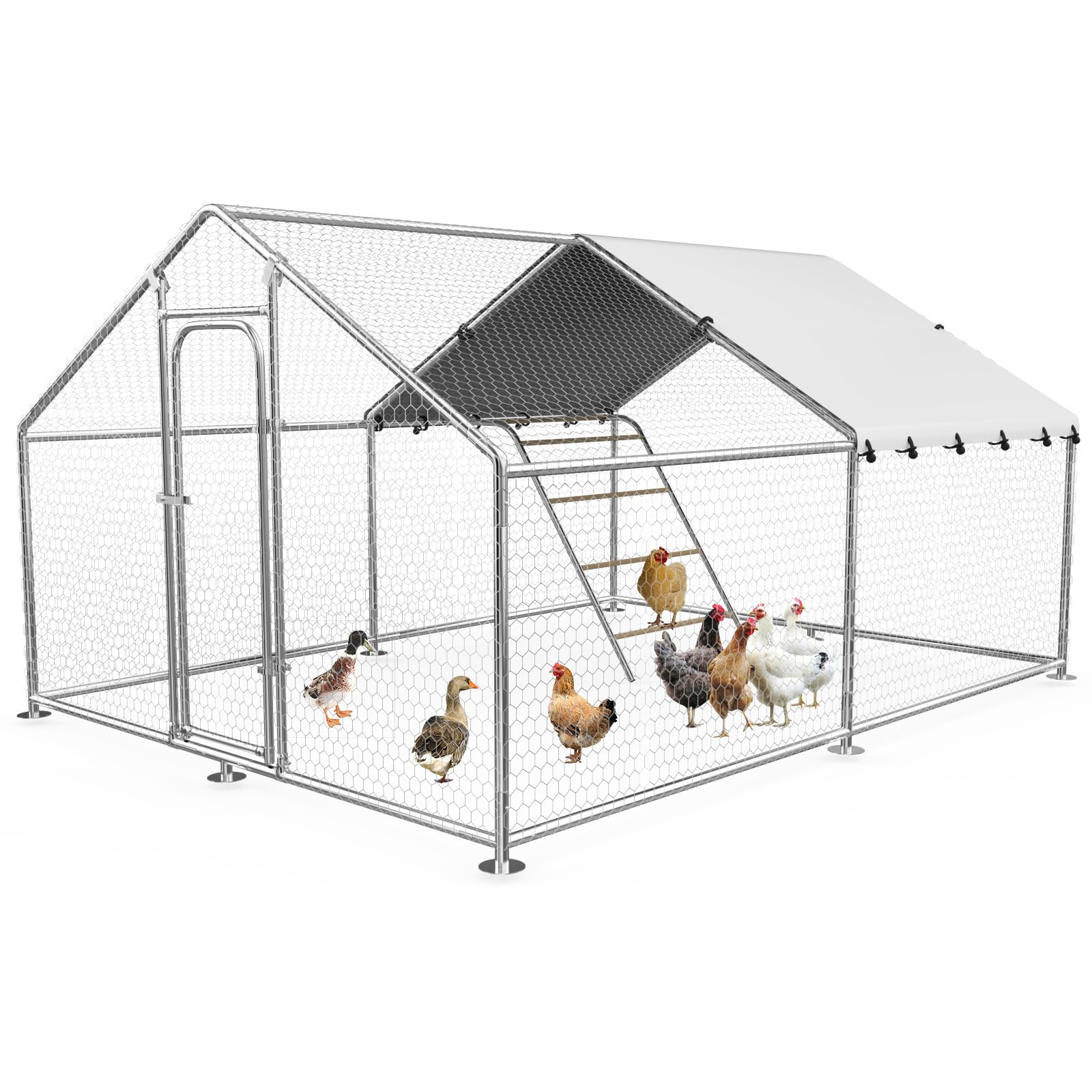
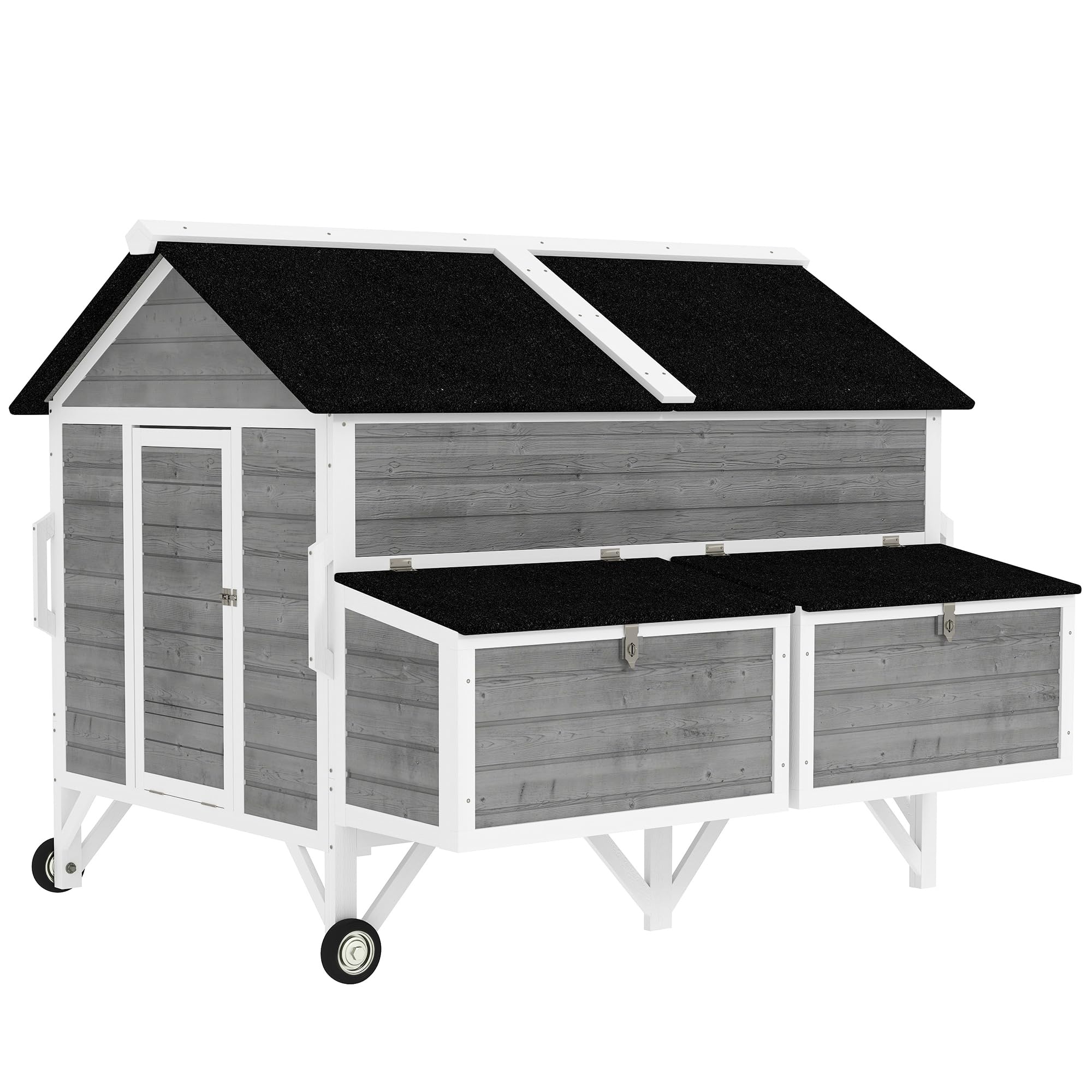


Coop Types Compared for a First Flock
Beginners do best with a coop type that matches their yard, their tools, and the time they can give each week. The four styles below cover most first flocks.
Wooden Prefab Kits
A flat packed wooden kit is the most common first purchase, and it suits keepers who want clear instructions and parts cut to size. Assembly takes basic tools and a free afternoon. Look for thick panels, a solid floor, and a roof you can open for cleaning. Our roundup of the best prefab chicken coop designs shows what separates a sturdy kit from a flimsy one.
Plastic Coops
Plastic coops use molded panels that shrug off rain and resist rot, and their smooth walls wipe clean with little scrubbing. That matters in your first year, when you are still learning how fast bedding gets damp. The trade offs are insulation and weight. Thin plastic can run hot in strong sun, and a light coop needs firm anchoring in windy yards. Shade, ventilation, and a secure base fix most of those concerns.
Mobile Coops and Tractors
A mobile coop, often called a tractor, rolls to fresh ground so hens graze new grass and spread their own manure. Moving it every day or two keeps the run from turning to mud. The limits are size and protection, since a movable coop must stay light. If fresh pasture appeals to you, compare the best mobile chicken coop styles and check wheel size, handle height, and ground clearance.
Raised Coops With an Attached Run
A raised coop lifts the sleeping area off damp ground and uses the space below as sheltered run space, so hens get shade and rain cover at ground level. You get easier access to eggs and bedding without bending to the floor, and the layout suits small yards where every square foot counts. Check that the ramp is not too steep, that cleats give hens grip, and that the run door lets you reach every corner.
What We Compared and Why It Matters
We compared coop types on five points that decide how a first year goes. Size and fit come first, because crowding causes more beginner problems than any other factor. Durability and safety follow, covering panel strength, roof design, wire quality, and latch design. Ease of cleaning counts next, since a coop you dread cleaning will not get cleaned. Value comes last, judged over years of use rather than the lowest price on day one.
How to Choose the Right Coop for Your First Flock
Size and Form Factor
Plan on about 3 to 5 square feet of indoor space per hen, plus about 8 to 10 square feet per hen in the run. Four hens therefore need roughly 12 to 20 square feet inside and a run of about 32 to 40 square feet. Makers often rate coops by the most birds that could sleep inside, not live well inside, so treat those ratings with care. When two sizes seem close, choose the larger one and keep fewer hens than the label claims.
Type and Placement in Your Yard
Match the coop to the ground you have, not the yard you hope to build later. A fixed coop suits a level, drained spot with shade for part of the day, while a tractor needs open grass and a path wide enough to roll through. Keep the coop where you can reach it in rain and snow. For layout ideas, see our guide to the best chicken coop for backyard setups, and measure your space before ordering.
Features Worth Paying For
Some features earn their cost in the first month. An attached run lets hens out safely on days you cannot supervise free ranging. Nesting boxes you can reach from outside mean eggs without opening the main door and letting hens slip past you. Wheels matter only on mobile designs, but there they decide whether moving the coop is a pleasure or a chore. An automatic door helps if you are often out past dusk.
Sizing for Your Hens
Size the details inside to the birds, not just the floor plan. Roost bars should sit higher than the nesting boxes, so hens sleep on the roosts and keep the boxes cleaner for laying. Give each hen about 8 to 10 inches of roost space, on a bar with a wide, slightly rounded top edge that suits chicken feet. Nesting boxes of about 12 by 12 inches work for most laying breeds, with one box for every three or four hens.
Materials and Chew Resistance
Materials decide how a coop ages and how well it resists gnawing predators. Solid wood handles cold well and repairs easily, but thin panels split at screw points and rot where they touch wet ground. Molded plastic never rots and cleans fast, yet predators can chew weak edges, so check how panels join. Metal framing resists chewing best, though it needs shade to avoid heat build up. Hardware cloth with small openings beats wide, thin chicken wire for protection.
Cleaning and Odor Control
A beginner friendly coop lets you remove soiled bedding without crawling inside or lifting a heavy roof alone. Wide doors, a pull out tray, and a floor that tolerates scraping all shorten the job. Ventilation placed high, above roost level, lets moist air and ammonia escape without blowing cold air across sleeping hens. Dry bedding is your main odor control, so a roof that truly sheds water matters more than any scented product. For a full routine, read our walkthrough on how to clean a chicken coop.
Safety and Predator Protection
Raccoons, dogs, hawks, and rats test coops in different ways, so protection must cover several angles at once. Latches should need two motions to open, since a simple sliding bolt is within a raccoon skill set. Wire should cover every vent and window, and the run needs a skirt of wire laid outward on the ground to stop digging. A solid floor blocks entry from below. Check local rules on flock size and coop placement before you buy.
How Much Should You Spend?
Expect to spend about $150 to $300 for a small basic kit for a few hens, knowing thin materials may need repairs within a couple of seasons. The middle ground of about $300 to $600 usually buys thicker panels, better wire, and doors that still work smoothly after a wet winter. Larger designs at about $600 to $1,200 add space, stronger framing, and outside egg access. Spend first on size and wire quality, then on comfort extras.
What Matters Most for Beginners
Three needs shape a first coop. The first is forgiveness on size, because most beginners underestimate how much space growing hens need. The second is simple daily access, since eggs, water, and health checks happen every day in all weather. The third is assembly you can finish with basic tools and clear instructions, without carpentry skills you do not yet have.
A plain coop that meets those needs beats a fancy one that misses them. Converted sheds can save money for handy keepers, but they demand predator proofing knowledge most first time owners are still learning. Guidance on how to choose a chicken coop can help you weigh the next move after your first season.
Common Mistakes to Avoid
- Trusting the capacity label. A coop rated for eight hens often houses four in comfort, and crowding leads to feather picking, stress, and dirty eggs.
- Starting with too many hens. A first flock of three to six birds lets you learn feeding, health, and cleaning routines before the work multiplies.
- Skipping the wire skirt. Digging predators enter under an unprotected run edge in a single night, even in quiet suburban yards.
- Placing the coop in a low wet spot. Standing water soaks bedding and speeds rot.
Care and Maintenance for a Coop That Lasts
Daily care takes minutes. Refresh water, check feed, collect eggs, and glance at each hen for limping, listlessness, or labored breathing. Watch for warning signs such as a hen that stops eating, a swollen abdomen, discharge from the eyes or nostrils, or a sudden drop in laying across the flock. Those signs need a poultry veterinarian or an experienced local keeper, not home remedies, so get advice promptly.
Weekly, turn or top up bedding and scrape droppings from roosts. Seasonally, empty the coop fully, wash surfaces, and let everything dry in the sun. Tighten screws, test every latch, and patch any chewed or rusted wire the same day you spot it.
FAQ
What is the best chicken coop for beginners?
The strongest choice for most new keepers is a raised coop with an attached run, sized honestly for three to six hens. It covers sleeping, laying, and safe outdoor time in one footprint, and outside access to the nesting boxes keeps daily chores simple. Add a wire skirt and two motion latches, and you have a setup that handles the common beginner problems without extra building projects in your first season.
What should I look for first in a coop for beginners?
Start with the door you will use most, the one for cleaning. Open it and picture removing wet bedding in winter while hens move around your arms. If that job looks awkward in listing photos, it will feel worse at home. A wide, low cleaning door reveals more about daily life than paint color ever will.
How long does a chicken coop last?
Lifespan depends mostly on material and exposure. A thin wooden kit in a wet climate may need major repairs in about three to five years, while thicker wood kept off damp ground and recoated on schedule can serve much longer. Molded plastic and metal framed coops resist rot entirely, so their weak points are hinges, latches, and sun damage. A drained base and early fixes add years regardless of material.
Is a chicken coop worth it for a small flock?
For most households, yes, if you value fresh eggs and the routine of keeping hens. The honest math includes feed, bedding, and your time, so eggs from a tiny flock may cost more than store bought eggs in the first year. Many beginners find the value elsewhere, in garden help from manure and time outdoors each day. A coop sized right protects that investment far better than the cheapest shelter.
How do you clean a chicken coop on a schedule?
Work to a rhythm instead of waiting for odor to tell you it is time. Scoop the heaviest droppings under the roosts every few days, since most waste collects there overnight. Replace all bedding when it stays damp after turning, and do a full empty and wash about twice a year. Keeping spare bedding on hand means a wet week never leaves hens on soiled litter.
What makes a chicken coop brand reliable?
Reliability shows in details a maker cannot hide. Look for honest capacity ratings, spare parts you can actually order, clear assembly documents, and wire described by gauge and material rather than vague claims. A company that answers sizing questions before you buy tells you more about how it will treat you after the sale.
Final Thoughts
Choosing well at the start lets you spend your first season watching your hens instead of rebuilding their home. Match honest size to a small flock, insist on strong wire and latches, and pick a design you can clean without dread. Compare the styles in the product table above against your yard and routine. Do that, and the best chicken coop for beginners for your home becomes a calm, confident first step into keeping chickens.


