
Best Chicken Coop with Wheels in 2026: Buying Guide
Disclosure: We may earn a commission when you buy through links on this page, at no extra cost to you. As an Amazon Associate I earn from qualifying purchases. Learn more

Best chicken coop with wheels compared by tractor, raised and lightweight types, wheel size, handles and predator safety.
A fixed coop slowly turns its run into bare mud, and that patch stays worn, smelly, and short on anything for your hens to scratch or eat. Choosing the best chicken coop with wheels lets you roll the flock onto fresh grass before the old spot is ruined. Your birds get new forage, droppings spread across the yard instead of building up, and the ground gets time to recover.
This guide compares wheeled coops by type rather than by brand, then walks through size, materials, safety, cleaning, and cost. Use the comparison table below to match each type to your flock size and yard, then read the sections that follow for the details behind each choice.
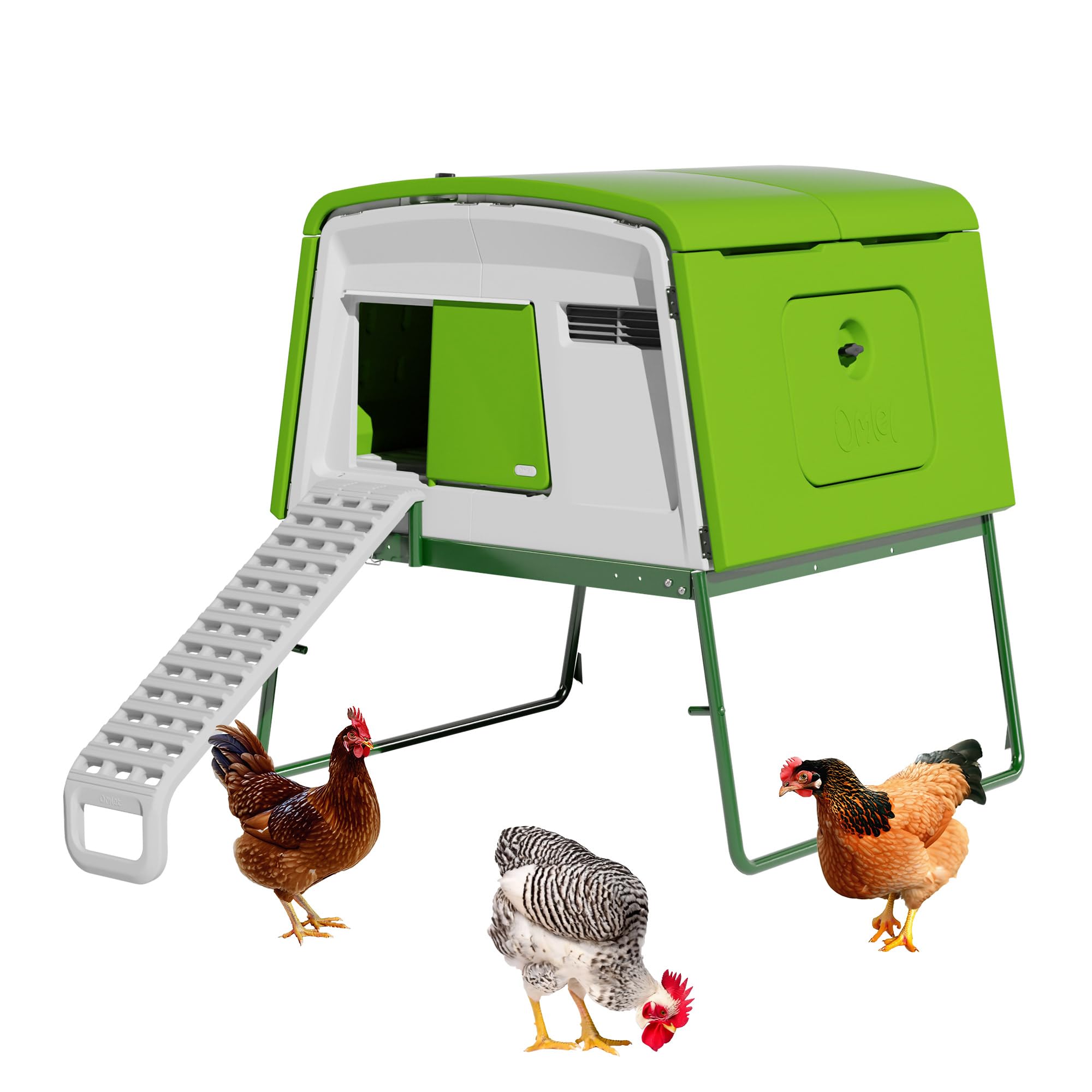


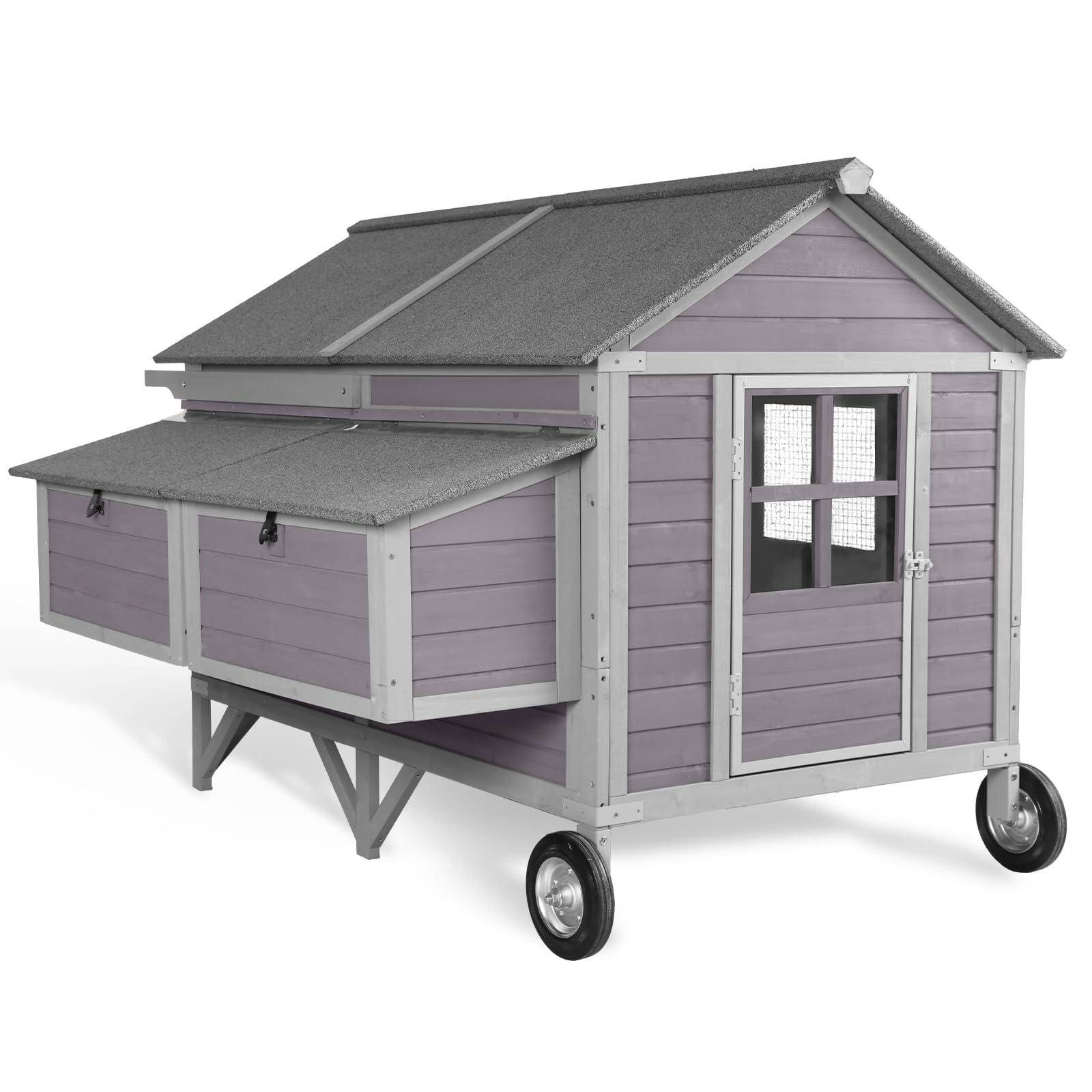
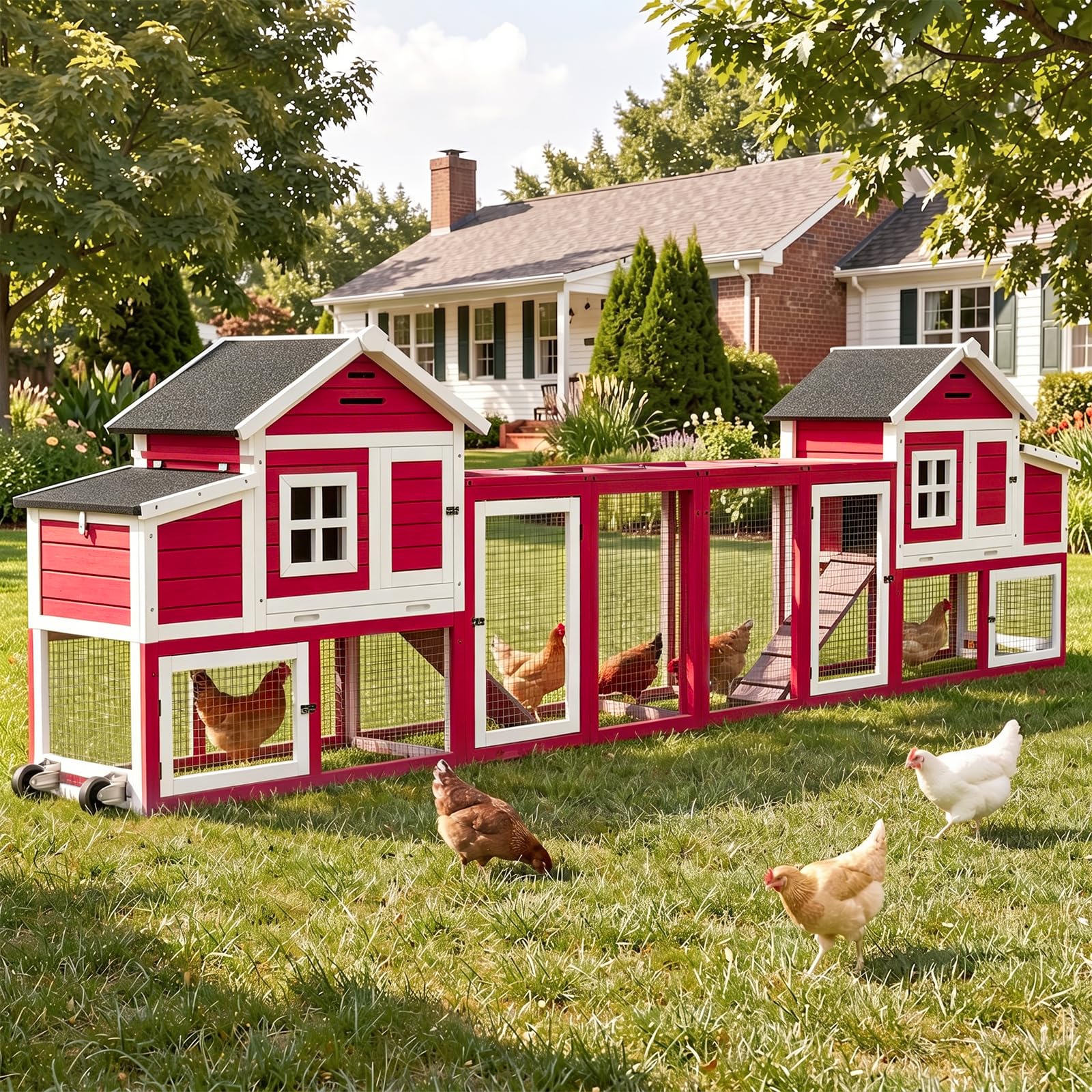
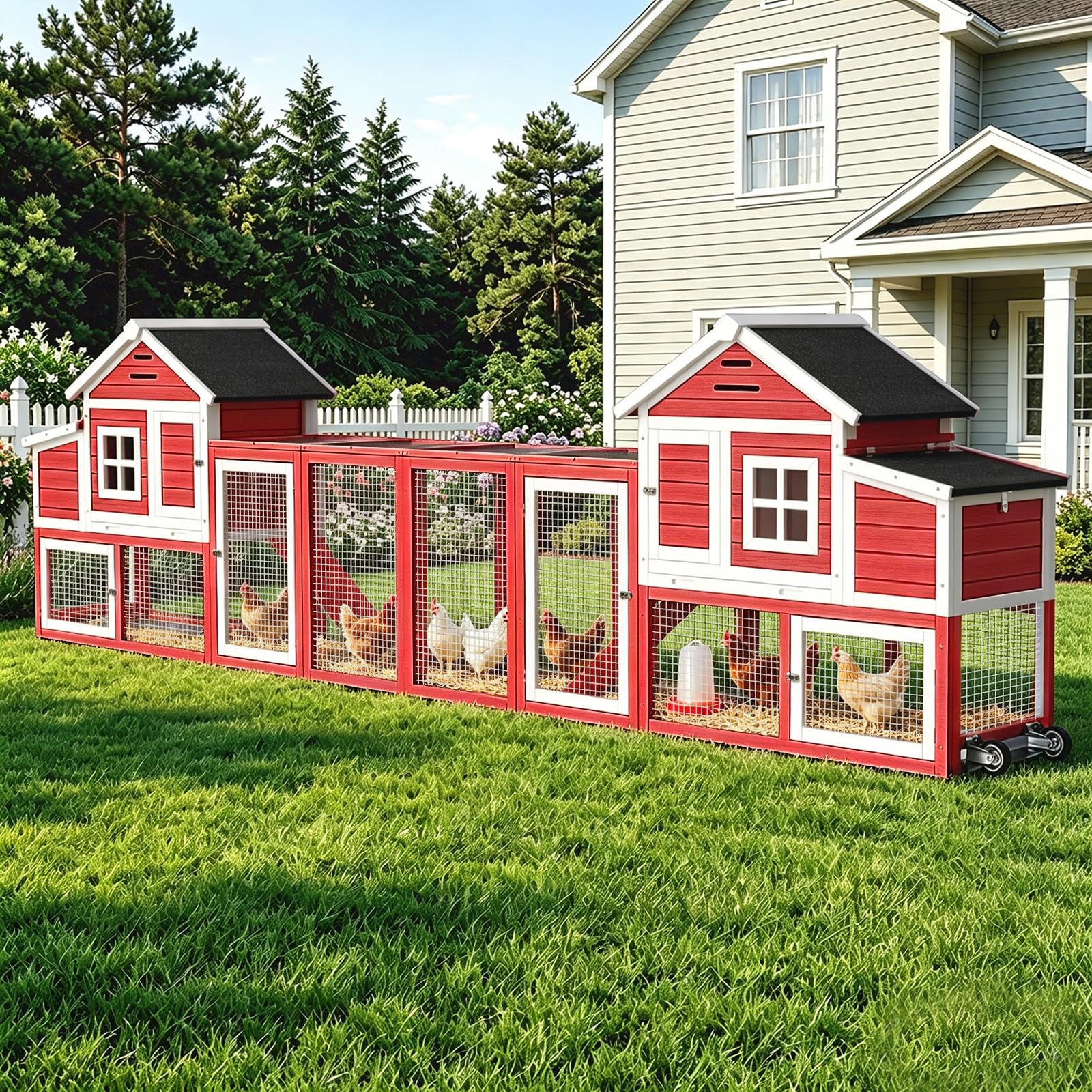



Types of Wheeled Coops at a Glance
Wheeled coops fall into three broad types, and the type matters more than any single feature. If you prefer a kit you assemble once and place, our guide to the best prefab chicken coop covers that stationary route.
Tractor Style Coops
Tractor style coops combine house and run in one long, low frame that you roll a short distance each day. The open floor lets hens graze directly, and the low profile resists wind well. These suit small flocks of about 3 to 6 birds and flat lawns. The trade off is headroom, since you reach in from the side or top for cleaning and eggs rather than walking inside.
Raised Coops With a Run Below
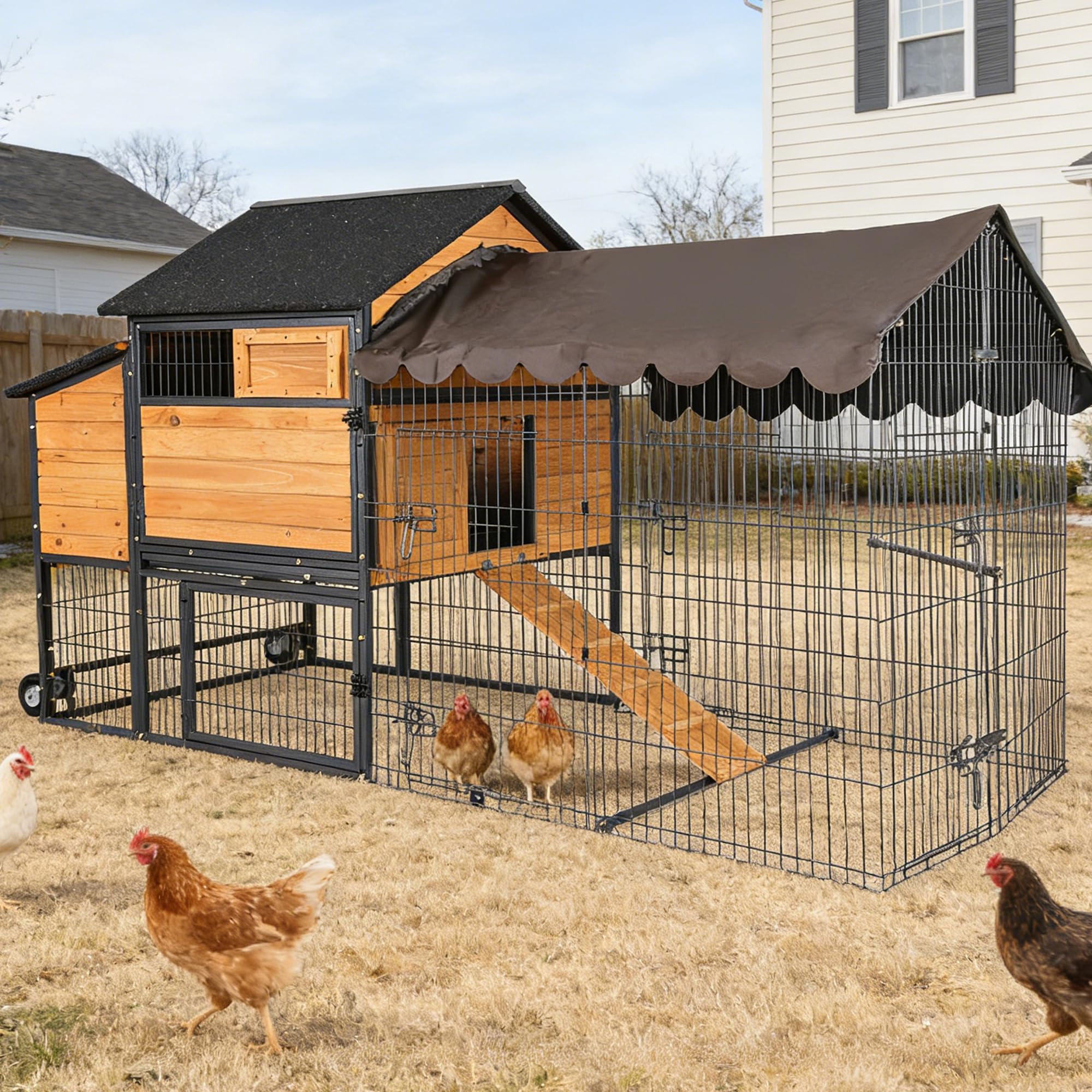
A raised coop lifts the sleeping and laying house above ground level, with a ramp down to a small enclosed run. Elevation keeps the floor drier after rain and gives hens shade underneath on hot days. Wheels usually mount at one end, and you lift the other end by handles to roll it. These work well for about 4 to 8 hens, though the raised house makes the unit heavier to move.
Lightweight Plastic and Metal Frame Coops
Plastic houses and metal frame coops weigh far less than solid timber builds, and one person can usually move them without strain. Plastic panels shrug off rain and wash clean quickly, while metal frames feel rigid for their weight. Insulation is the weak point, so hens may need extra bedding and wind shelter in cold weather. These suit keepers who move the coop often and value low effort.
Who Should Buy a Coop on Wheels
Wheels solve specific problems. If none below sound like yours, a fixed coop may serve you better.
Backyard Keepers Who Rotate Grazing
You want your hens on fresh ground every day or two, and worn patches to regrow instead of turning to mud. Moving the coop spreads manure thinly, cuts odor, and gives birds a steady supply of grass and insects. New keepers in this group will also find our guide to the best chicken coop for beginners helpful for basic flock care. Choose a light model you can shift quickly.
Keepers on Rented or Shared Land
You need housing you can reposition when asked, and remove without leaving a permanent base behind. A wheeled coop leaves no concrete pad and no fixed fencing to undo. It also lets you move hens away from a vegetable bed in minutes. Check local rules on keeping poultry before you buy, since permits and setback distances vary by town.
Keepers Who Struggle With Deep Cleaning
You dread scrubbing a coop in a cramped corner, far from a hose or a compost heap. Rolling the coop to an open spot gives you room to work, better light, and a shorter trip with soiled bedding. For you, wide access doors and a low moving weight matter more than decorative trim or extra storage boxes.
How to Choose the Right Wheeled Coop
Work through the factors below in order, starting with space and ending with budget. If you want the broader decision steps first, see our overview on how to choose a chicken coop before you narrow down wheeled models.
Size, Form Factor, and Sizing for Your Flock
Plan on about 4 square feet of house space and about 8 to 10 square feet of run space per standard hen, with more for large breeds. A coop sold for 6 chickens often assumes small birds and generous outdoor time, so size up if your flock stays confined. Measure your gate and side path too, since the coop must fit through them. A walk in design helps cleaning but adds weight the wheels must carry.
Type and Materials
Wood feels sturdy and insulates well, and you can repair a single board, but it needs sealing against rain and can harbor mites in cracks. Plastic resists rot and washes clean fast, yet thin panels can flex and feel cold in winter without added bedding. Metal frames resist pecking and chewing from rodents, though bare metal gets hot in direct sun and needs shade. Match the material to your climate first.
Wheels, Axle, and Handles
Wheel design decides whether moving day feels easy or miserable, so inspect it closely. Larger wheels roll over roots, stones, and ruts that stop small casters, and wide tires sink less into soft soil. The axle should run through a reinforced frame point, not a thin panel, because it carries the full loaded weight. Handles at a comfortable height let you lift and steer without stooping. Look for a way to lock the wheels once parked, especially on a slope.
Run, Nesting Boxes, and Features Worth Paying For
An attached run is worth paying for if your yard is open to hawks or neighborhood dogs, since hens stay protected while they graze. Provide one nesting box for about every 3 to 4 hens, with a door you can reach from outside. A secure automatic door helps if your schedule keeps you out past dusk. Skip extras you will rarely use, such as large storage bays, because every added pound makes the coop harder to roll.
Cleaning and Odor Control
Removable droppings trays, wide doors, and smooth interior surfaces cut cleaning time more than any accessory. Roost bars that lift out let you scrape and wash them separately. Ventilation high on the walls moves moist air and ammonia out without drafting the roost at night. Deep dry bedding absorbs odor between cleanings, and our guide on how to clean a chicken coop explains a full routine.
Safety and Predator Protection
Welded wire mesh with small openings keeps raccoons and weasels out far better than thin chicken wire, which mainly keeps chickens in. Doors need latches that require both a lift and a pull, because raccoons learn simple sliding bolts. Check the gap under the frame when parked, since an uneven edge can let a digging animal in at night. A skirt of wire laid flat around the base adds protection without blocking the wheels.
How Much Should You Spend?
Small and simple wheeled coops generally cost about $200 to $500, with basic wheels and little weather protection. Mid size models with stronger frames, bigger wheels, and a covered run usually run about $500 to $1000. Large walk in designs can reach about $1000 to $2000. Spend first on wheel strength, mesh, and latches, because those parts decide daily ease and flock safety.
Do You Really Need a Coop With Wheels?
You need wheels if your ground suffers under a fixed run, if you want grazing rotation, or if your situation demands housing you can move quickly. A stationary coop on a deep litter base can work just as well for keepers with plenty of land and no need to rest the soil. Weight is the honest cost of mobility, since wheeled models often hold fewer birds than a fixed coop of similar price. Compare portable and fixed designs in our guide to the best mobile chicken coop.
Think about your worst week, not your best one. In winter mud or during a busy stretch, will you still move the coop often enough to gain the benefit? If the answer is no, buy the sturdier fixed coop. If yes, wheels pay you back in healthier ground and cleaner housing.
Common Mistakes to Avoid
- Buying for the flock you wish you had, which leaves hens crowded when the seller count assumed smaller birds.
- Ignoring loaded weight, so a coop that felt light when empty becomes a struggle with bedding, feed, and water inside.
- Choosing tiny wheels for a bumpy or soft yard, which makes each move a drag instead of a roll.
- Parking on a slope without locking the wheels, letting the coop creep and open a gap at the door.
- Skipping a check of gate width and turning space, then finding the coop cannot reach the part of the yard you planned to graze.
- Trusting thin chicken wire for predator safety, when determined animals can tear it or reach through it.
Care and Maintenance for a Wheeled Coop
Check the axle, wheel bearings, and handle bolts each month, and tighten anything that has worked loose from rolling. Wash mud from tires and frames before it hardens, because trapped moisture speeds rust and rot. Reseal exposed timber about once a year, and replace cracked plastic panels before sharp edges reach the hens. Inspect mesh and latches during the same round, since a moving coop takes small knocks a fixed coop never feels.
Store the coop on level ground, and keep feed in a sealed container away from the house to discourage rodents. Clear droppings from under roosts often in warm weather to limit flies and odor. If you pause moving for a season, roll the coop a short distance every few weeks so tires and bearings do not sit in one position.
FAQ
What is the best chicken coop with wheels?
There is no single model that suits every yard, so judge by priority order instead. Put wheel strength and loaded weight first, then house and run space, then mesh and latch quality. A light tractor style coop wins for daily moves on flat grass, while a raised coop suits keepers who want a drier house. If two options tie, pick the one with wider doors, since you will clean it far more often than you admire any other feature.
Is a chicken coop with wheels worth it?
Yes, if you actually move it on a steady rhythm, because the value comes from the rotation itself. Fresh ground spreads manure and lets you chase shade during a heat wave by parking under trees. A coop that stays in one spot for months gives you none of that, and you paid extra for wheels you never use. Be honest about your routine before you spend.
How long does a chicken coop last?
Material and climate decide most of the answer. Treated timber kept sealed and off standing water holds up well, while untreated softwood in a wet yard declines fast. Plastic avoids rot but can grow brittle after years of strong sun, and metal lasts longest where you stop rust early. Lifting the wheels during long stationary spells also helps, since bearings then carry no constant load in one position.
How do you clean a chicken coop with wheels?
Roll the coop onto gravel or a paved pad first, so dirty wash water drains away instead of soaking the run your hens return to. Remove trays and roosts, scrape them at the pad, and let everything dry fully before the flock goes back in, because damp bedding restarts odor quickly. Keep a stiff brush and bucket stored at that spot, and every session gets shorter.
What size wheels work best on soft or uneven ground?
Choose the largest diameter that fits the frame, with a wide tread that spreads weight instead of cutting a rut. Before buying, walk your intended route and note the narrowest gate, the tightest turn, and any dip that fills with water after rain. A coop that rolls well on a flat floor can still fail at a raised garden edge. If your route includes a step, plan a simple ramp or pick a different route.
Final Thoughts
Start with your ground and your routine, then let size, wheels, and safety hardware narrow the field. The best chicken coop with wheels for your home is the one you can move without dread, clean without contortions, and trust against predators at night. Compare your shortlist against the product table above before you order. For a wider look at fixed and portable housing together, see our main guide to the best chicken coop.


