
Best Chicken Coop for Backyard in 2026: Types and Buying Guide
Disclosure: We may earn a commission when you buy through links on this page, at no extra cost to you. As an Amazon Associate I earn from qualifying purchases. Learn more

Best chicken coop for backyard flocks: sizing math, coop types, predator safety, placement and local rules.
A backyard flock looks simple until you measure your yard and picture the coop in rain, heat, and daily use. Hens need dry roosting space, fresh air, and strong protection at night. You need a footprint that fits your lawn and doors you can reach without stepping through mud. The best chicken coop for backyard use balances all of that, and our broader guide to the best chicken coop options explains the general terms used below.
This guide compares coop types and buying criteria instead of naming individual models. It covers size and fit, durability, safety and materials, cleaning, and value. Use the comparison table below for a quick scan, then read the sections that match your space and plans.


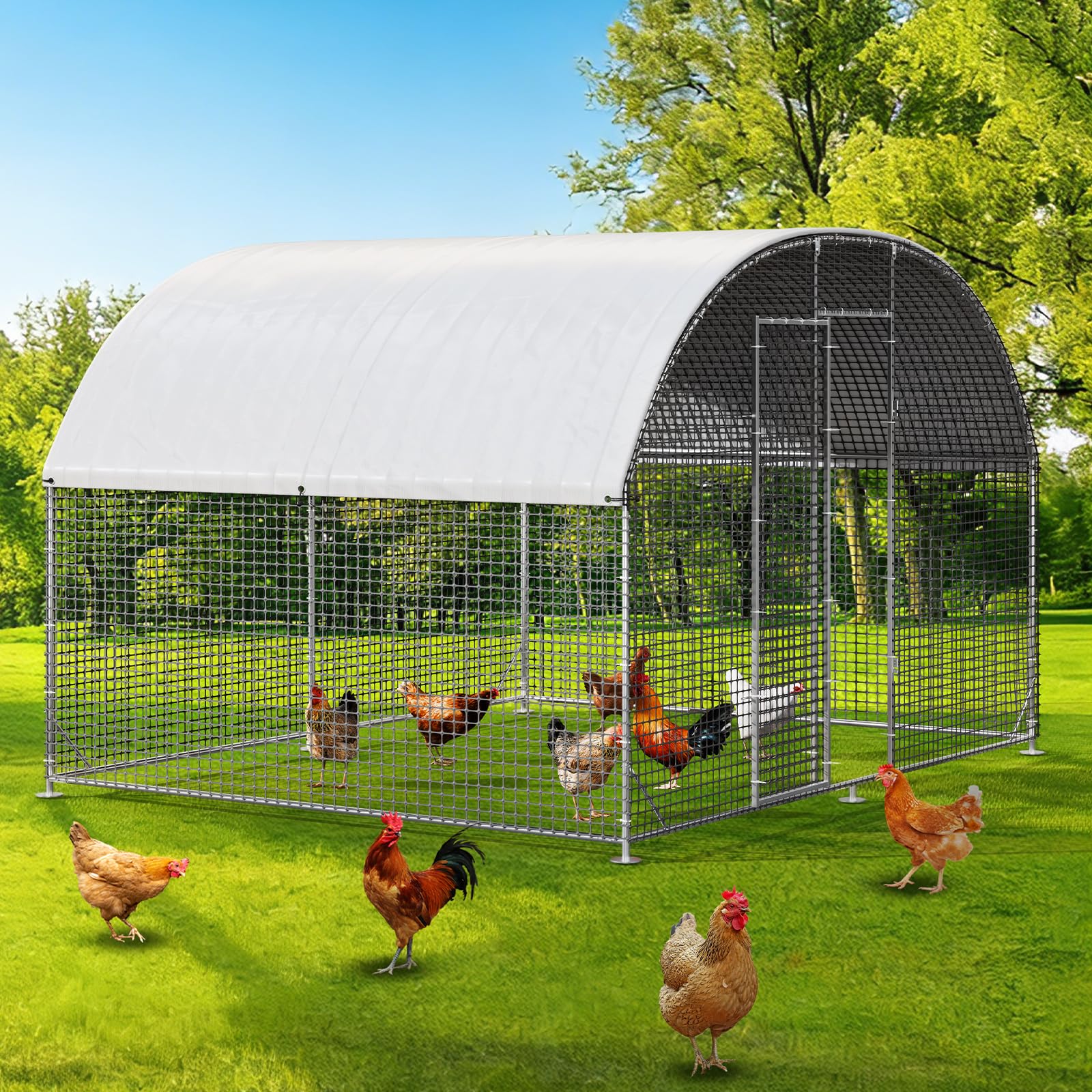
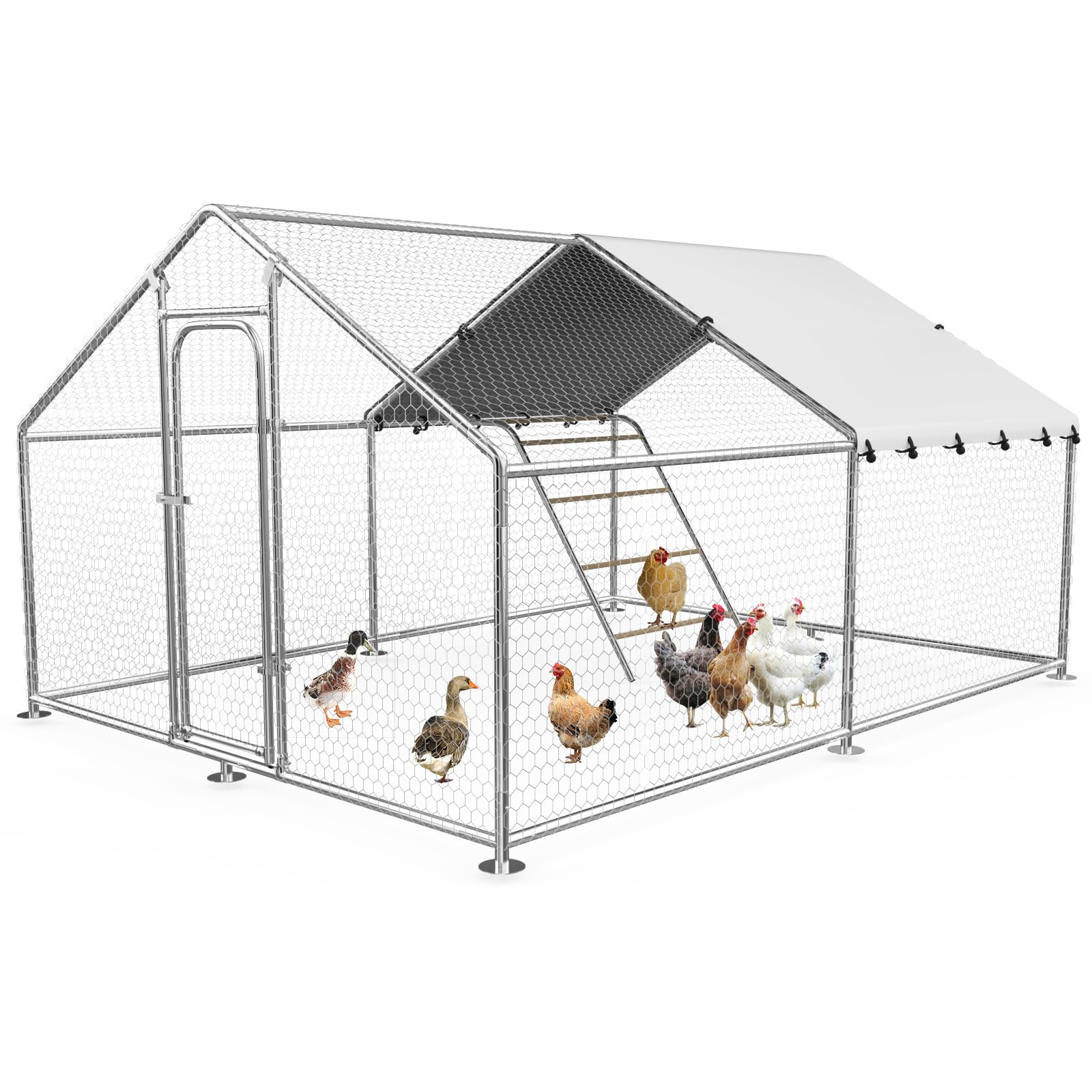
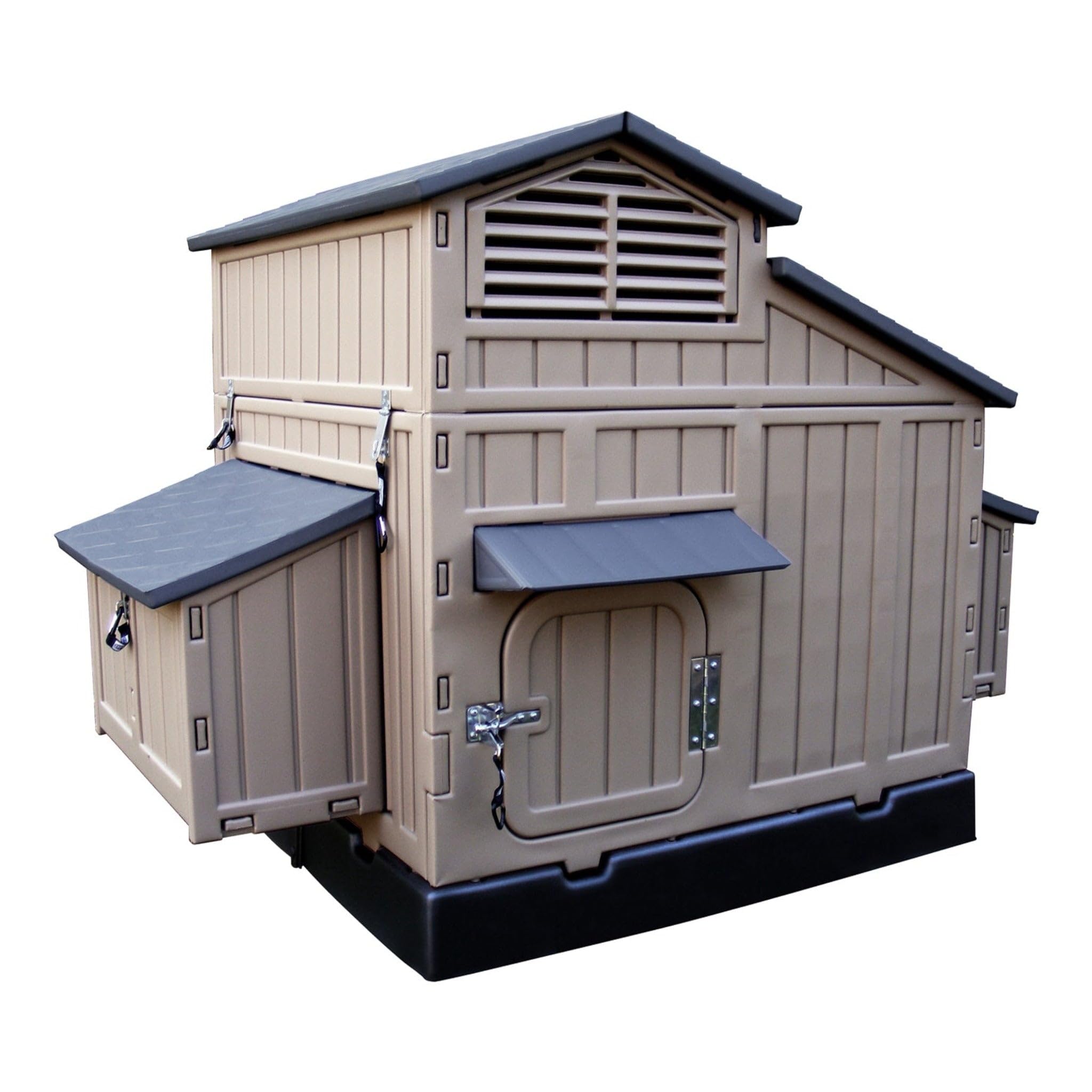

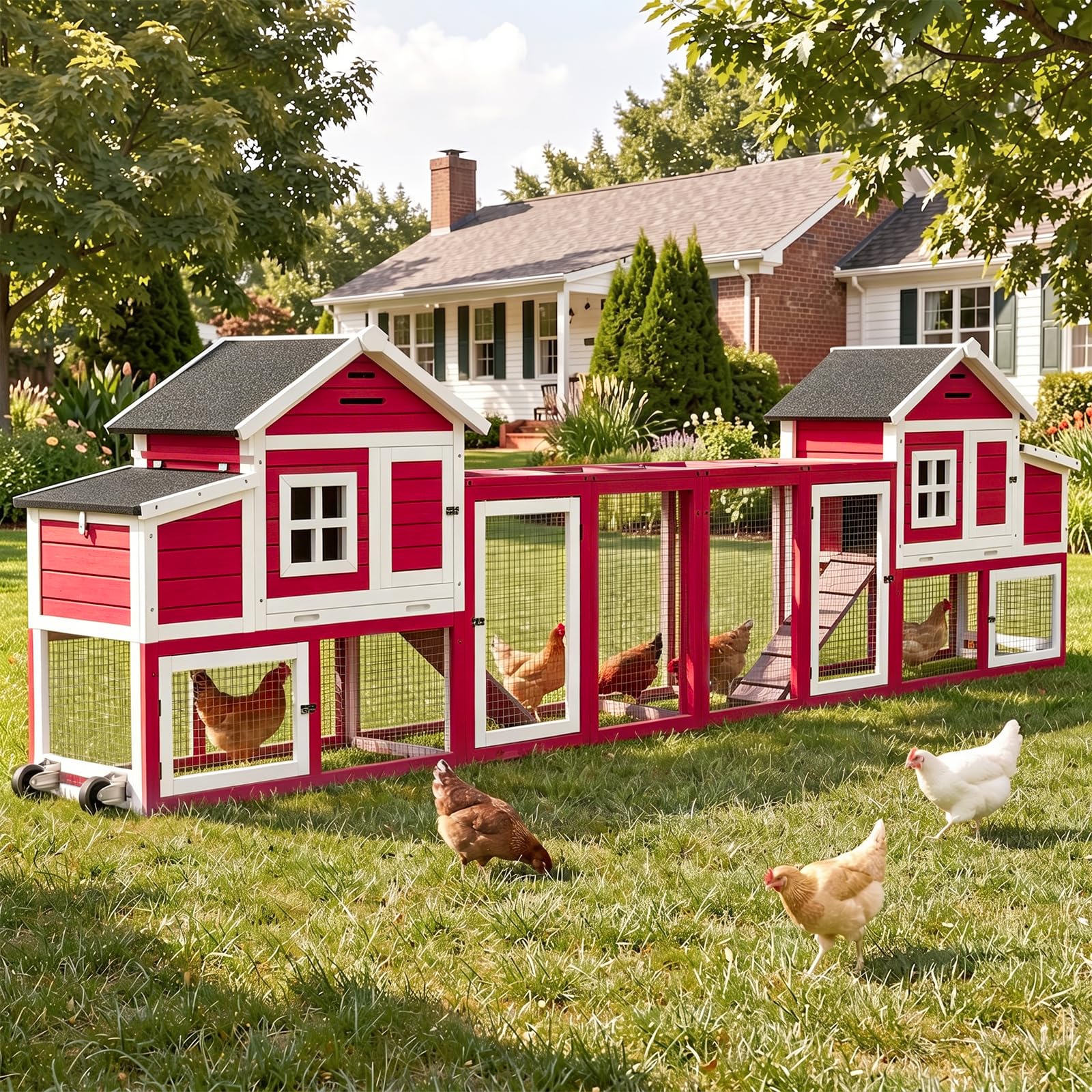
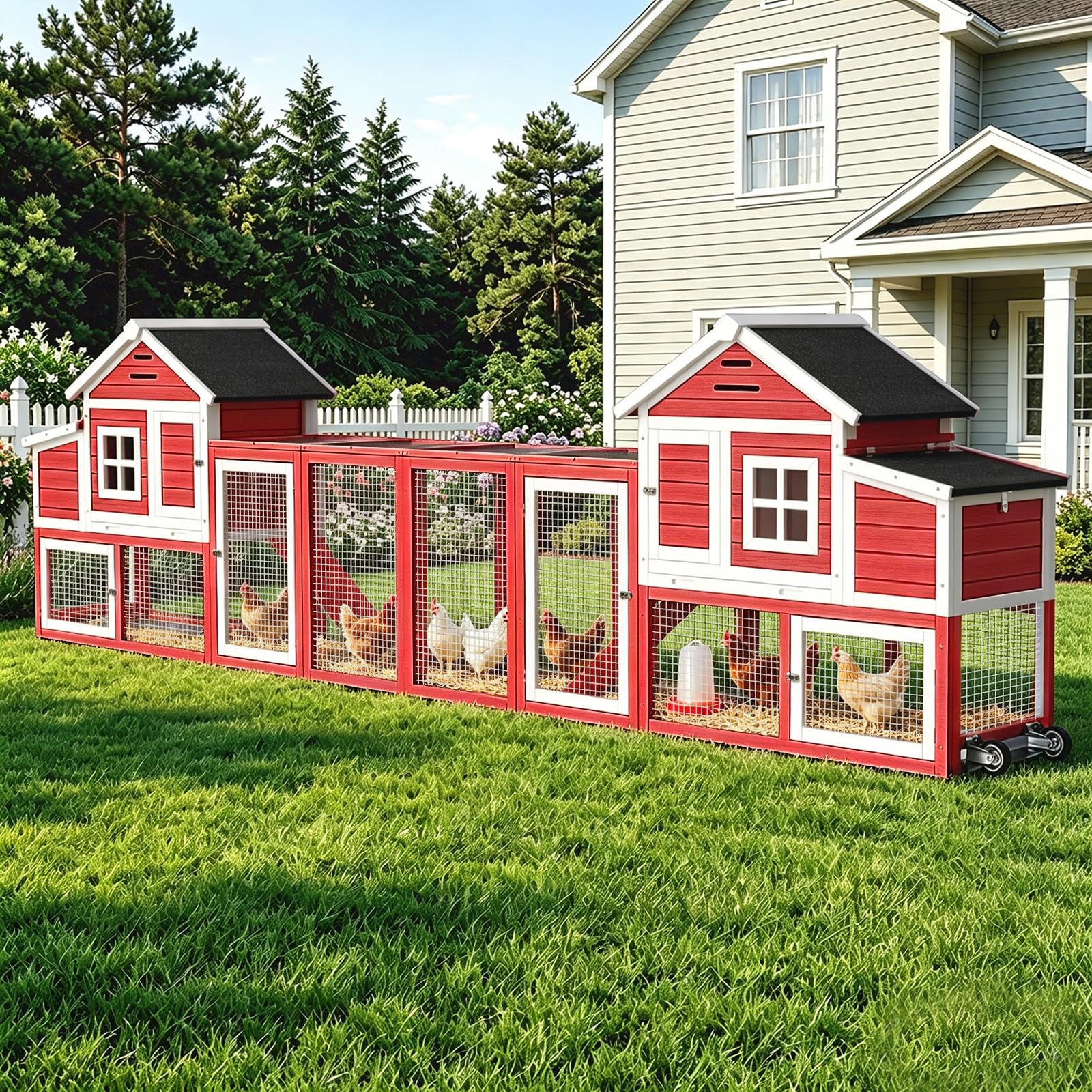
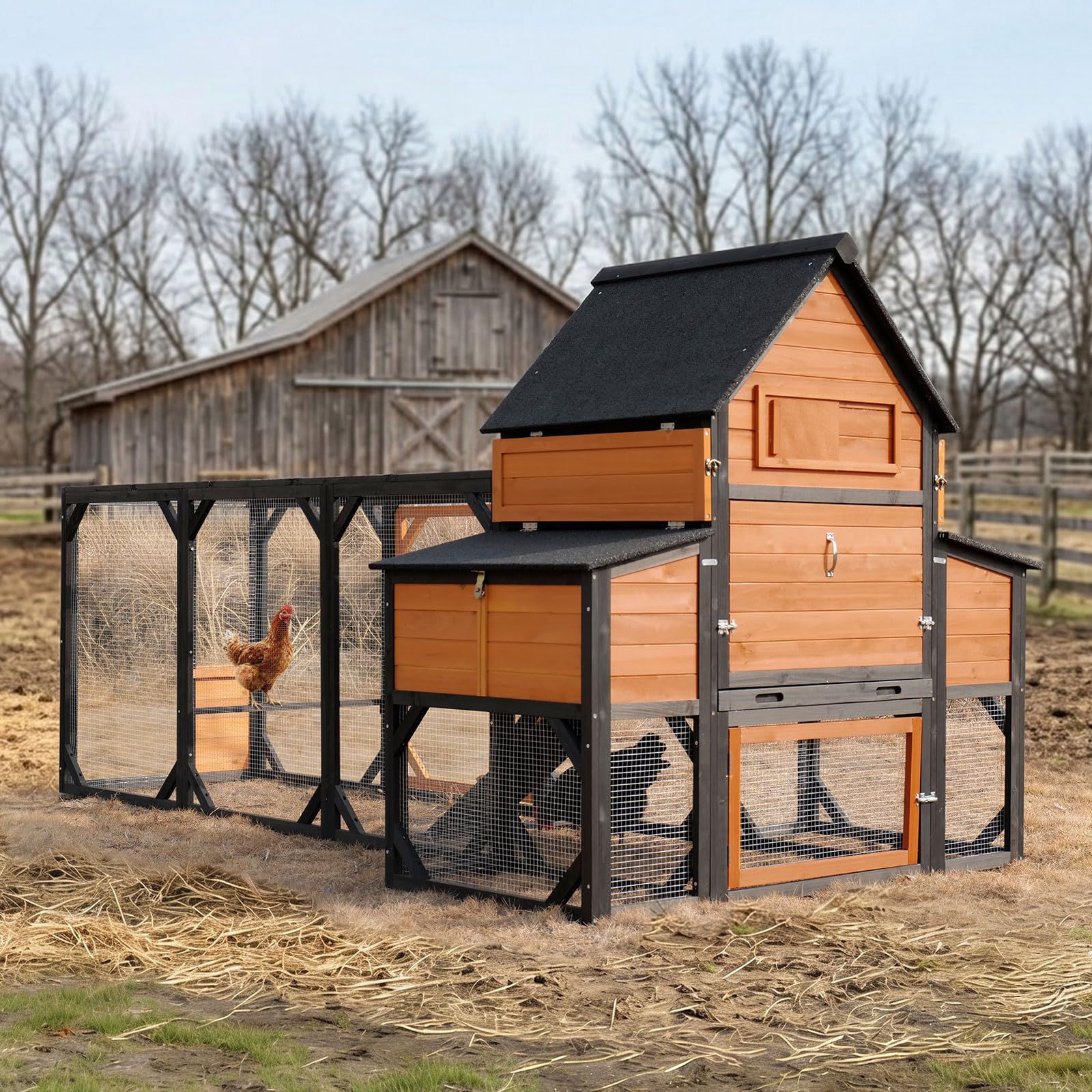
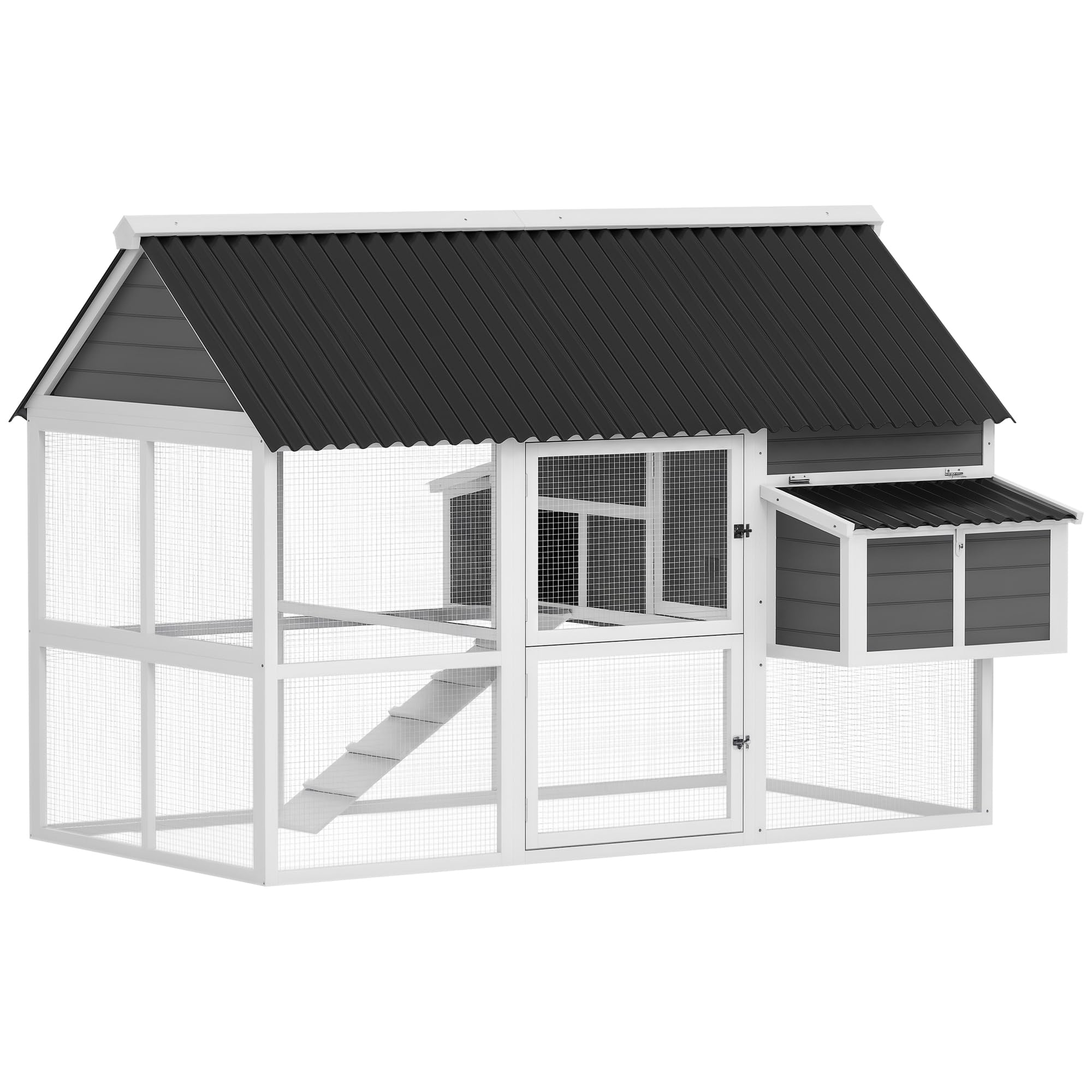
Types of Backyard Coops Compared
Stationary coops stay in one place and suit a fixed run, shade from a tree or fence, and a short path from your house. They often give hens the most indoor room for the footprint. Choose this style when your yard layout is settled and you want feed stored close by.
Mobile coops, often called tractors, move to fresh grass so hens get new ground and manure spreads out instead of building up in one spot. If fresh forage matters most to you, see our guide to the best mobile chicken coop designs. Wheels and handles matter here, because a coop that is hard to move will stay put and lose its main benefit.
Raised and prefab styles solve different yard problems. A raised coop leaves space underneath for shade and keeps the floor off wet soil. A kit built from panels can go up fast with basic tools, and our guide to the best prefab chicken coop options covers that route.
Who Should Buy Which Backyard Coop?
New Keepers With a Small Yard and Three to Four Hens
You need a compact footprint, quiet daily routines, and doors that open without crossing a garden bed or patio. A small stationary or raised coop with an attached run keeps feeding simple and limits worn grass to one area. If this is your first flock, our guide for the best chicken coop for beginners adds starter focused advice.
Families With Close Neighbors and Shared Fence Lines
Your priority is control of odor, flies, and early morning noise, plus a coop that looks tidy from next door. Pick a design with a droppings tray or a floor you can scrape fast, solid walls on the roost side, and a run roof that keeps bedding dry. Place feed in a sealed bin and keep treats modest, since spilled food draws rodents that upset neighbors quickly.
Keepers With Room to Grow or Grass to Rotate
You have space to expand the run or move the coop, so plan for access paths, gate width, and turning room from the start. A mobile or walk in design suits you better than a cramped fixed box you will outgrow in one season. Growth room matters more than extra nesting boxes at this stage.
How to Choose the Right Chicken Coop for Backyard Use
Measure first, then shop. The notes below follow the order that prevents most returns, and our walkthrough on how to choose a chicken coop gives added background on general sizing.
Size and Form Factor
Plan on about 3 to 4 square feet of indoor space per standard hen and about 8 to 10 square feet per bird in the run, with more room always calmer than less. Bantams need less, and large breeds need more. Check the shape as well as the numbers, because a long narrow run along a fence may fit your yard better than a square pen.
Type and Layout
Wood suits keepers who want to repair, paint, and modify a coop over time, and it blends well in most yards. Metal frames resist rot and can feel easier to hose down, though thin panels may flex in wind if anchors are weak. Plastic and resin styles resist moisture, but check vent size and sun exposure, since dark surfaces heat up fast.
Features Worth Paying For
An attached run is worth paying for in a backyard, because it gives hens safe outdoor time when you are at work. One nesting box for every 3 to 4 hens is plenty, since hens often share a favorite box. An automatic door can help when your schedule varies, but only if it has a manual override. Extra perches rank below vents, latches, and roof quality.
Sizing for Your Flock
Count adult birds, not chicks, and count the flock you will have after your first year, not just on day one. Listings often base capacity on bantam sized birds sleeping close together, so treat the top number with care. Roost length matters at night, so allow about 8 to 10 inches of perch space per hen.
Materials and Resistance to Damage
Look for solid lumber or sturdy panels, galvanized hardware cloth with small openings, and a roof that sheds water past the walls. Chickens peck and scratch, dogs push, and raccoons pull, so weak staples and thin mesh fail first at corners and doors. Paint or seal exposed wood before assembly if the maker allows it, paying close attention to lower edges near soil.
Cleaning and Odor Control
Backyard odor is mostly a moisture problem, so favor designs you can open wide, scrape, and dry out fast. A removable tray, a large side door, and a run surface you can top with fresh bedding will save time each week. For a full routine, read our steps on how to clean a chicken coop before your first flock arrives.
Safety From Predators and Weather
Use latches that need two motions to open, because raccoons can flip simple hooks. Bury or skirt mesh at the base of the run to block digging, and close gaps where a rat could slip in at night. In hot climates, shade and airflow matter most, while in cold areas you mainly need a dry roost rather than a heated box, since hens handle cold better than damp air.
How Much Should You Spend?
Small basic kits often cost about $200 to $500, and they suit three to four hens if the run is honest about space. Mid sized wood or walk in designs often run about $500 to $1,000, with better doors, roofs, and hardware. Large builds can cost about $1,000 to $2,000, which makes sense when you want a coop that stays in place for years.
What Matters Most in a Backyard Setting
A farm coop can spread out, smell stronger, and look rough without causing trouble. A backyard coop cannot. Check city or county rules and any home owner association limits before you buy, since many areas cap hen numbers, ban roosters, or set a minimum distance from property lines. Place the coop where water drains away from the run, not toward a patio or a neighbor fence, and avoid the lowest corner where puddles linger.
Shade is the other point buyers underrate when they shop for the best chicken coop for backyard comfort in summer. A coop in full afternoon sun can become stressful even with vents, while deep shade all day can keep the run damp in winter. A spot with morning sun and afternoon shade, plus a roof over part of the run, gives hens choice through the seasons and gives you drier bedding.
Common Mistakes to Avoid
- Buying for the maximum hen count on the box, which leaves adult birds crowded and raises stress and feather pecking.
- Placing the coop in a low wet spot, which leads to mud, odor, and soft wood at the base.
- Trusting thin chicken wire for predator safety, which raccoons and dogs can tear or pull apart.
- Skipping a check of local rules, which can force you to remove hens or move the coop after setup.
- Choosing tiny cleaning doors, which makes you skip deep cleans and lets ammonia build up inside.
- Forgetting shade and drainage in the run, which leaves hens with heat stress in summer and standing water in winter.
How to Make Your Backyard Coop Last Longer
Keep the base dry and the roof sound, and most coops will serve for years. Raise wood off bare soil on pavers or a gravel pad, clear wet bedding before it mats down, and tighten hinges and latches each season. Repaint or reseal outside wood when water stops beading on the surface.
FAQ
What is the best chicken coop for backyard?
The right choice is the coop that fits your measured yard space, holds your adult flock without crowding, and uses hardware cloth and strong latches for night safety. For most small yards, that means a compact stationary or raised design with an attached run and a large cleaning door. Match the style to your drainage, shade, and local rules first.
What should I look for in a chicken coop for backyard flocks?
Start with honest indoor and run space, then check vent placement, mesh quality, and how the roof handles heavy rain. In a backyard you also need a tidy profile, a feed storage plan that blocks rodents, and access that does not cross flower beds. Ask how replacement parts are sold, since doors and trays wear first. A coop with simple square panels is easier to repair than one built from odd shaped parts.
How long does a chicken coop last?
A well kept wood coop often lasts about 5 to 10 years, while sturdy metal or resin designs can last longer if joints and doors stay sound. Life span depends less on wall material than on roof care, base drainage, and fast repairs after storms. Check the underside and lower corners each spring, because rot and rust start where you rarely look.
Is a chicken coop worth it for a small flock?
Yes, if you want eggs, garden help, and daily time outdoors, and if your rules allow hens. A proper coop costs more at the start than a makeshift pen, but it lowers losses to predators and cuts cleaning time each week. Be honest about winter care and vacation cover before you commit, since hens need food, water, and a secure door every day.
How do you clean a chicken coop in a backyard?
Move hens into the run, remove feeders and waterers, then scrape droppings and old bedding into a compost bin away from play areas. Wash hard surfaces, let the coop dry fully in open air, and add fresh bedding only after damp spots are gone. Wear gloves and a dust mask, and wash hands after you finish. Cleaning in dry weather matters here, because wet bedding carried across a lawn spreads odor through the whole yard.
Final Thoughts
Start with your yard, not with a photo. Measure the space, check your local rules, count your adult hens, and pick the coop type that handles your rain, shade, and predators best. The product table above can help you compare size, materials, and access side by side. When you choose the best chicken coop for backyard needs in that order, you get a coop that stays cleaner, lasts longer, and fits daily life for both you and your hens.


