
Best Chicken Coop Under 500 in 2026: Value Buying Guide
Disclosure: We may earn a commission when you buy through links on this page, at no extra cost to you. As an Amazon Associate I earn from qualifying purchases. Learn more

Best chicken coop under 500: coop types, honest capacity, predator protection and what you give up at this price.
A coop that looks roomy in photos can turn cramped, damp, and hard to clean once real hens move in. The best chicken coop under 500 dollars is rarely the biggest box in the listing. It is the one that fits your flock size, keeps predators out at night, and lets you reach every corner on cleaning day without crawling. This guide compares the main coop types in this price range on size and fit, durability, and safety and materials. Start with the comparison table below.
Under $500 you can get a sound, secure home for a small flock, but you will give up something, usually run space, lumber thickness, or convenience extras. Knowing which trade off matters least to you is the whole decision. If you are comparing across every price tier, our guide to the best chicken coop options overall shows how this budget range stacks up.



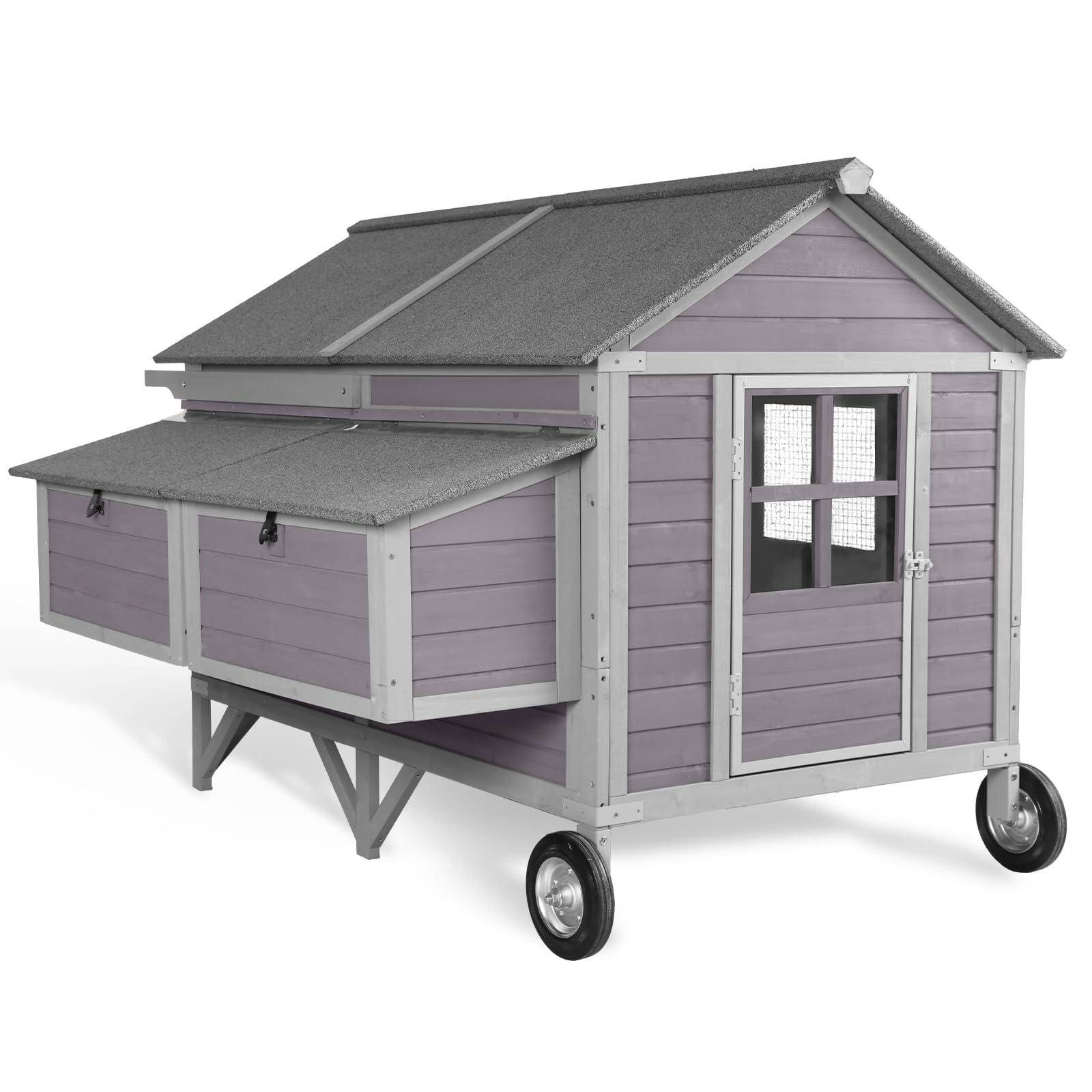

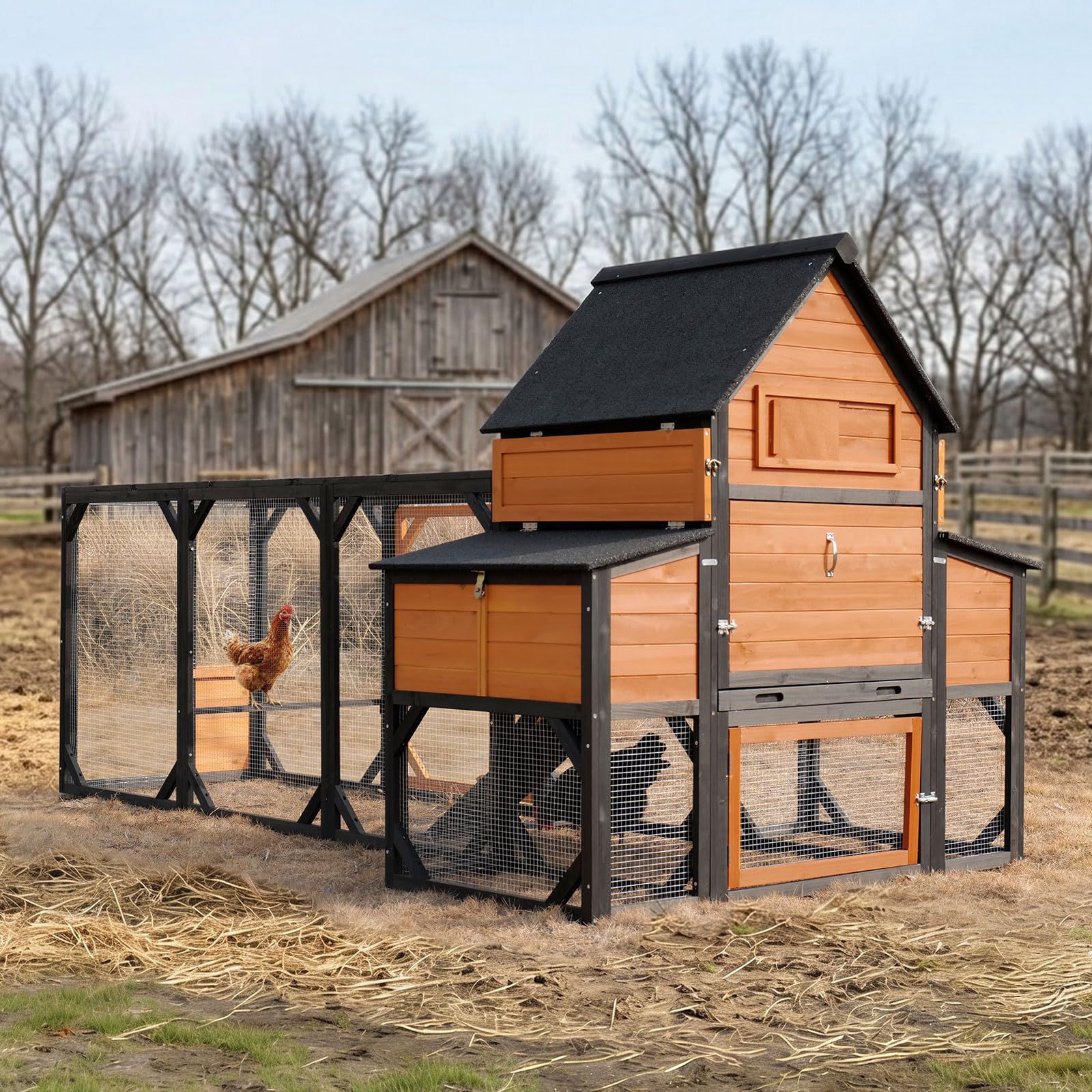
Coop Types Compared Under $500
Most coops in this range fall into a few build types, and the type shapes everything else, from cleaning effort to outdoor lifespan.
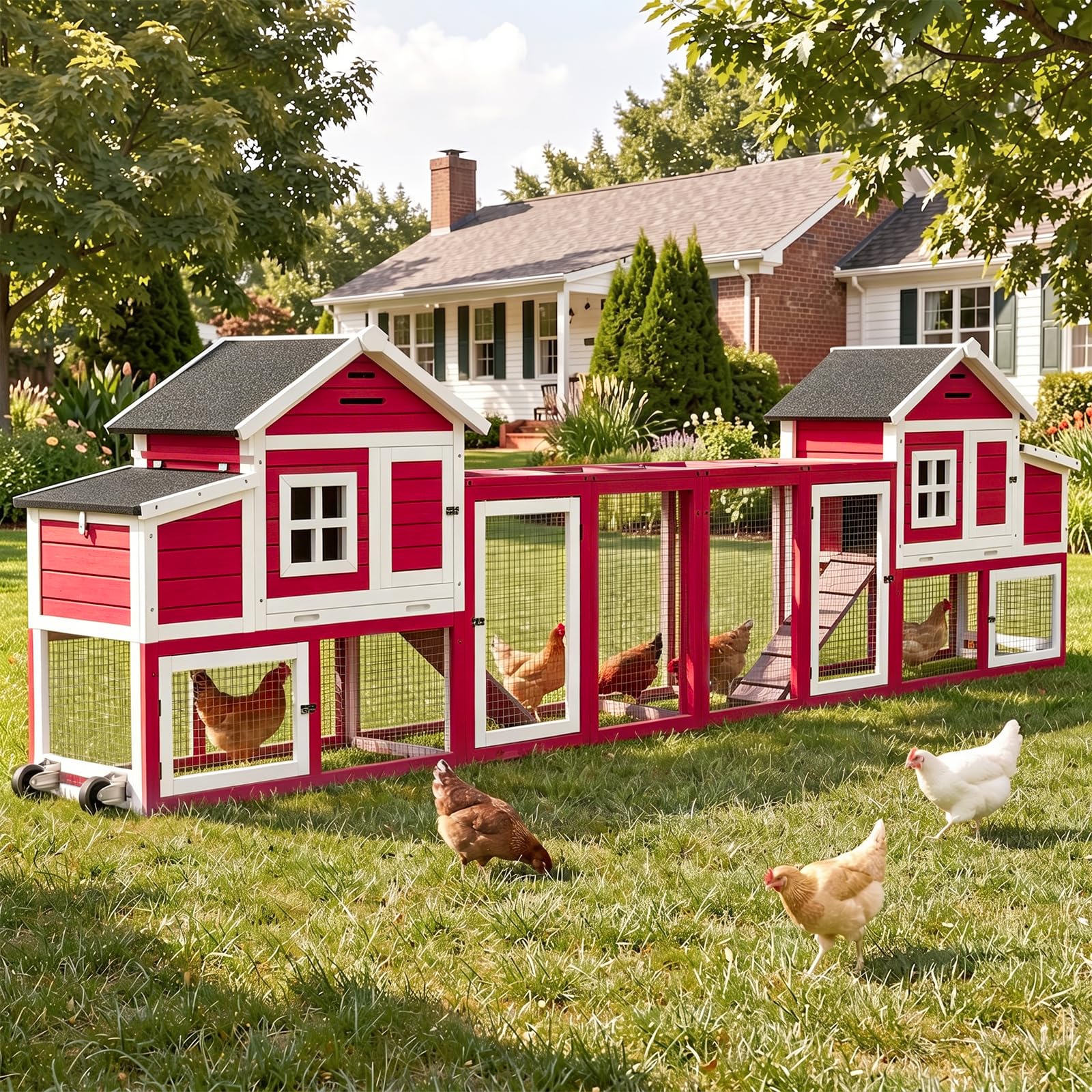
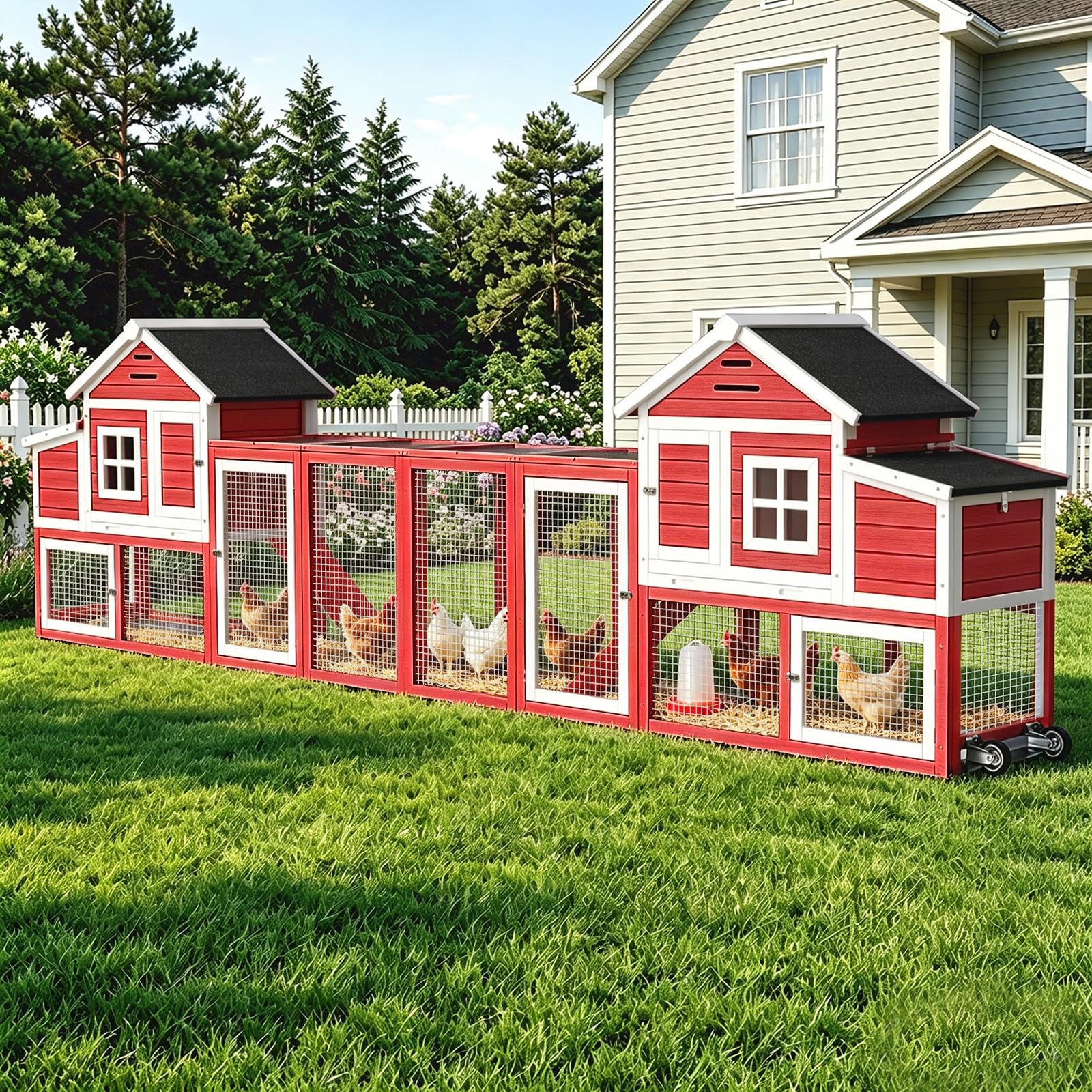
- Wooden coops are the most common choice under $500. They insulate well and are simple to repair with basic tools. The trade off is upkeep, because the wood needs sealing and protection from moisture.
- Plastic coops shrug off rain and mites, rinse clean with a hose, and never need paint. They cost more per square foot, so sizes in this range suit small flocks.
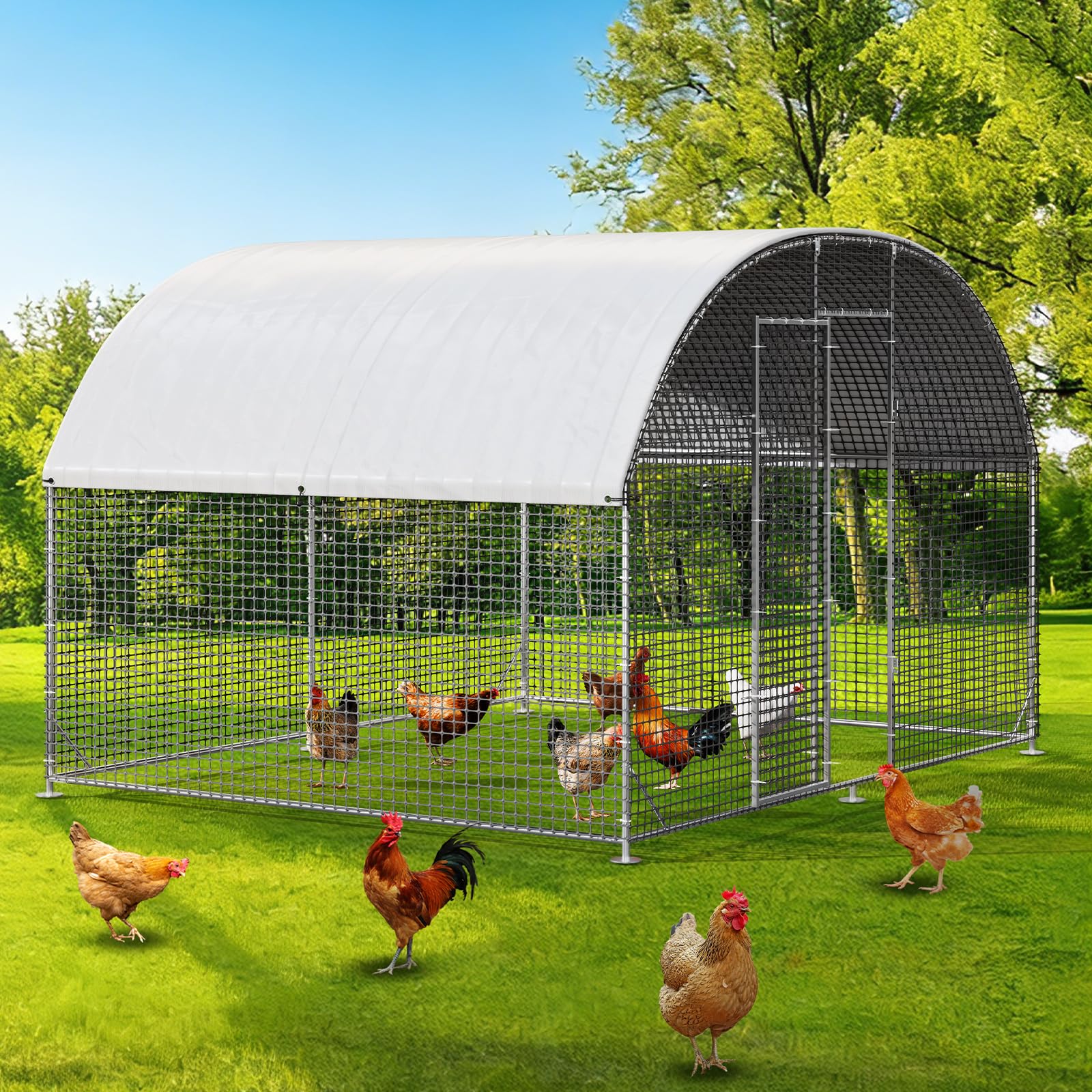
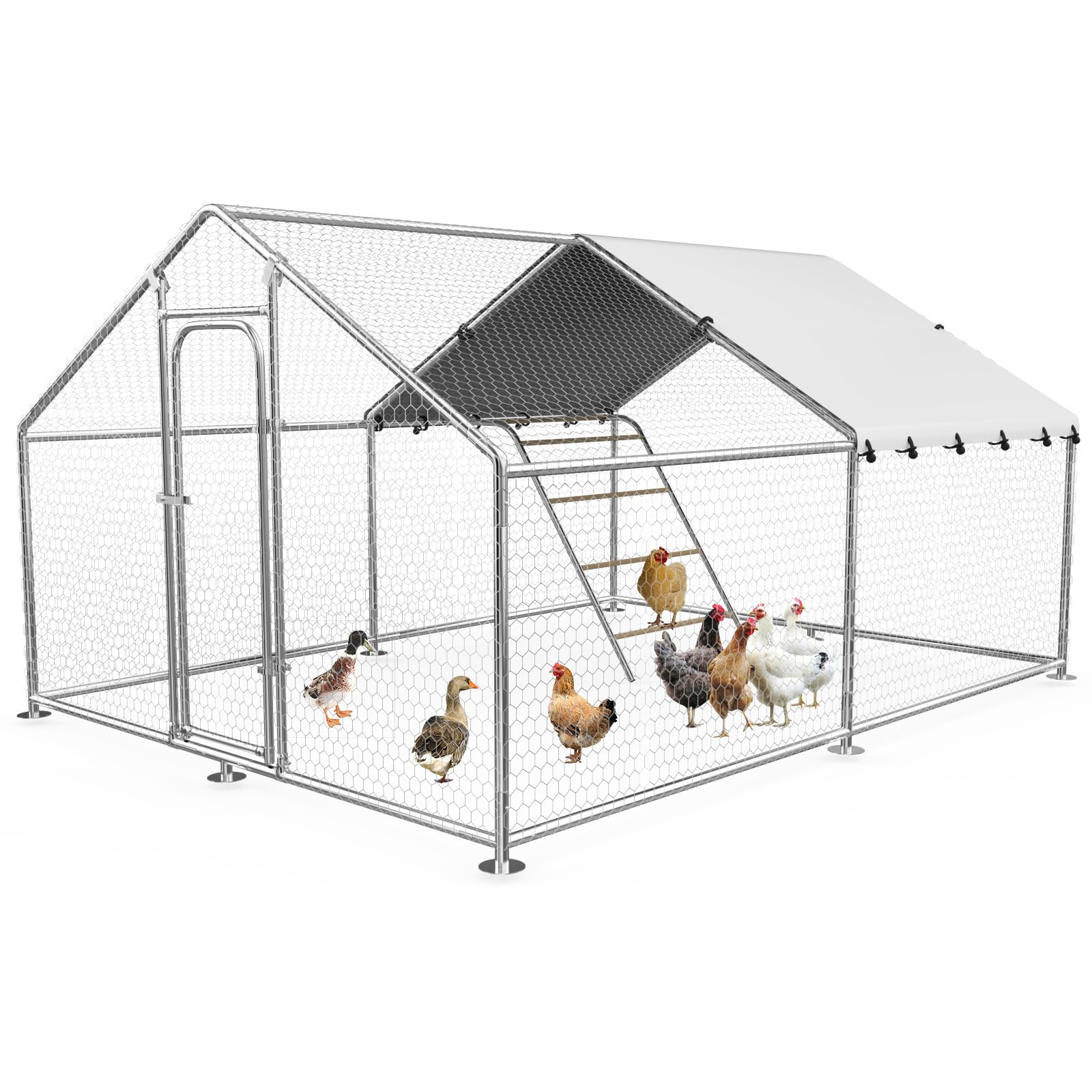
- Metal frame coops pair a steel frame with wire panels and a covered run. They give lots of enclosed outdoor space for the money, but the sleeping area is often small, so check the house dimensions, not the total footprint.
- Mobile coops and tractors sit low, move on wheels or skids, and let hens graze fresh ground every day or two. If fresh forage matters more than a tall house, compare the best mobile chicken coop designs before settling on a fixed build.
- Prefab kits arrive as flat panels with hardware included and go together in an afternoon. If you want a finished coop fast, without cutting lumber, look at the best prefab chicken coop category and budget time for sealing joints after assembly.
Who Should Buy a Coop in This Price Range
New Keepers Starting With Three to Five Hens
If this is your first flock, a modest coop under $500 lets you learn your routine before committing to a large build. You need easy egg access, a droppings tray you can slide out, and a door you can secure with gloved hands. Our guide to the best chicken coop for beginners covers starter flock basics in more depth. At this size, daily tasks take minutes while you learn what your hens need.
Suburban Keepers With a Small Yard
Limited space pushes you toward a raised coop with a run beneath it, so the hens use two levels and your footprint stays compact. Measure your gate width and the flattest patch of ground before ordering, because a coop that fits the yard but cannot pass the gate helps no one. Favor a covered run that keeps bedding contained.
Keepers Who Plan to Expand the Flock Later
If you expect to add hens next season, buy for the flock you will have, not the one in the brooder today. A coop near the top of this budget with a run you can extend saves you from buying twice. Crowding causes stress and dirty eggs, which cost more to fix than the price gap between a small coop and a midsize one.
Key Features to Compare
Usable Floor Space and Roost Room
Work from the inside out. Each standard hen needs about 3 to 4 square feet of floor space inside the house and roughly 8 to 10 square feet in the run, plus about 8 to 10 inches of roost bar per bird. Capacity claims often assume bantams packed tightly, so count the floor yourself from the listed interior dimensions. If your count lands between two sizes, choose the larger house, because hens spend long winter nights indoors.
Predator Protection and Hardware
Raccoons reach through wide wire, dogs push at weak panels, and hawks drop into open runs. Look for galvanized hardware cloth with openings of about half an inch on windows and vents, not wide chicken wire, which keeps hens in but lets predators reach through. Latches should need two motions to open, such as a sliding bolt with a carabiner clip, because a simple hook is easy for a raccoon to lift. Check that doors sit flush, and that the run has a wire skirt so digging animals cannot slip under.
Ventilation Without Drafts on the Roost
Hens release a lot of moisture as they breathe and as droppings break down, and damp air leads to frostbite and breathing trouble in winter. Good coops place vents high, near the roof, so moist air escapes above the birds while the roost sits in still air below. Mesh covered openings near the eaves and a window you can crack in summer both help. Avoid sealing a coop tight in cold weather, because fresh air matters more than warmth.
Nesting Boxes and Egg Access
Plan on one nesting box for every three to four hens, since birds share and usually favor one or two boxes anyway. Boxes should sit lower than the roost, or your hens will sleep in them and foul the eggs. An exterior access door lets you gather eggs without opening the main door and letting hens slip past you. Check that the box lid seals against rain, because a leaking lid soaks bedding and ruins eggs.
Cleaning Access and Tray Design
You will clean this coop every week, so access decides whether the job takes ten minutes or forty. A droppings tray that slides out from under the roost catches most of the mess, and wide doors let you reach corners without kneeling in bedding. Plastic and sealed wood surfaces wipe down faster than raw rough lumber, which traps waste in the grain. For a full routine, see our walkthrough on how to clean a chicken coop.
How to Choose the Right Size and Layout
Match the Form Factor to Your Ground
Walk in coops let you stand inside to clean and catch birds, but at under $500 they are rare and usually small, so most buyers choose a raised house over a run or a ground level tractor style build. Level ground matters for every type, because a rocking frame twists doors out of alignment and opens gaps at the seams. Our guide on how to choose a chicken coop walks through measuring your space.
Features Worth Paying For
Within this budget, spend first on a secure run, because daytime outdoor space is where hens spend most of their hours. Wheels earn their cost if you plan to move the coop across grass. An automatic door adds real convenience and safety, though at this price it is often sold separately, so check whether the coop can accept one later. Extra nesting boxes and decorative trim are the first places to save money.
How Much Should You Spend Within the Range
Coops under $100 are usually small novelty houses suited to two bantams or temporary quarantine use, not a main flock home. The under $200 tier brings real wooden houses for two to four hens, with thinner lumber and basic latches. Spending closer to $500 gets you thicker panels, hardware cloth instead of plain wire, a proper covered run, and room for six to eight hens. The jump from the lowest tier to the middle is the biggest quality step in this category.
What You Get (and Give Up) Under $500
At this price you get a complete, working setup: a weather tight house, a secure run, nesting boxes, and roosts sized for a small backyard flock. Materials are honest but light, meaning thinner lumber and hardware you may upgrade over time. Assembly is part of the deal, since nearly every coop here ships flat.
What you give up is scale and longevity. Few models under $500 house more than eight standard hens in comfort, walk in access is uncommon, and a wooden coop in this tier needs resealing each year. Compared with spending over $1000, you trade away heavy framing and larger runs. For a first flock, that trade is usually sensible, because hens care about dryness, safety, and space far more than joinery.
Common Mistakes to Avoid
- Trusting the stated hen capacity. Many listings rate a coop for twice the birds its floor can hold in comfort, so measure the interior yourself.
- Skipping the run skirt. A coop on bare ground with no wire skirt invites digging predators up through the run floor.
- Placing the coop in a low wet spot. Standing water rots floors and turns the run to mud, so pick the highest well drained ground you have.
- Choosing looks over latch quality. A charming painted house with a single simple hook latch is an open door to raccoons.
- Forgetting winter water access. If the coop sits far from a tap, you will haul water through snow daily, so plan placement with winter chores in mind.
How to Make Your Chicken Coop Last Longer
Seal every exterior wood surface before assembly if you can, because coating panel edges and joints is far easier before the coop is built. Set the coop on blocks, pavers, or a gravel pad so the floor frame never sits in soil moisture. Clear droppings from the tray weekly and refresh bedding before it mats down, since ammonia from built up waste damages both hen lungs and wood. Inspect latches, wire, and roof edges each season, and keep feed in a sealed metal bin outside the coop so rodents have less reason to gnaw at corners.
FAQ
Can you get a good chicken coop for under $500?
Yes, as long as your flock is small and your expectations match the tier. A good coop at this price gives four to eight hens a dry house, a secure covered run, and latches that hold against raccoons. What you will not get is heavy lumber or walk in space. Judge listings by interior floor size and wire type rather than photos.
How many chickens fit in a coop under $500?
Most models in this range suit four to eight standard hens once you measure the floor honestly, even when the listing claims more. Bantam flocks can run a little larger in the same house. The included runs on budget coops are often the tightest part of the setup, so if your count is borderline, plan a run extension or supervised yard time.
How long does a chicken coop under $500 last?
A wooden coop in this range typically serves about three to five years before major repairs, and longer on a dry base with yearly resealing. Plastic models resist rot and can outlast that span, though panels can grow brittle after many seasons of strong sun. Metal frames avoid rot but need rust spots treated as they appear. The roof covering usually fails first, so inspect it each fall.
Is a chicken coop worth it compared with building your own?
For a small flock, a kit under $500 often costs less than buying the same lumber, roofing, wire, and hardware piece by piece, and it saves a weekend of cutting and fitting. Building your own wins when you need an unusual size or thicker materials. A middle path works well too: buy a sound kit now, then add your own larger run later.
How do you keep a budget chicken coop safe from predators?
Start with the openings, because predators test vents and windows before doors. Cover every opening with hardware cloth fixed by screws and washers, not staples alone. Add a second locking step to each latch, lock hens in at dusk without exception, and check the run floor weekly for signs of digging. Removing spilled feed each evening also helps, since it avoids drawing raccoons to the site.
Final Thoughts
The best chicken coop under 500 dollars is the one sized honestly for your flock, sealed against weather, and locked down tight every night. Compare the product table above against your hen count and your ground, and the right choice usually becomes clear. Spend on floor space, hardware cloth, and latches first, and a coop in this range will house a healthy laying flock for years.


