
Best Chest Freezer Under 300 (2026): What Your Budget Buys
Disclosure: We may earn a commission when you buy through links on this page, at no extra cost to you. As an Amazon Associate I earn from qualifying purchases. Learn more
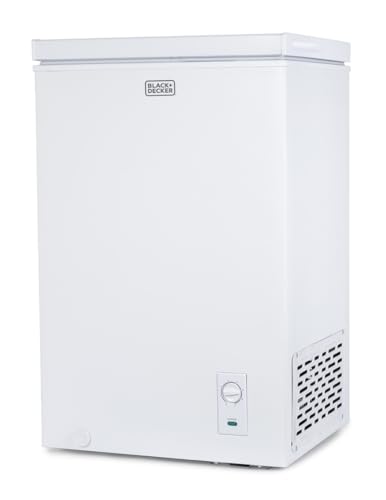
What the best chest freezer under 300 delivers in capacity and features, what you give up and how to check fit before ordering.
Your kitchen freezer is full again, the holiday sale on ground beef is today, and the bag of garden peas has nowhere to go. A compact chest freezer solves that problem without taking over the room, and the best chest freezer under 300 dollars can hold a season of bulk buys in a corner of the laundry room or garage. This guide helps you choose by floor space, household size, and daily routine, so start with the comparison table below and then match the details to your home.
Under this price ceiling you are shopping a narrow band of sizes and features, which actually makes the decision easier. Capacity, lid clearance, defrost style, and running cost matter far more than brand badges. The sections ahead walk through each factor in the order you should check it, and the closing questions cover the doubts most shoppers raise before ordering.
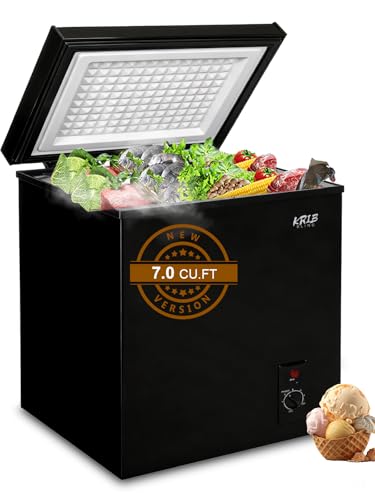


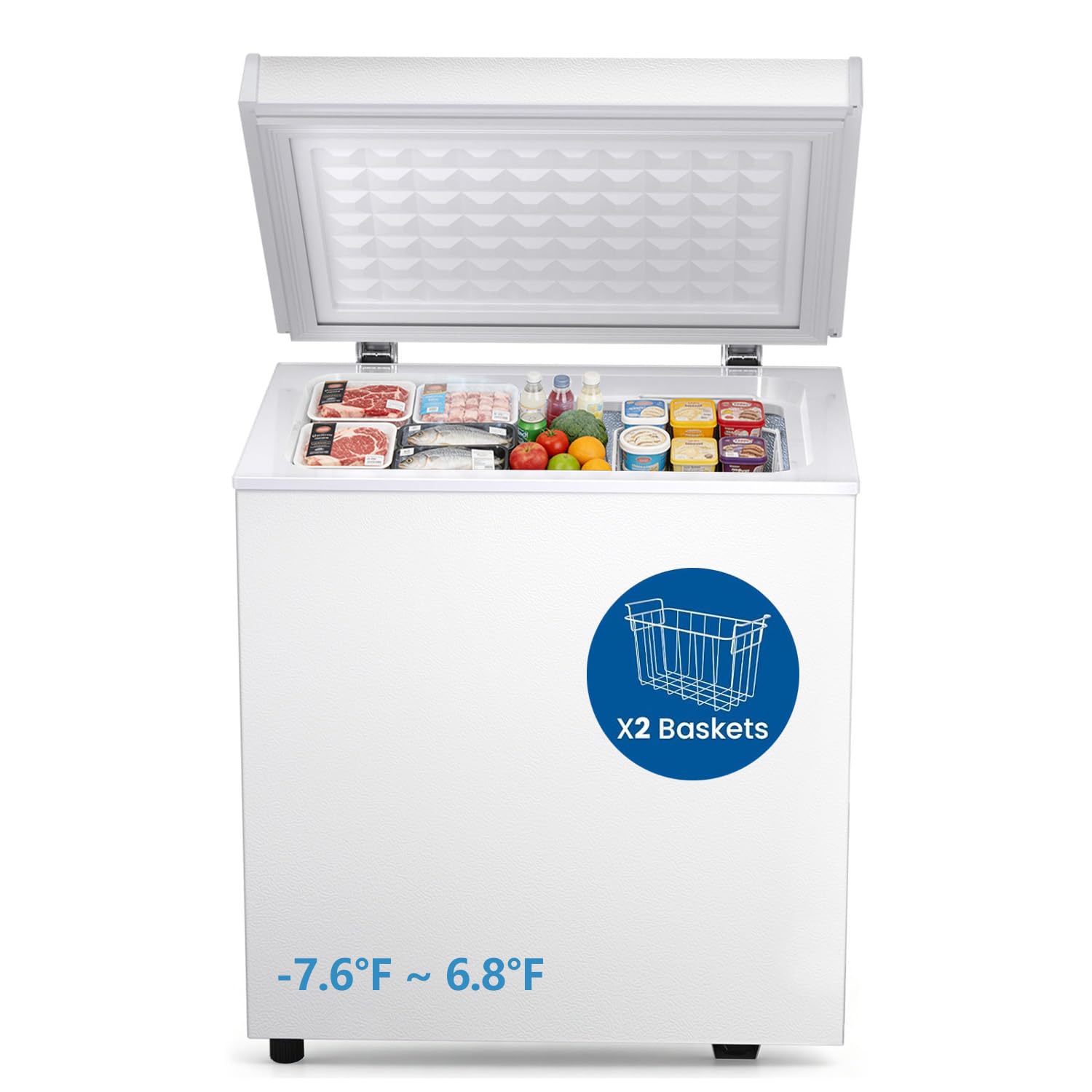


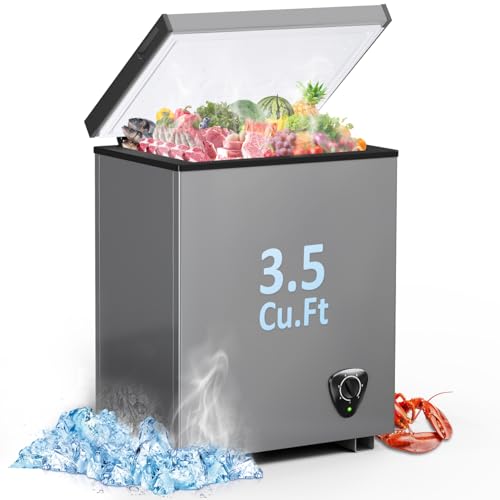
Quick Answer: What Your Budget Buys
For under $300 you can expect a chest freezer between about 3.5 and 7 cubic feet, with manual defrost, an adjustable temperature dial, and at least one removable basket. That is enough room for a small to midsize household to store bulk meat, frozen vegetables, and batch cooked meals. You give up automatic defrost, interior lighting on many models, and the larger 10 cubic foot cabinets that sit above this price. If your space and headcount fit that range, this budget is a sensible place to stop.
Before You Buy: A Quick Checklist for Choosing a Chest Freezer
Size: Match It to Your Space
Capacity drives everything else, so start with how much food you actually freeze. A 3.5 cubic foot model suits a single person or a couple adding overflow space for bread, ice cream, and a few trays of meat. Around 5 cubic feet works for a family of three or four that buys meat in bulk once a month. A 7 cubic foot cabinet fits larger households and hunters or gardeners with seasonal harvests. If floor space is tight, look at the best small chest freezer options, which keep footprints close to a washing machine. Shoppers who want the extra room should compare the best 7 cu ft chest freezer class before paying more for capacity they may never fill.
Which Type Fits Your Routine
Almost every model under $300 is a chest design with manual defrost, because the simple insulated box keeps cold air inside each time the lid lifts. If you are still weighing formats, our guide to chest freezer vs upright freezer explains the trade offs in sorting, floor space, and energy use. Garage ready models add a wider working temperature range, so they keep food frozen in a hot summer garage and stay efficient in a cold one. If your unit will live out there, start with the best chest freezer for garage category and confirm the stated ambient range. Convertible models that switch between fridge and freezer modes exist, but they usually cost more than this budget allows.
Features Worth It (and Ones to Skip)
Pay attention to removable baskets, because they lift small items out of the deep pile and stop bags of peas vanishing to the bottom. A lock matters if children can reach the lid or the freezer sits in a shared space. A power on indicator light and an external temperature dial save you opening the lid just to check settings. A defrost drain at the base makes the yearly clean out far easier, so treat it as close to essential. Skip paying extra for digital displays and alarms at this price, since they add cost without adding storage or colder temperatures.
Measurements and Compatibility with Your Setup
Measure the floor spot in width, depth, and height, then add the lid swing. A chest lid needs full vertical clearance to open and stay up, so check for low shelves, pipes, or a sloped garage ceiling above the spot. Leave about 3 inches of air gap on the sides and back so the compressor can shed heat. Confirm the doorway and hallway widths along the delivery path, because a cabinet that fits the room but not the door helps nobody. Finally, plan a grounded outlet within cord reach, and avoid extension cords, which manufacturers advise against for compressor appliances.
Certifications to Look For
Look for a safety listing from UL or ETL on the rating plate, which shows the appliance passed an independent electrical safety review. An Energy Star label means the model met federal efficiency targets and will usually cost less per year to run than an unlabeled rival of the same size. Keep the manual and rating plate details after delivery, because the model and serial numbers there are what a warranty claim will ask for first.
DIY vs Pro Installation Cost
A chest freezer is one of the easiest appliances to set up yourself. You unbox it, let it stand upright for a few hours so the compressor oil settles after transit, level it, and plug it in. That costs nothing beyond your time. Paid help only makes sense if delivery involves stairs, a tight basement turn, or disposal of an old unit, and those services are usually arranged with the retailer at checkout rather than hired separately.
Realiztic Budget Ranges
Under about $200 you are limited to the smallest cabinets, around 3.5 cubic feet, with basic dials and a single basket. Between about $200 and $300 the range opens up to 5 and 7 cubic foot models, garage ready ratings, and better baskets and drains. Stepping up to about $500 buys larger cabinets and occasional convertible designs, while about $800 reaches big family sizes with more finish options. For most homes the middle band covers the need, and the money saved is better spent on food containers and a vacuum sealer.
Types Compared: Three Ways to Spend Under $300
Instead of ranking individual models, it helps to compare the three cabinet types that fill this price band, because your home will suit one of them clearly. The compact type, around 3.5 cubic feet, fits apartments, dorm overflow, and couples who freeze modest amounts. It slides beside a washer or under a worktop with lid clearance, and its small compressor keeps running costs low. Its limit is bulk buying, since a holiday turkey plus a month of meat will crowd it fast.
The midsize type, around 5 cubic feet, is the balanced choice for families of three or four. It swallows a monthly bulk shop, keeps a basket of daily items on top, and still leaves walking room in a utility space. The large for budget type, around 7 cubic feet, suits bigger households, keen gardeners, and anyone who buys half a cow or freezes a hunting season harvest. It needs the most floor space and the most lid clearance, and defrosting it takes longer, but cost per cubic foot is the lowest of the three. Match the type to your headcount and harvest habits, then compare models within that type using the checklist above.
What You Get (and Give Up) Under $300
You get honest cold storage. Chest designs hold temperature well during a power cut, often keeping food frozen for a day or more if the lid stays shut, and they use less electricity than upright models of similar size. What you give up is convenience. Manual defrost means an annual empty and melt session. There are no door shelves, so organization depends on baskets and labeled bags. Interior lights and temperature alarms are rare at this price. If those gaps sound acceptable for a week of groceries saved at sale prices, the budget is doing its job.
Common Buying Mistakes to Avoid
- Measuring the floor spot but forgetting lid clearance, so the lid hits a shelf and will not stay open while you load it.
- Buying the largest cabinet on sale when your household fills only half of it, which wastes floor space and cools empty air.
- Placing the freezer against a hot wall or in direct sun, which makes the compressor run longer and raises your power bill.
- Ignoring the defrost drain, then facing a yearly clean out with towels and a bucket instead of a hose to the floor drain.
- Skipping the delivery path check, so the cabinet arrives and cannot pass the basement door.
Cost of Ownership and Care
Running costs stay modest. A small chest freezer typically uses about as much power as a couple of old light bulbs left on, and an Energy Star model trims that further. Expect to spend a little on replacement baskets if one cracks, plus reusable containers and freezer bags that protect food quality. Care is simple. Wipe the lid seal monthly so it closes tight, keep the coils and vents free of dust, and defrost when frost builds to about a quarter inch thick. Our full walkthrough on upkeep sits in the guide on how to clean a chest freezer.
Your Questions, Answered
What is the most reliable chest freezer brand?
Reliability at this price depends more on design simplicity than on the badge. Manual defrost chest freezers have few moving parts, so most major brands perform similarly for years. Judge a brand by its warranty length, local service network, and how easily you can buy a replacement basket or lid seal. A brand with a nearby service agent will serve you better than a famous name with no support in your state.
How do you clean a chest freezer?
Empty the food into coolers, unplug the unit, and let the frost melt with the lid open, using the drain if one is fitted. Wash the interior with warm water and a little baking soda, dry it fully, and wipe the seal before reloading. The part shoppers forget is sorting as you reload, grouping meat, vegetables, and ready meals so the next clean out starts from an organized base.
Is a chest freezer worth it?
It is worth it when you buy food on sale, batch cook, or garden, because the savings on a single bulk meat purchase can cover months of running costs. It is harder to justify if you live alone, rarely freeze anything beyond ice and leftovers, or have no floor space outside the kitchen. Add up what you would realiztically store each month, and let that honest total decide rather than the sale price of the appliance.
How long does a chest freezer last?
Most chest freezers last about 12 to 16 years, and simple manual defrost models often reach the top of that range because they have fewer parts to fail. Lifespan drops when the unit runs in a hot, dusty space or the seal stays dirty and leaks cold air. If your freezer runs constantly, frosts unevenly, or stops holding 0 degrees Fahrenheit, budget for a replacement rather than a repair on an older unit.
Can you get a good chest freezer for under $300?
Yes, because the core job of freezing does not need costly electronics. Under $300 you get the same compressor based cooling and thick insulation found in pricier cabinets, in smaller sizes and with manual defrost. Spend your attention on capacity, the drain, and the warranty rather than on displays. A simple model from a supported brand will outlast a fancy one with features you never touch.
Final Thoughts
Pick the cabinet type that matches your headcount, confirm the lid clears and the delivery path works, and favor a drain, a solid basket, and a clear warranty over decorative extras. Do that, and the best chest freezer under 300 dollars for your home becomes an easy call rather than a gamble. Use the product table above to compare the current options side by side, and see our broader guide to the best chest freezer if your budget grows later. Prices and availability can change, so check the product page before ordering.


