
Best Chest Freezer for Basement (2026): Buying Guide
Disclosure: We may earn a commission when you buy through links on this page, at no extra cost to you. As an Amazon Associate I earn from qualifying purchases. Learn more

The best chest freezer for basement use depends on the stair route, damp air and size: here is how to choose and place one.
Your kitchen freezer is full, a bulk shop is coming, and the only spare floor space in your home is downstairs. The right best chest freezer for basement choice depends less on raw capacity than on whether the unit fits down your stairs, handles a cool and sometimes damp room, and stays easy to load. This guide covers sizes, types, and running costs so you can match a freezer to your space, household, and budget, and the comparison table below sums up the main types at a glance.
If you are still weighing the wider category before you narrow down the basement details, our guide to the best chest freezer covers the general pros and cons. Here, the focus stays on what changes when the freezer lives below your main floor.

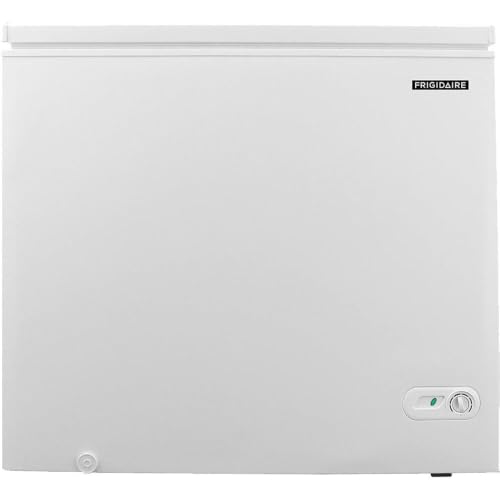

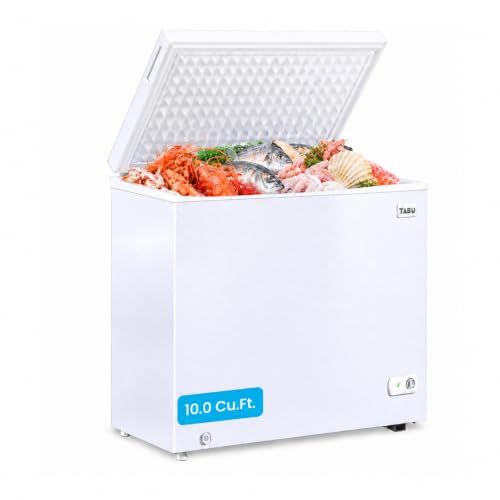
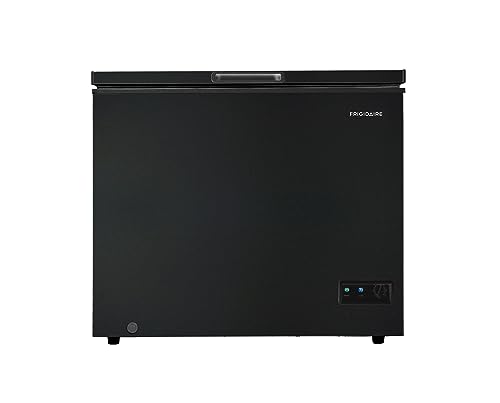
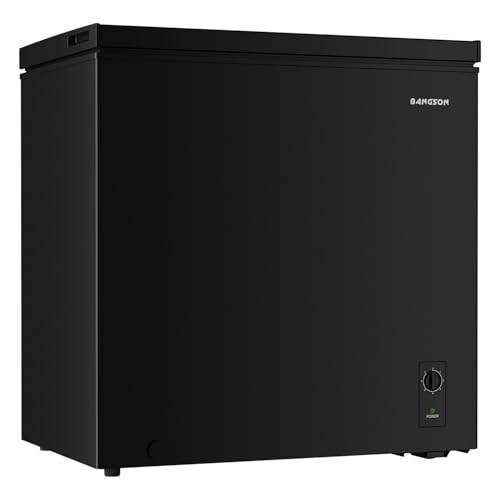
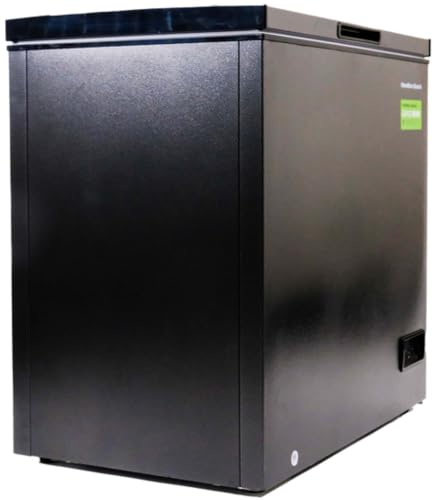
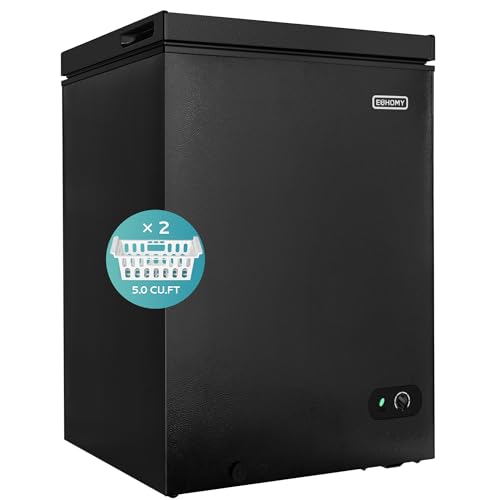
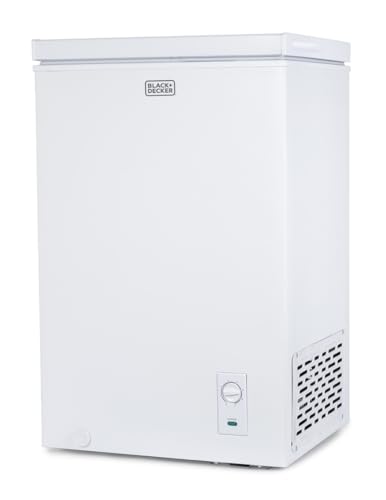

Quick Answer: The Three Types That Suit Basements
Most basement buyers choose between three broad types. A compact manual defrost model suits small households and tight stair turns. A mid size model with baskets and a lid light suits families who store a mix of meat, meals, and produce. A large model with a lock and a temperature alarm suits bulk buyers who store a lot at once. Pick by your measured space and shopping routine first, and treat extra features as secondary.
Before You Buy: A Quick Checklist for Choosing a Chest Freezer for Basement
Size: Match It to Your Space
Sizes run from about 3.5 cu ft up to about 15 cu ft and beyond. A 3.5 or 5 cu ft unit holds overflow for one or two people, while 7 cu ft suits many families and 10 cu ft or more suits bulk buying. Bigger is not better if the lid crowds a low ceiling or the box blocks a walkway. If floor space is tight, compare footprints in our guide to the best small chest freezer before you commit.
Which Type Fits Your Routine
Chest models hold cold air well when you lift the lid, and they usually cost less per cubic foot than upright models. Upright models make items easier to see, but they need door swing room many basements lack. Our comparison of chest freezer vs upright freezer explains that trade in full. Manual defrost keeps cost and energy use down, while frost free designs save a defrost day once or twice a year at a higher price.
Features Worth Paying For and Ones to Skip
Removable baskets are worth paying for because they keep small items from sinking to the bottom where you forget them. A lid light helps in a dim corner, and a lock matters if children play downstairs or the space is shared. A drain plug makes defrost water easy to remove without scooping. You can skip extras such as phone alerts if you walk past the unit daily, since a simple temperature display tells you what you need.
Measurements and Compatibility With Your Setup
Measure the full route, not just the final spot. Record the door width, the narrowest point on the stairs, and any turn where the box must pivot, then compare those numbers with the packaged size, not the cabinet size alone. Leave about 2 to 3 inches of air space on the sides and back so the compressor can shed heat. Check that the lid opens fully under your ceiling, and confirm a grounded outlet sits within cord reach.
Certifications and Safety Marks
Look for a safety listing such as UL or ETL on the rating label, which shows the appliance met electrical and fire safety standards for home use. An Energy Star label means the model met federal efficiency targets, which matters for a unit that runs all day and night. Garage ready ratings also help in basements, because they signal the compressor is built for rooms that run colder or warmer than a kitchen. Keep the manual in case a warranty claim needs it.
Doing the Move Yourself Versus Hiring Help
Two adults with a dolly and straps can move a compact unit down a straight flight, at no cost beyond care and time. A large unit, a tight turn, or a steep flight changes the picture, and paid delivery with placement often costs about $50 to $150 depending on your area. Pros also remove packaging if you arrange it. Never tip a freezer on its back to squeeze through, and let it stand upright for several hours before switching it on.
Realiztic Budget Ranges
Compact models often cost under $200 and cover basic overflow well. Mid size models sit at about $200 to $500, and that step usually buys better baskets, a lid light, and a longer warranty. Large or frost free models can run about $500 to $800, which makes sense only if you fill the space. Set your budget after you measure, because paying to return a unit that cannot make the stair turn wipes out any saving.
Types Compared: Choosing by Home and Routine
Compact Types for Tight Basements
Compact units of about 3.5 to 5 cu ft fit older homes with narrow doors and low ceilings. They slide into a laundry corner where a tall cabinet would never go. You give up bulk capacity, so store high value items such as meat and prepared meals rather than loaves and large boxes. For one person or a couple, this size often covers a month of extra food without dominating the room.
Mid Size Types for Most Families
Units of about 7 cu ft hit the balance most families need, with room for a bulk shop plus weekly overflow. If that size sounds right, our guide to the best 7 cu ft chest freezer explains footprint differences in more detail. Look for two baskets rather than one, since sorting by food type saves digging time. A temperature alarm also starts to pay off at this size, because a lid left ajar puts more food at risk.
Large Types for Bulk Storage
Large units of 10 cu ft and above suit hunters, gardeners, and households that buy meat in bulk a few times a year. The lid is heavier and the reach to the bottom is deeper, so keep older stock in baskets at the top. Floor strength is rarely an issue on a concrete slab, but confirm the spot stays dry through the wettest part of the year before you fill a cabinet this size.
Living With It: What Really Matters in a Basement Chest Freezer
Humidity is the daily reality downstairs. Wipe the lid seal dry when you notice condensation, and keep the cabinet a short distance from walls where damp air collects, since trapped moisture can mark the finish over time. If your basement floods, raise the unit on a sturdy platform. Cold rooms raise a second point. An unheated basement can dip low in winter, and a model built for wider temperature ranges, of the kind covered in our guide to the best chest freezer for garage, will hold its set temperature more reliably there.
Access shapes how much you use the freezer. A clear path and a light you can switch on with an elbow matter more than a small difference in capacity. Noise is rarely a problem through a floor, but a unit under a bedroom may hum at night, so run it for a day before you fill it and shift it a few inches if the sound carries.
Common Buying Mistakes to Avoid
- Measuring only the final spot and forgetting the stair turn, so the unit arrives but cannot reach the basement.
- Buying the largest cabinet on sale, then leaving it half empty while paying to cool unused space all year.
- Placing the freezer tight against damp walls with no air gap, which traps moisture and makes the compressor work harder.
- Skipping a surge protector on an older circuit, so one storm can damage the compressor and spoil a full load of food.
- Storing food in thin bags that tear on frost, which leads to dried surfaces and flavors you did not plan on.
Cost of Ownership and Care
An efficient model in a cool basement often costs about $30 to $60 a year to run, since the compressor cycles less in cool air. Keep coils and vents free of dust with a soft brush every few months, and check the lid seal by closing it on a sheet of paper. If the paper slides out with no resistance, cold air is leaking and the seal needs cleaning or replacing. Defrost a manual model when frost reaches about a quarter inch thick, because thick frost steals space and forces longer runs. Keep a list on the lid of what went in and when.
Your Questions, Answered
What is the most reliable chest freezer brand?
No single brand wins for every home, and reliability data by model is limited. A better guide is warranty length on the sealed system, the size of the local service network, and whether parts such as seals and baskets stay available for years. Read recent owner feedback for the same fault repeating, rather than trusting one glowing or angry review.
How do you clean a chest freezer in a basement?
Move food into coolers, unplug the unit, and let frost melt into towels rather than chipping at it with a knife, which can puncture a cooling line. Plan where melt water will go before you start, and keep the drain path clear of stored boxes. For the full routine, read our guide on how to clean a chest freezer, then dry the interior fully before reloading.
Is a chest freezer worth it for a basement?
It is worth it if you buy in bulk, cook in batches, or lose food now because your kitchen freezer is too small. It is harder to justify if your basement is damp, access is awkward, or you rarely freeze more than a few items. Set the likely saving from bulk buys against the running cost over a year, and the answer usually becomes clear.
How long does a chest freezer last in a basement?
Many units run for about 10 to 15 years, and a dry, cool basement can be kind to a compressor. Lifespan drops when the cabinet sits in standing damp, the seal leaks for years, or vents stay blocked with dust. A surge protector and a yearly seal check are cheap habits that protect the sealed cooling system.
What should I look for in a chest freezer for a basement?
Beyond size and fit, check the lid action. A lid that stays open on its own at a wide angle lets you load with both hands, which matters when your arms are full on the stairs. Also check the control dial position. Controls at the front, at waist height, are far easier to read in a dim corner than controls hidden low at the back.
What is the best chest freezer for basement use if your stairs are narrow?
Start with the packaged width, not the storage size, and choose the largest unit that clears your narrowest point with an inch to spare. Compact models with a removable lid can gain extra clearance on a tight turn, so ask whether the lid lifts off before delivery day. A slightly smaller freezer that reaches the room beats a larger one stranded in the hall.
Final Thoughts
Measure the route, pick the type that matches your shopping routine, and leave air space around the cabinet once it is in place. Do that, and the best chest freezer for basement for your home is simply the one that fits, runs quietly, and keeps food easy to reach. Use the product table above to compare the main types side by side, then check the current price and delivery terms for the size you chose before you order.


